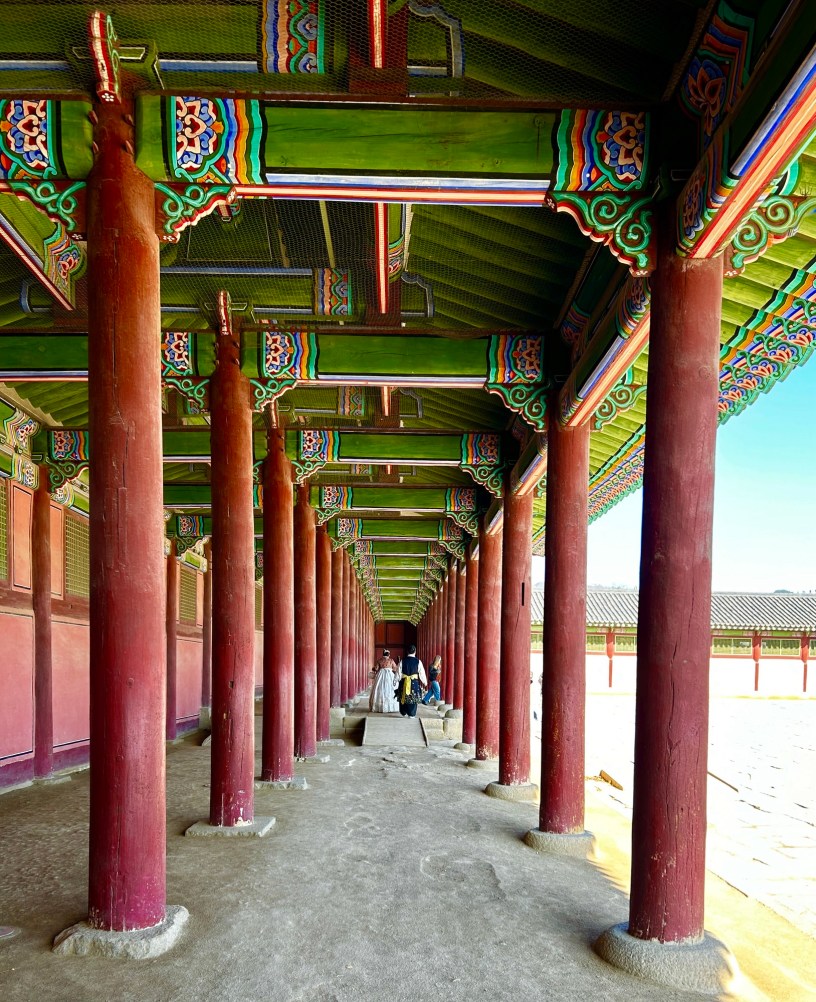
I went from Tokyo to Seoul in December, 2024 on a work trip. Since it was over 2 weeks, I had an entire weekend to myself to explore Seoul, a city I’ve never been to before. It was so freezing, way colder than it had been in Tokyo, but still I made the most of my time, and saw palaces, tombs, and temples, ran and shopped and ate.
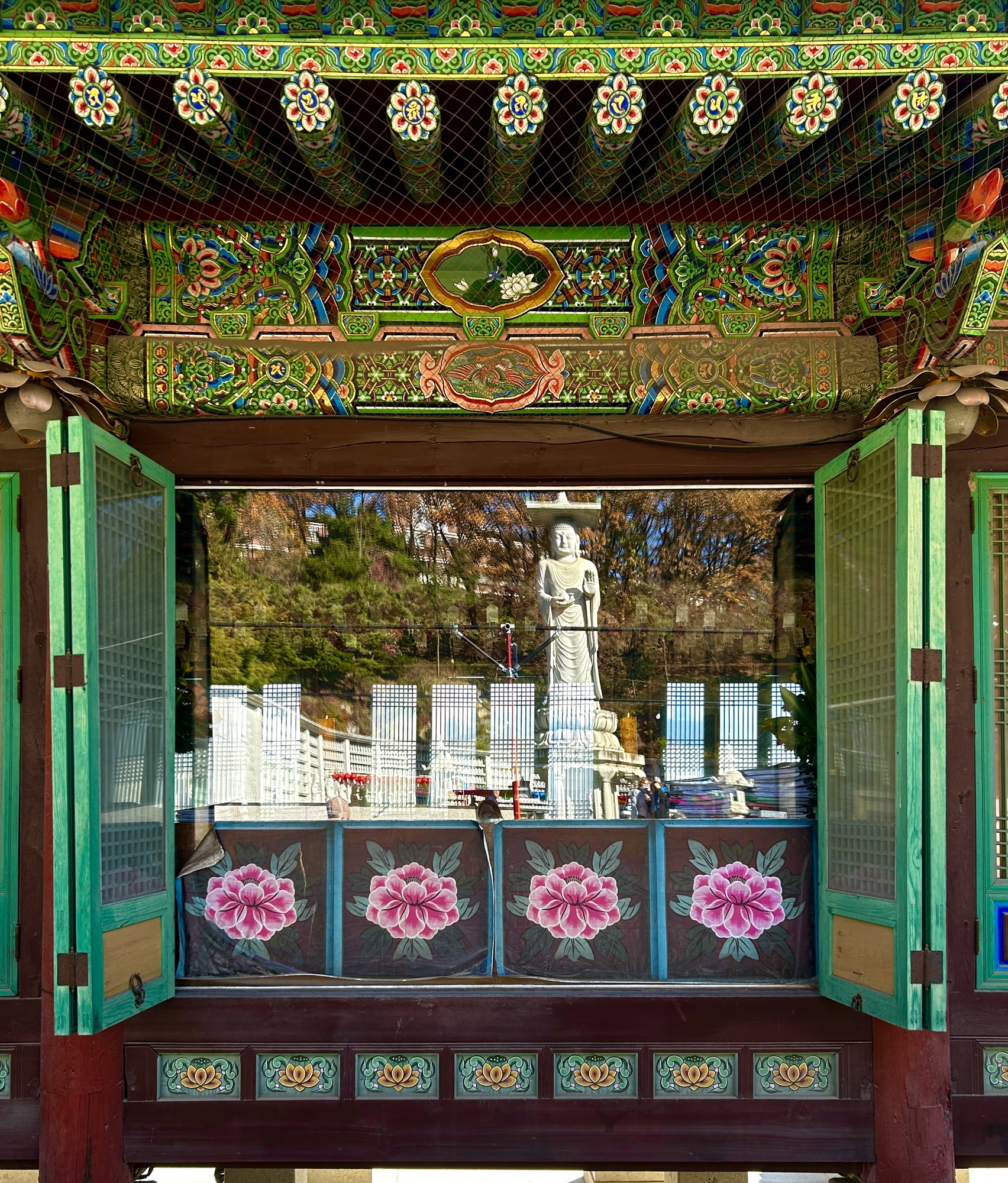
Gyeongbokgung Palace
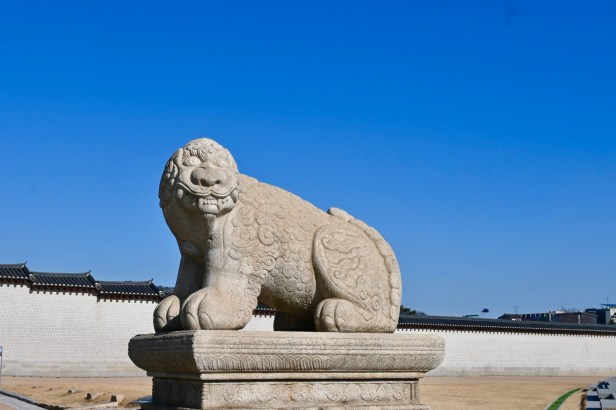
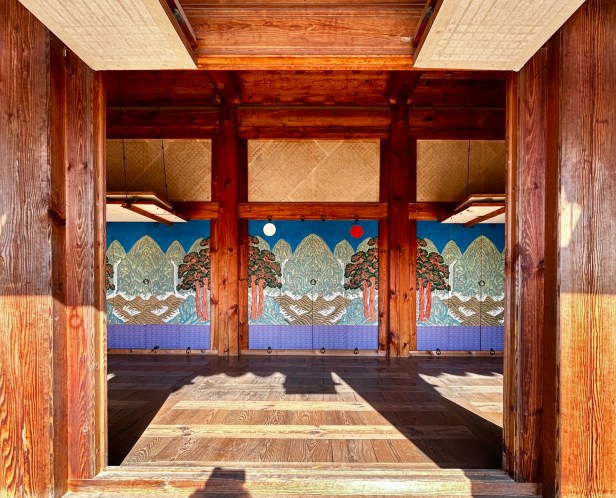
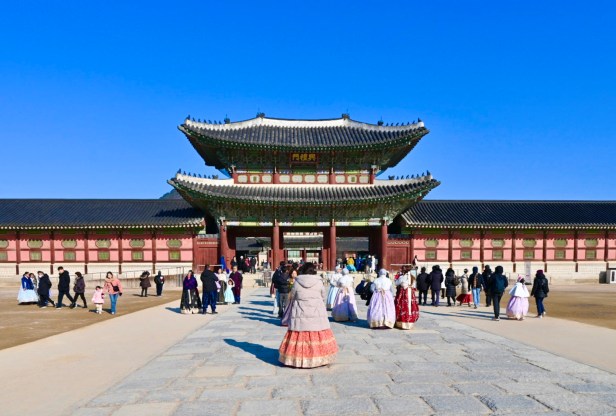
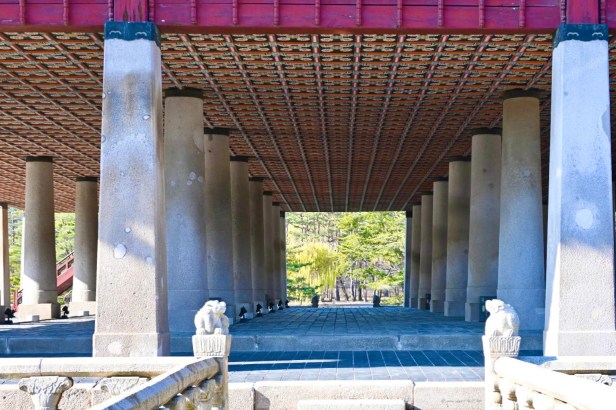
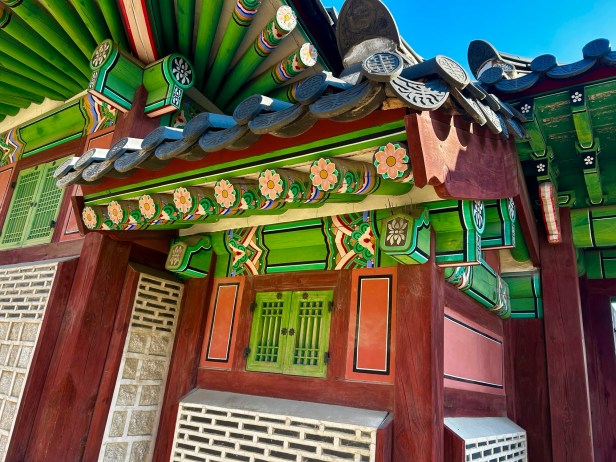
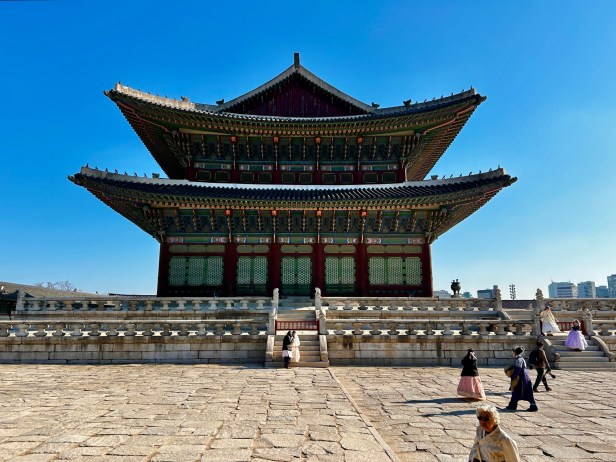
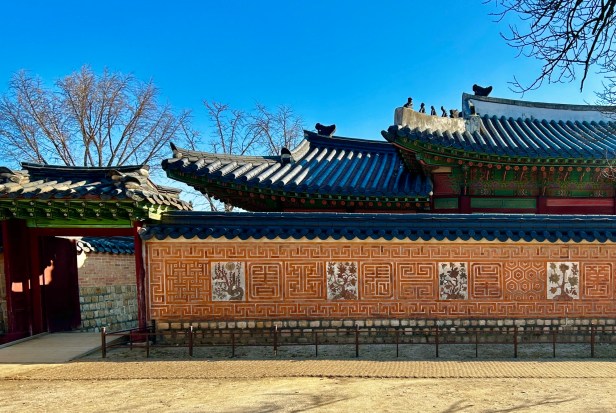
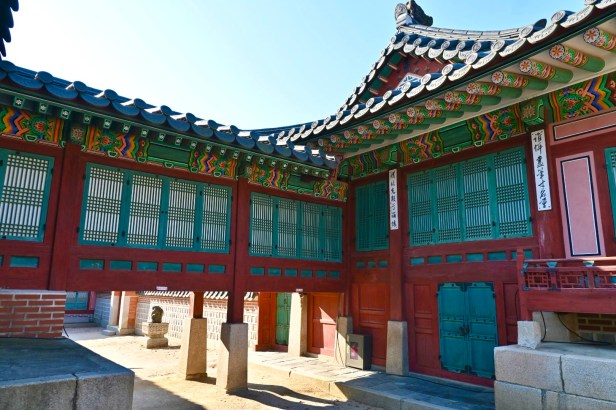
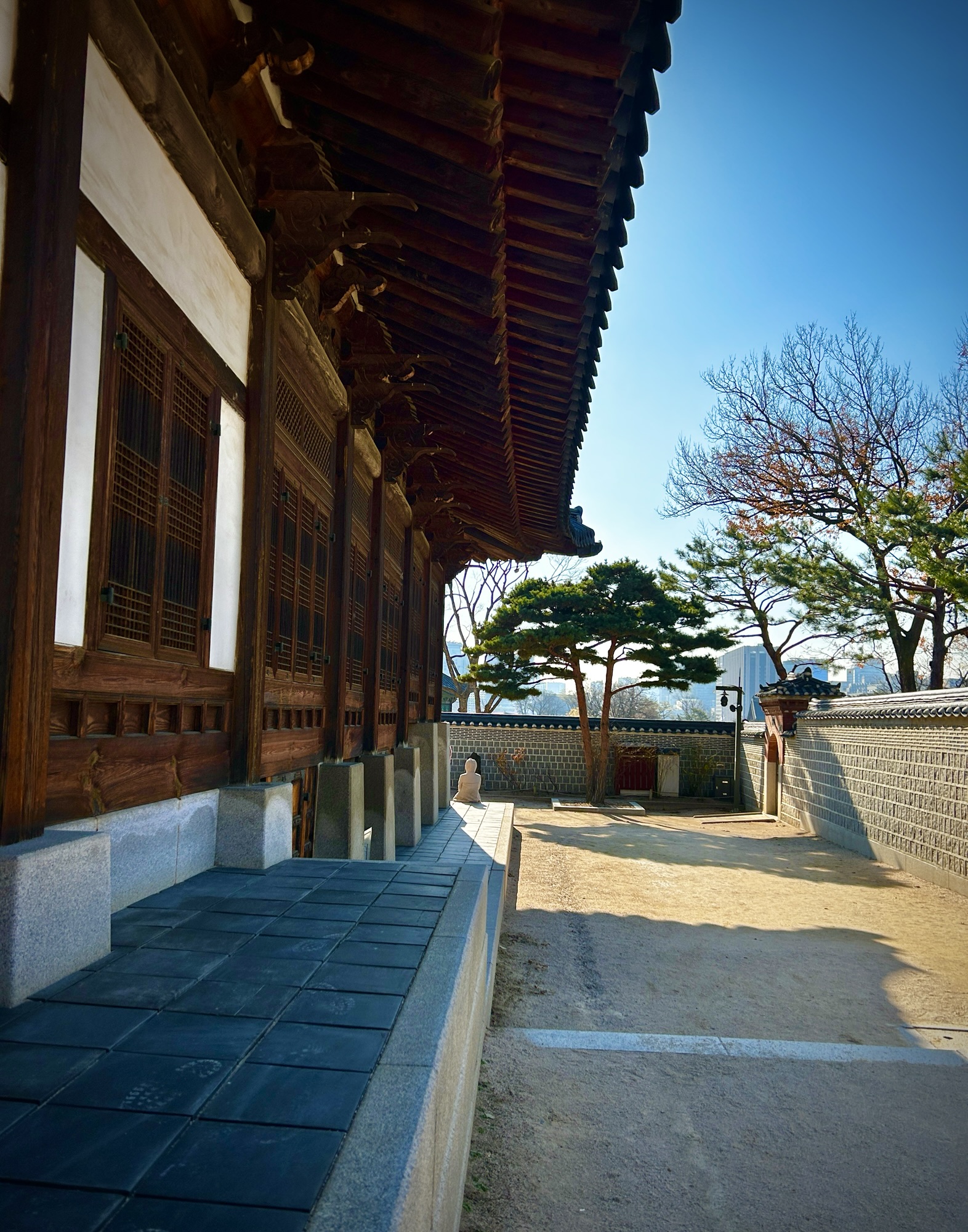
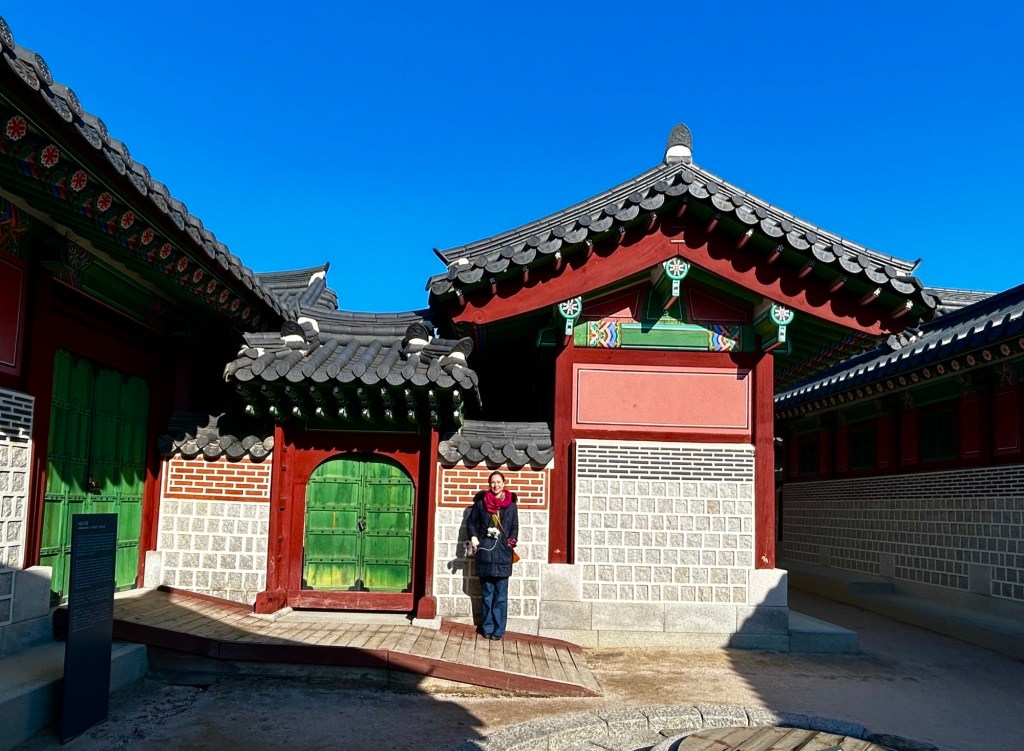
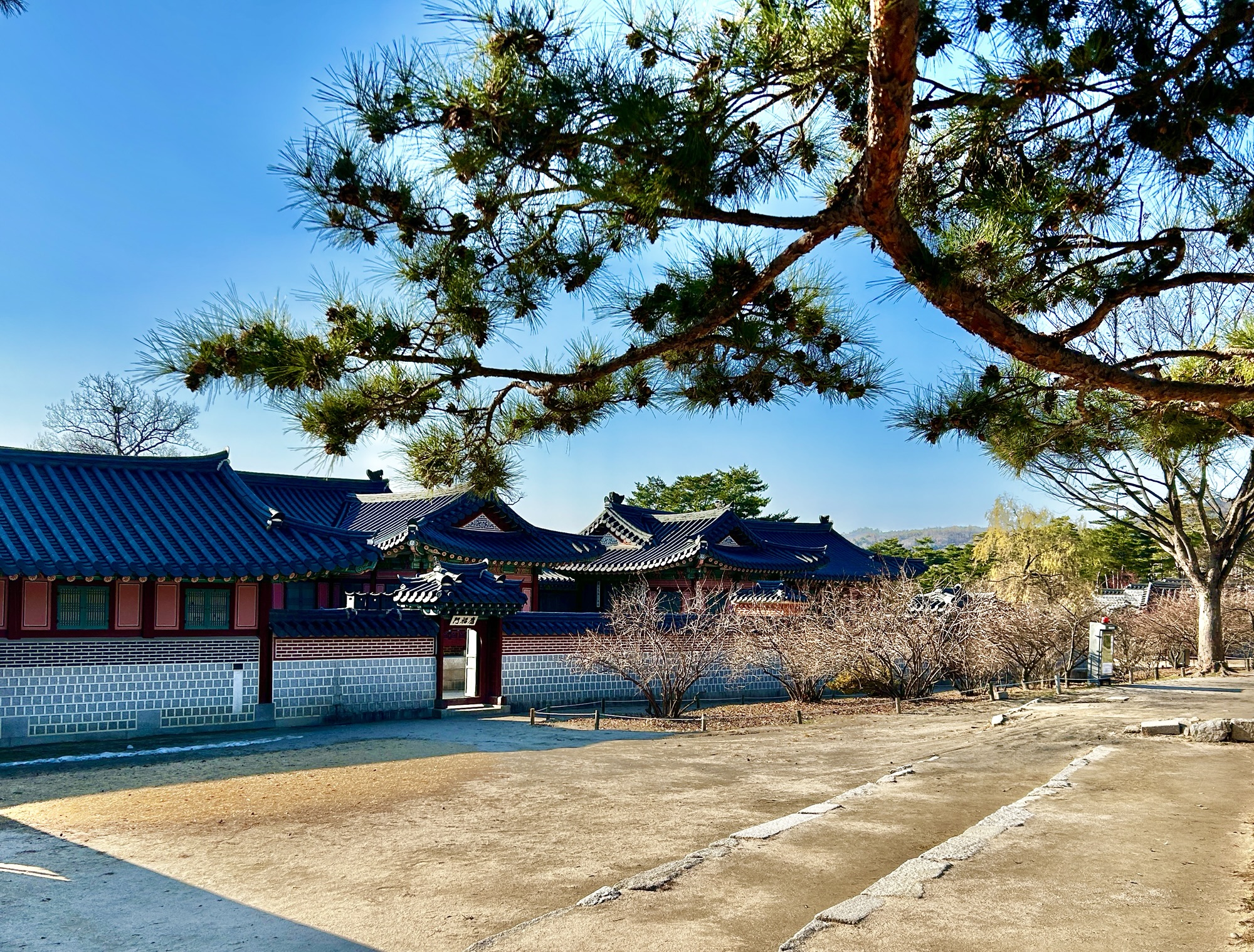
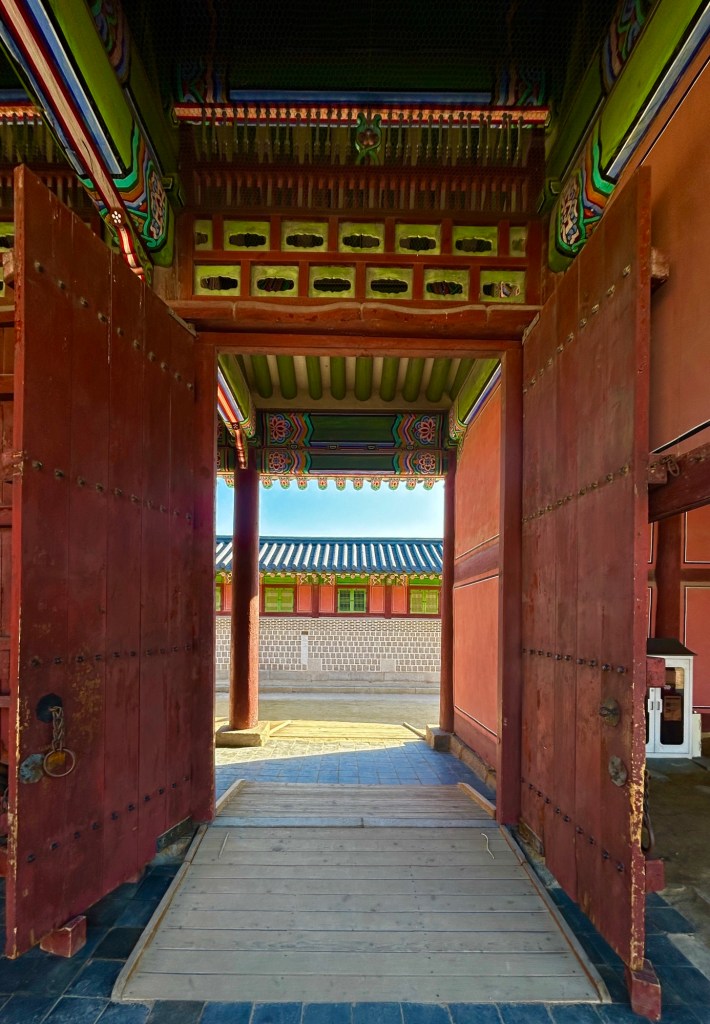
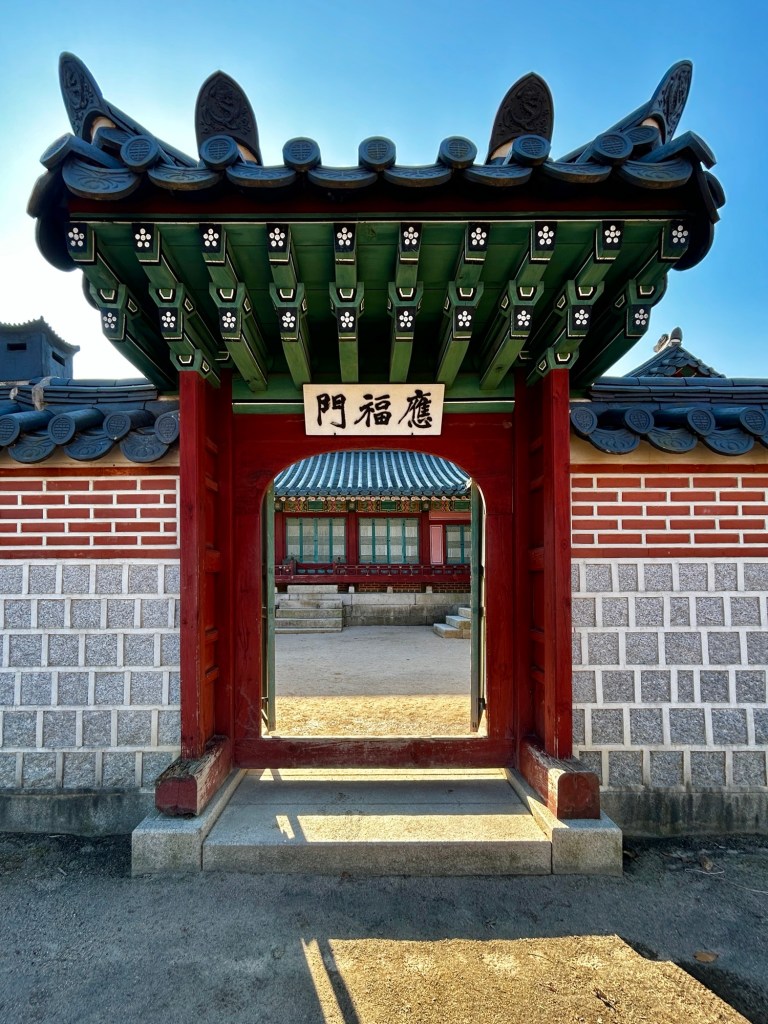
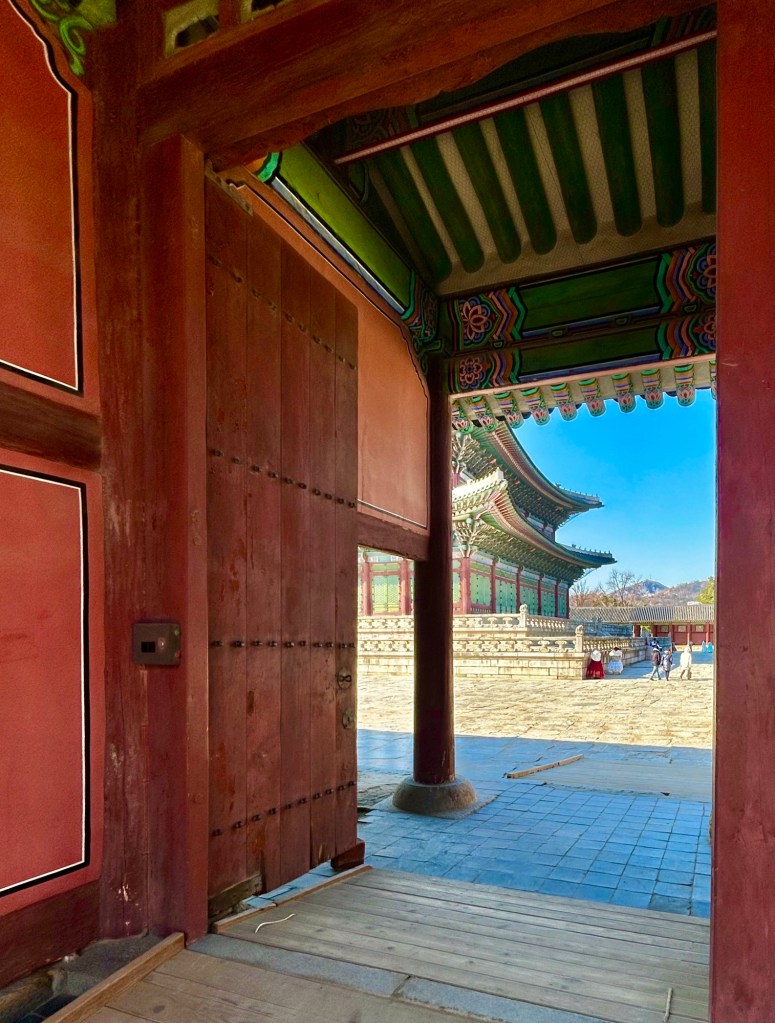
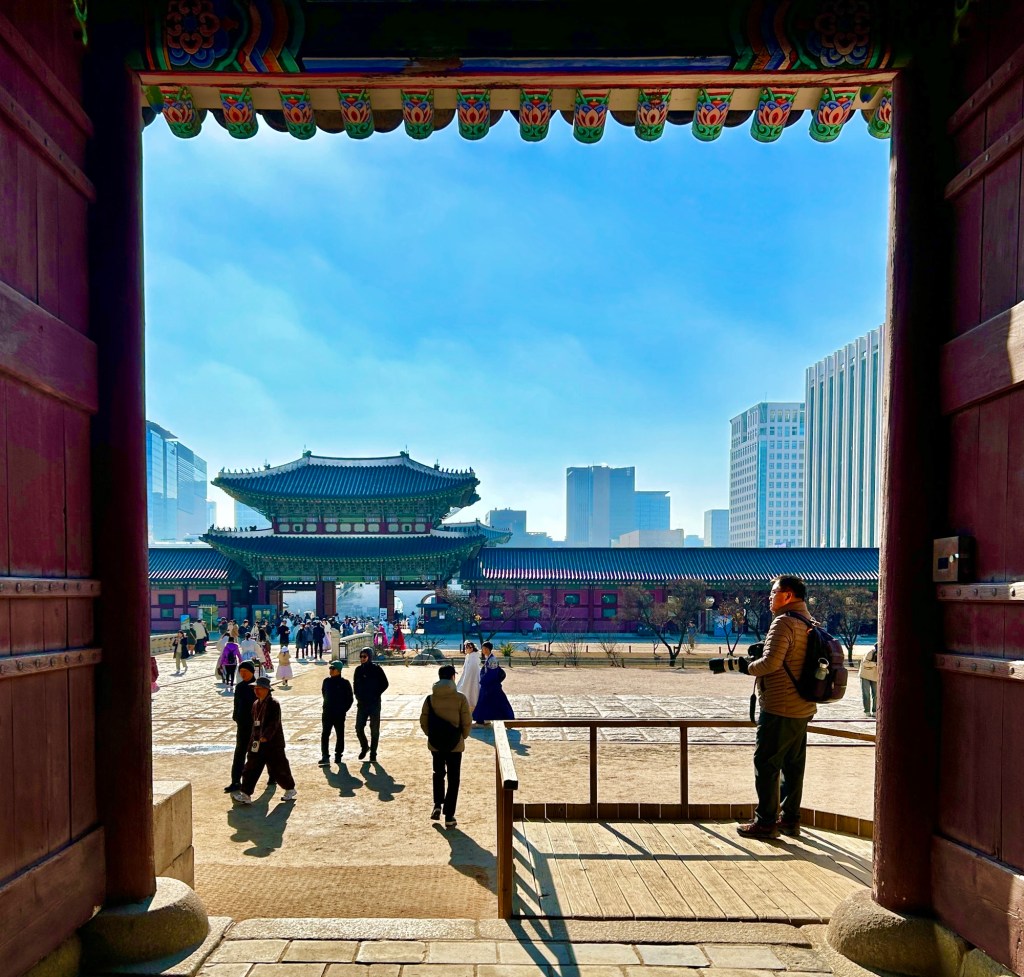
The Gyeongbokgung Palace is a palace of the Joseon dynasty, established in 1395 The name “Gyeongbok” means that “the new dynasty shall have good fortunes and prosper.” Gyeongbokgung Palace was destroyed during the Japanese invasion in 1592, not restored until 1867. In 1910, a treaty between Korea and Japan led to the systematic destruction of the palace, in order to host the Joseon Industrial Exhibition in 1915. Another palace restoration project began in the 1990s, and areas around Heungnyemun Gate, the royal living quarters, Geoncheonggung Palace, Taewonjeon Hall, and Gwanghwamun Gate were restored again.
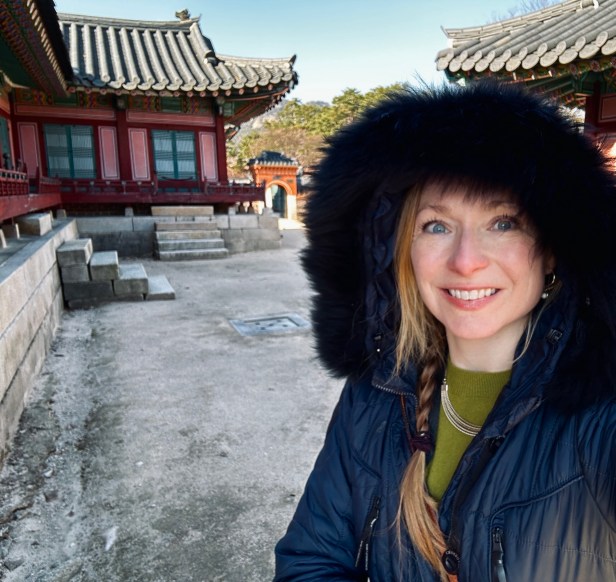
Something really fun about visiting the palace is that visitors are encouraged to wear Hanbok, the traditional clothing of Korea, by giving free admission to the palace as well as the other four Seoul palaces, Changdeokgung, Deoksugung, Changgyeonggung, and Gyeonghuigung if you do so. There are many places to rent the clothing, and I saw so many people dressed up in Hanbok. It was, however, incredibly cold outside, so I chose to stick to my regular clothing. But its on my to do list for the next time I’m there.
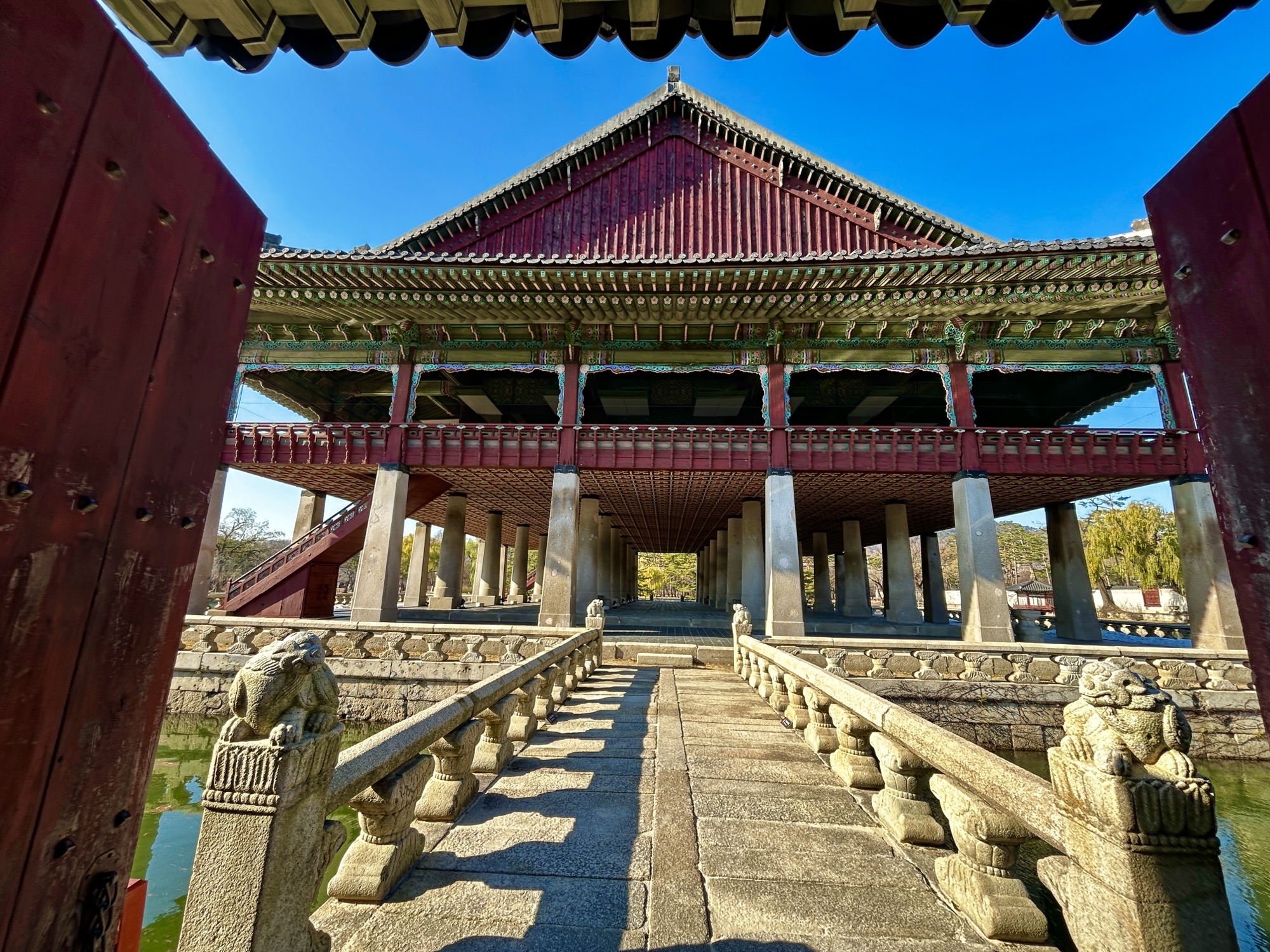
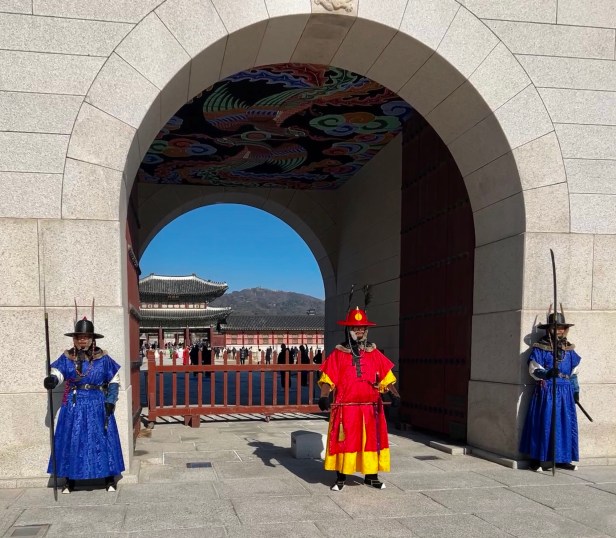

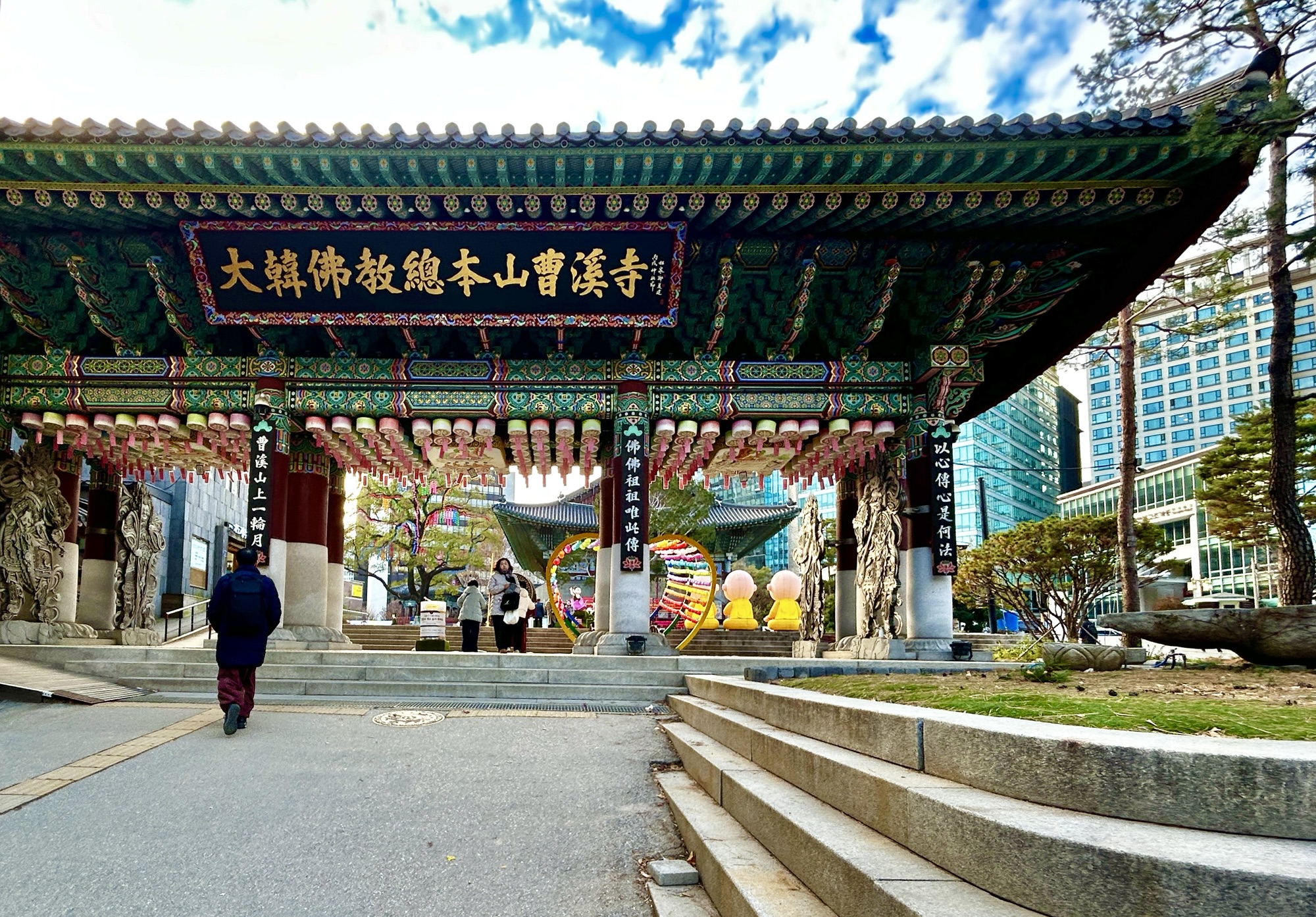
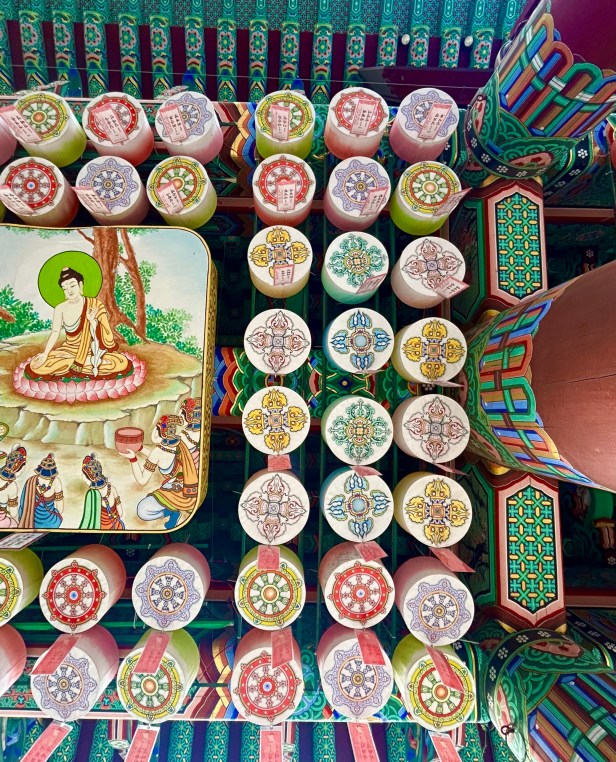
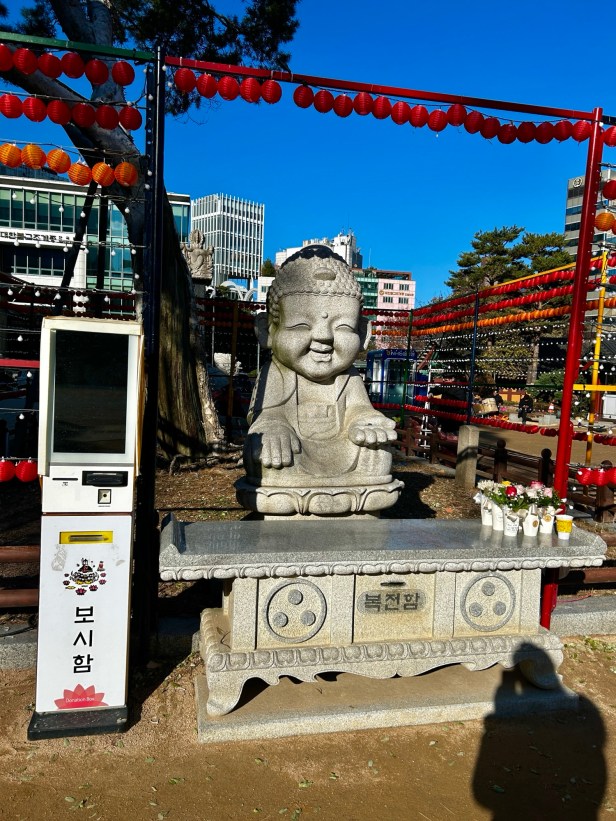
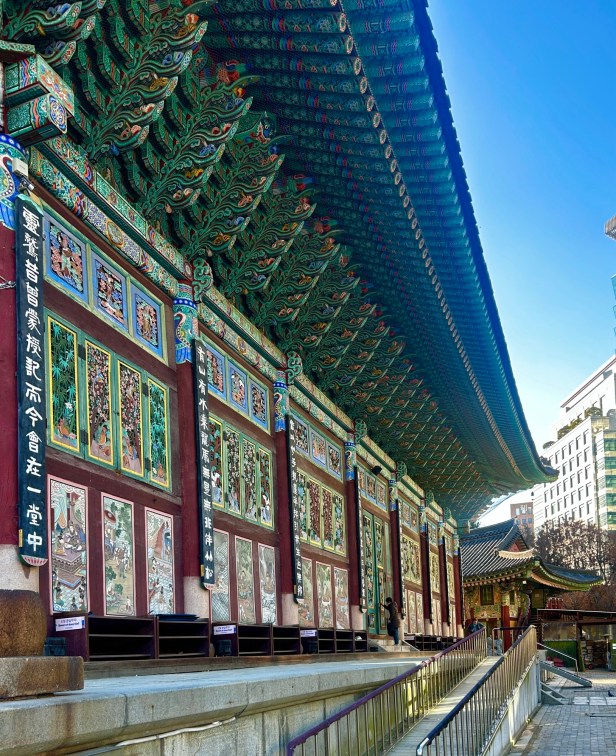
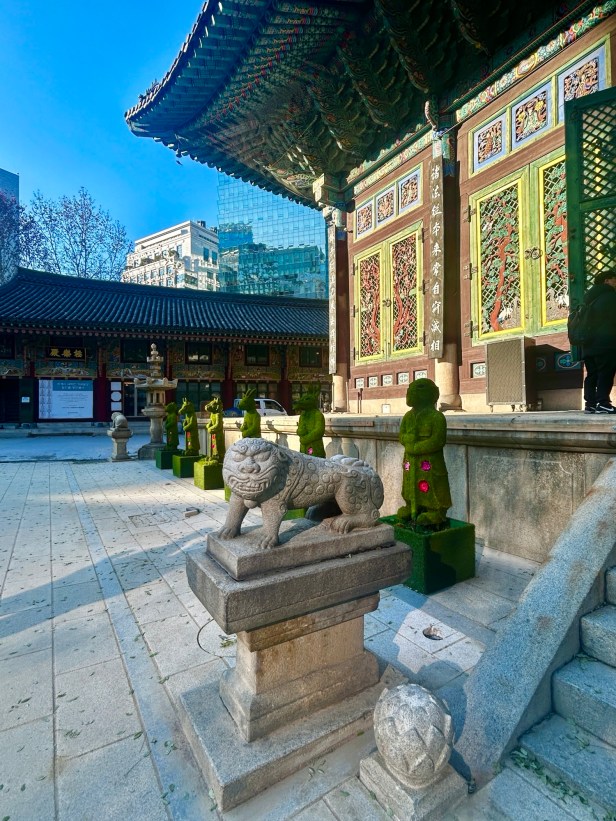
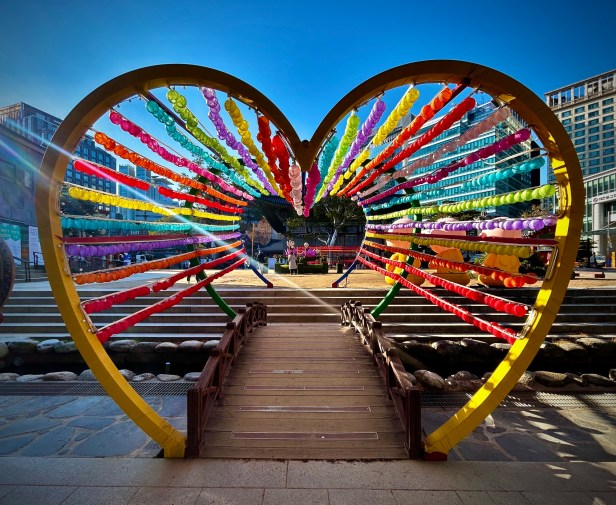
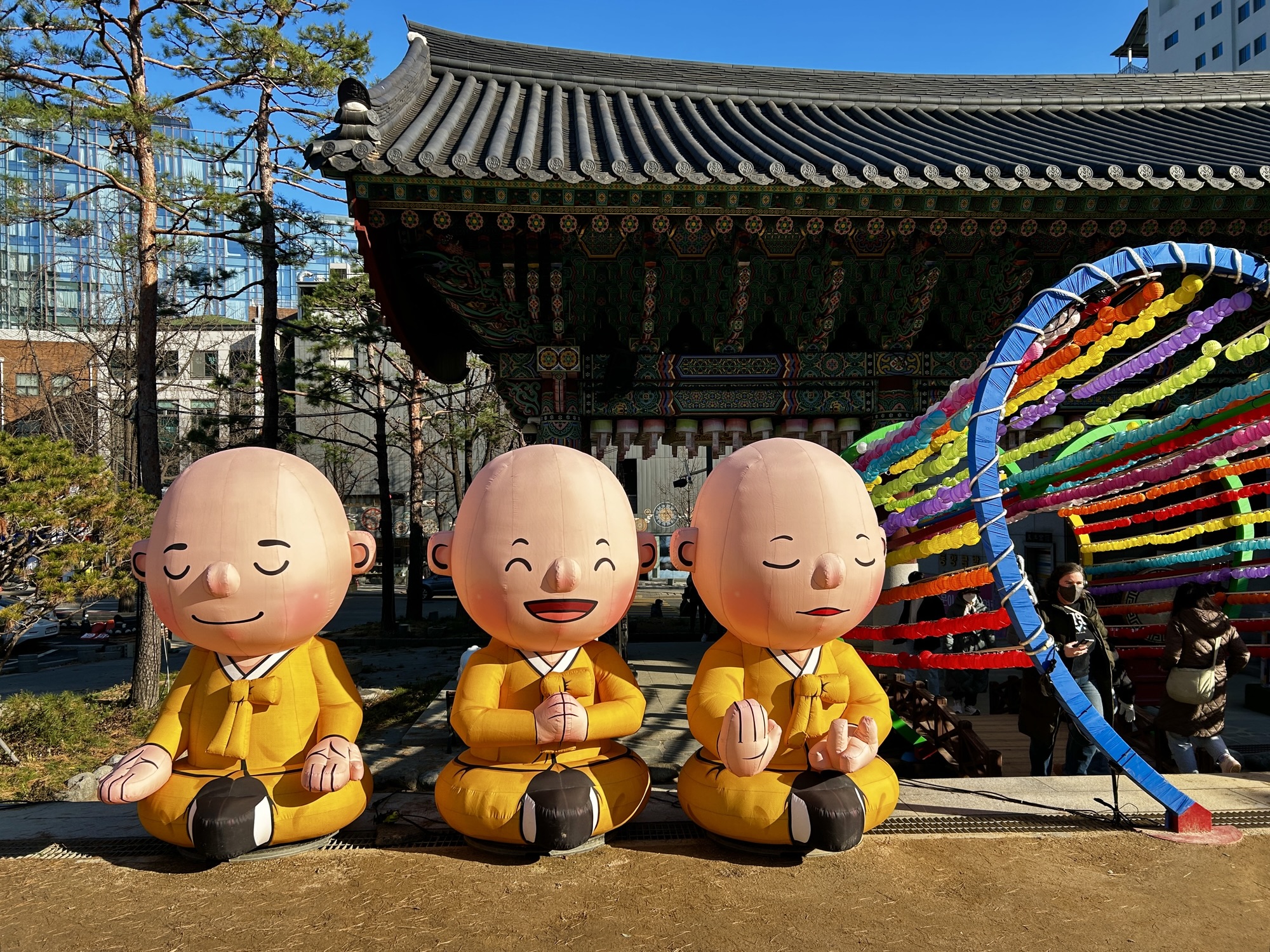
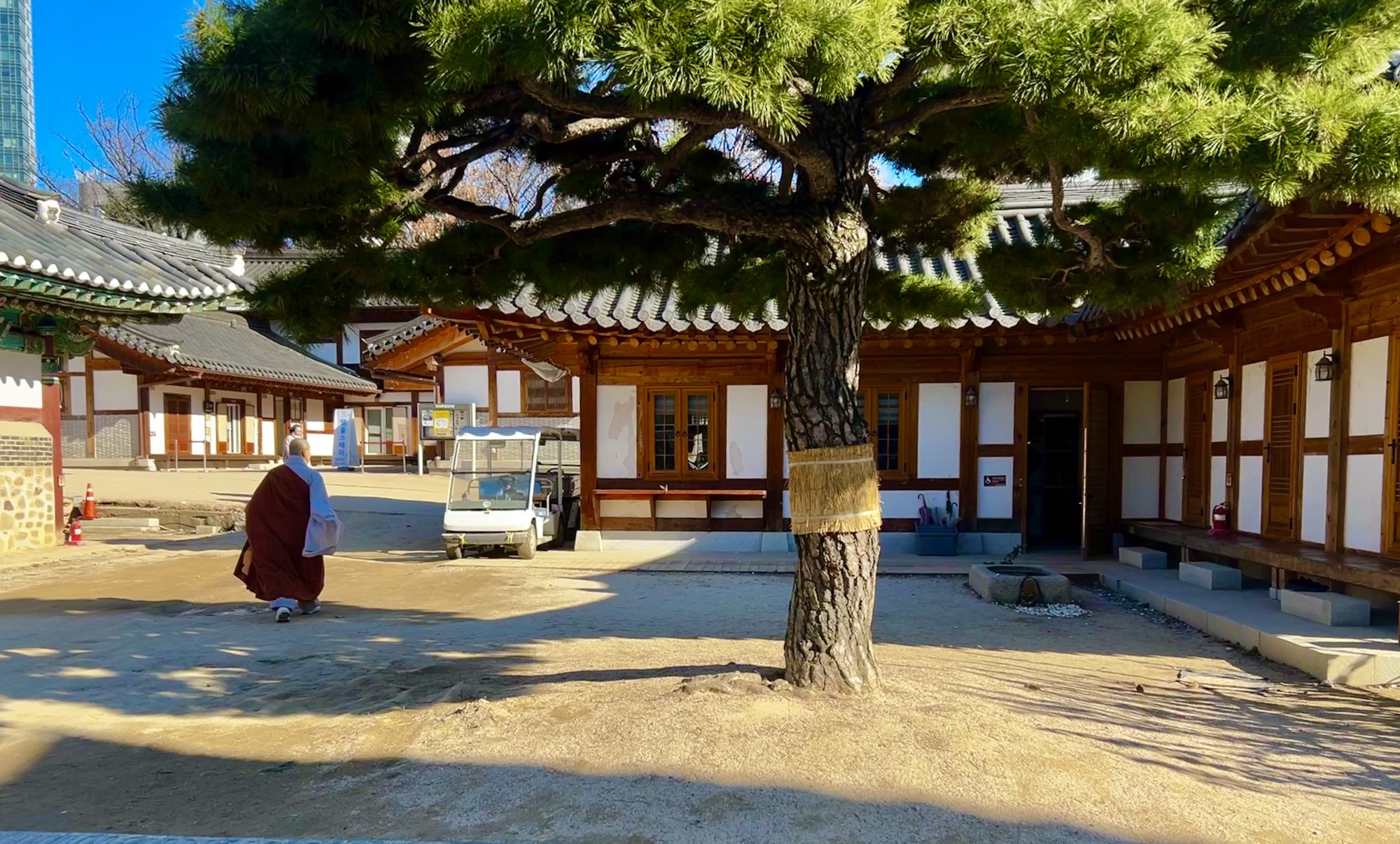
Jogyesa Temple
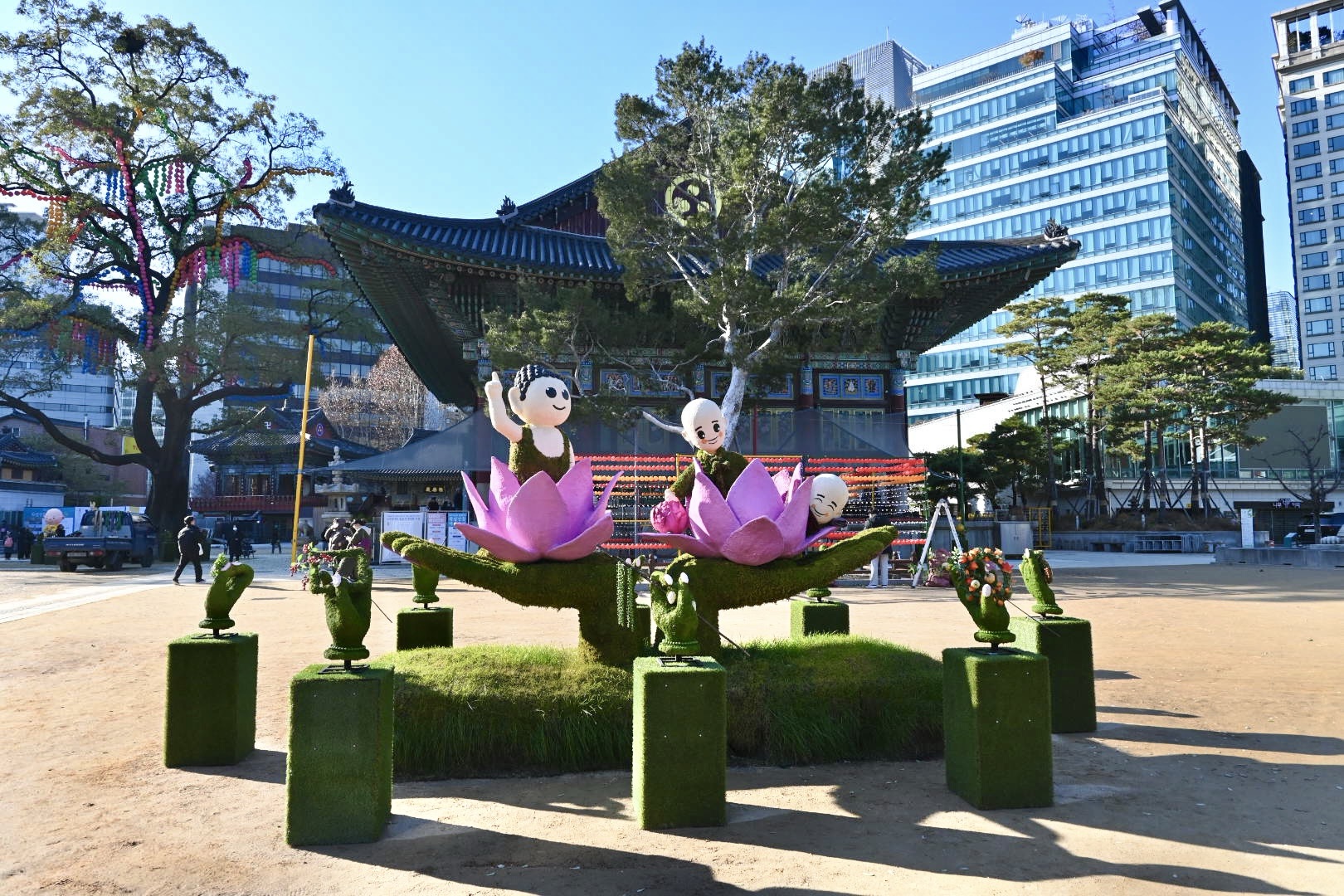
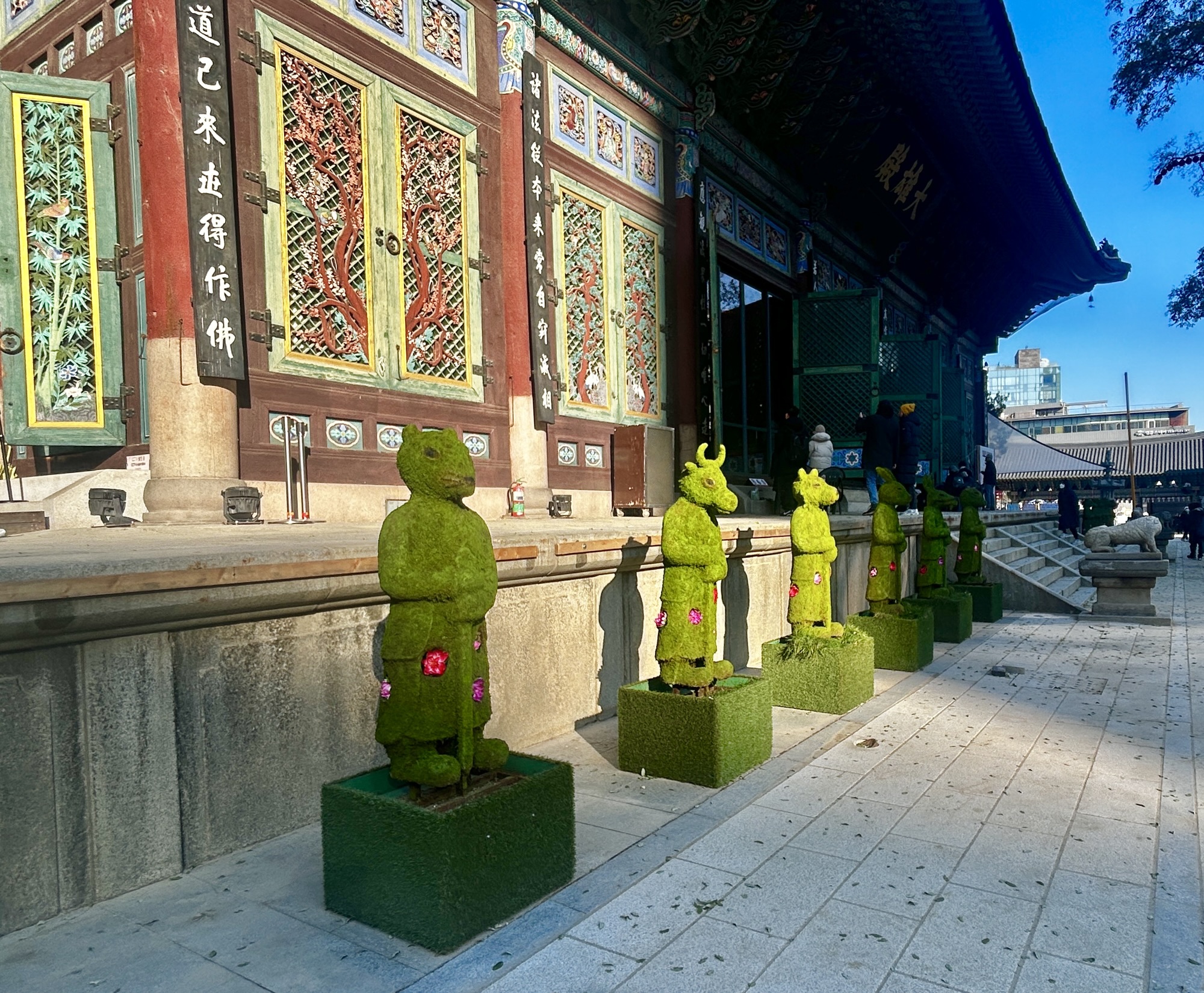
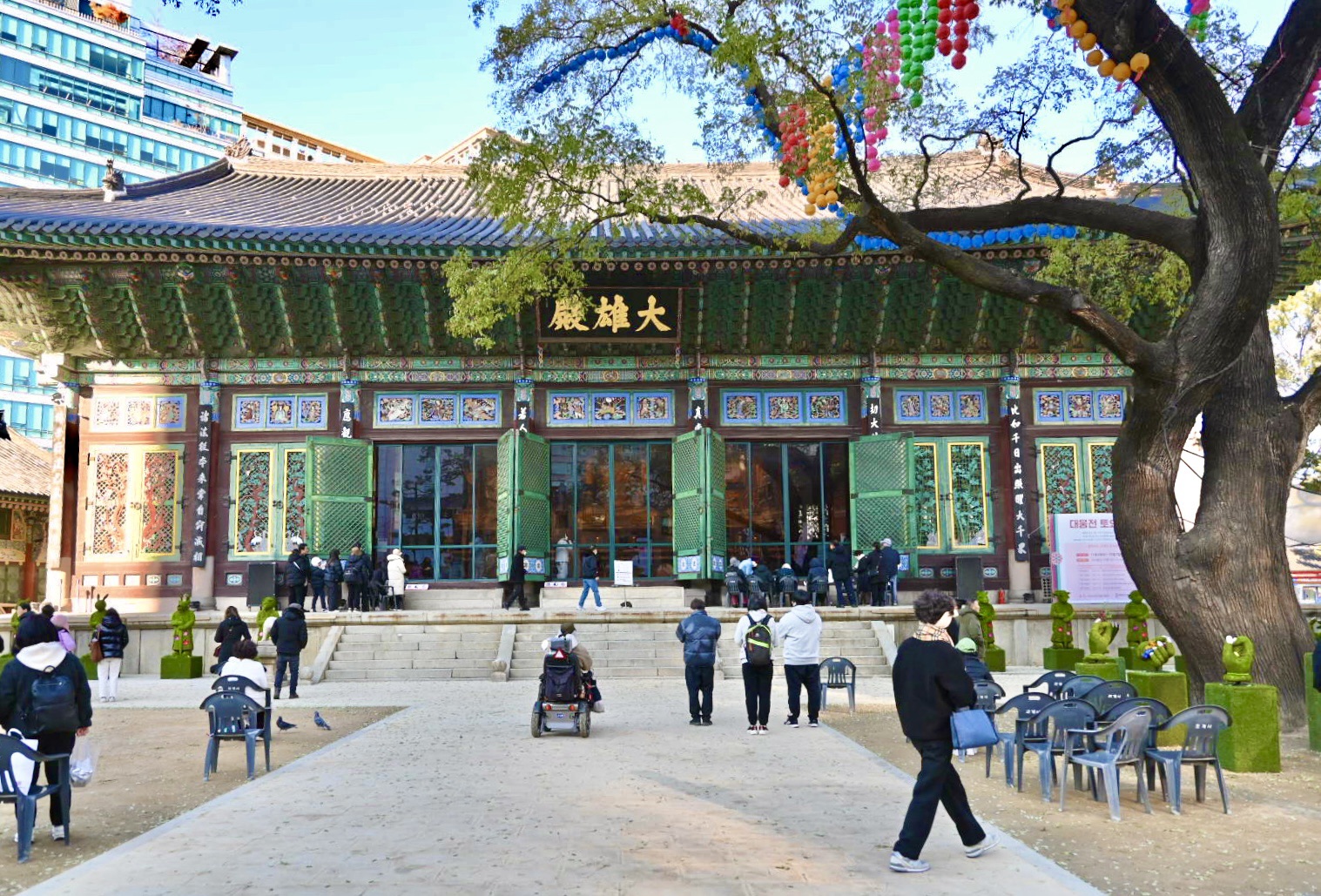
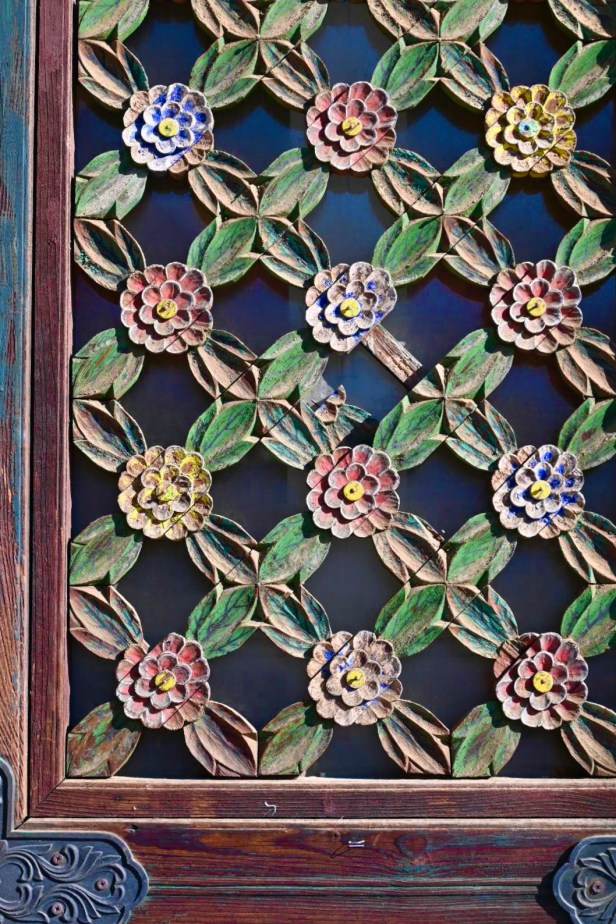
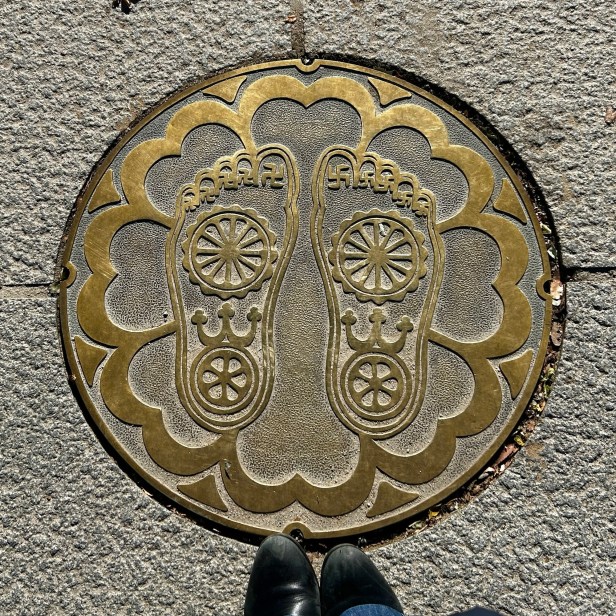
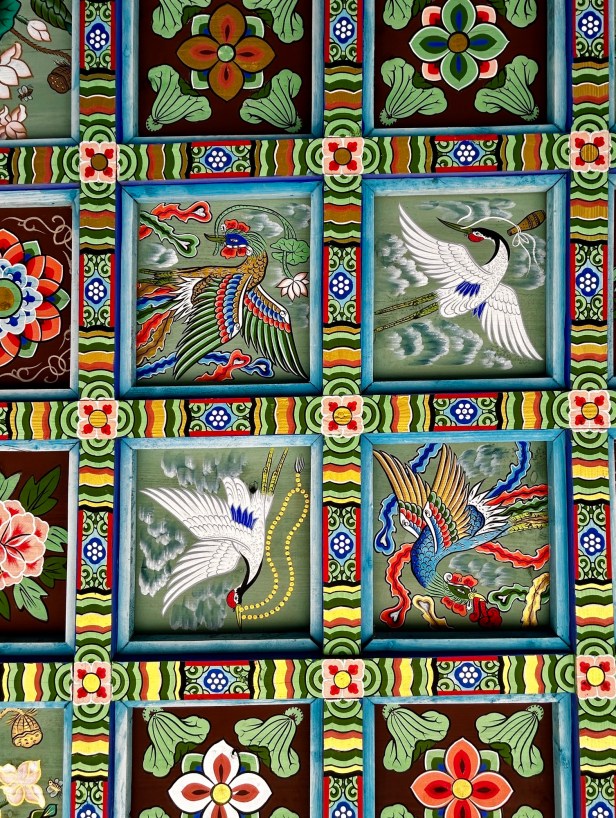
Near to Insa-dong, this temple is huge and extensively decorated. A really nice local man wanted to tell me more about the rituals, such as walking clockwise around a sacred stupa three times as a ritual of devotion. He also talked about Buddhist rituals held at the temple and we lit incense. His thoughtfulness really stayed with me throughout my time in Korea.

Bukchon Hanok Village
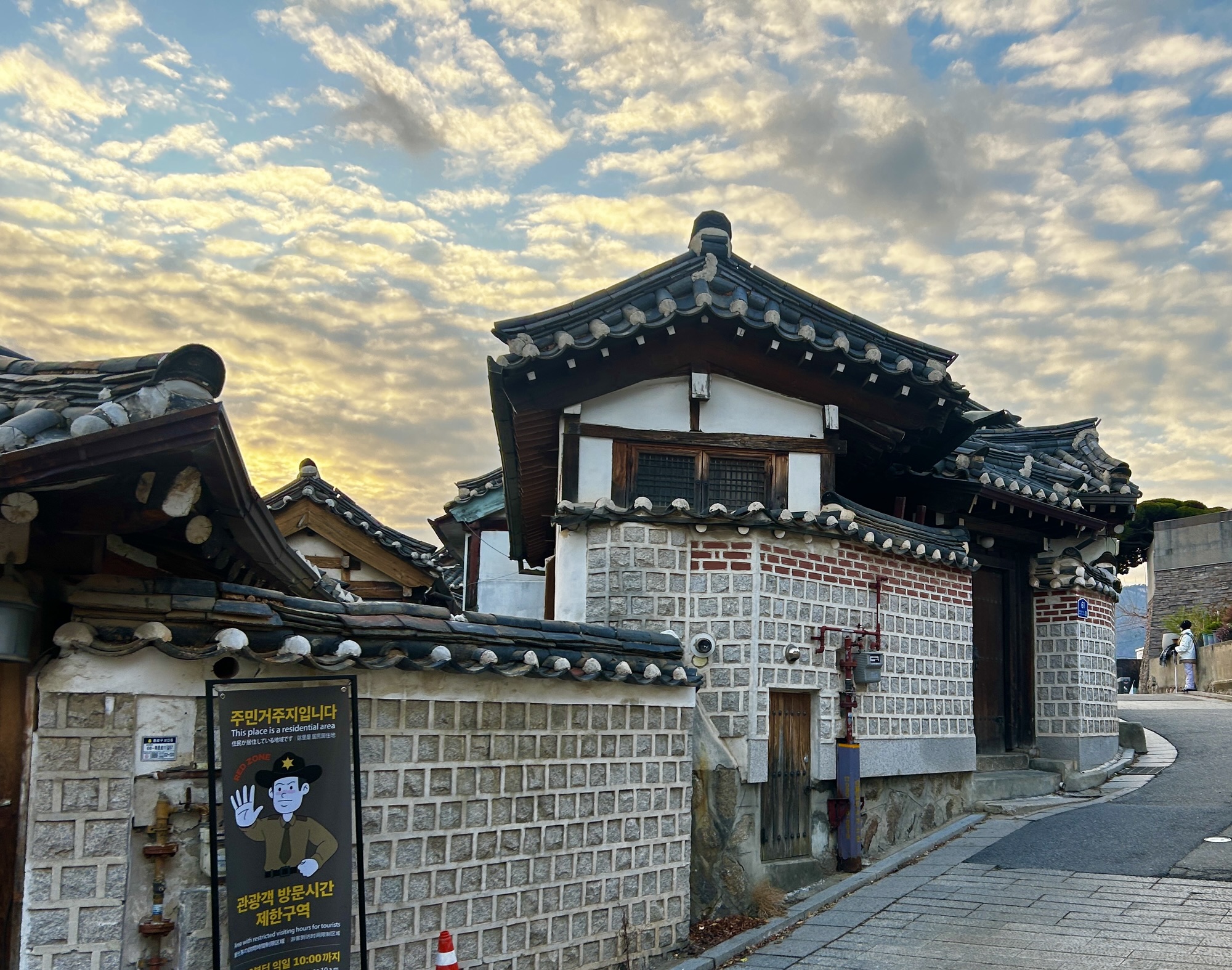
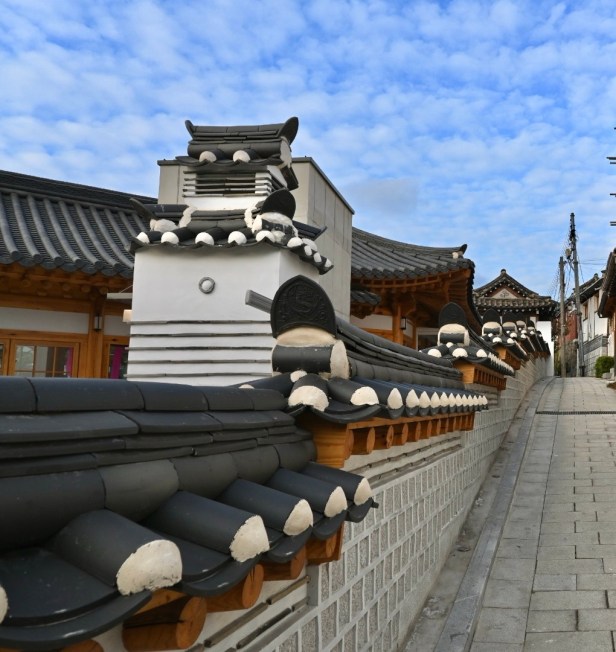
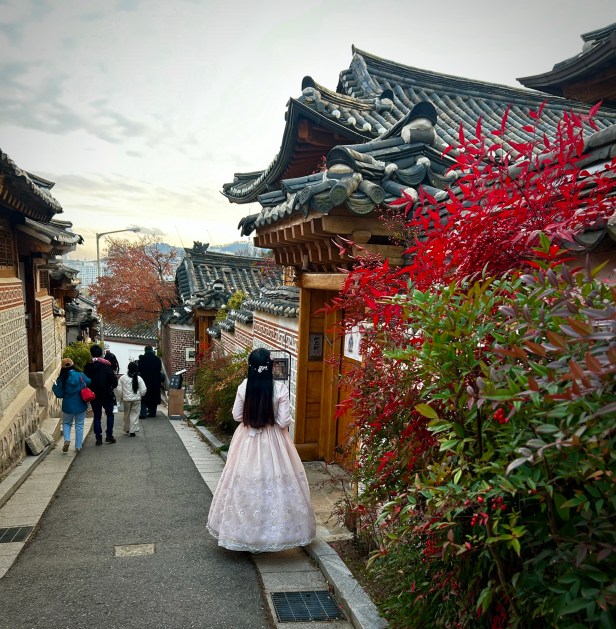
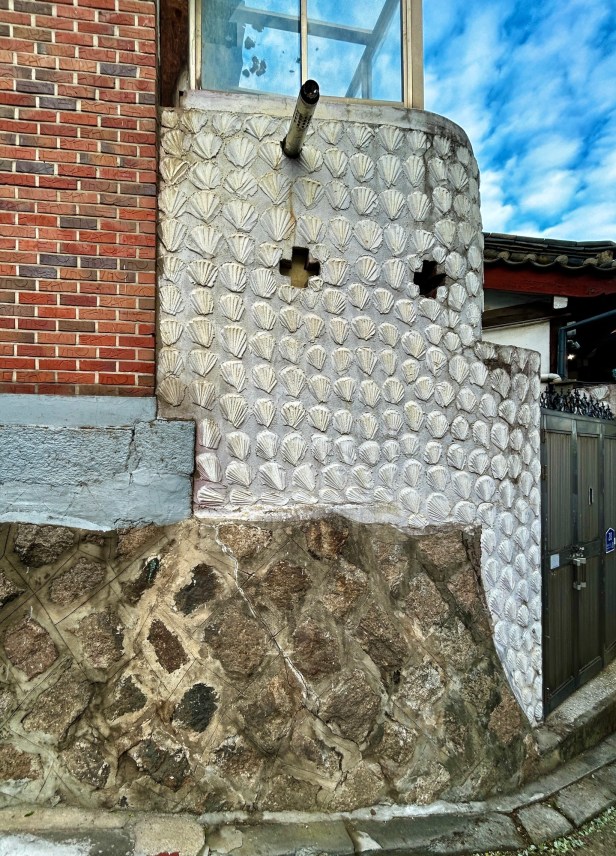
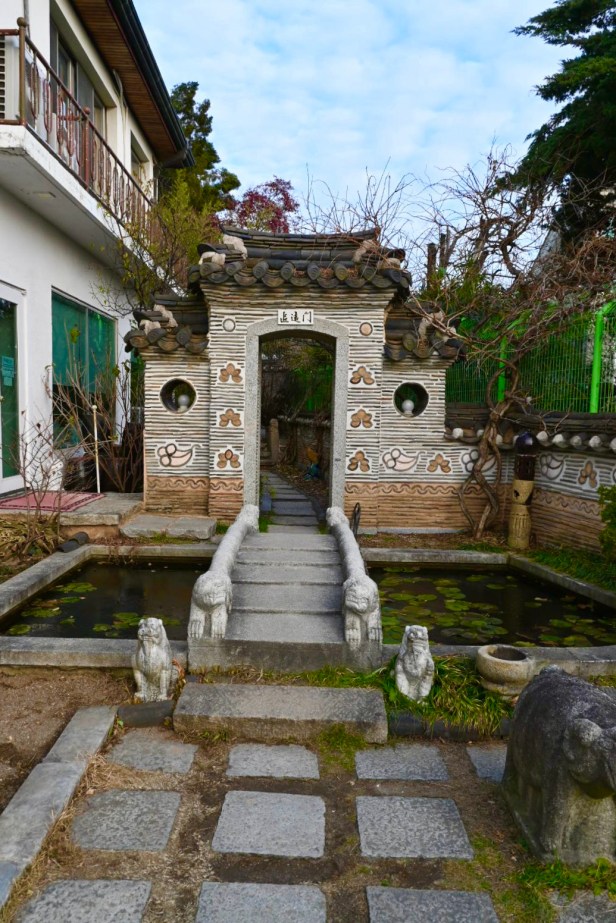
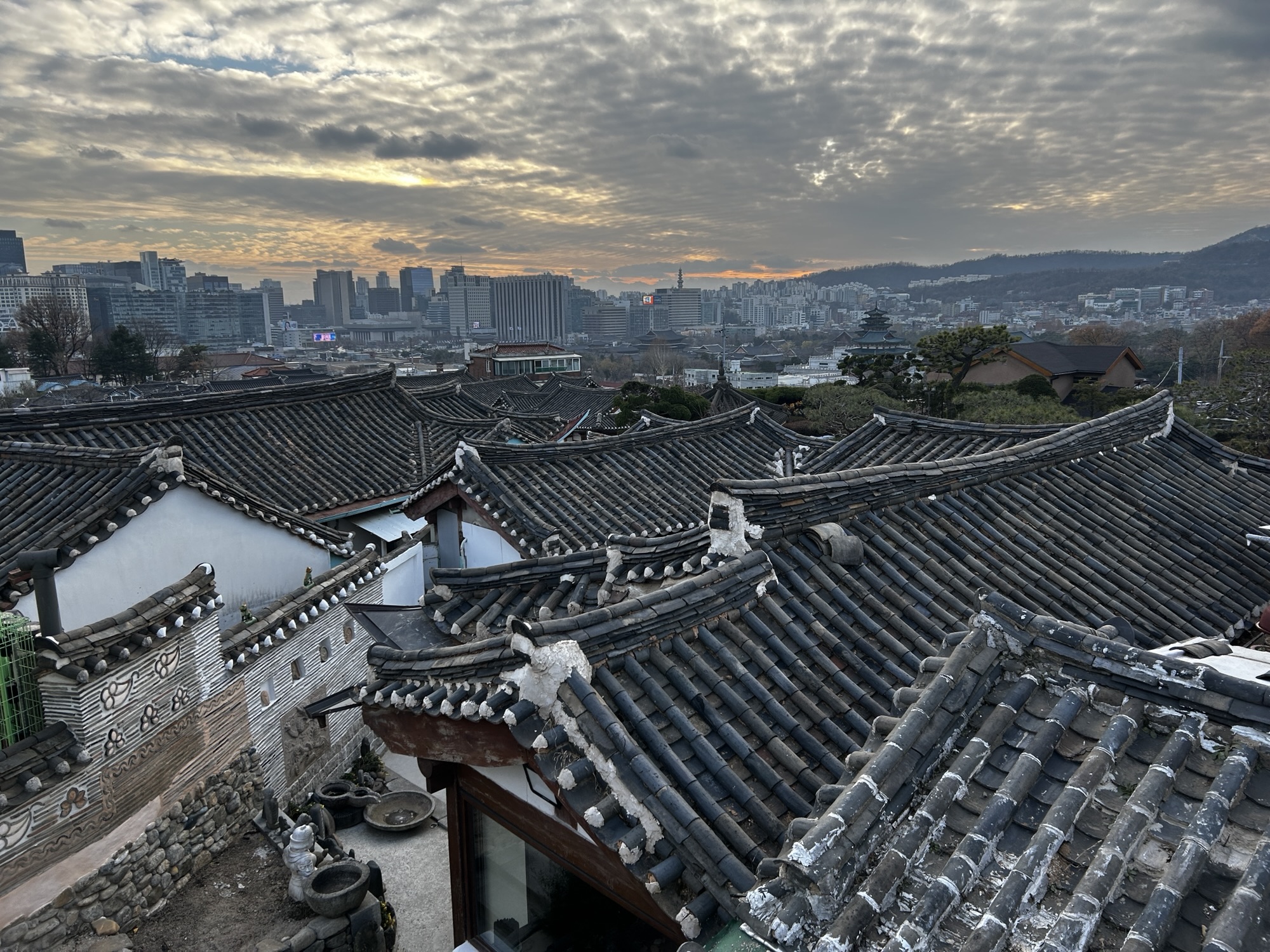
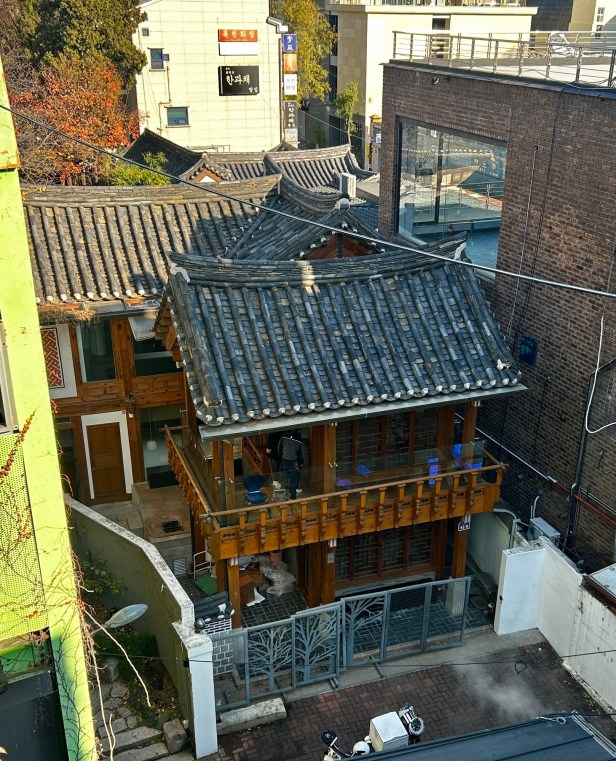
Nearby Gyeongbokgung Palace, this neighborhood is home to hundreds of traditional houses, called hanok, and people, locals and tourists, come to see the area and take photos. I saw a lot of visitors wearing Hanbok here, too.


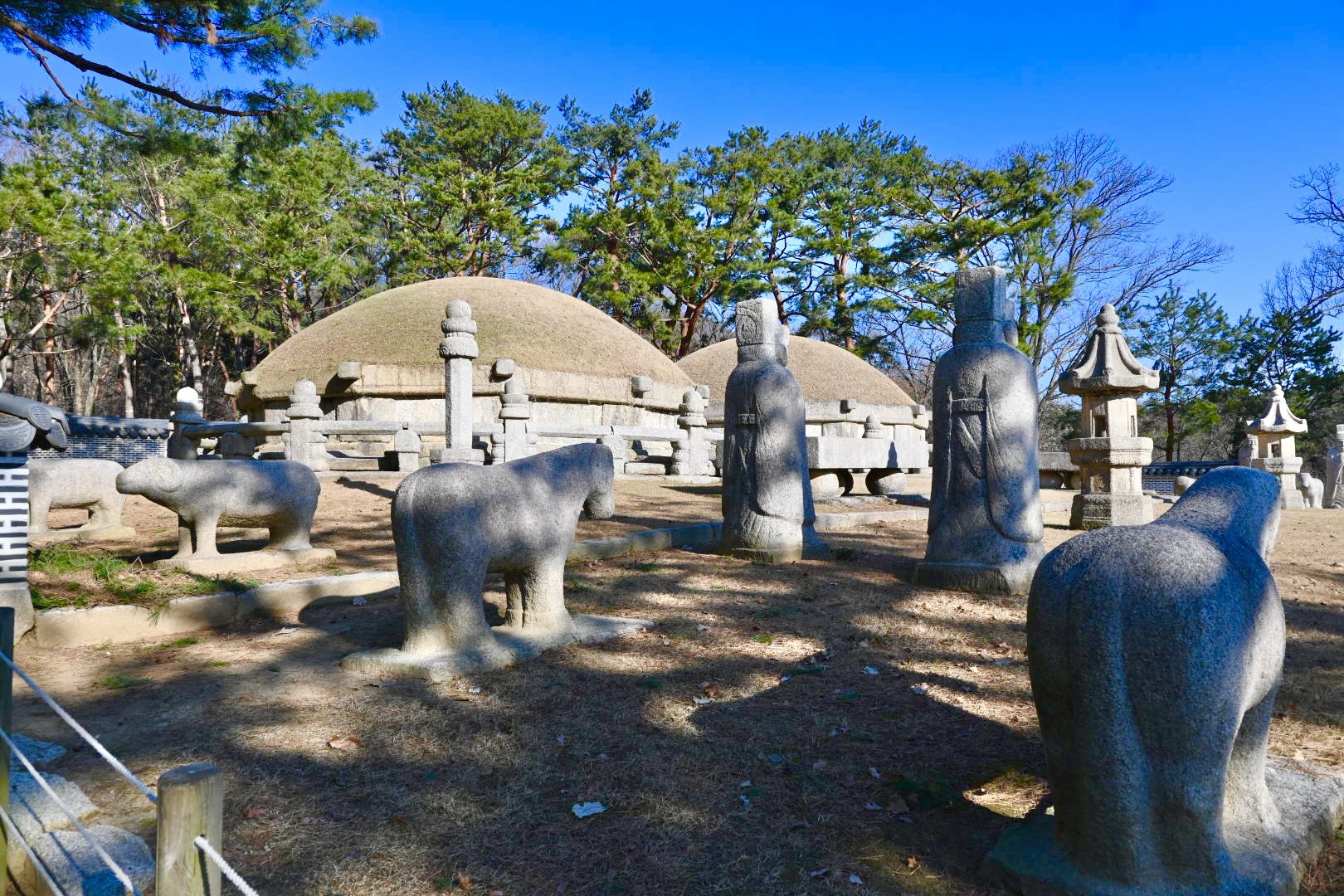
Heolleung and Illeung Royal Tombs
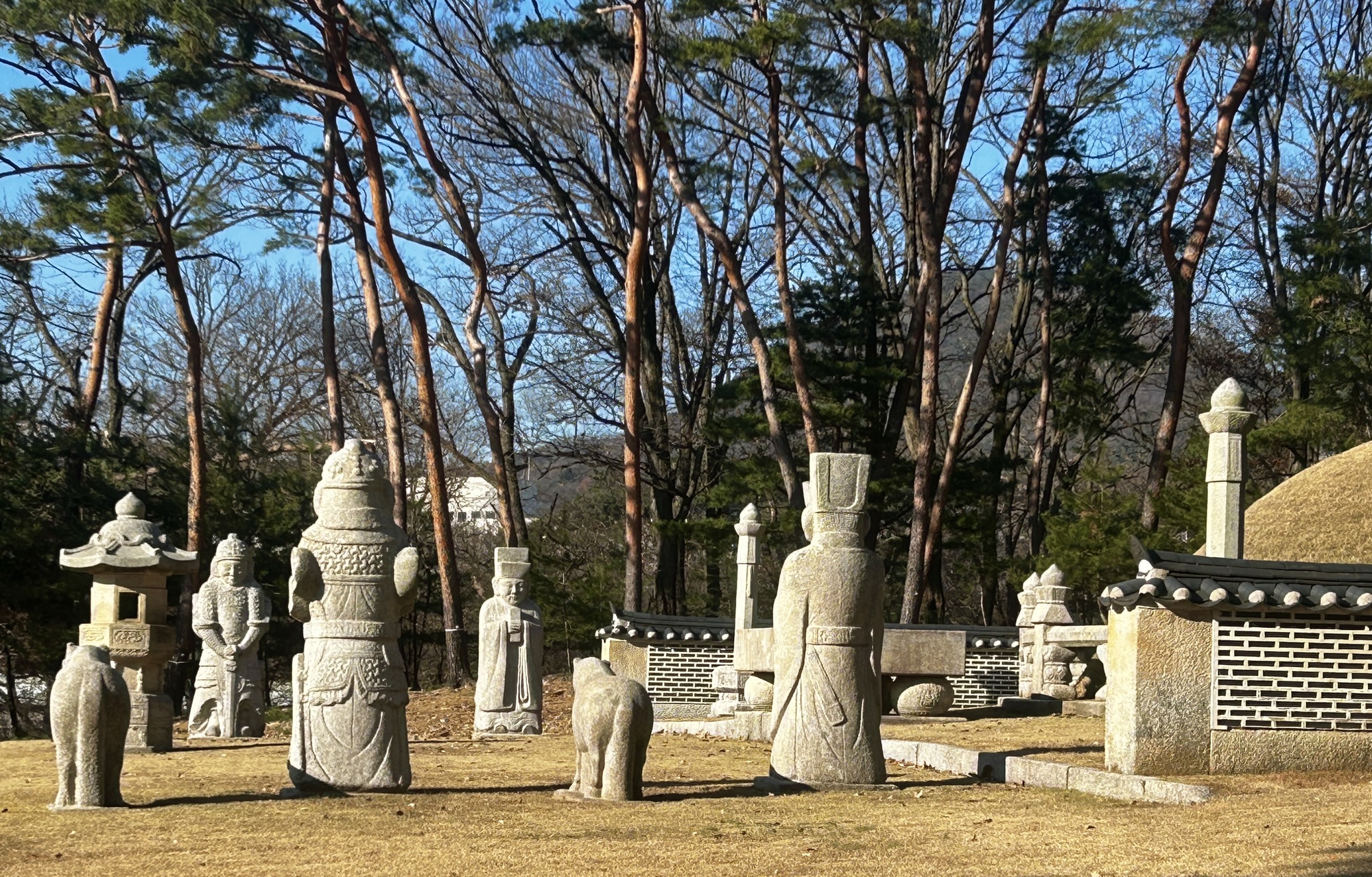
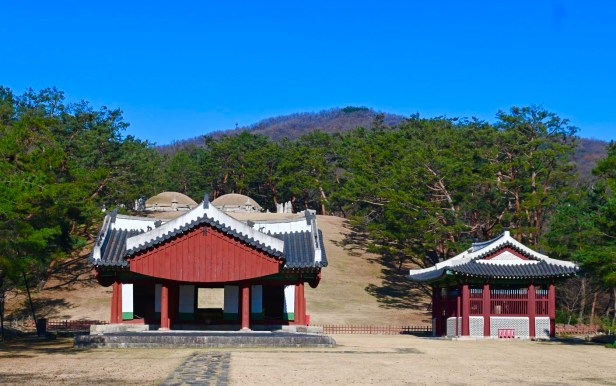
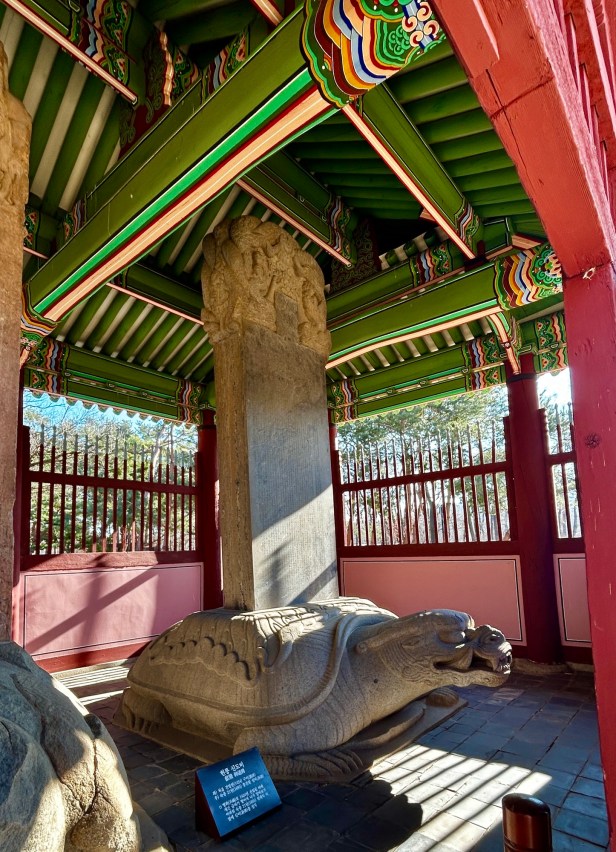
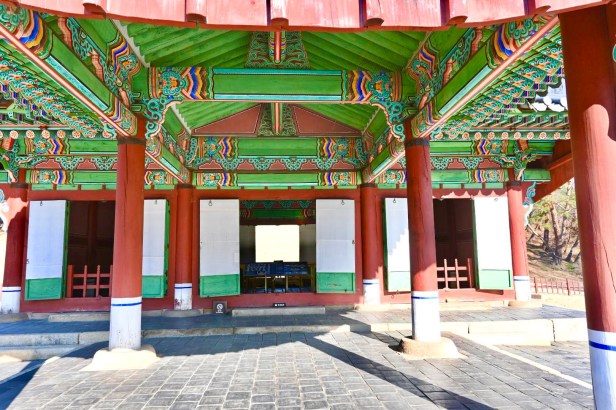
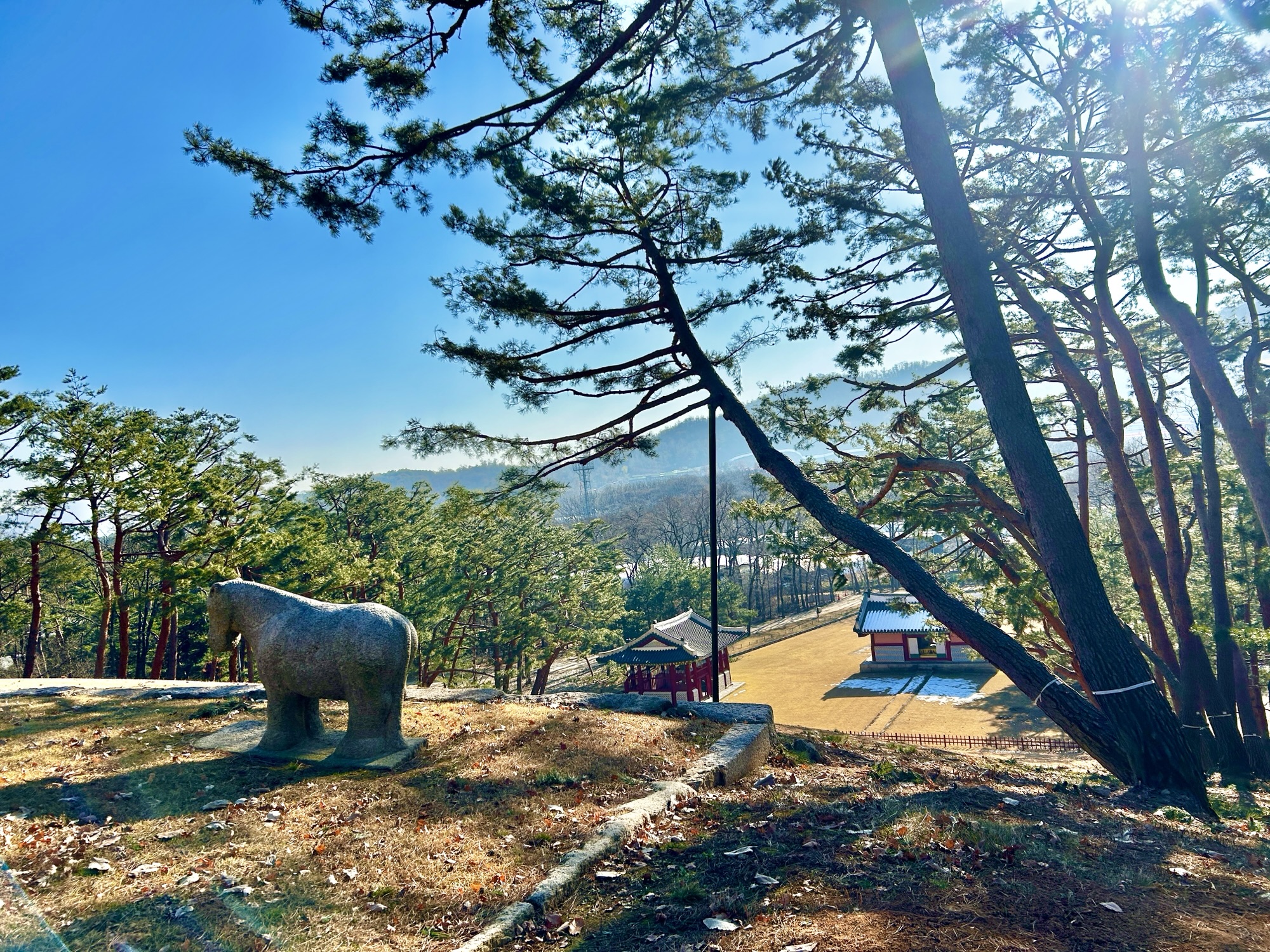
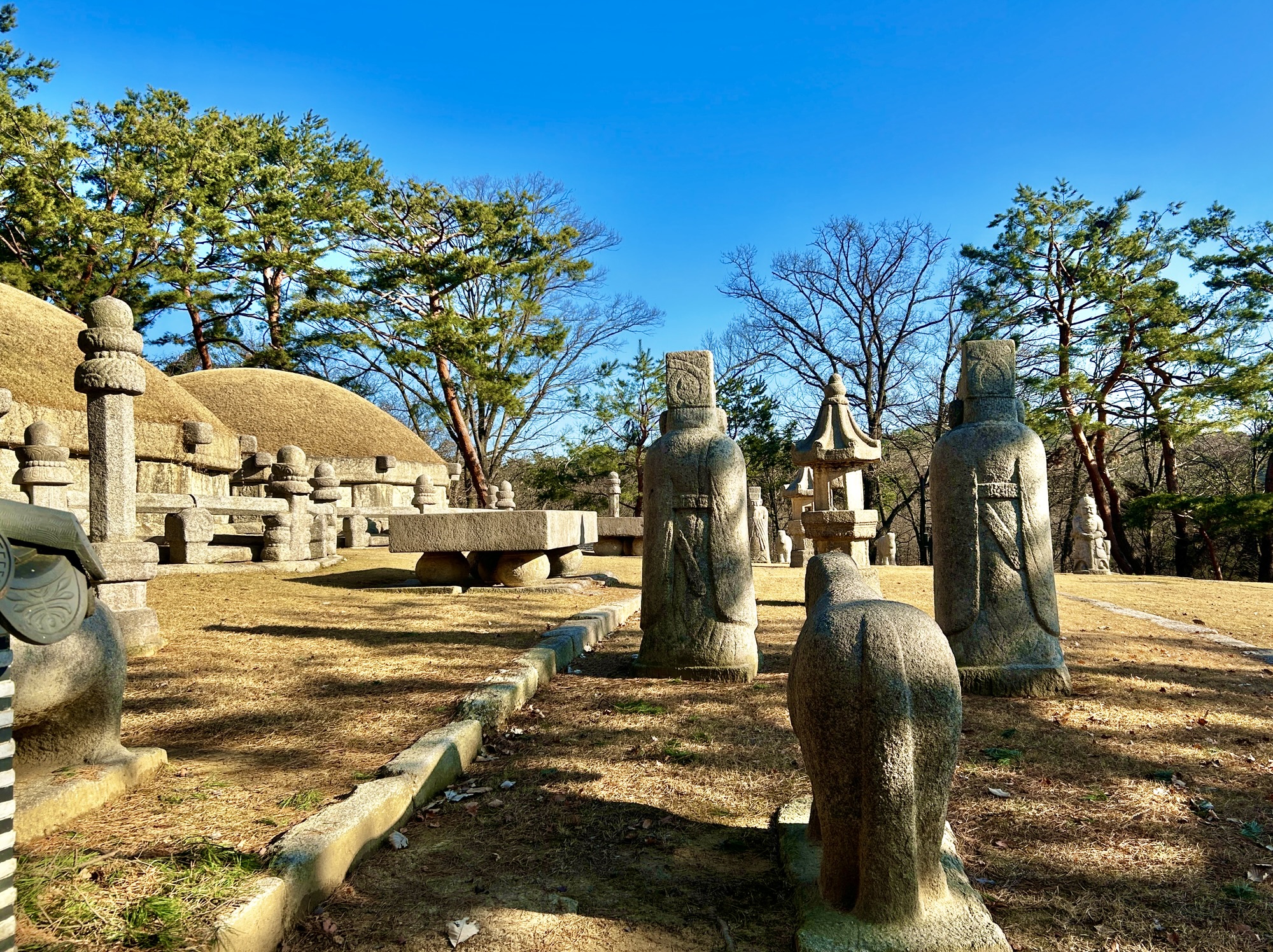
A Unesco World Heritage site, Heolleung and Illeung Royal Tombs house burial mounds for two kings of the Joseon dynasty and their wives. It was a quiet spot, and the stone statues made it feel like I was in an enormous game of chess. I took a train there, and it was pretty easy.
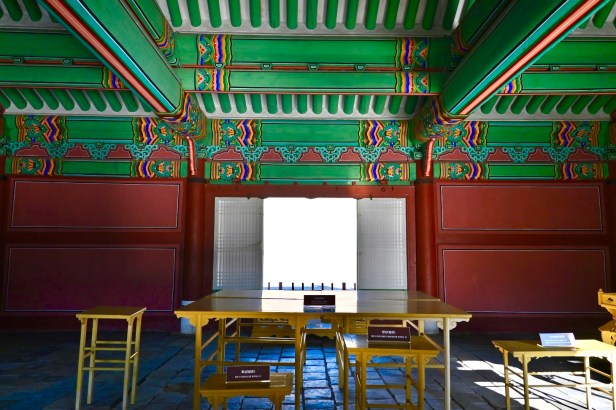
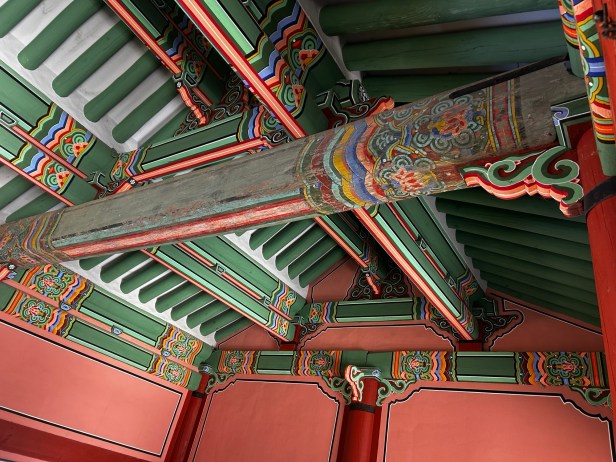
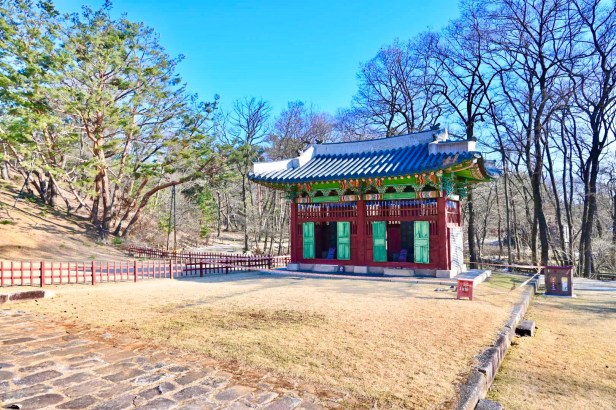
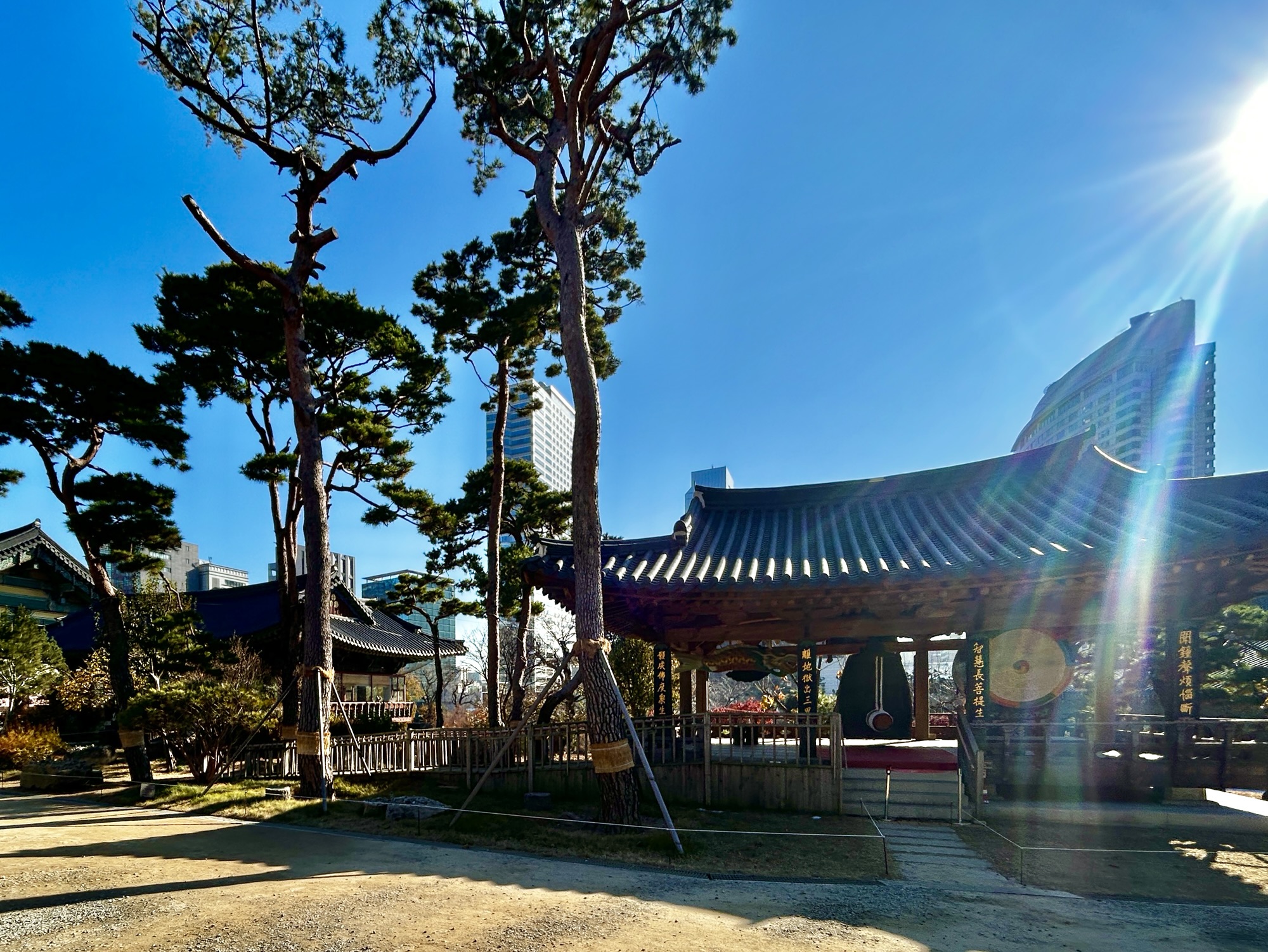
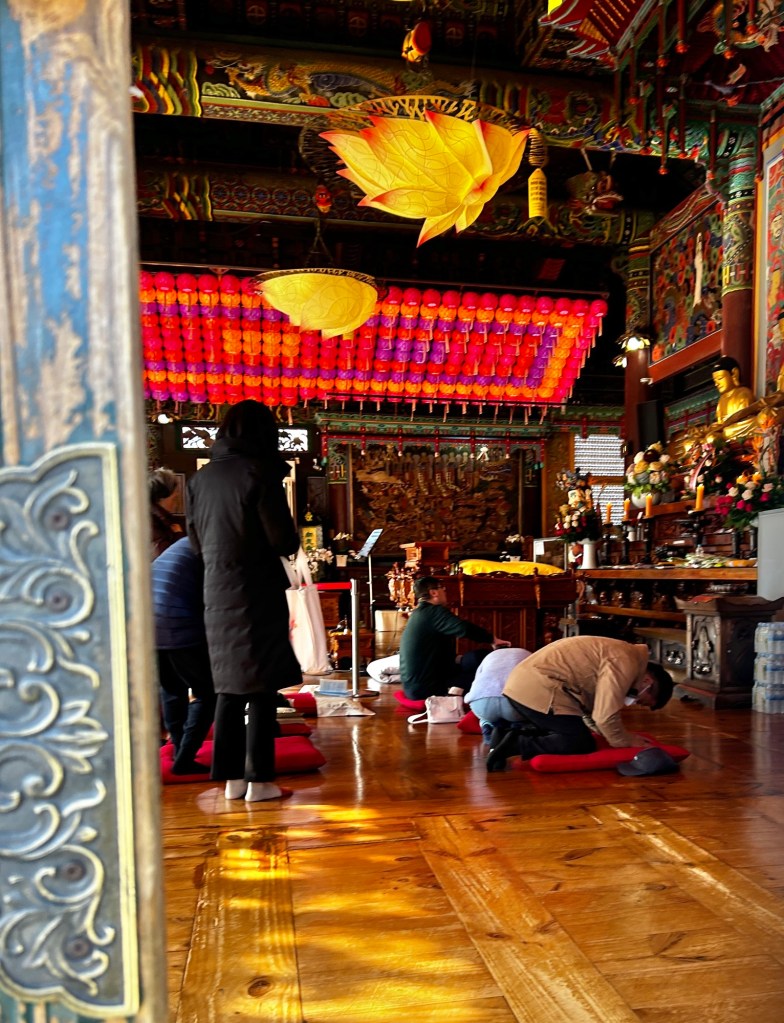
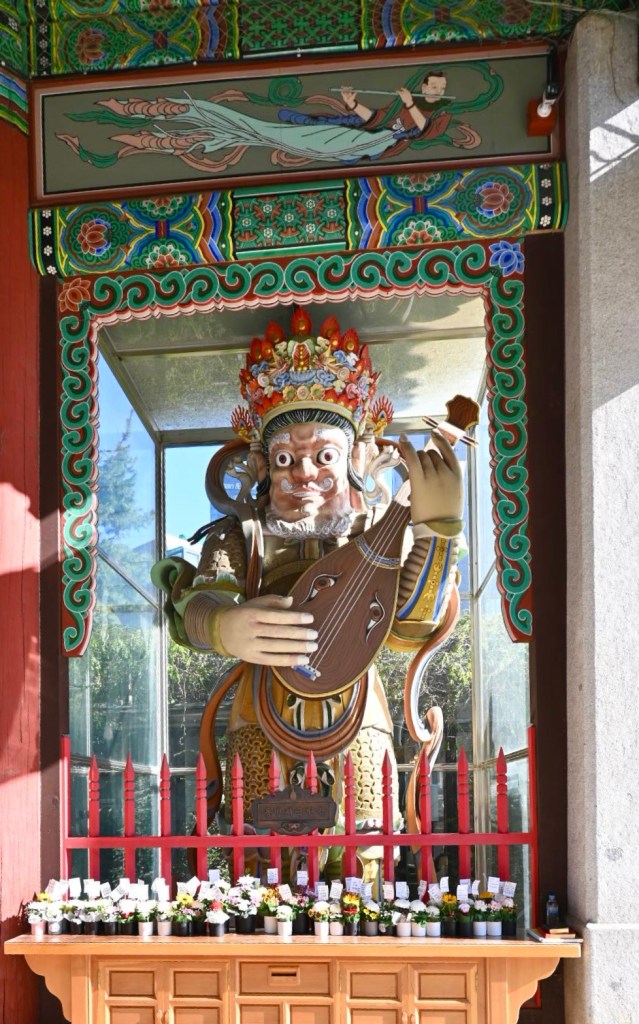
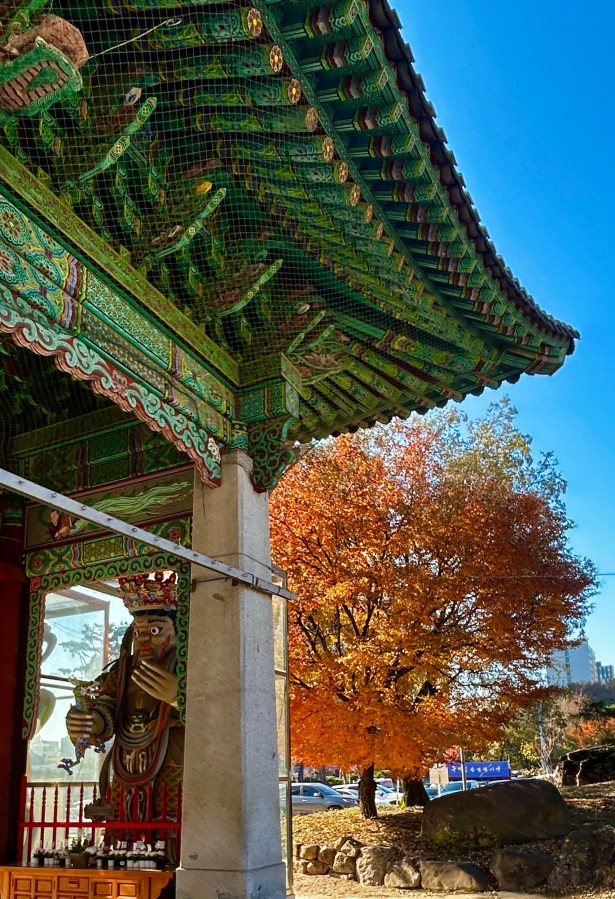
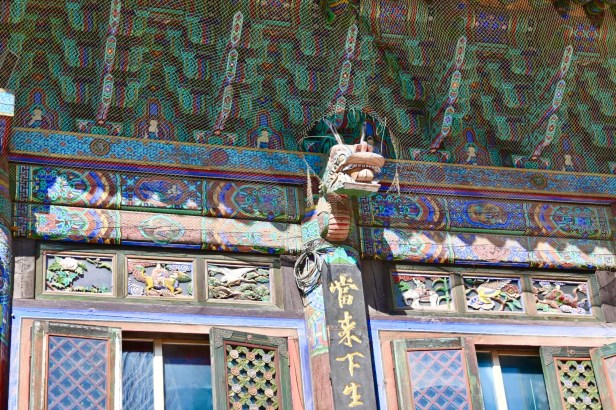
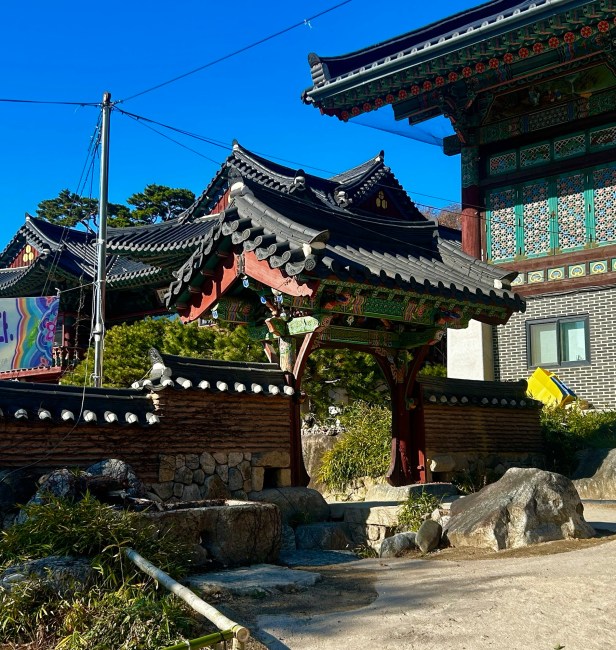
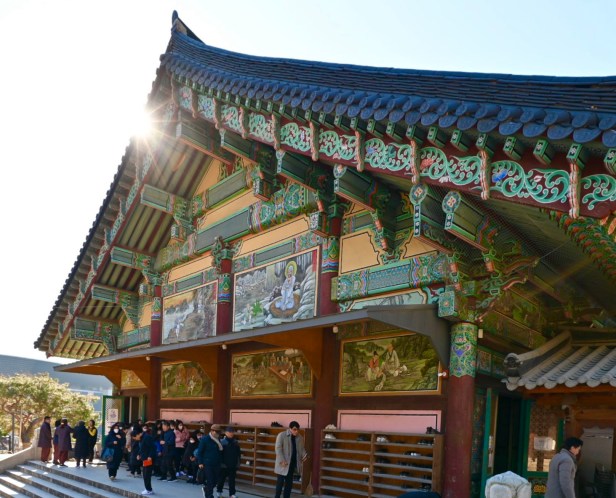
Bongeunsa Temple
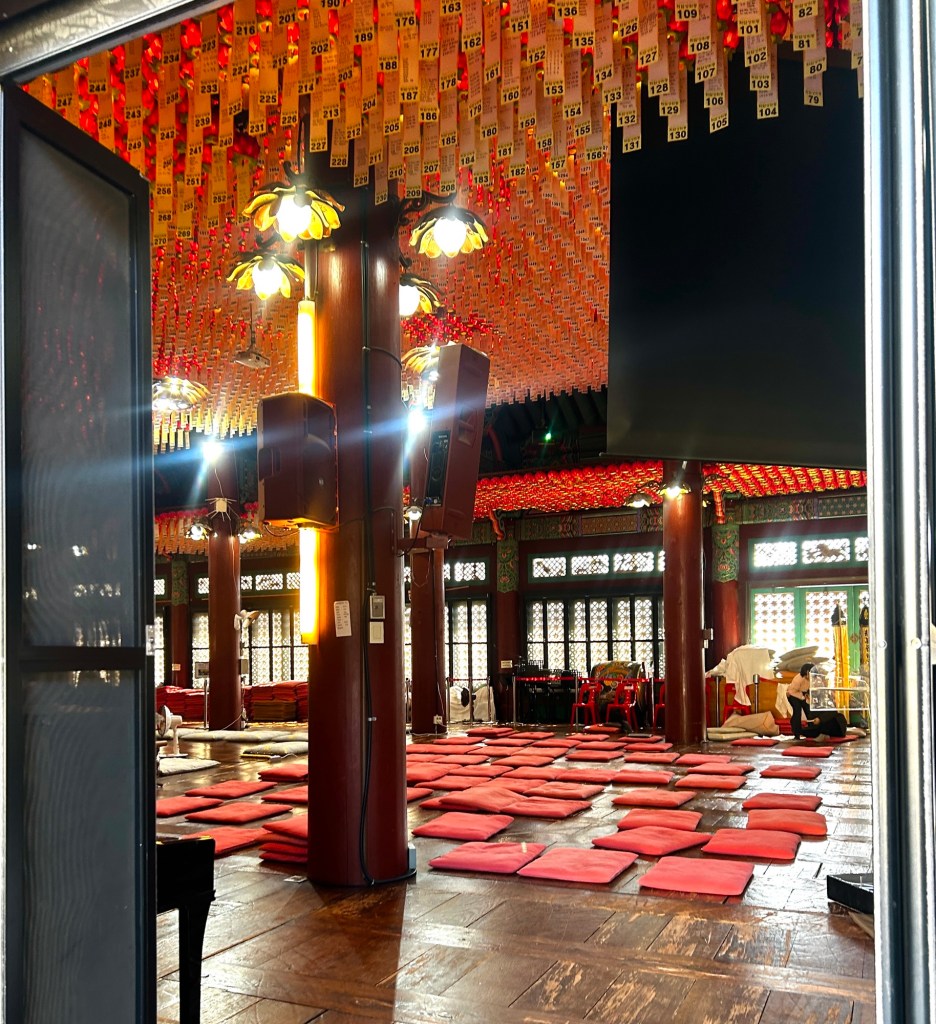
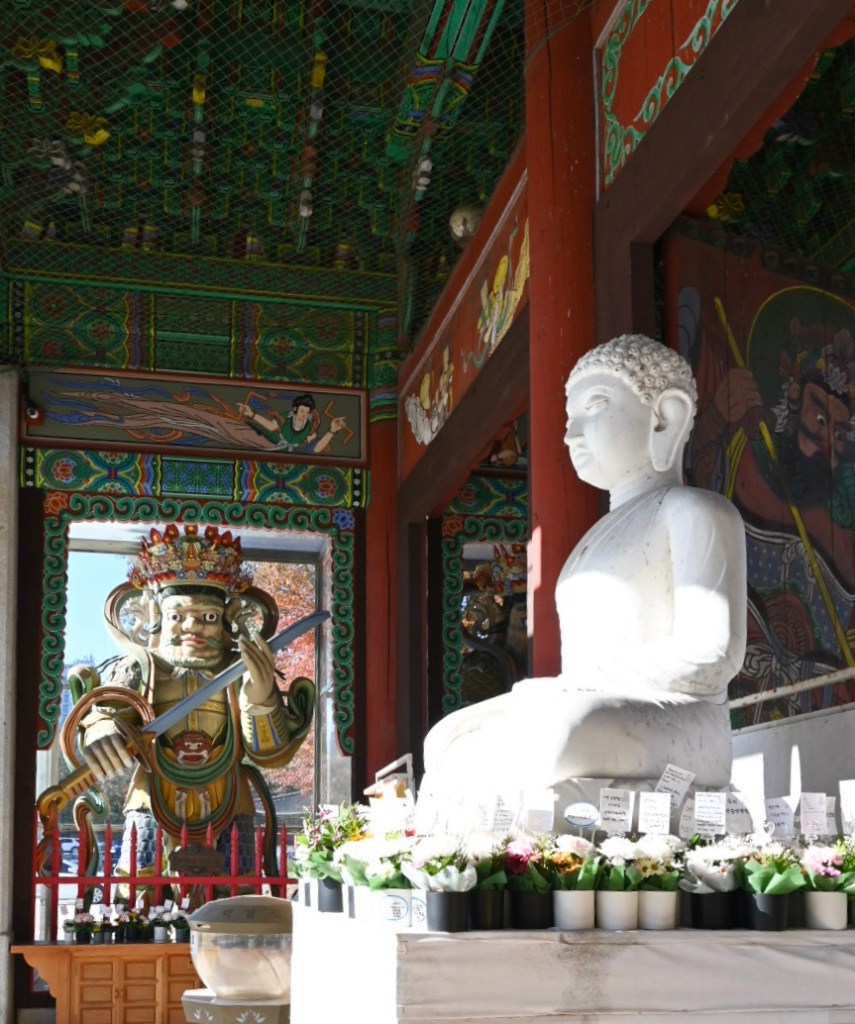
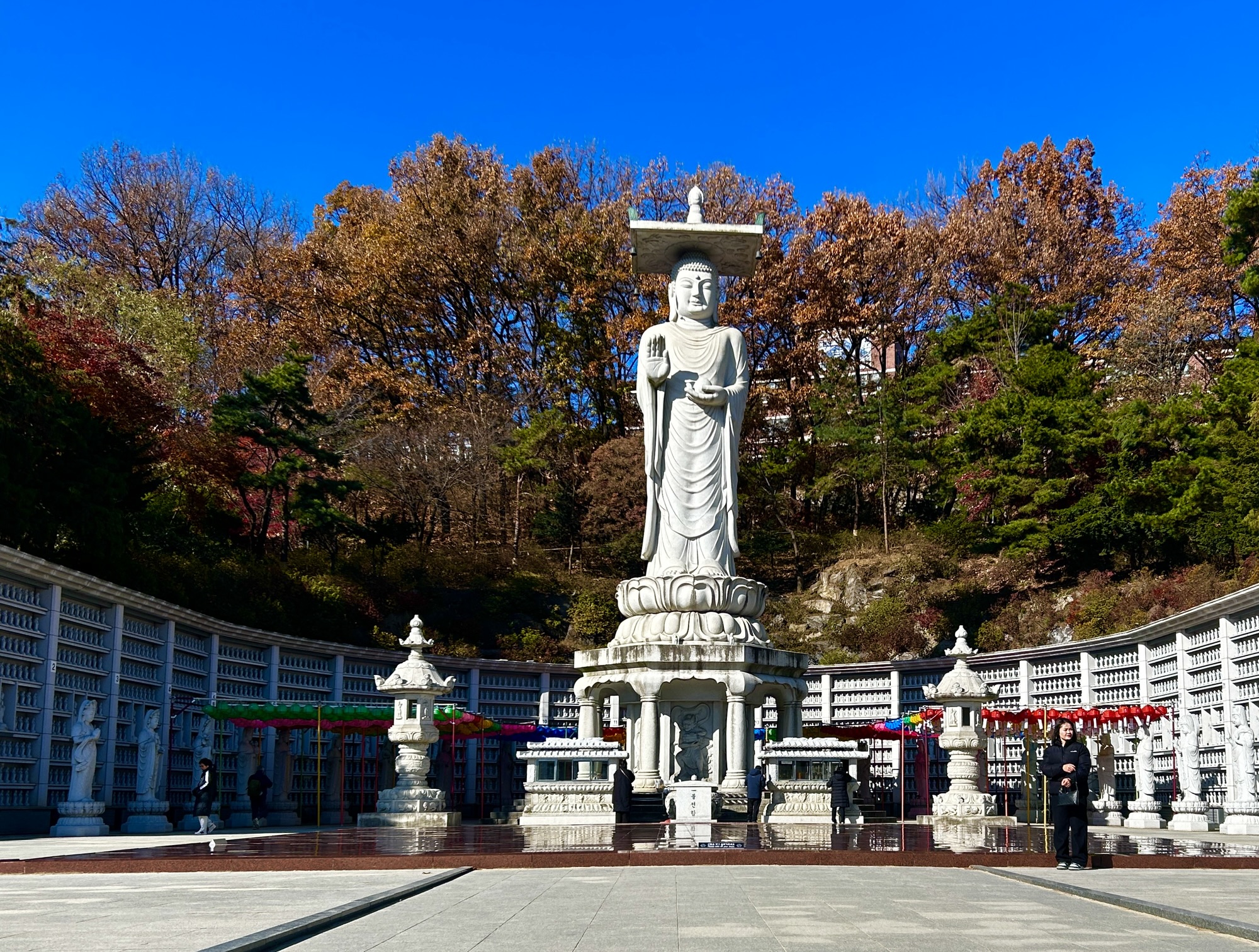
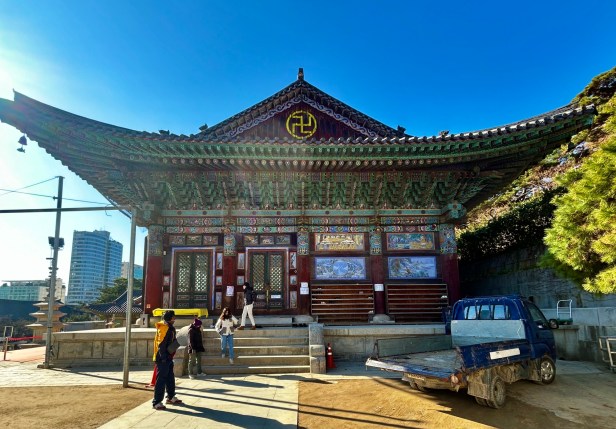
Bongeunsa Temple was built in 794 but is moved from its original location. Its a Buddhist temple and was called Gyeonseongsa Temple until it was renamed in 1498.

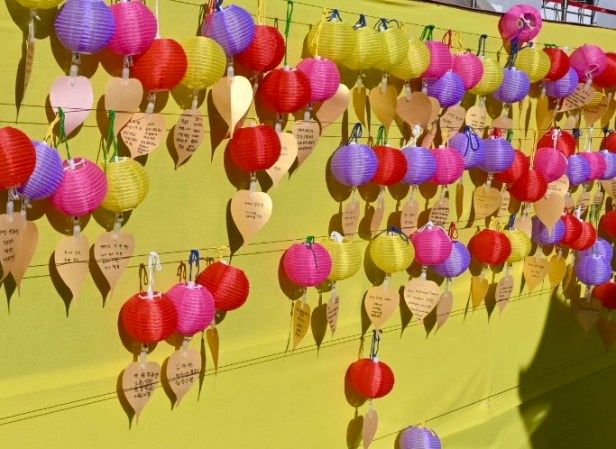
Food
I had so much wonderful food in Korea, barbeque, of course, and also a traditional chicken soup. The restaurants where I ate with my colleagues were really local favorites, and so delicious. SOme foods I had:
- Tteokbokki at Mukshidonna Samcheongdong – chewy, stir-fried rice cakes
- Hotteok from a street vendor – a flat pastry filled with sweet and nutty fillings. Mine had cinnamon and sugar
- Bungeoppangcarp fishcakes – a sweet fried dough made of eggs, butter, flour, and filling
- Songpyeon – a rice cake with various fillings, hand-shaped and steamed
- Kalguksu – a noodle soup where you need scissors at the table to cut the long noodles

Bungeo-ppang 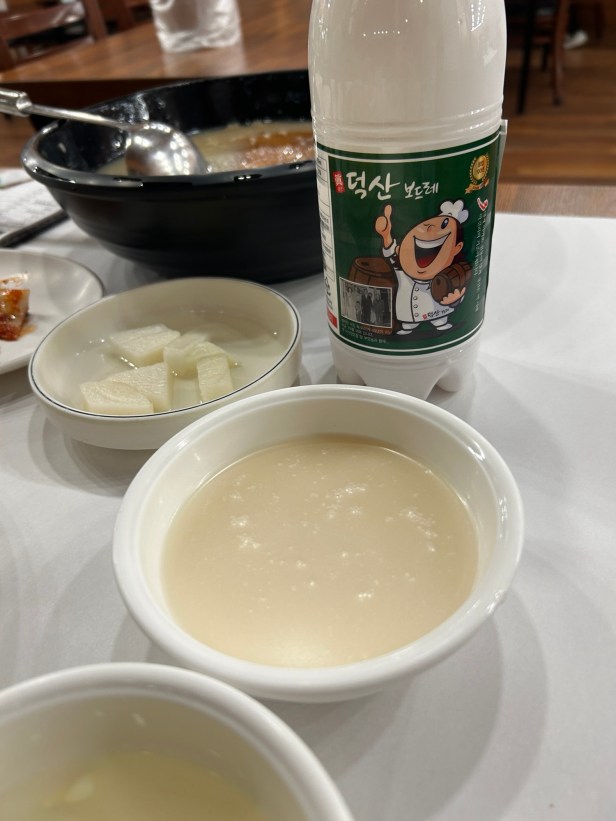
청운누룽지백숙 – Makgeolli / takju, fermented rice wine 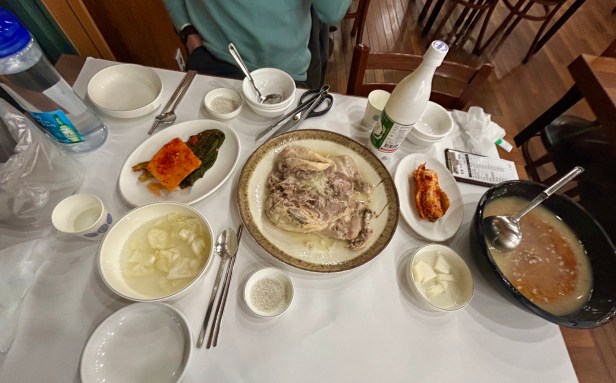
청운누룽지백숙 – chicken soup restaurant 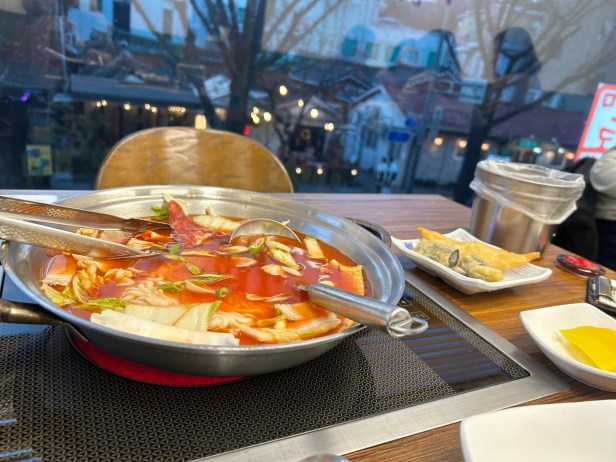
Mukshidonna Samcheongdong – Tteokbokki restaurant 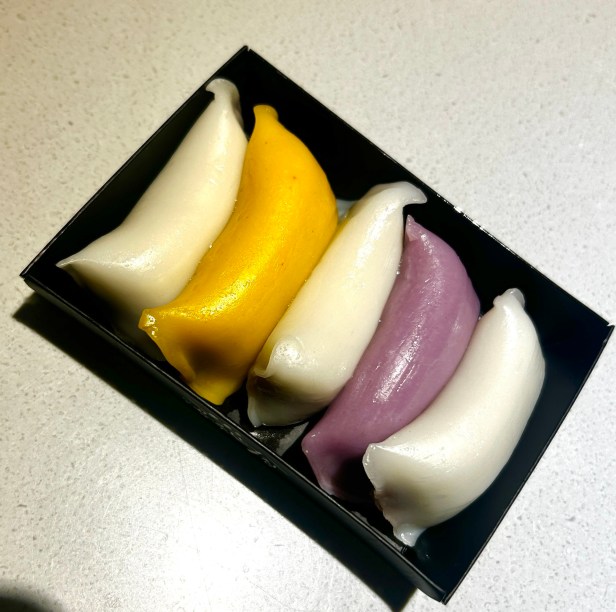
Songpyeon 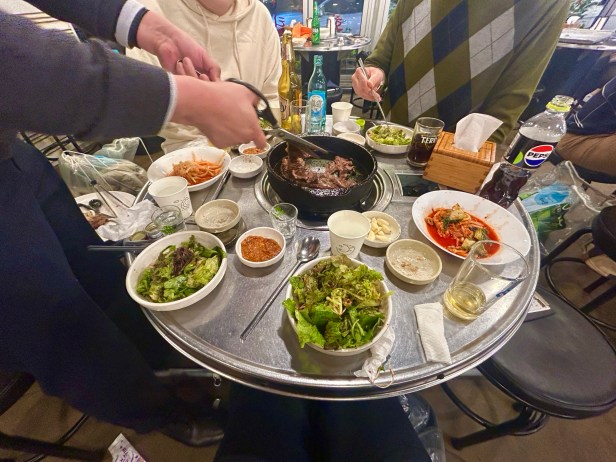
양재정육식당 9호점 – BBQ restaurant 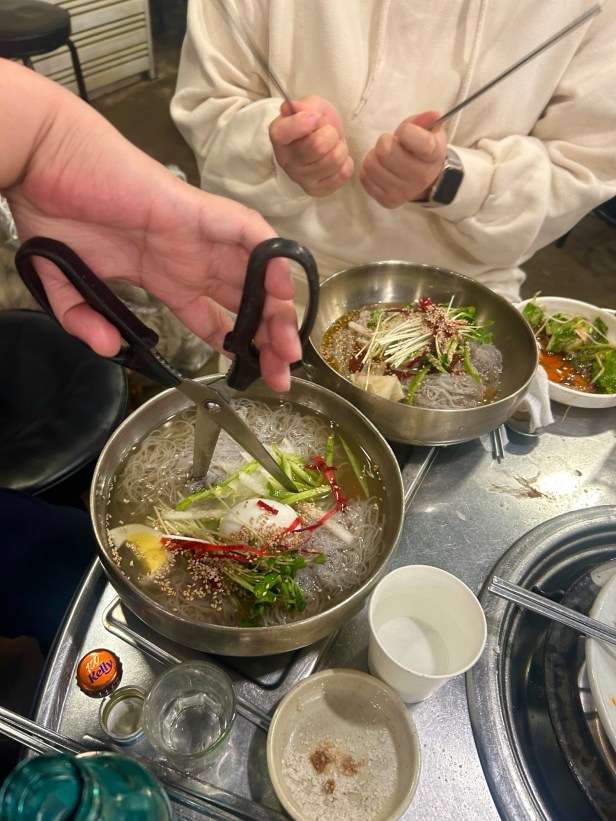
양재정육식당 9호점 – BBQ restaurant 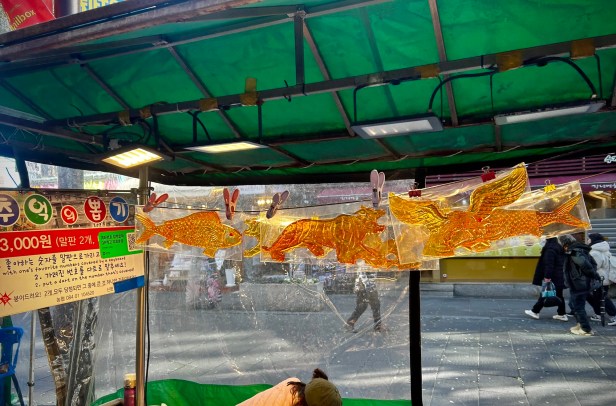
Morning Running in Seoul
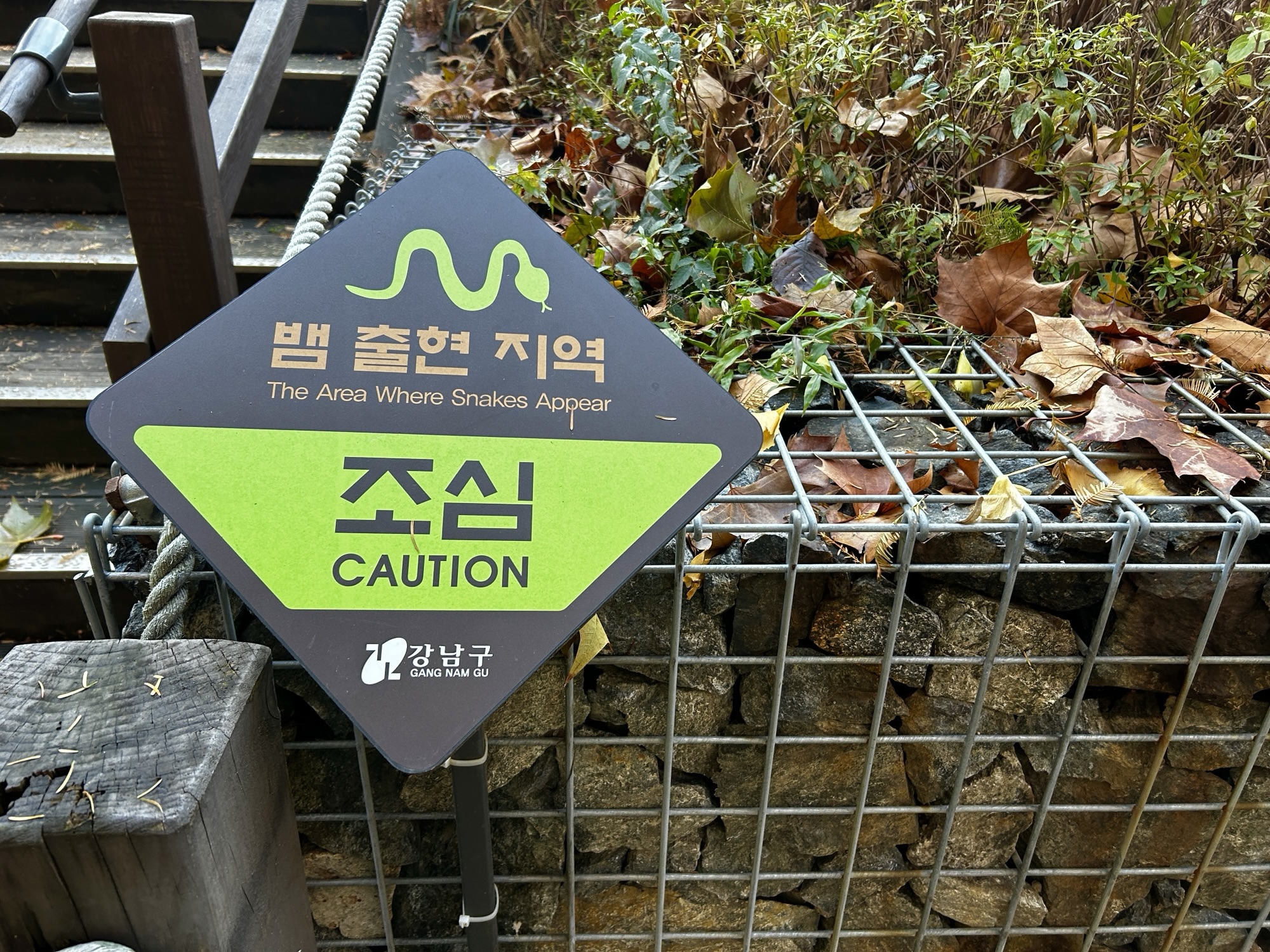
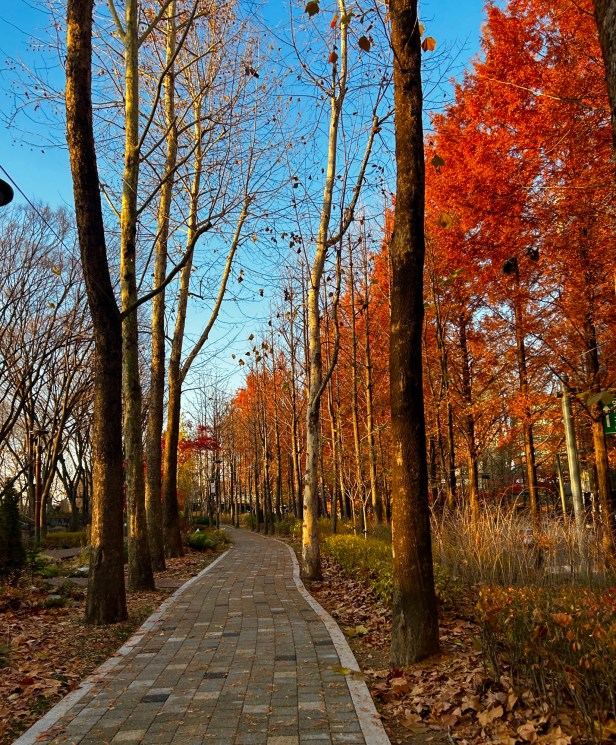
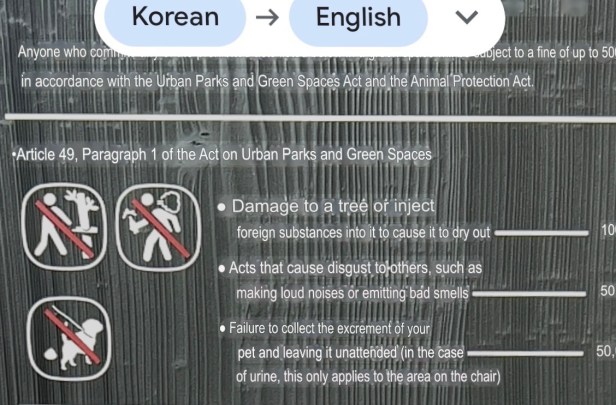
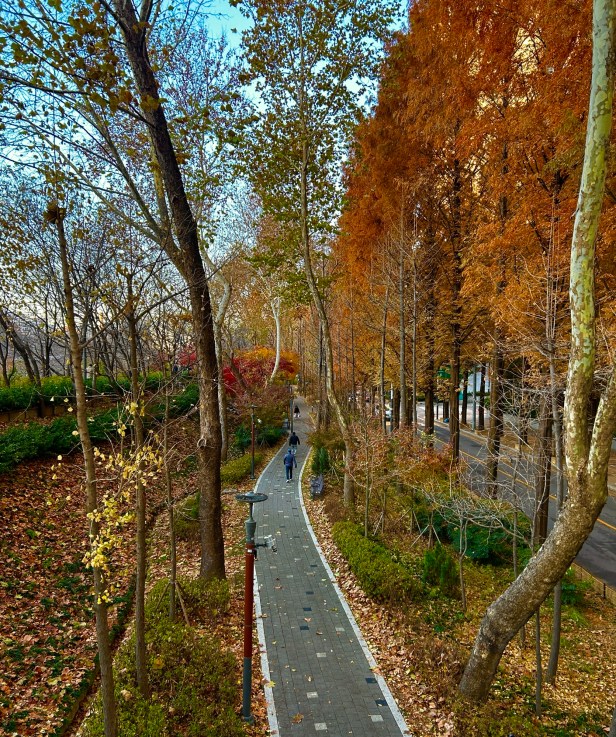
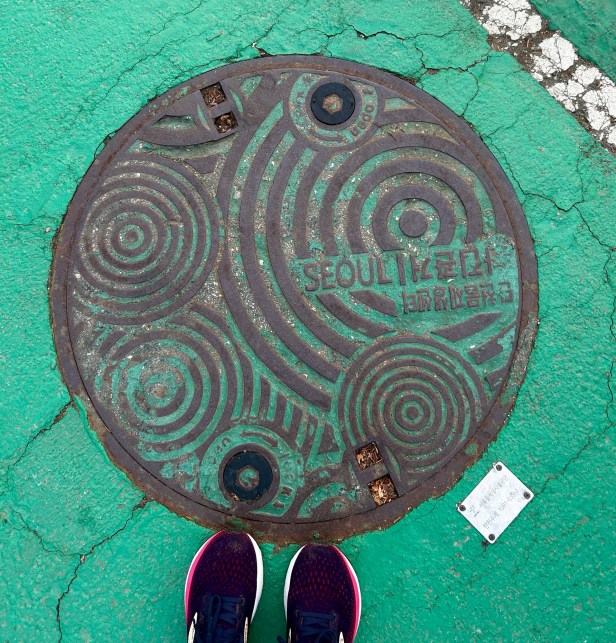
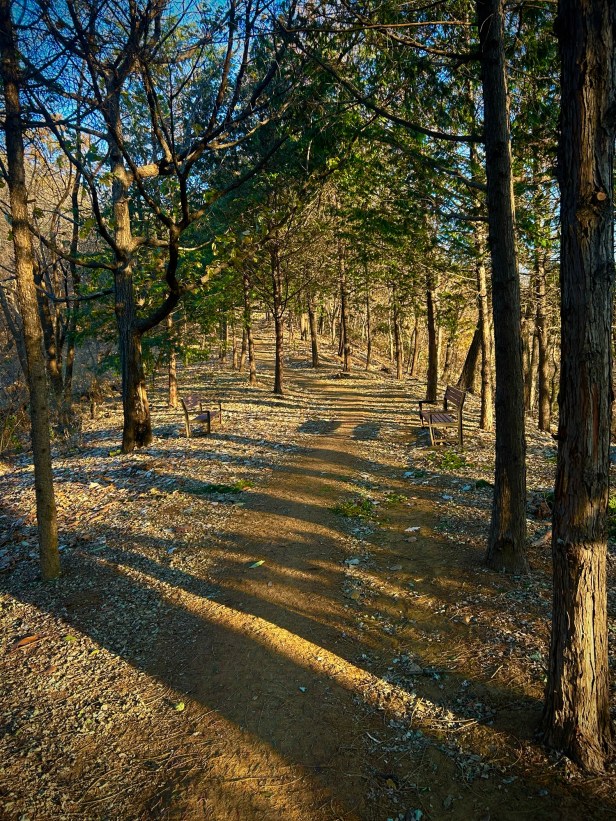
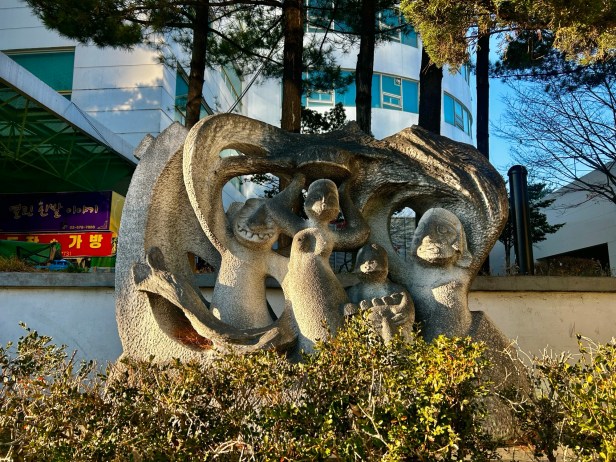
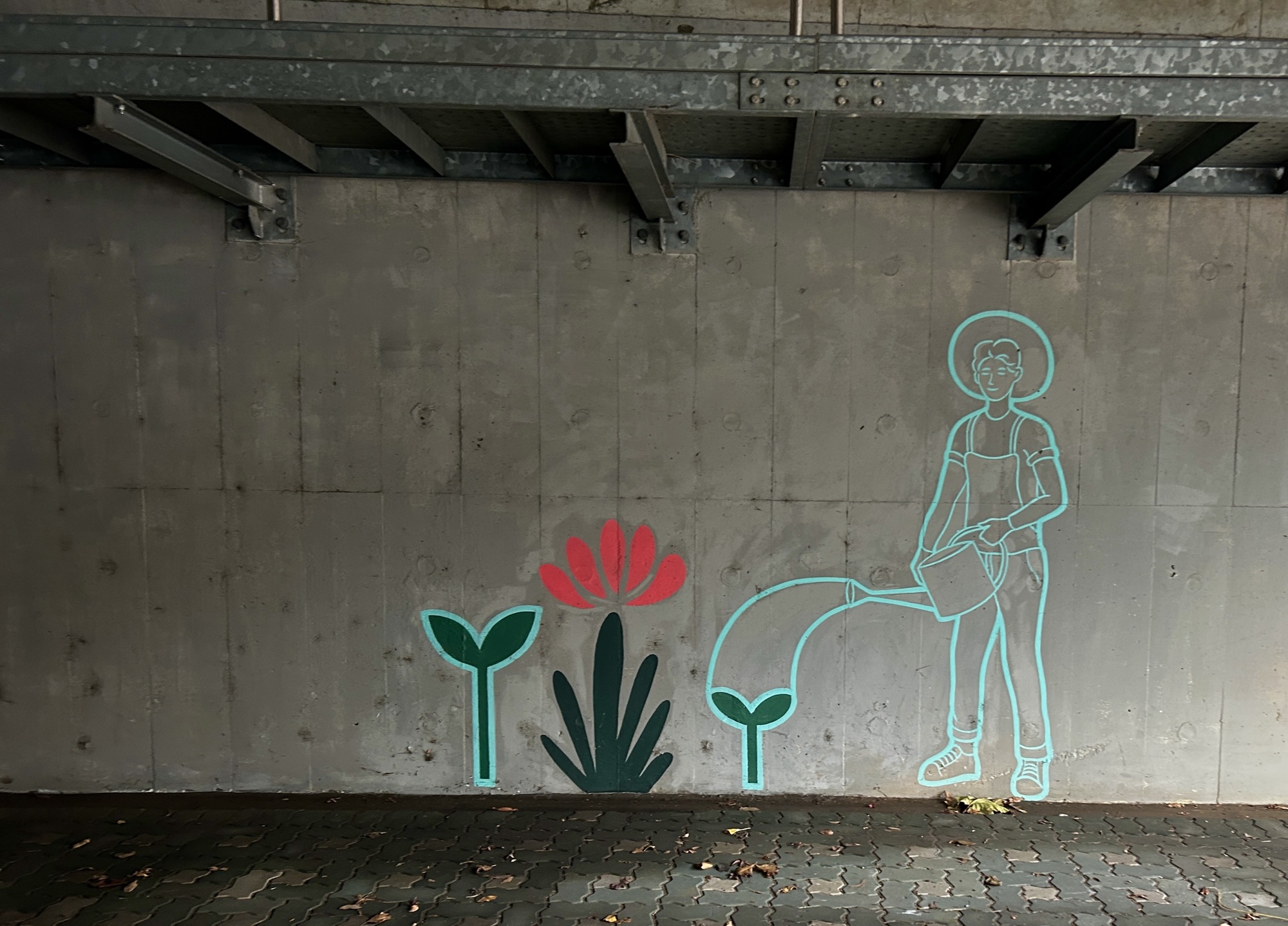
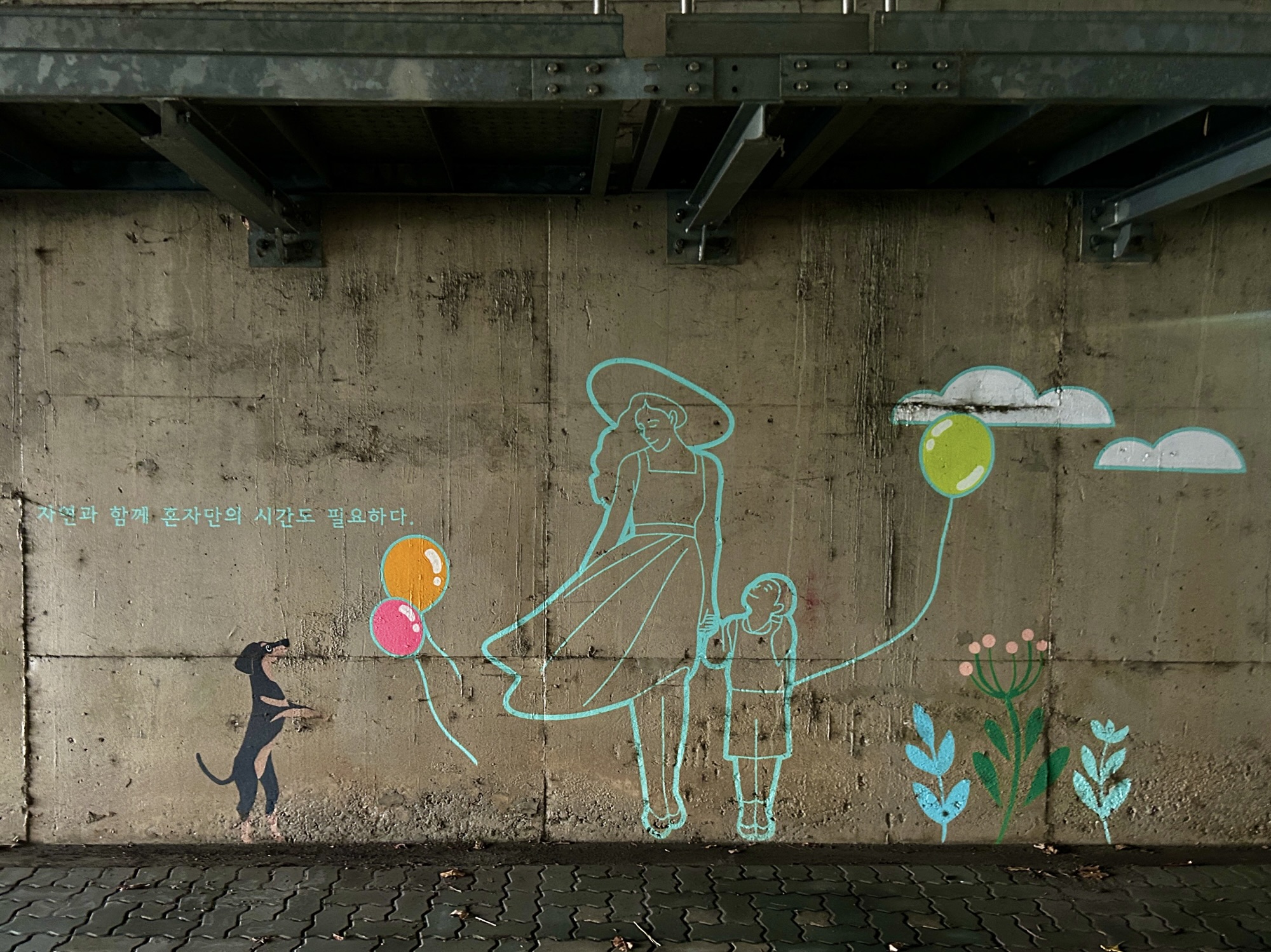
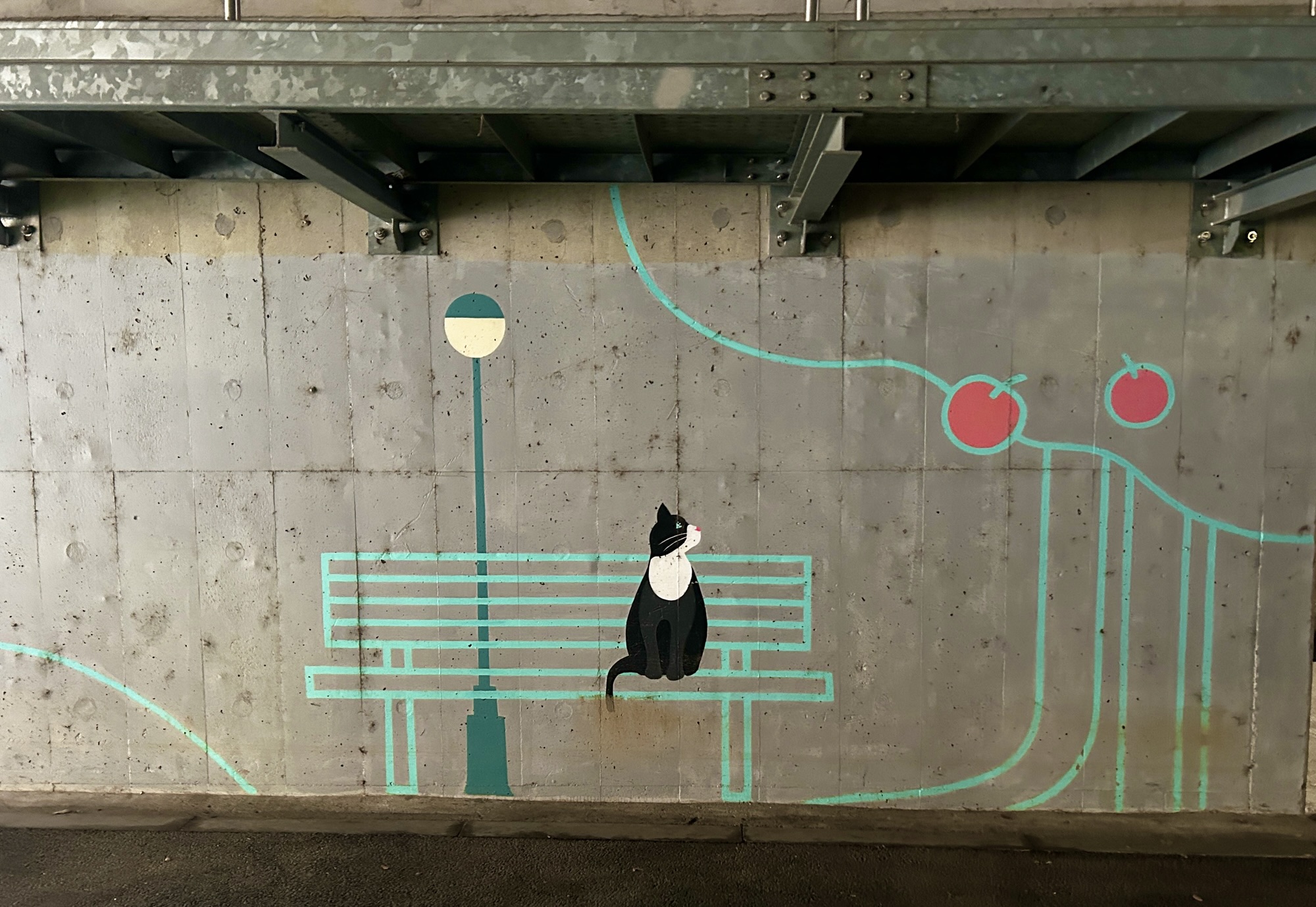
Based in Gangnam, my hotel was close to the Yangjaecheon Stream, which was a wonderful running route. It was very cold, but the paths were beautiful. I didn’t see any snakes, despite the sign. I also found my translation of some of the rules in the park to be pretty funny.
Insa-dong
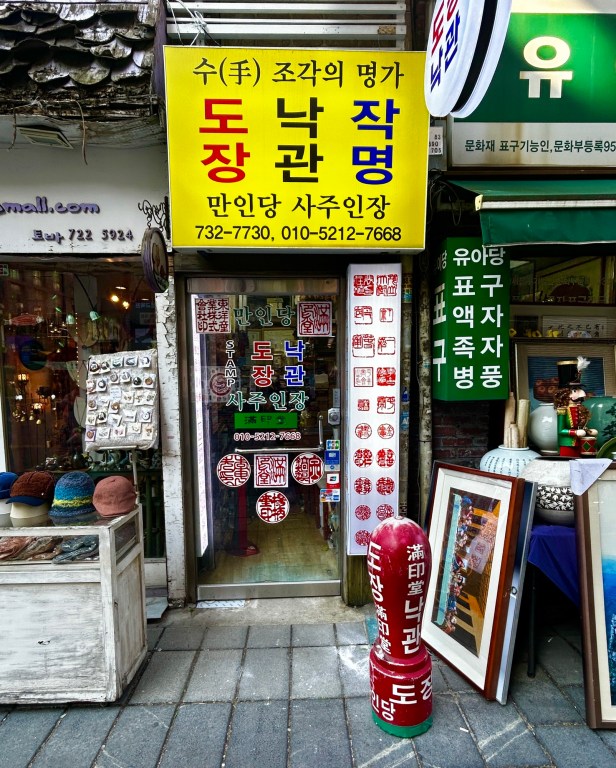
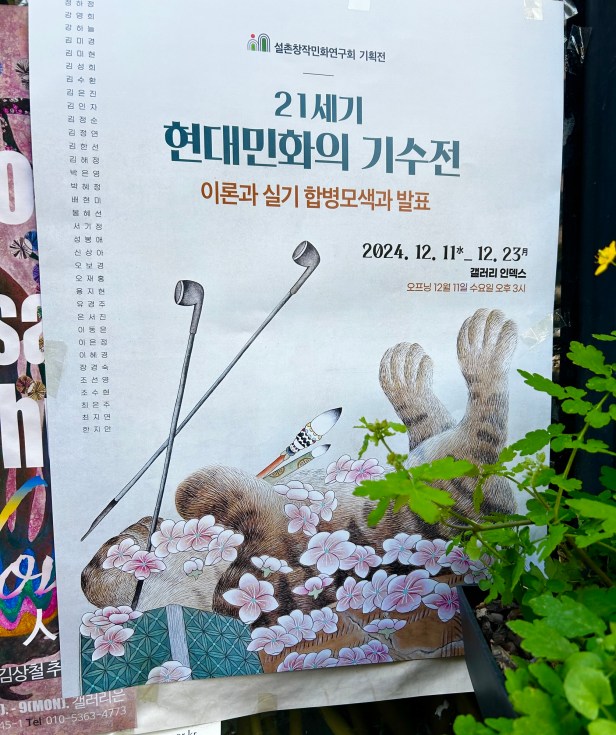
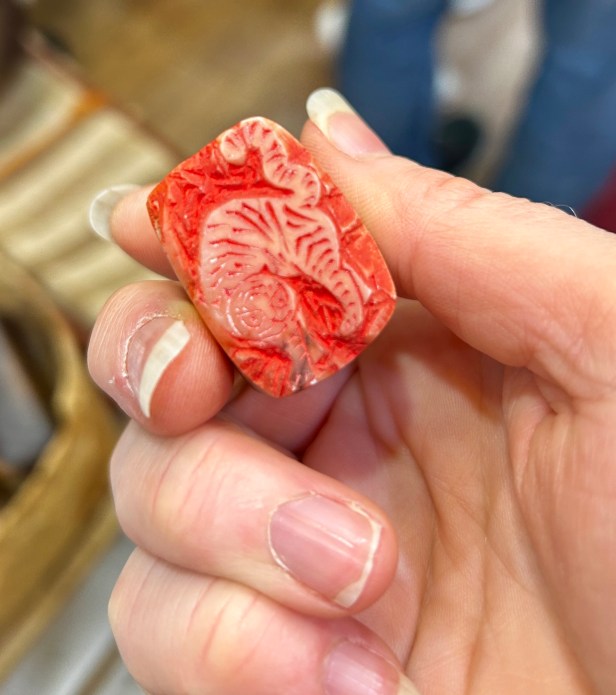
Insa-dong area houses galleries, restaurants, teahouses, and cafes. The intention is to showcase and sell traditional Korean art, handicrafts, and food. The teahouses and restaurants can be found in twisting alleyways, and on weekends the main street is blocked off, booths are set up, and candy merchants, fortune tellers, performances and exhibits take place. I loved seeing the handmade stamps and had one made for my daughter.
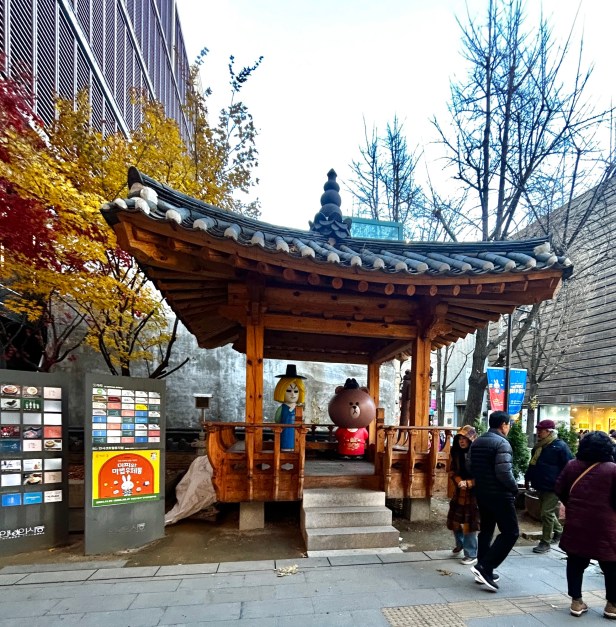
Morning Running at the Cheonggyecheon Stream
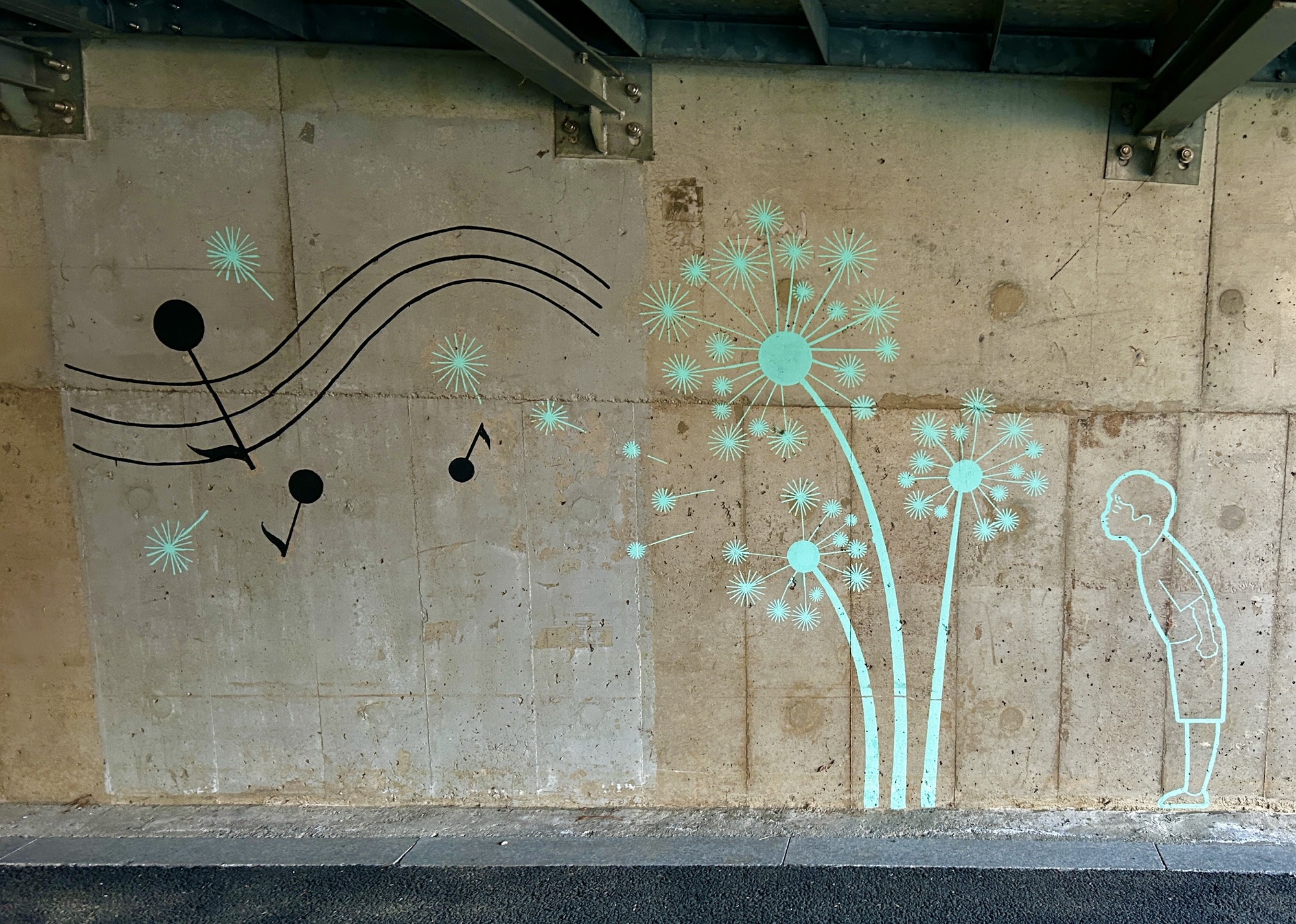
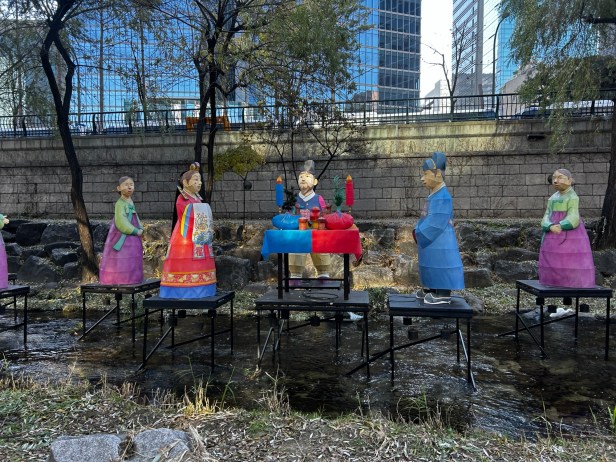
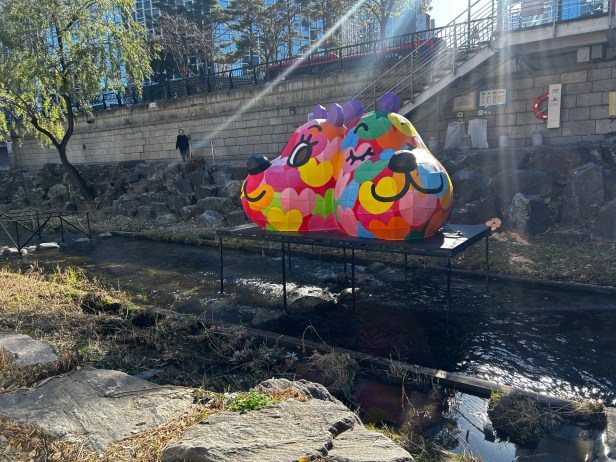
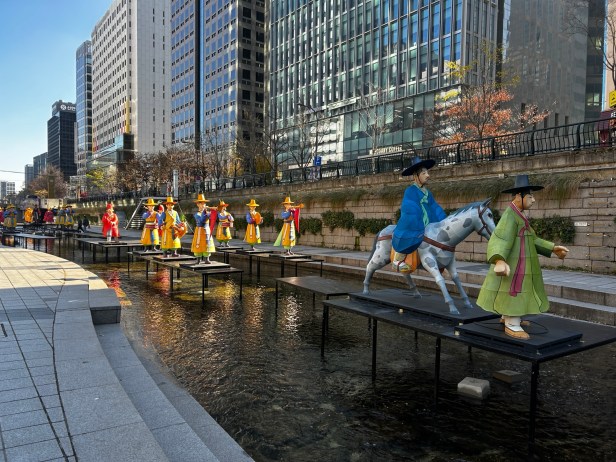
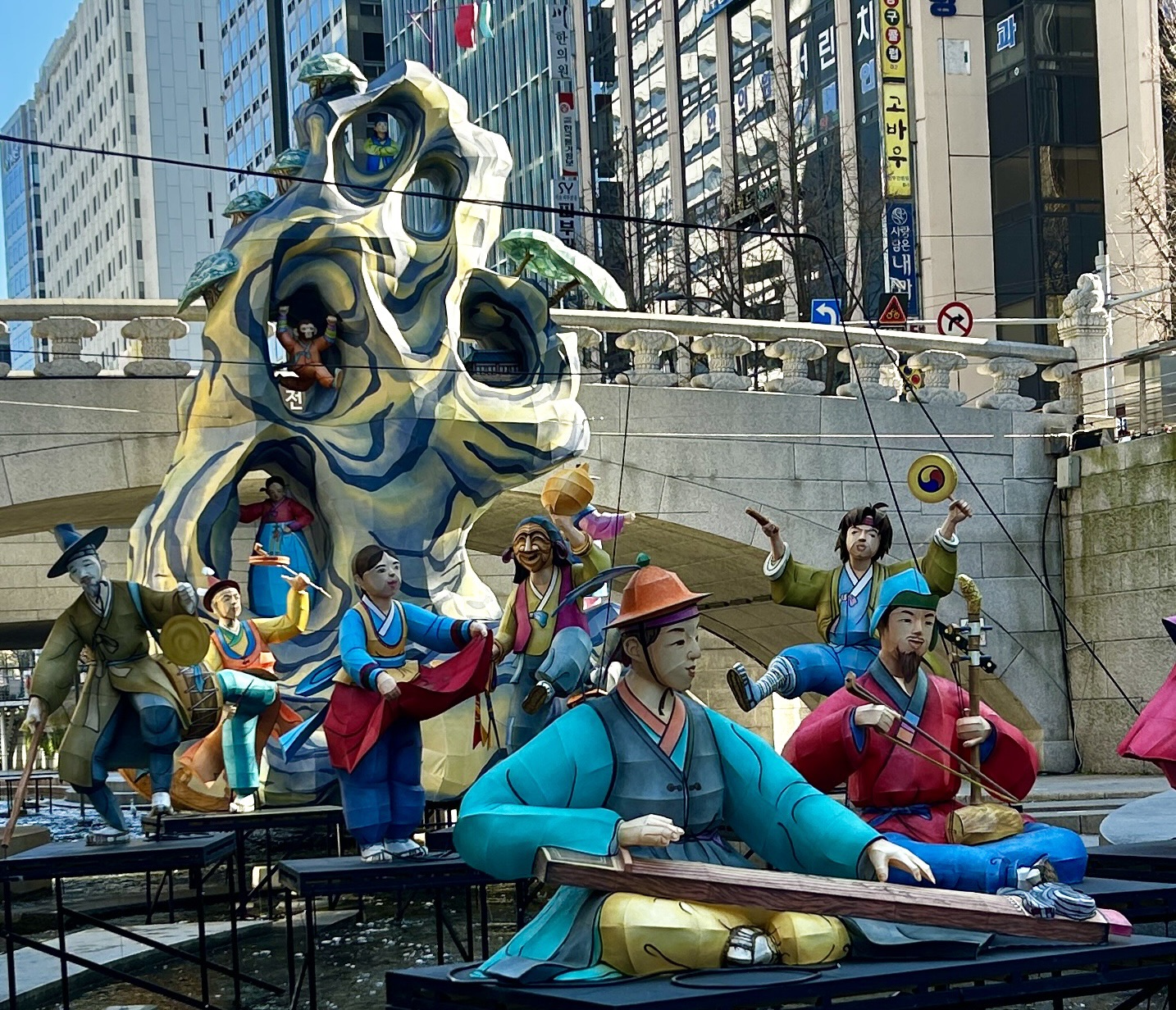
This was another spot I went running in the early morning, and I was delighted to see the different art along the water.

City Exploration
Odds & Ends
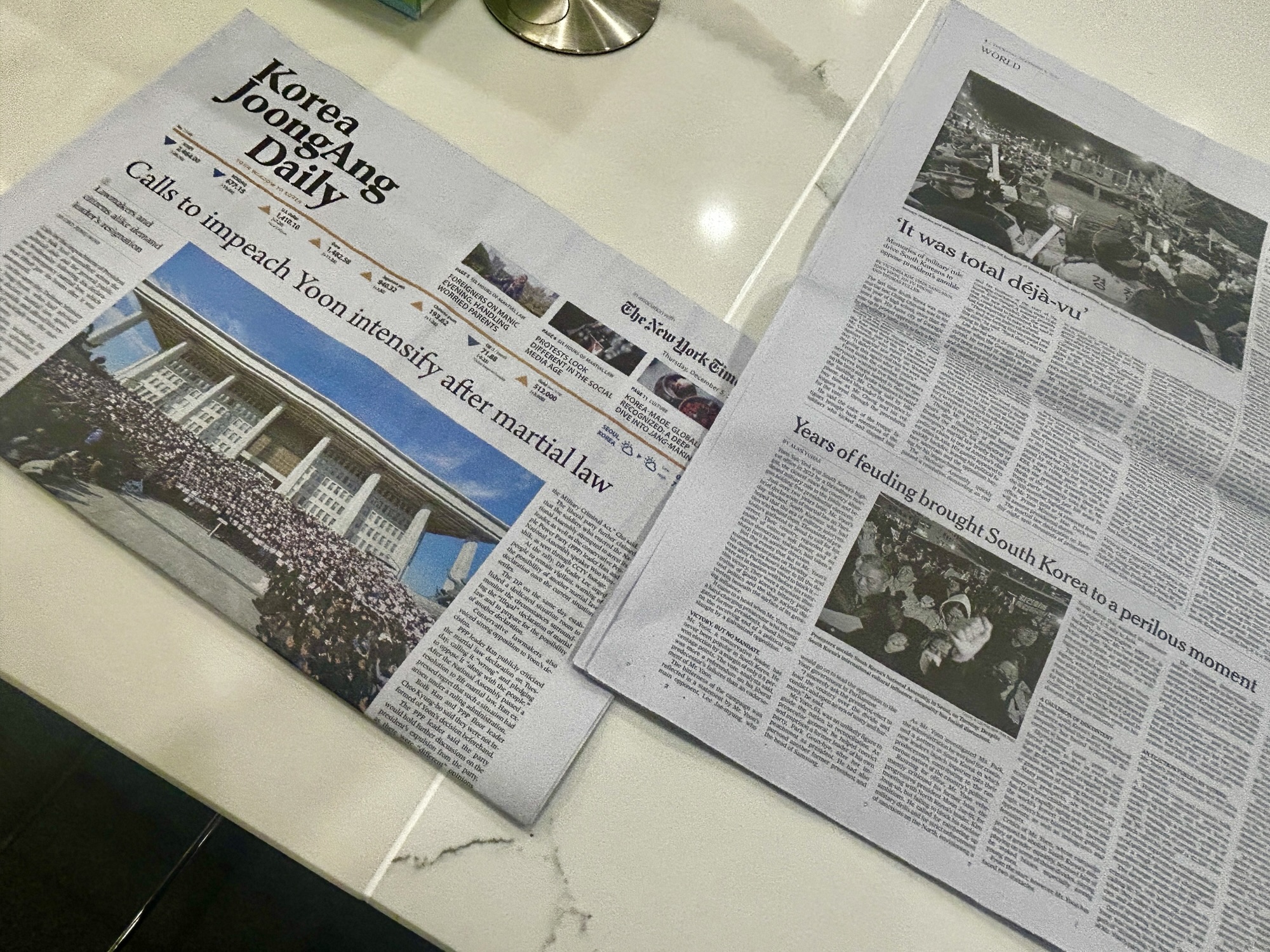
The night before I was traveling to South Korea, then-President Yoon Suk Yeol declared martial law in South Korea during a televised address, citing rising unrest and an alleged threat to national security. Troops were deployed, Yoon ordered the detention of opposition lawmakers, and state institutions such as the National Assembly were placed under military command. Press freedoms were also curtailed, but journalists continued reporting, despite restrictions. The announcement and actions prompted widespread demonstrations and within six hours politicians voted against the decree, surrounded by protesters and police. Yoon was forced to withdraw the order and, six days later, the Supreme Court declared the brief martial law unconstitutional. After that, the president was impeached and removed from office.
Long story short, I had no clue if I’d even be able to go to South Korea once military law was established, and yet the whole drama wrappped up very swiftly and it almost seemed like it’d never even happened.
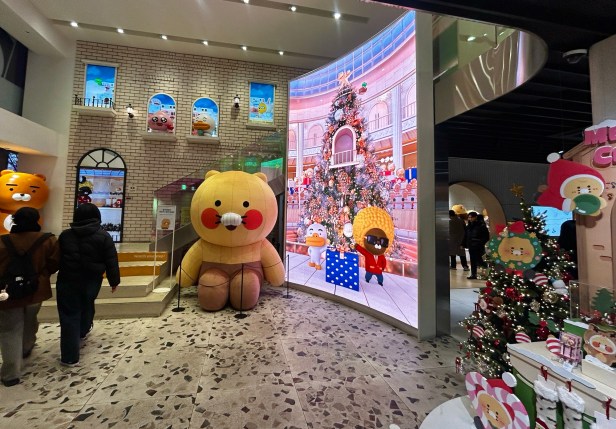
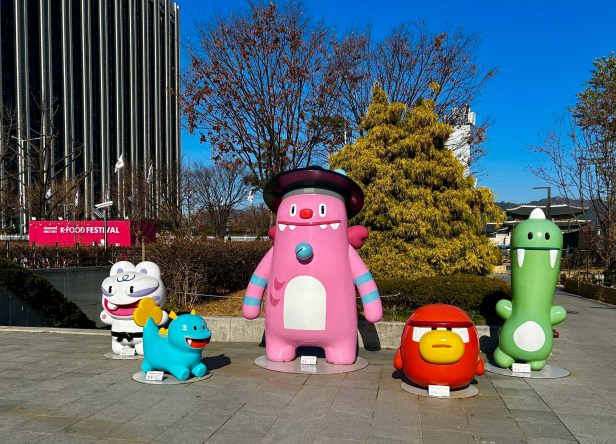
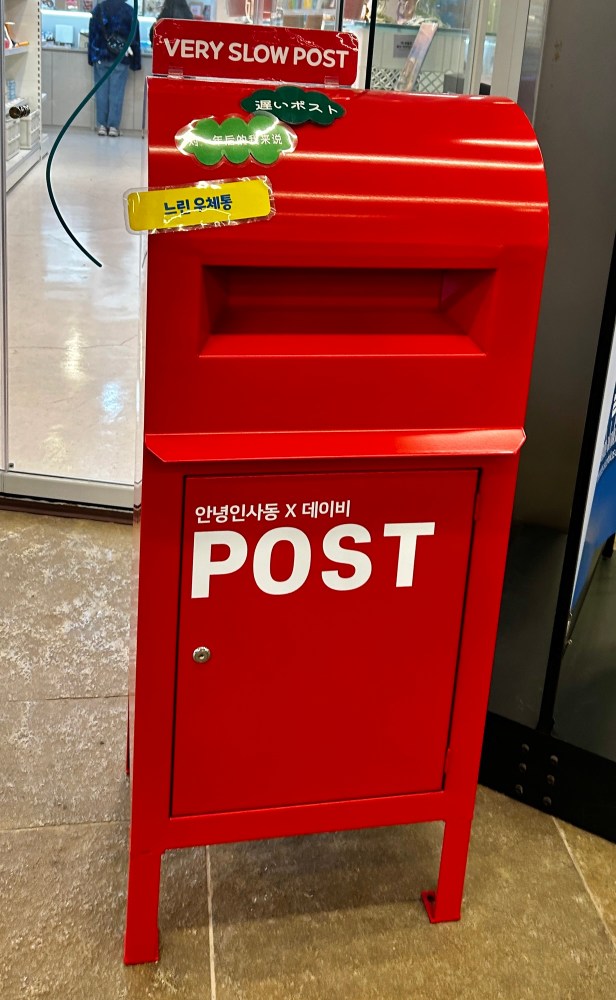
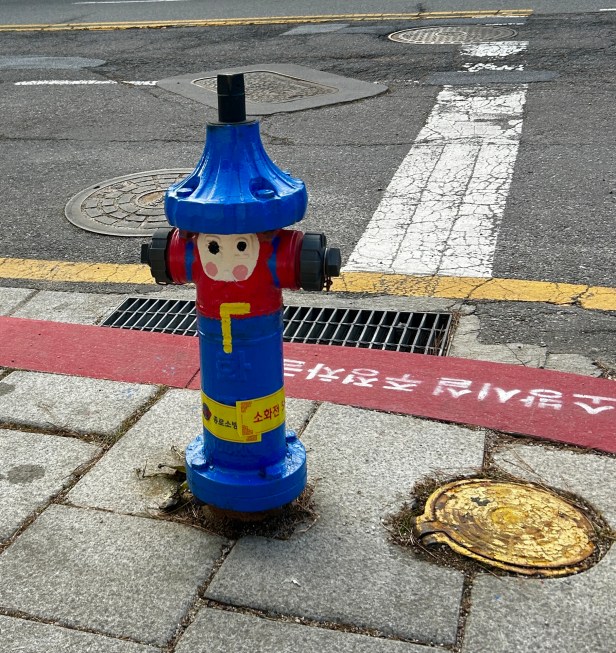
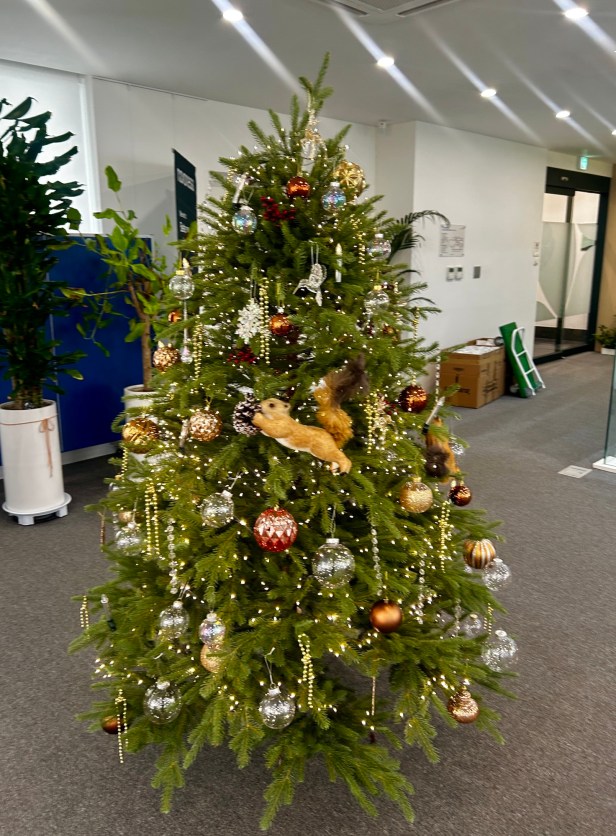
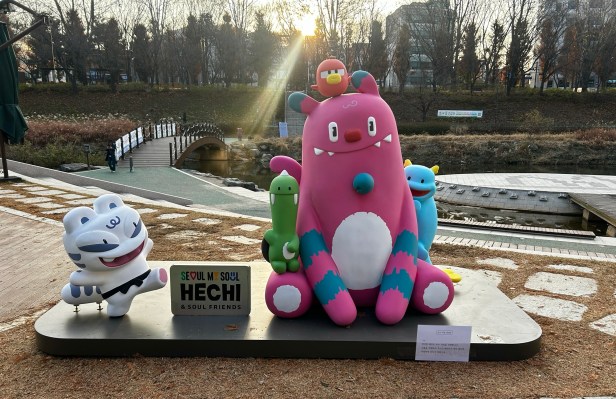
Some other fun sights – in Asia I saw a lot of Christmas trees decorated with squirrels, and Hechi (pink cartoon guy) is a well-known Korean guardian representing justice and protecting people from fire and other disasters. I saw him all over the city.
 thecloudsarelowerhere