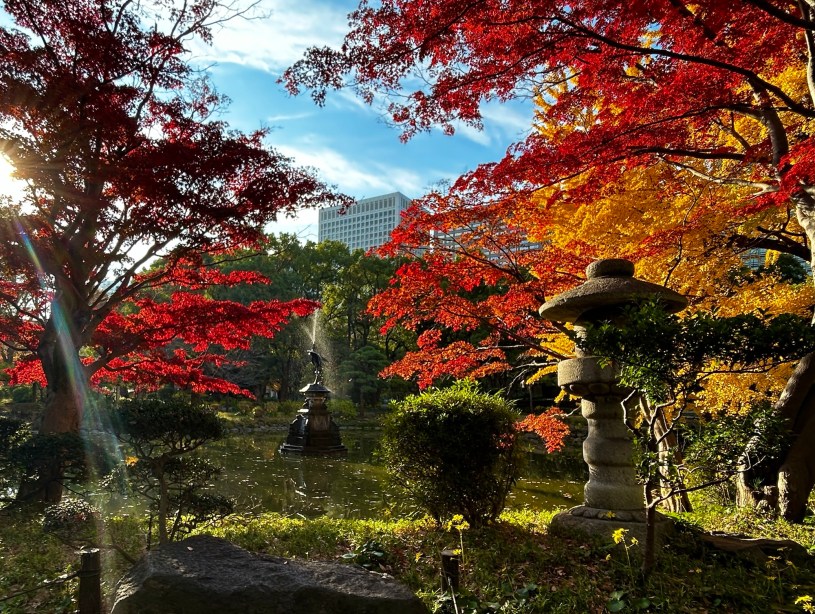
I spent a week in Japan for work at the end of 2024. It ended up being really mild weather, which meant my morning running was so pleasant, and the fact that the leaves still 100% thought it was still autumn made it breathtakingly beautiful.
I had one evening to explore the city, and otherwise I spent my time at work and eating amazing Japanese food.
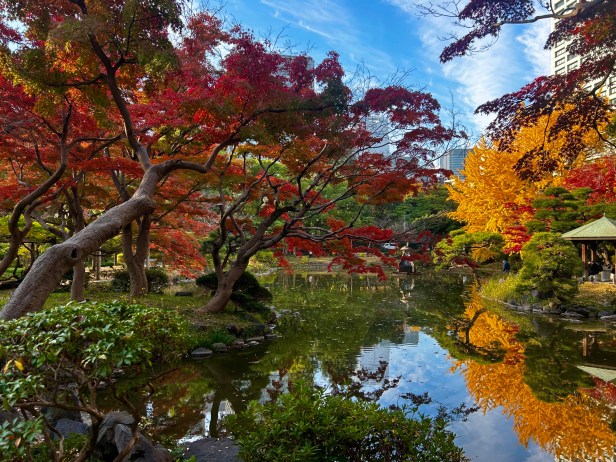
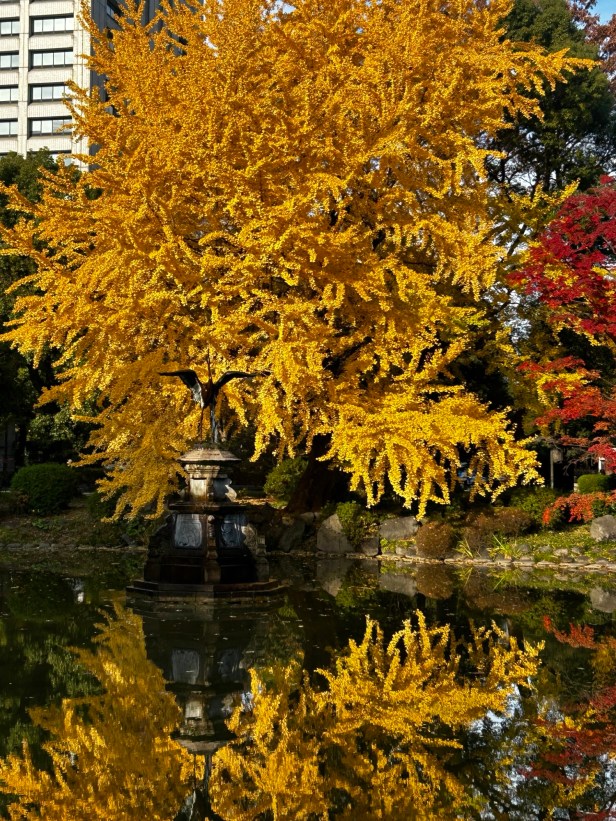
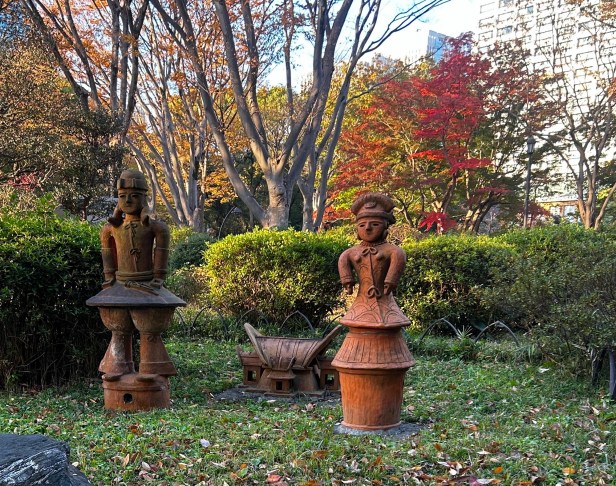
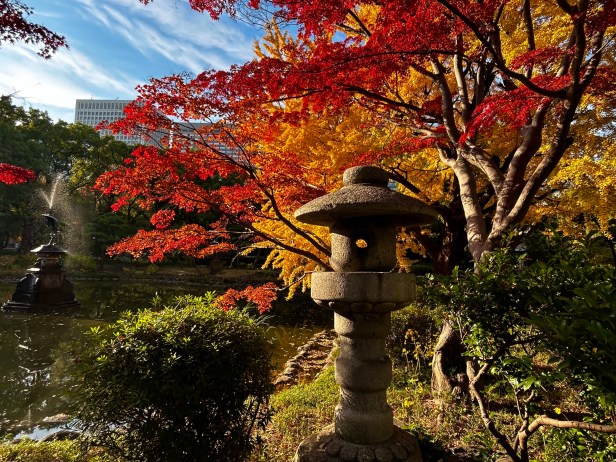
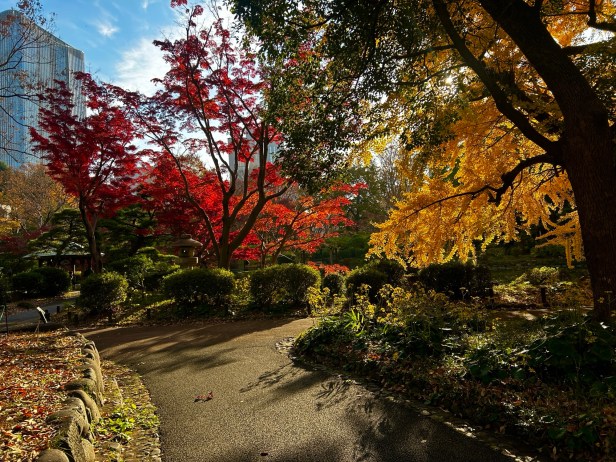
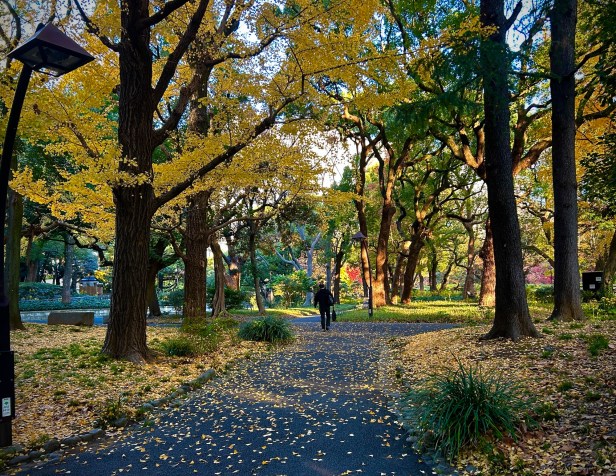
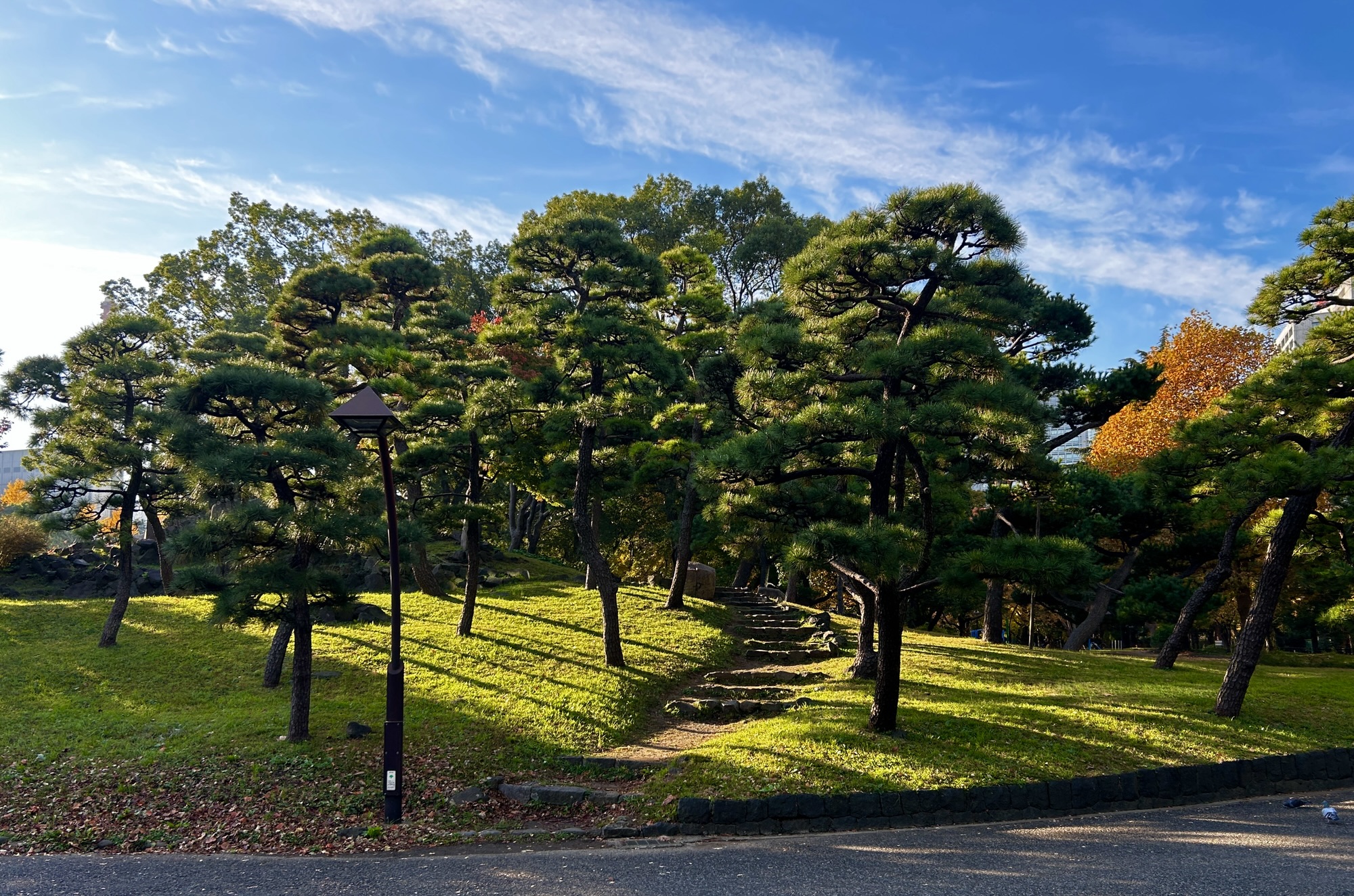
Morning Running at Hibiya Park
This was definitely in the top 5 of the most beautiful parks I have run in, and I’ve run in a lot of places. The colors felt completely unreal, especially for the first week of December. And then the expertly curated outdoor space meant everywhere I turned brought a new view.
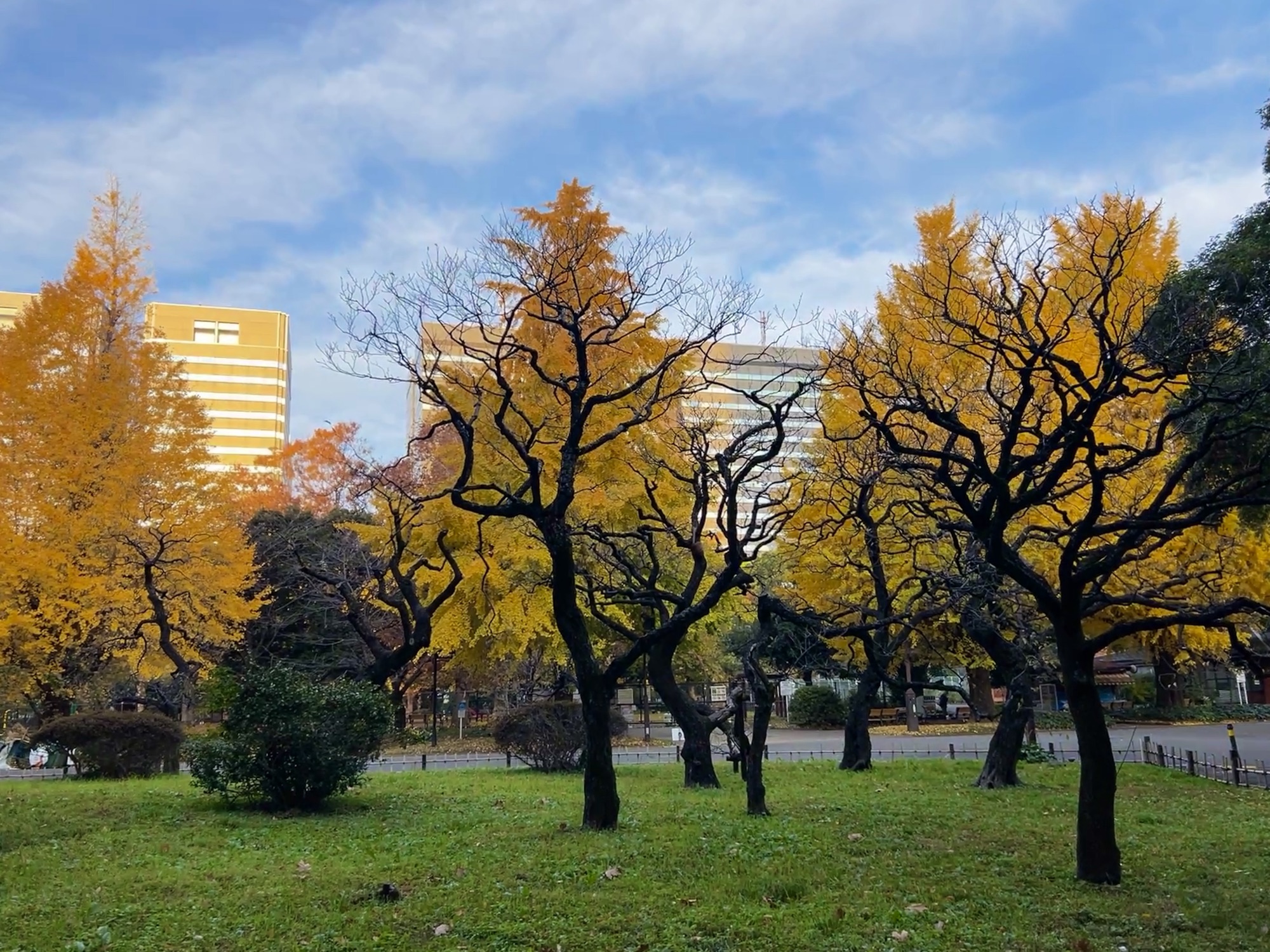
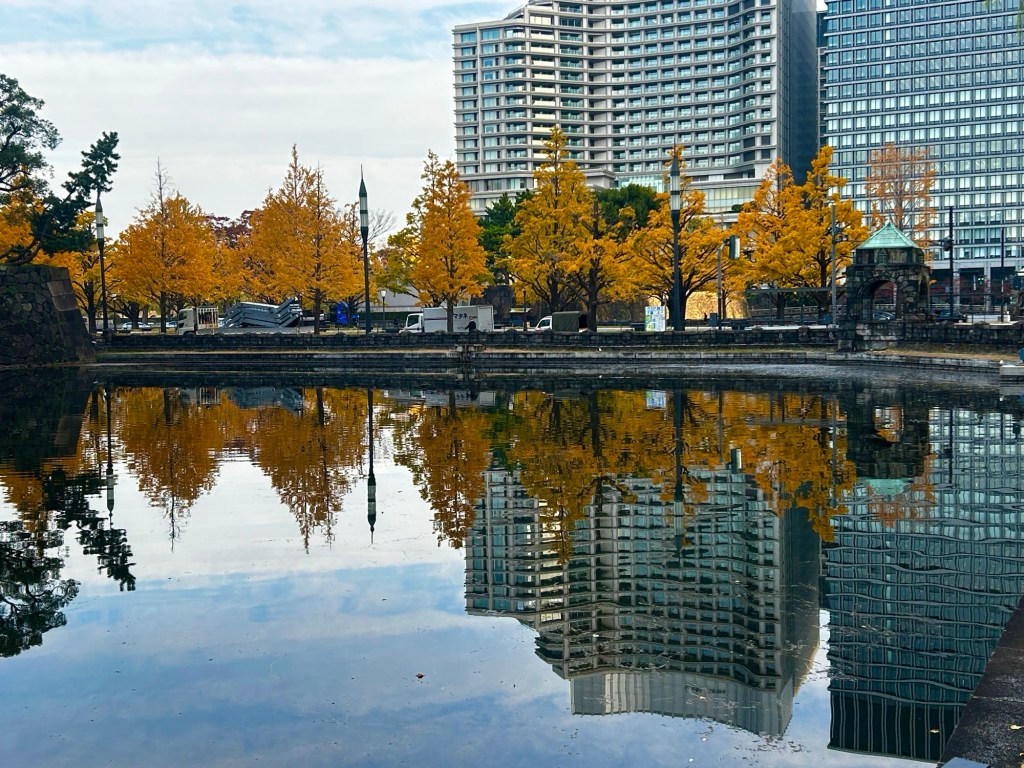
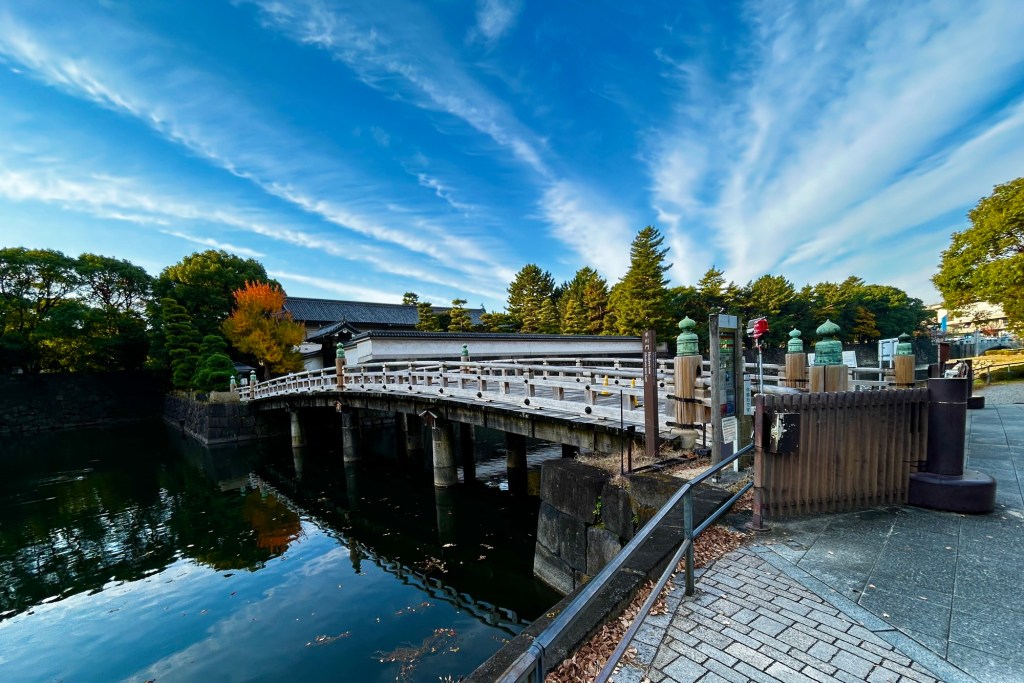
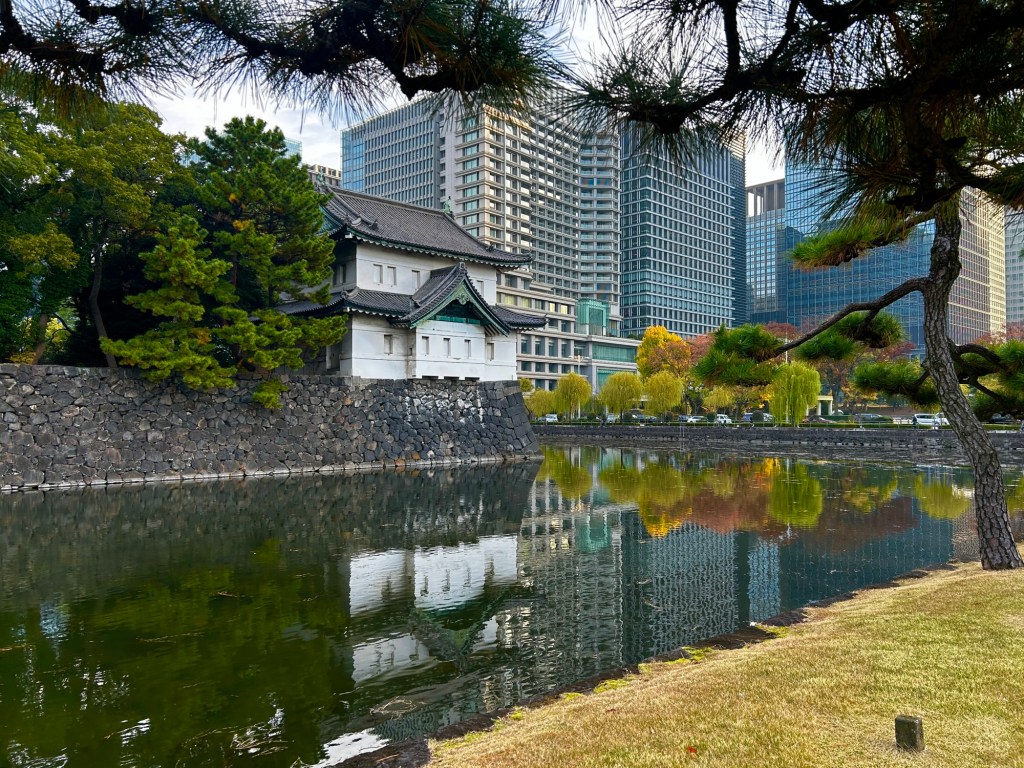
Morning Running Around the Edo Castle Ruins & Imperial Palace
Another morning I ran the periphery of the imperial palace area, and it was so still and calm.

Momiji-no-taki & Shiba Park
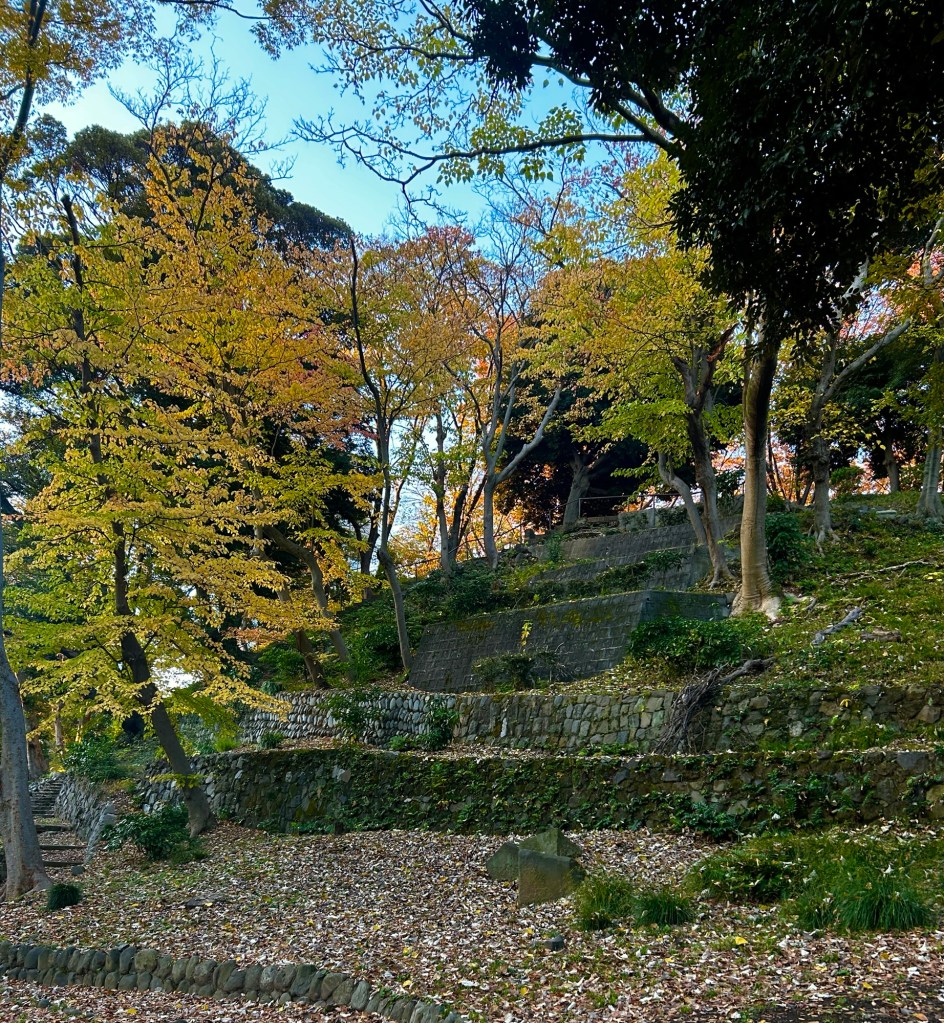
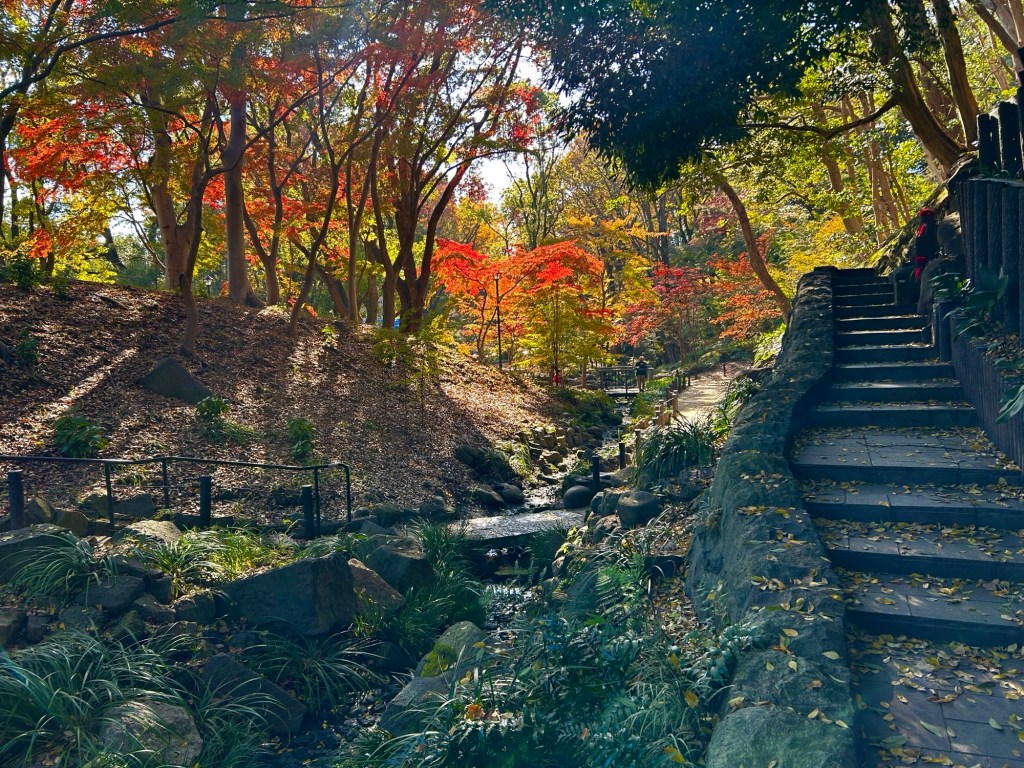
Momiji-no-taki means Maple Waterfall and you can find it in the Momiji-dani, the autumn leaf valley area of Shiba Park. Its famous because it was designed by landscape architect Yasuhei Nagaoka, considered the first Japanese landscape designer, in 1905.
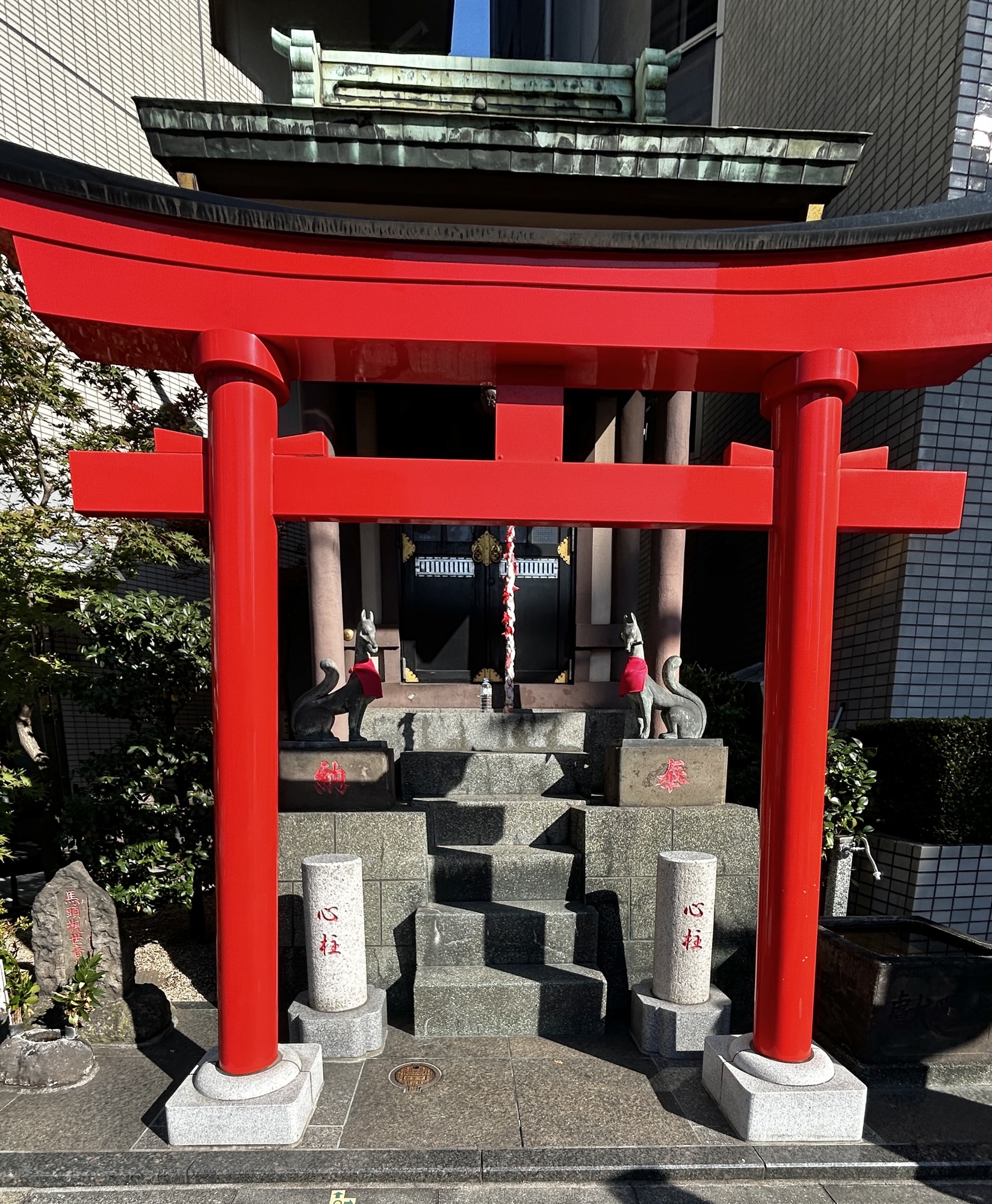
Temples in Tokyo
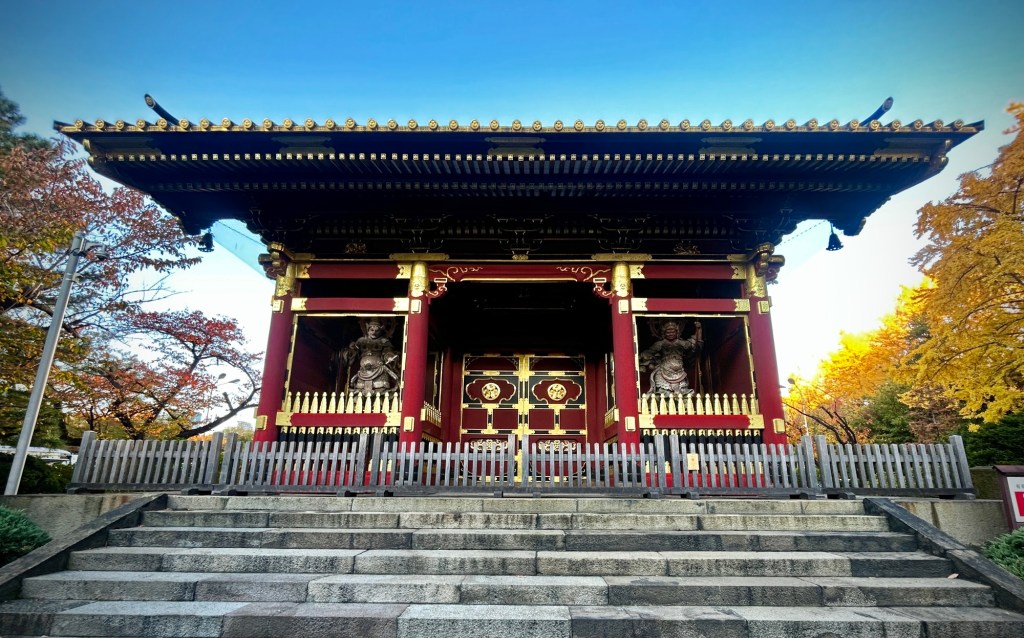
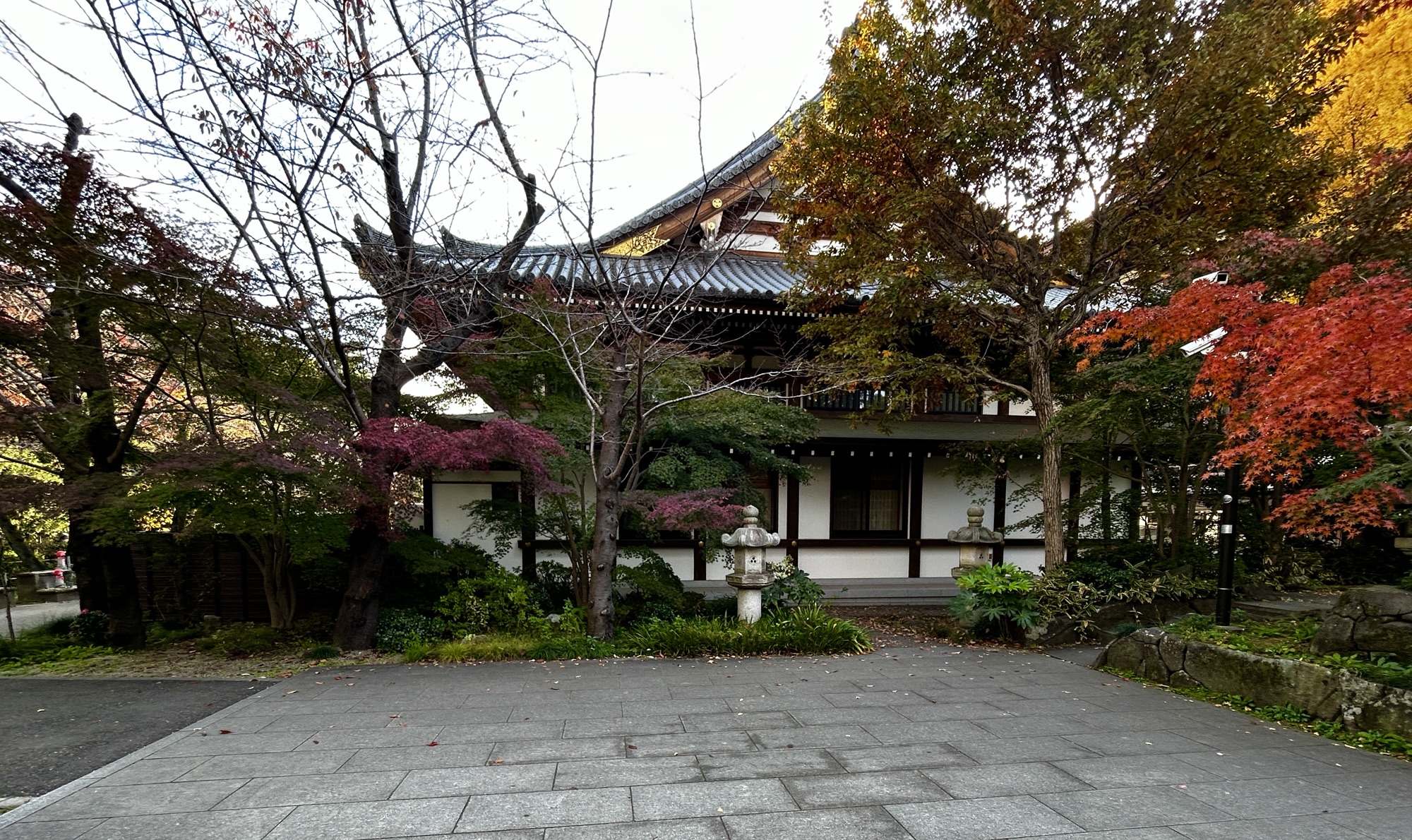
Yusho-in Temple
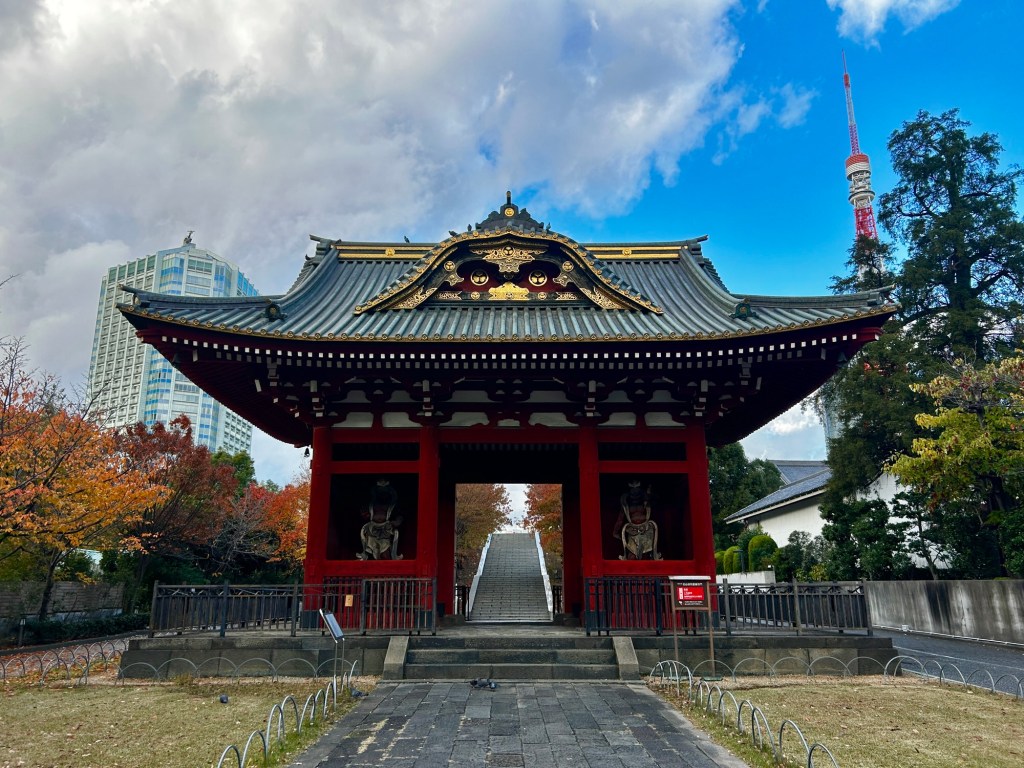
A historic, Edo-period gate in the grounds of Zojoji Temple. Its from 1716.
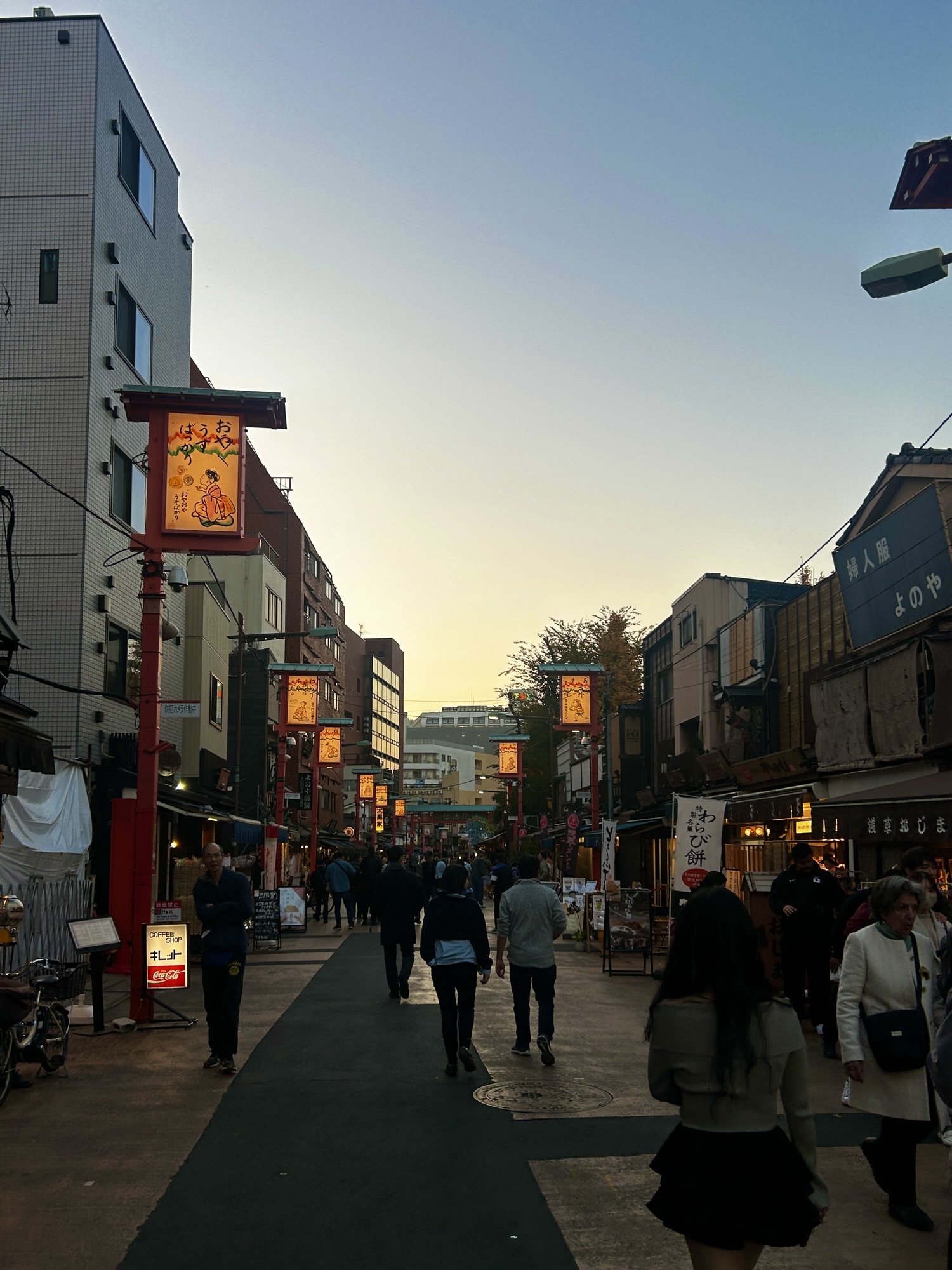
Senso-ji temple
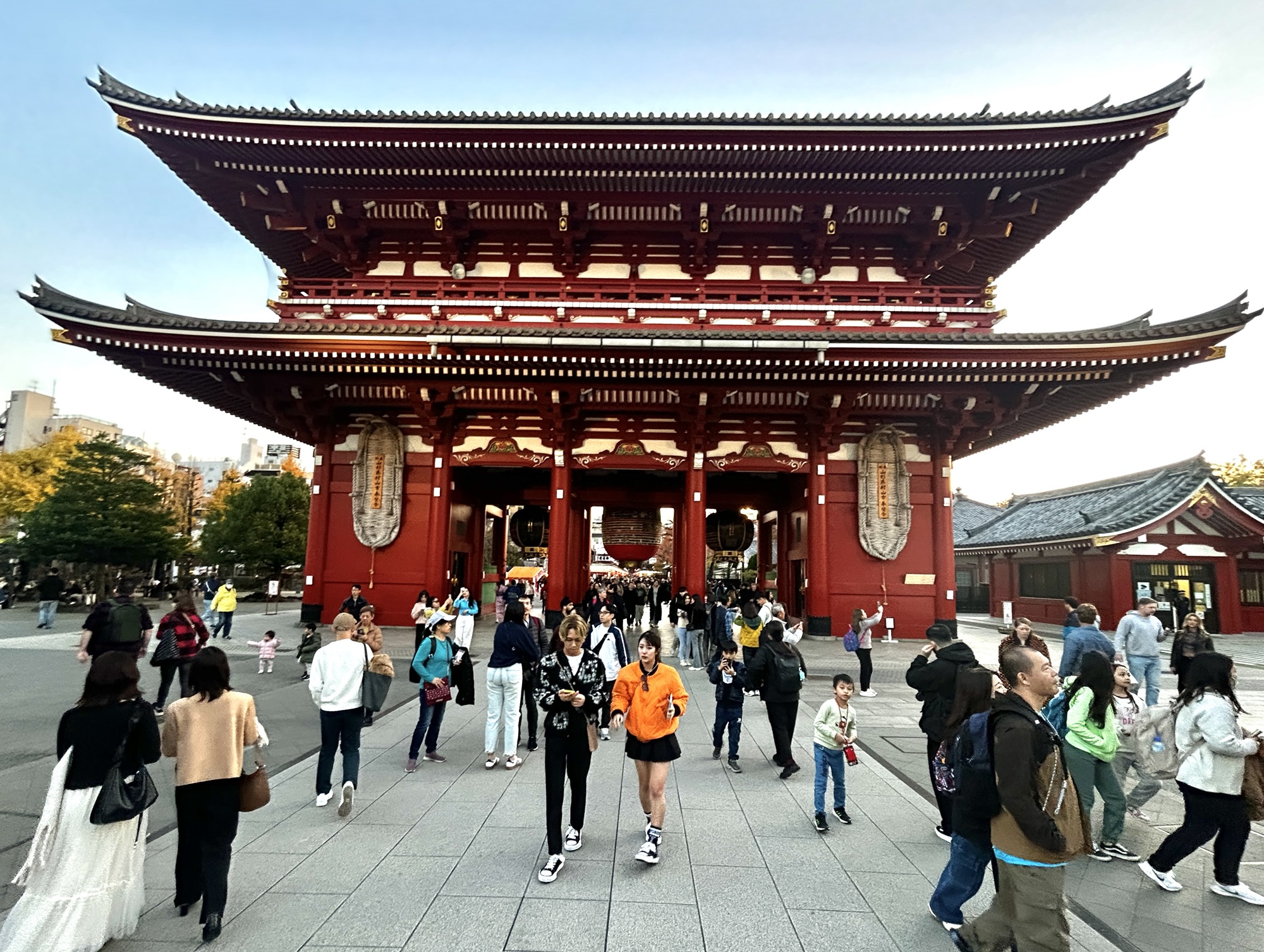
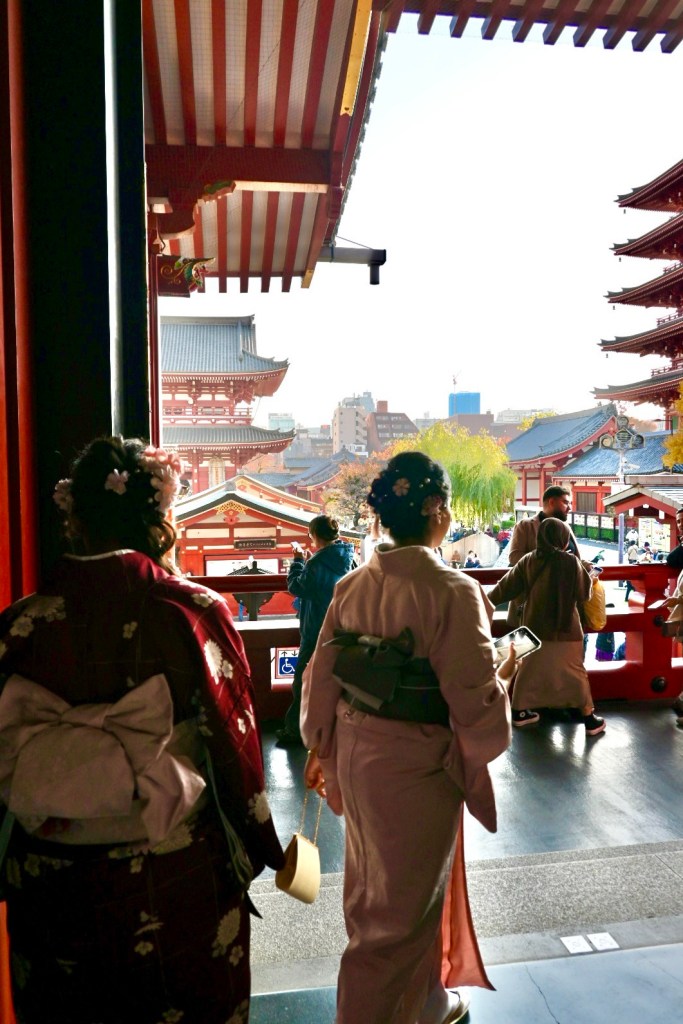
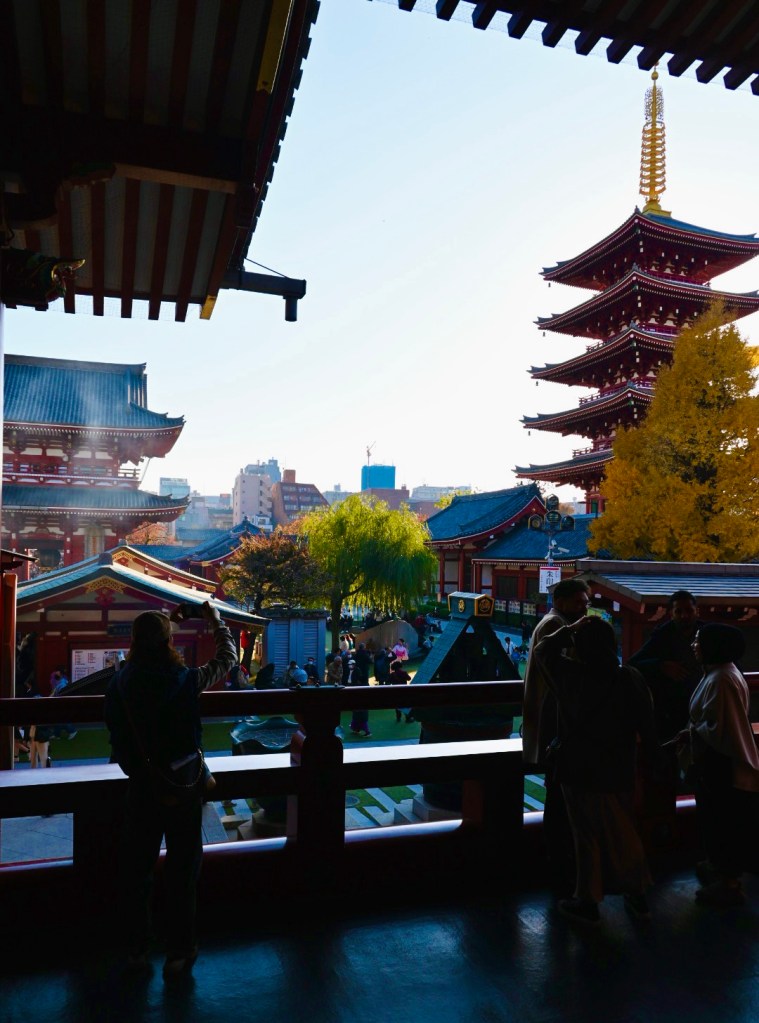
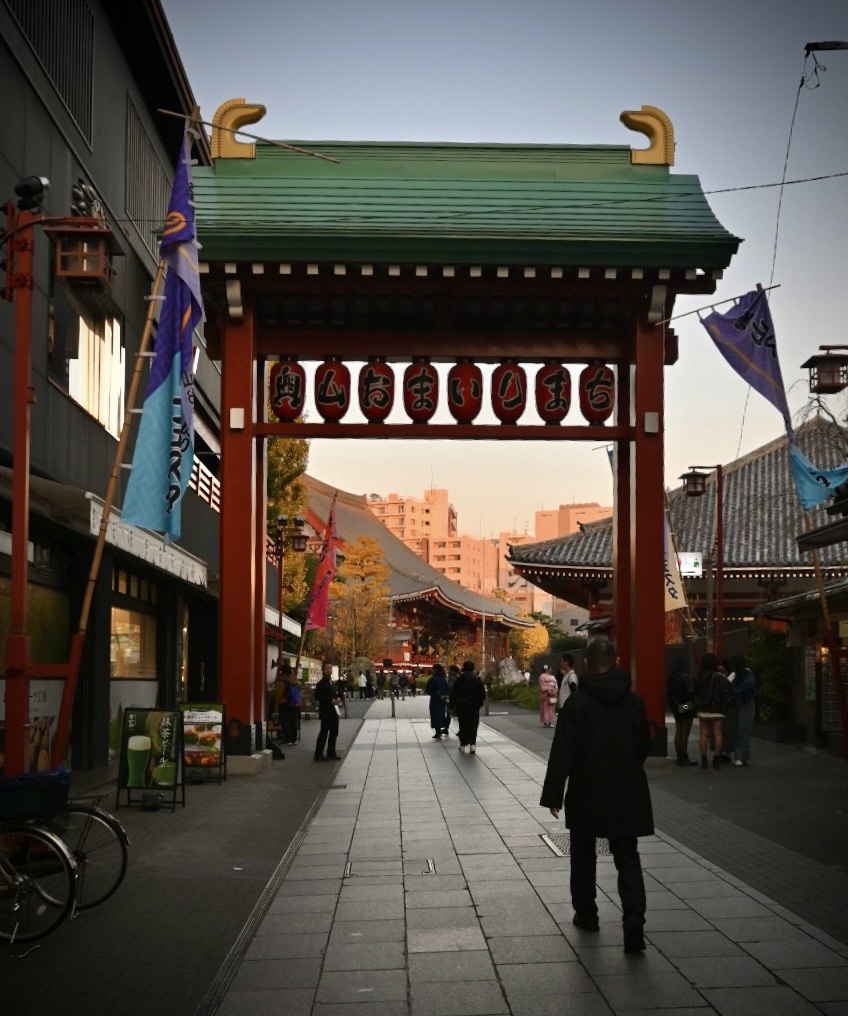
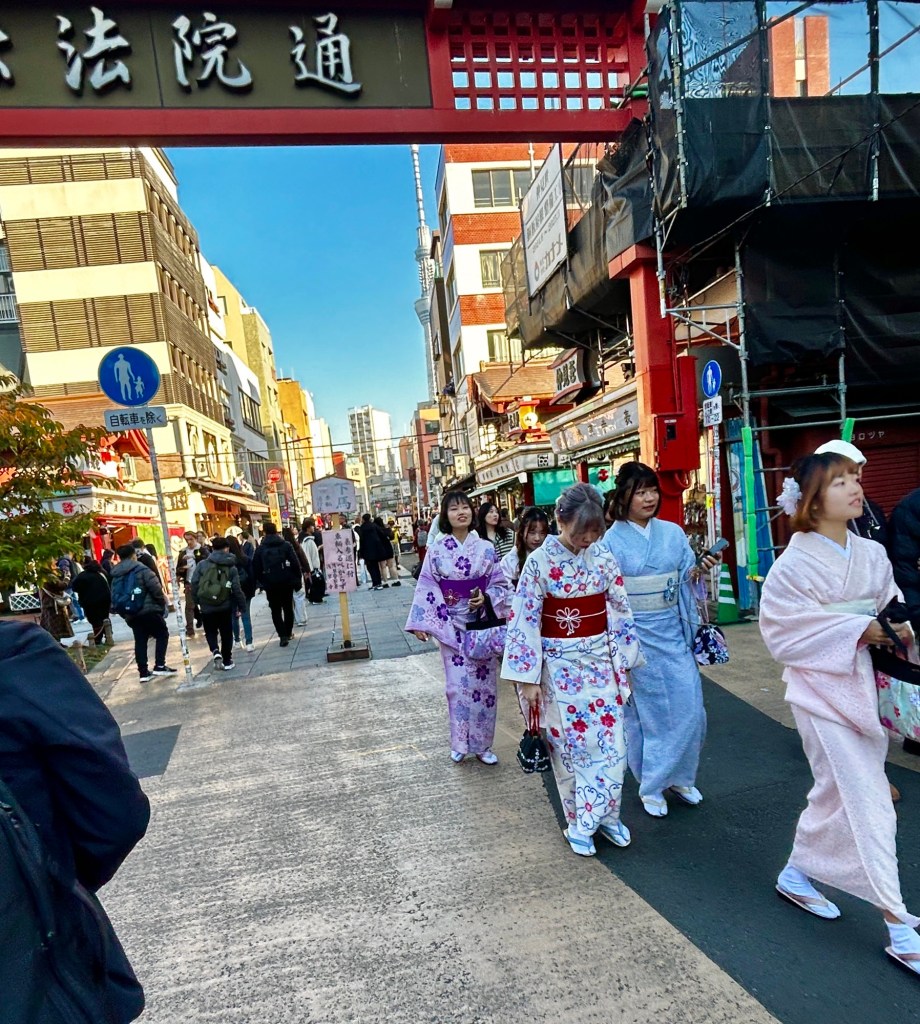
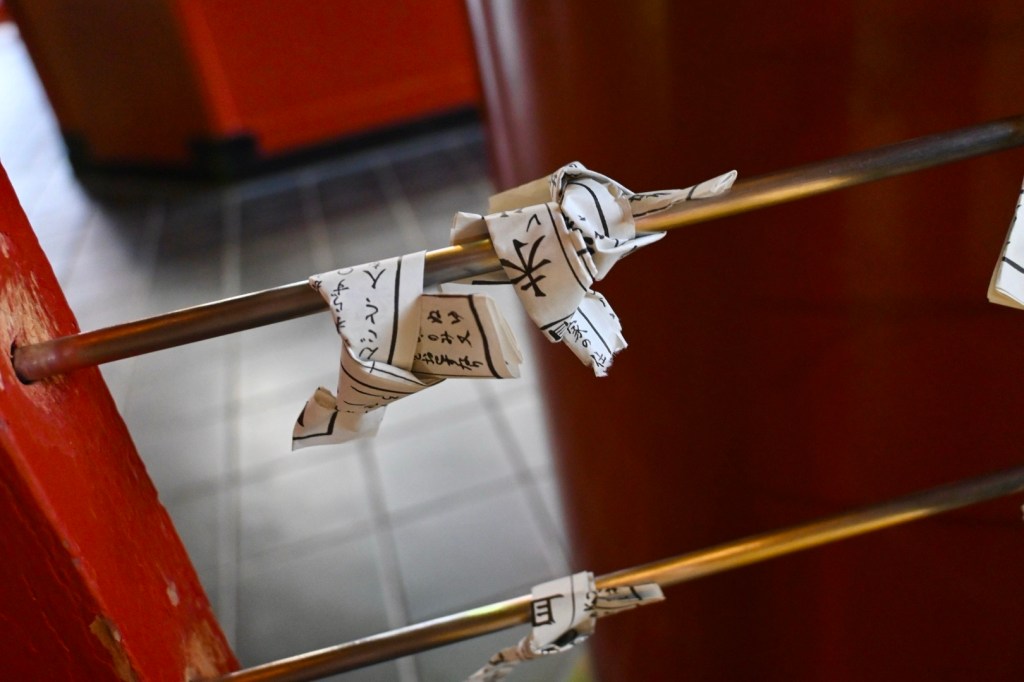
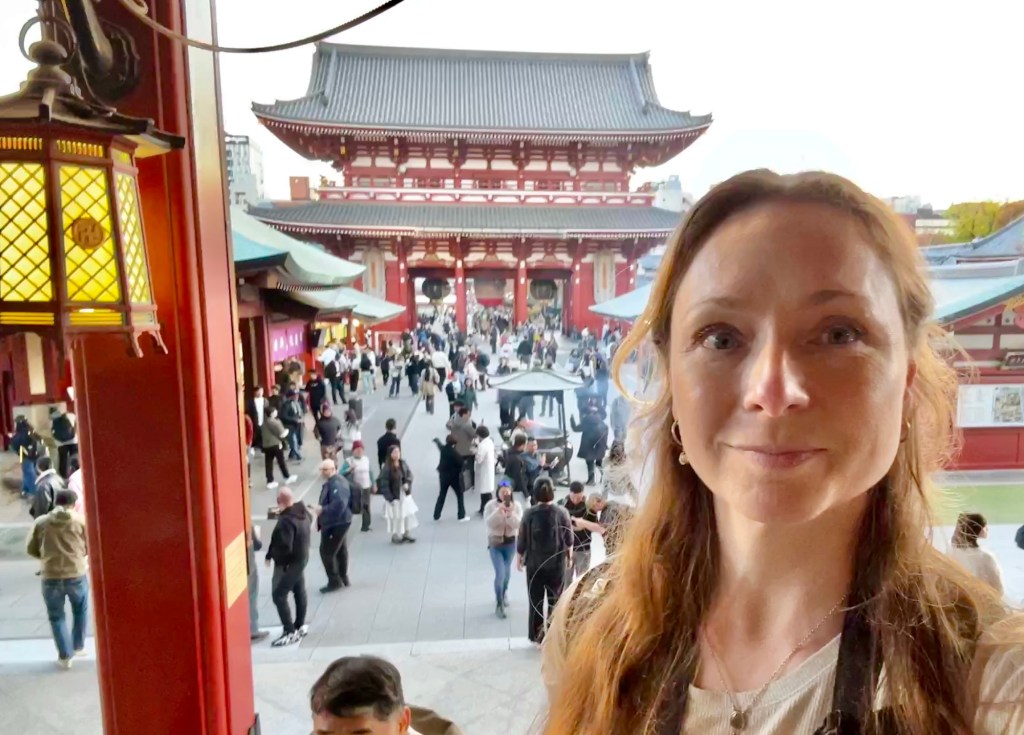
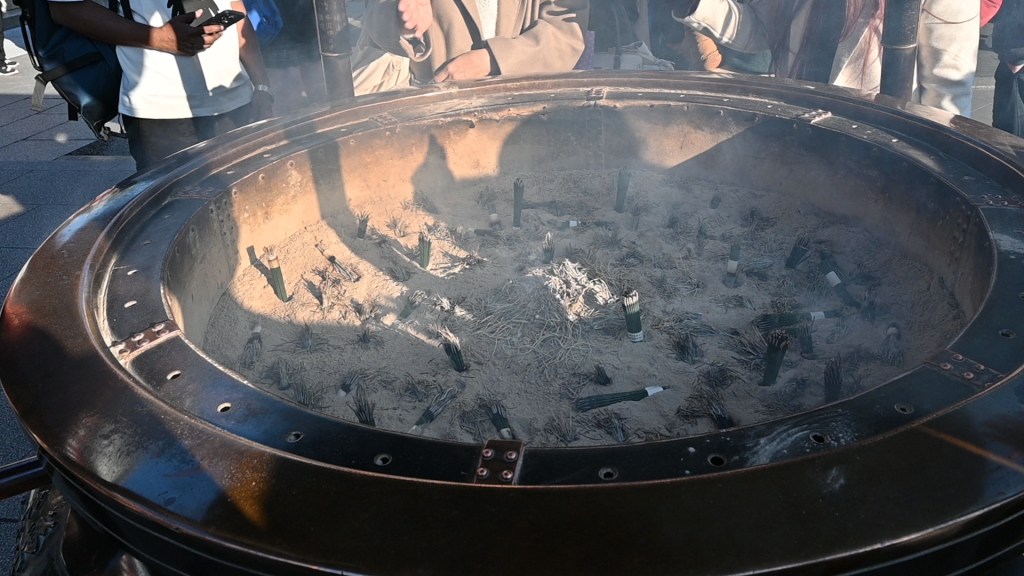
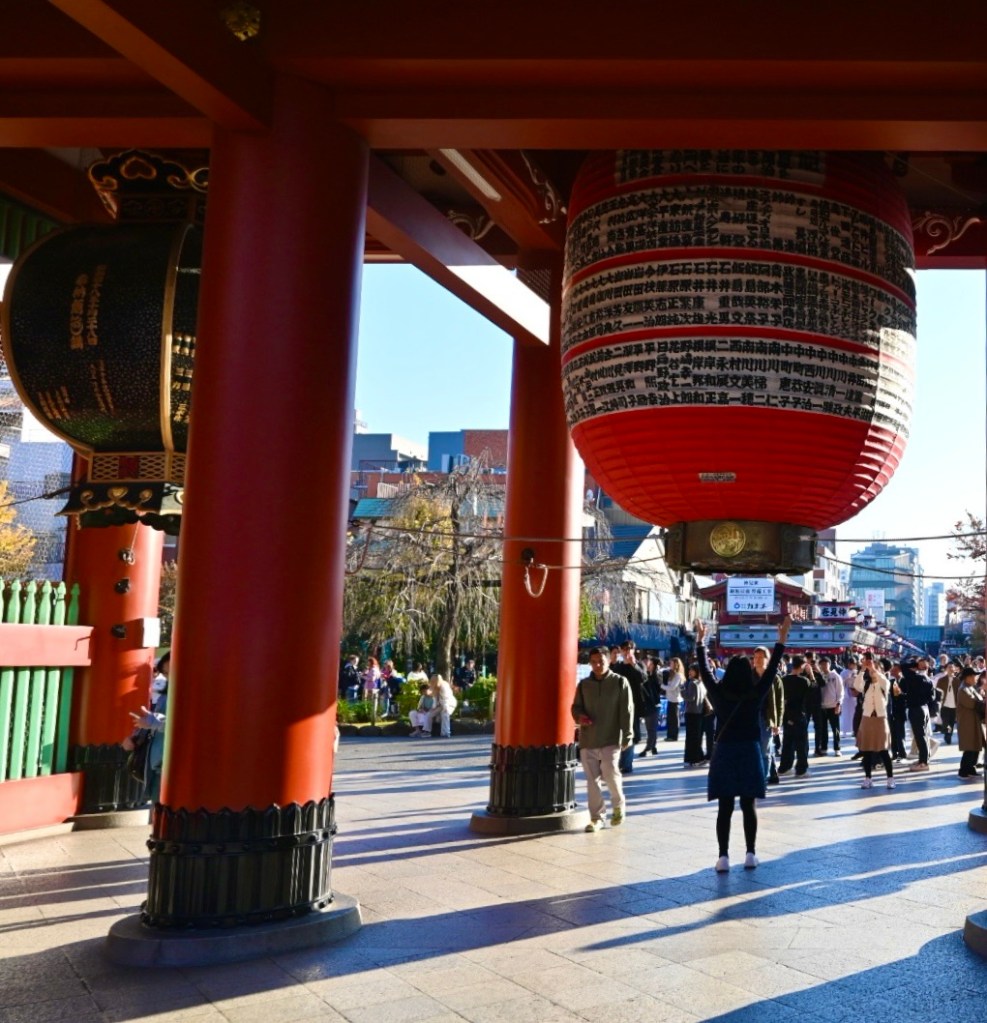
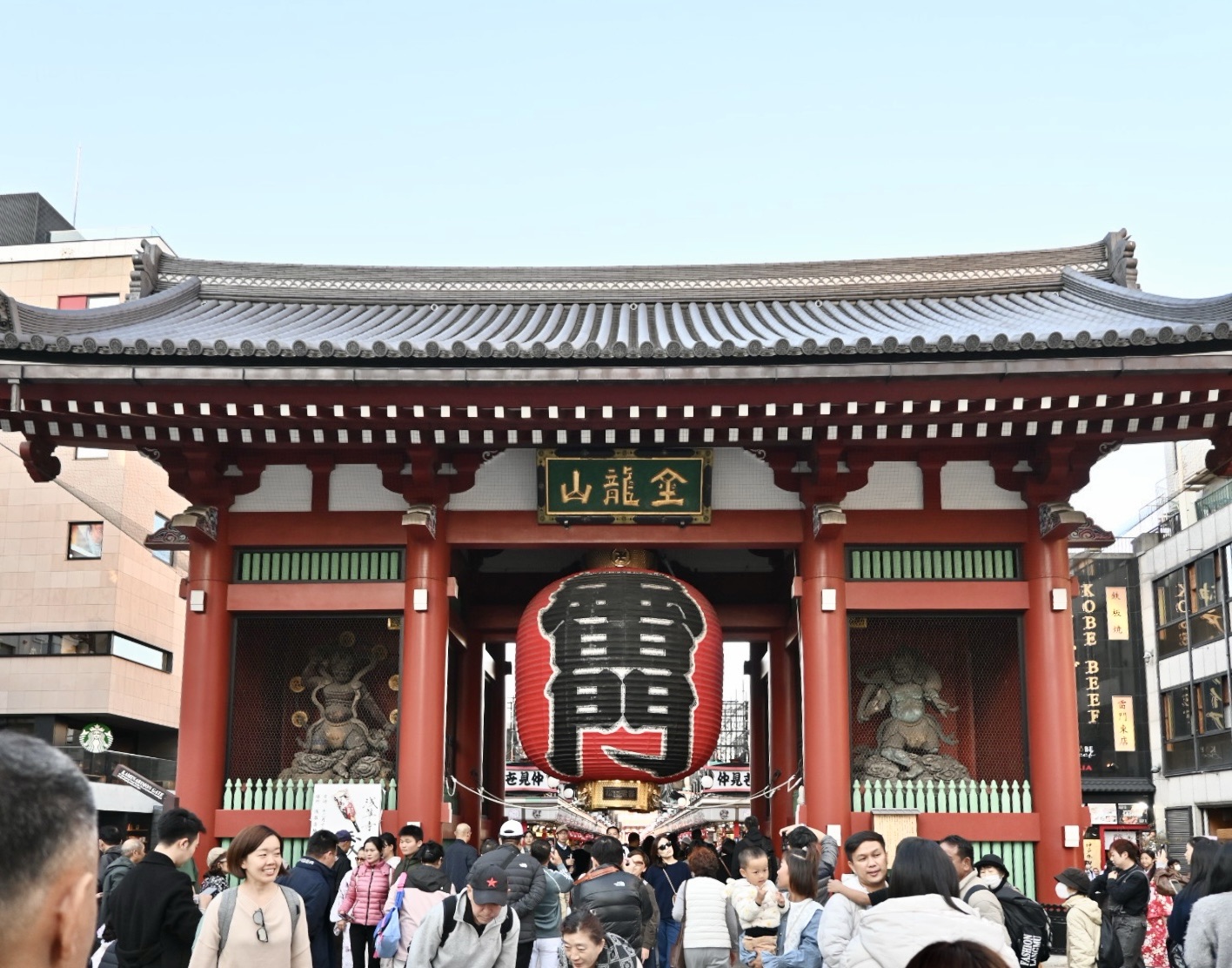
Senso-ji is the oldest temple in Tokyo, and is the temple of Avalokitesvara Bodhisattva (Sho Kanzeon Bosatsu). The story of the temple’s inception goes like this: on a morning in 628, brothers Takenari and Hinokuma Hamanari were fishing in the Sumida River. Bringing in their net, they were surprised that it held a buddhist statue – Avalokitesvara Bodhisattva (Sho Kanzeon Bosatsu). The head of the village then devoted himself to Buddhism and remade his house into a temple. Then, in 645, a Buddhist priest named Shokai came to this region and built a hall for the statue.
Sogenji Temple (Kappa-dera)
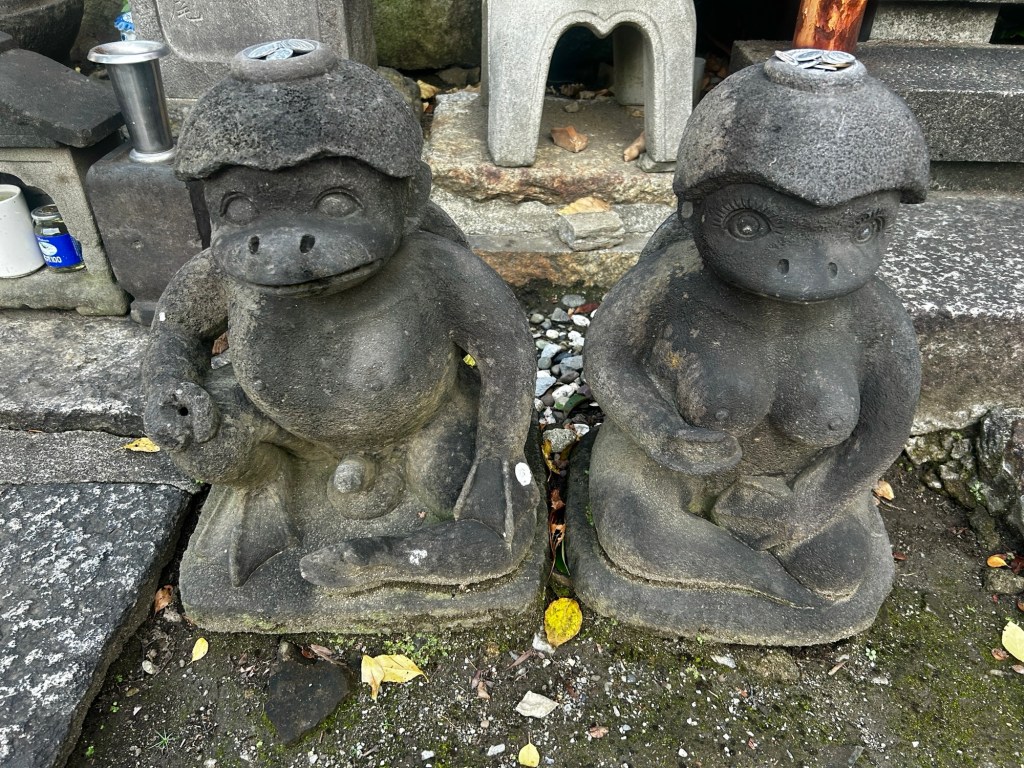
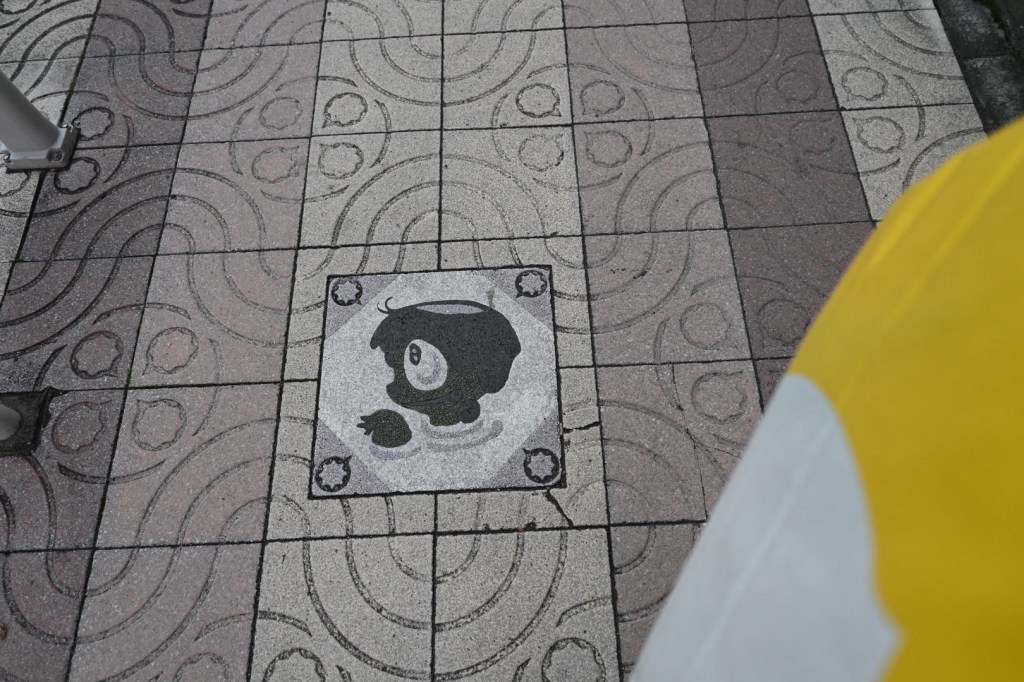
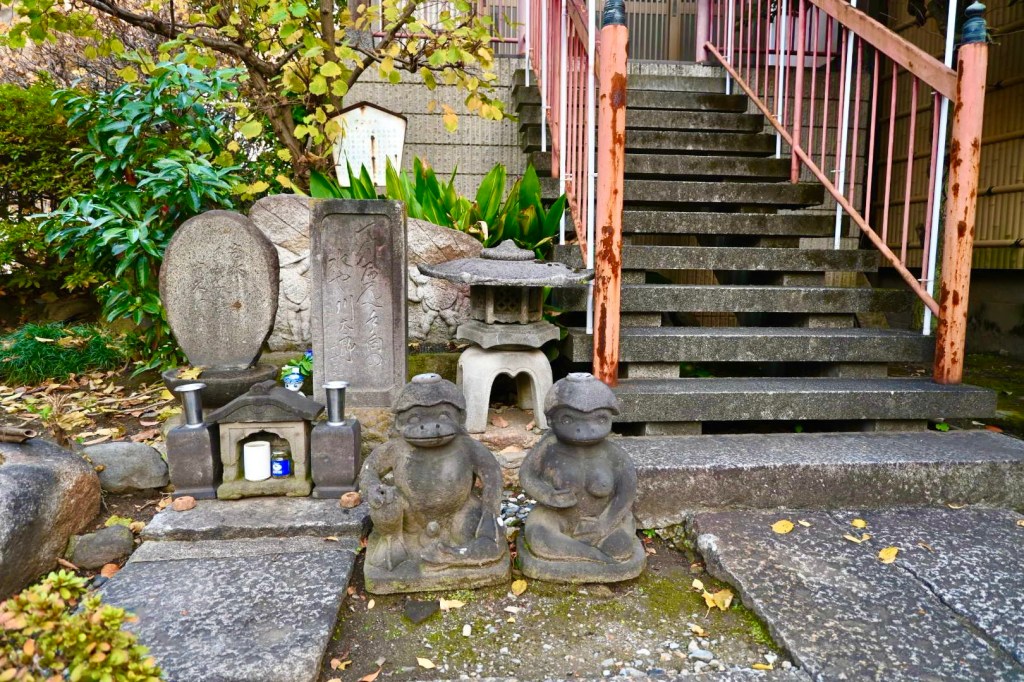
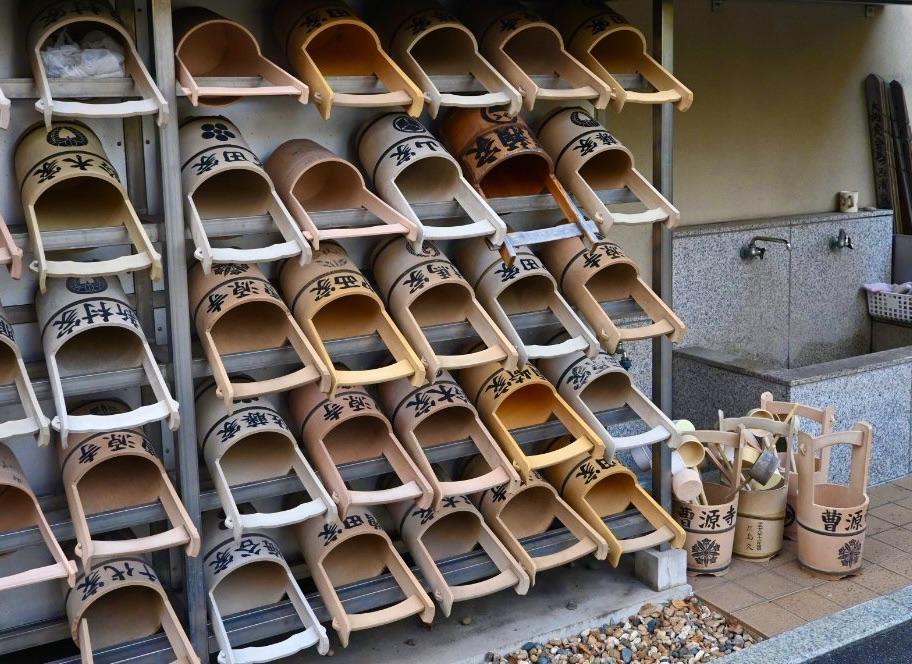
I would have loved to go inside this temple, but instead I satisfied myself admiring the garden and reading about the kappa. Here’s the story:
Sôgen-ji Temple was founded in 1588 and rebuilt in this location in 1657, close to the Sumida River, in an area that was prone to flooding. Legend has it that in the early 1800s, Kihashi Kappaya , a merchant, used his fortune to have a drainage system, dykes and bridges built to protect the area from flooding. All this with the help of the kappa (河童), a famous creature in Japanese mythology- amphibious, with a beak, feet and skin. The mythical kappa lives in fresh water and is reputed to be very polite but also very dangerous. From this legend came the temple’s nickname ” Kappa-dera”, the temple of the kappas.
Zojoji Temple & Jizo Statues
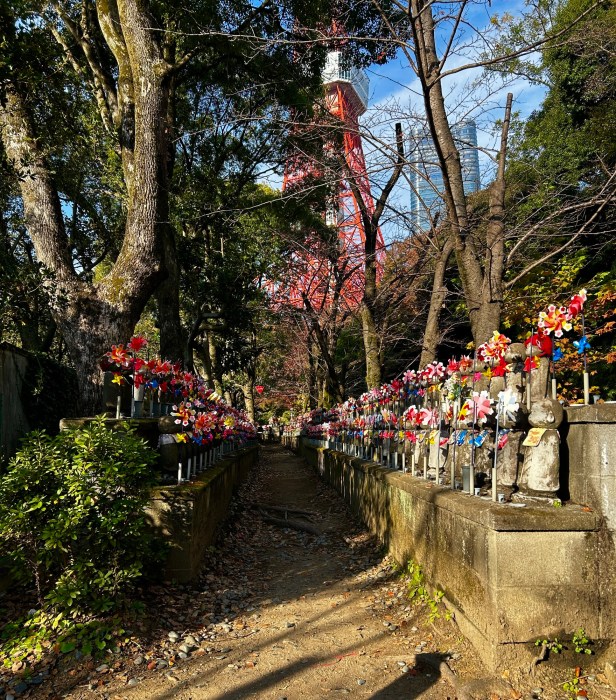
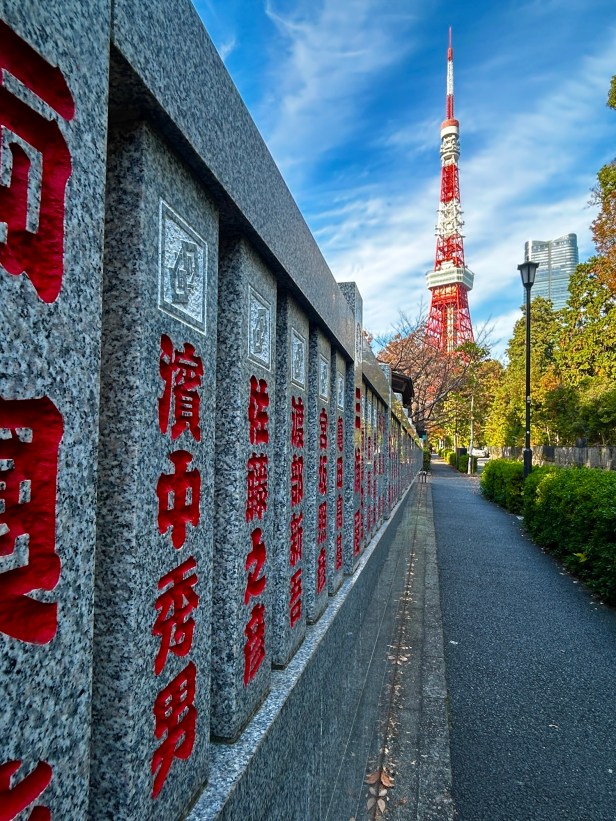
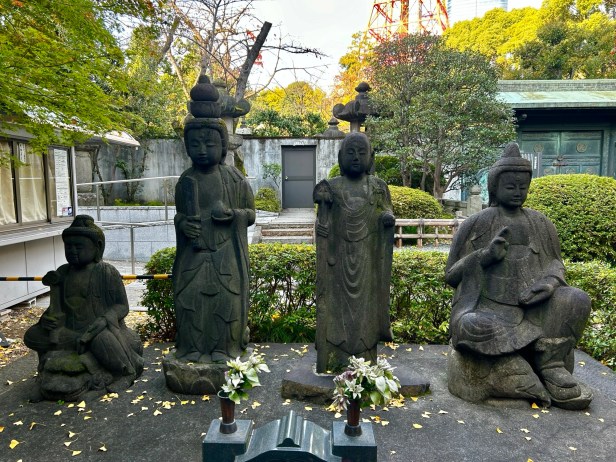
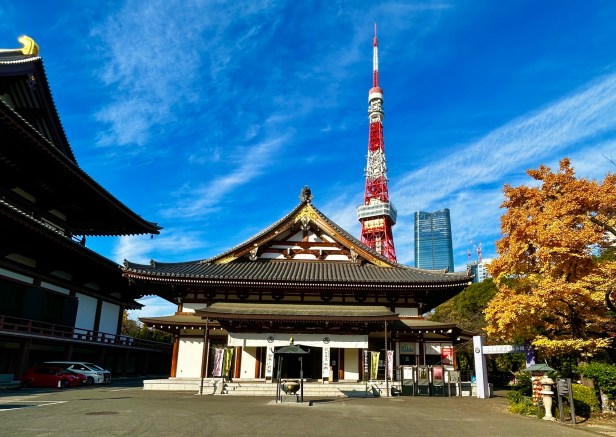
The Zojoji Temple (増上寺, Zōjōji) stands next to Tokyo Tower. Most of the current buildings are recent reconstructions except for the main gate, the Sangedatsumon, which dates from 1622.
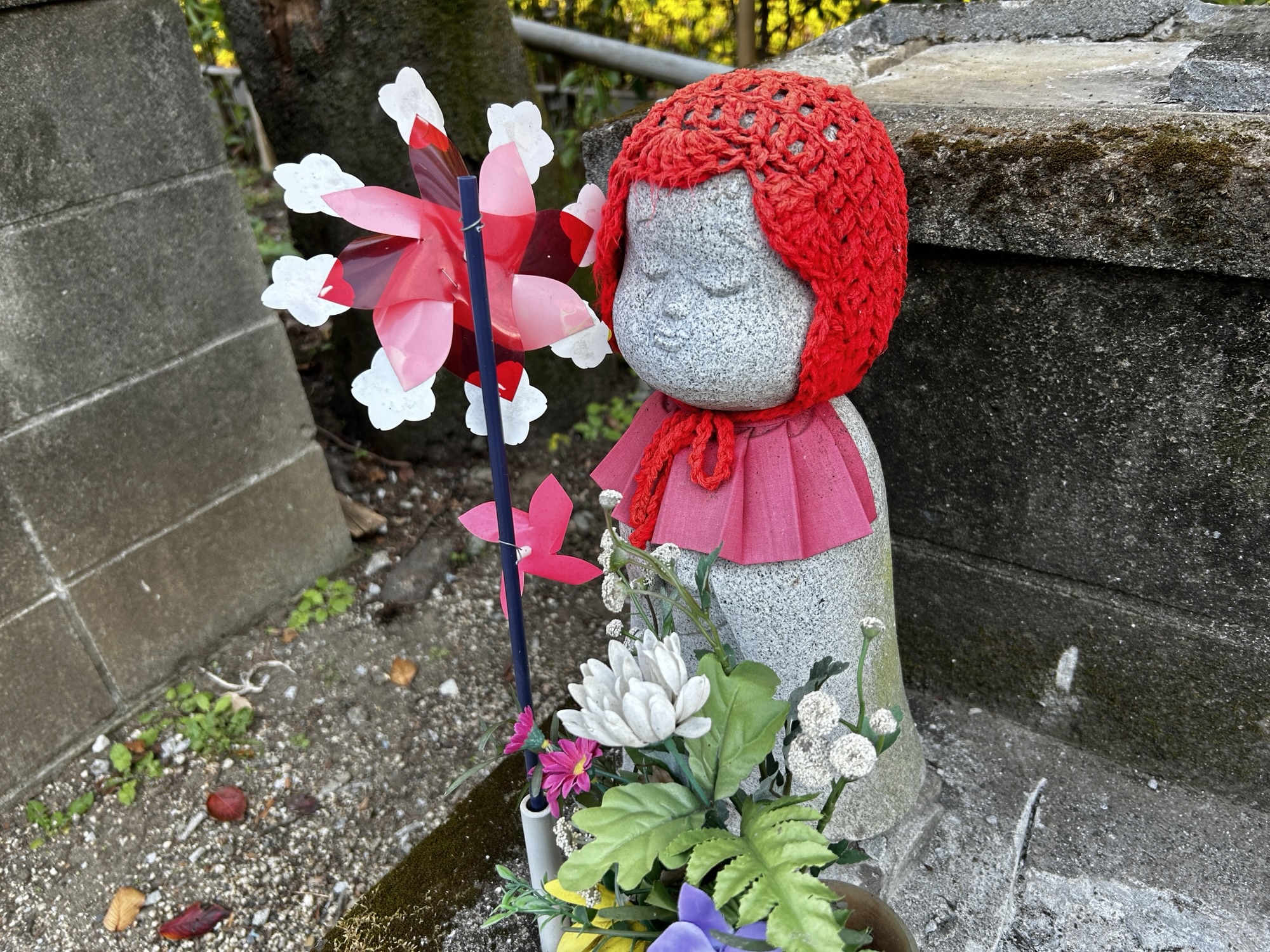
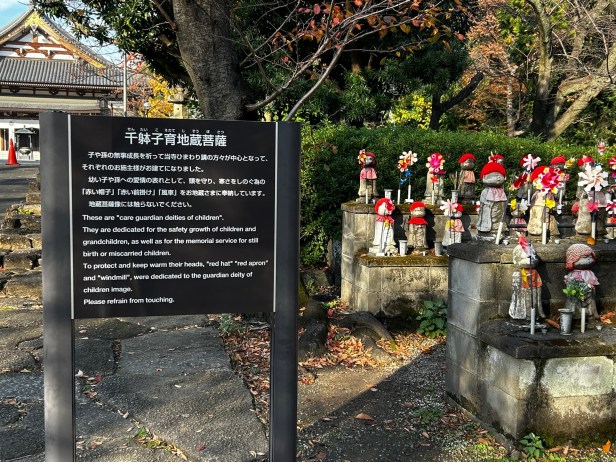
The Jizo statues here are the care deities of children, stone statues representing both the safety and care of children and also as a memorial to unborn children lost to miscarriages, abortions, or stillbirths. You can leave offerings for Jizobosatsu, the Buddhist protector of women and children. Once a month, the temple holds a memorial service called Mizuko Kuyo, and participants make red cloth pouches to hold offerings. The pouches are draped around the statue, incense is lit, and the priest chants. It was very touching to walk through here and see these little Jizo.
Gate of Kyu-Taitokuin Reibyo (Old Taitokuin Mausoleum)
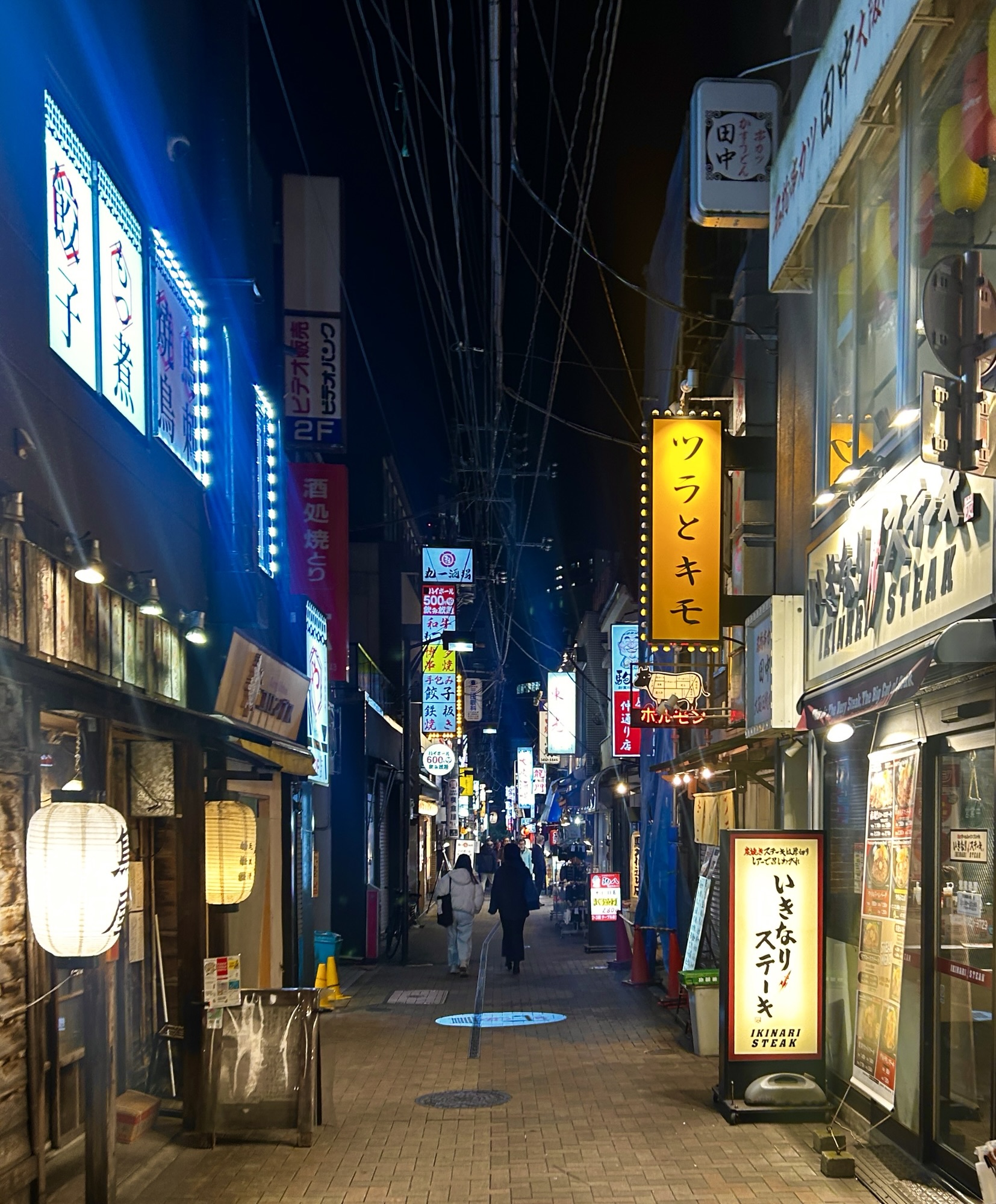
City Sights
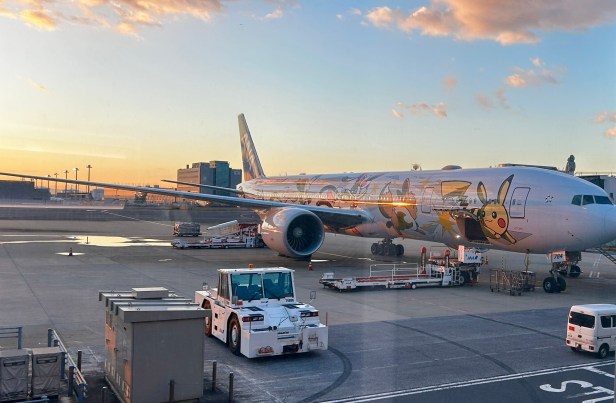
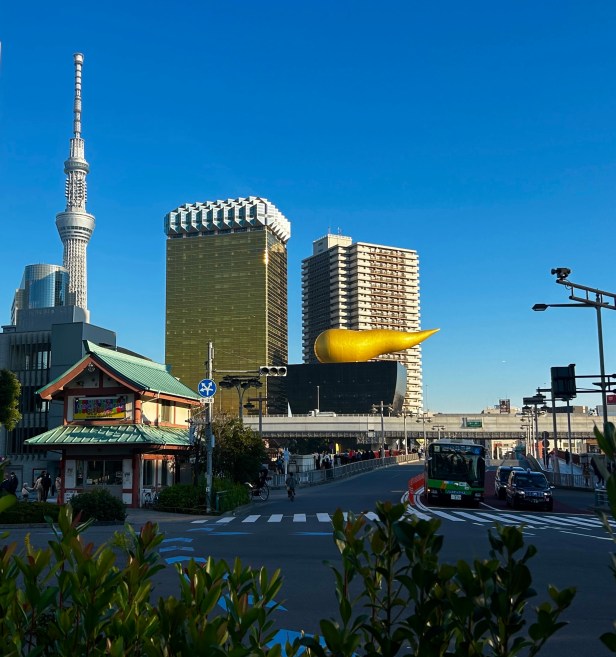
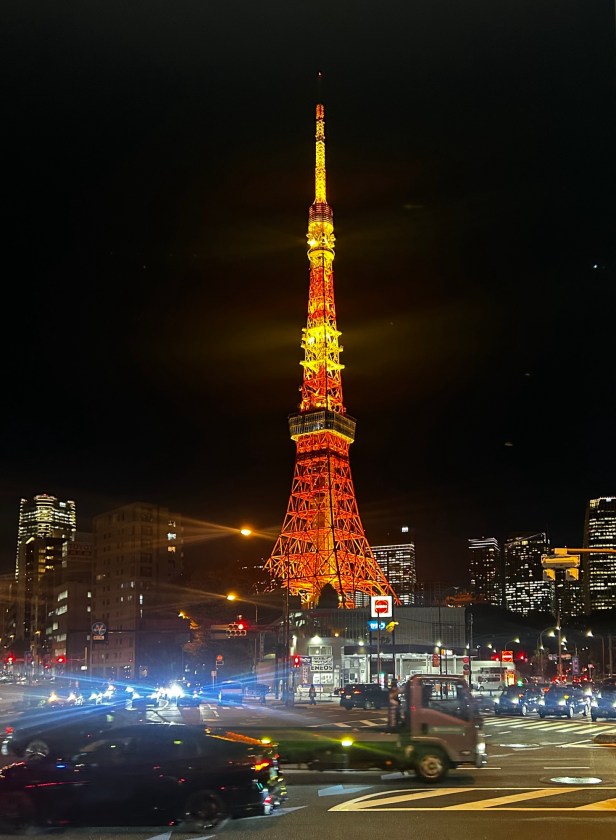
I stayed near the Tokyo Tower, so that was my most common sight, but not to be outdone by the Pokemon airplane I saw!
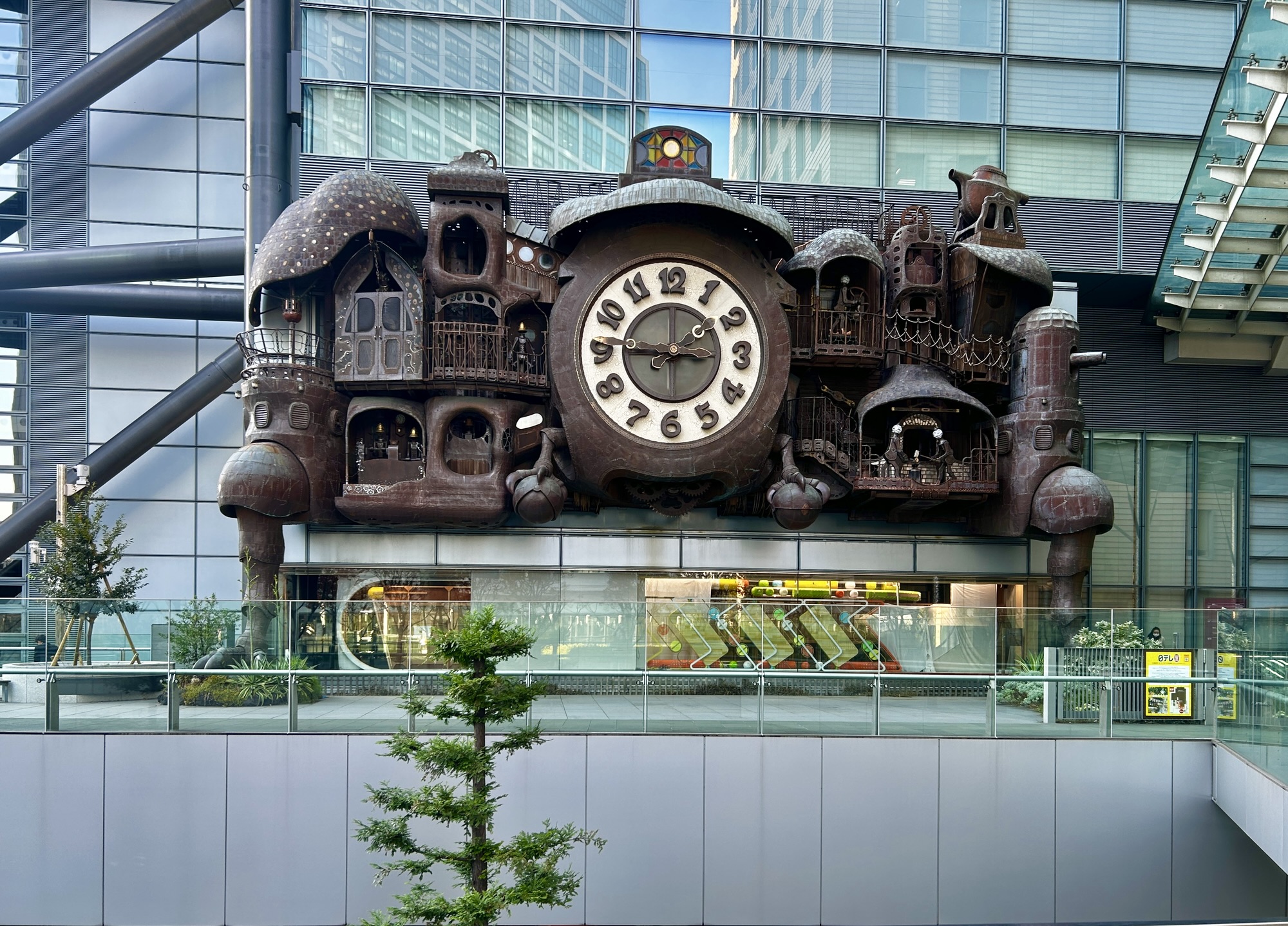
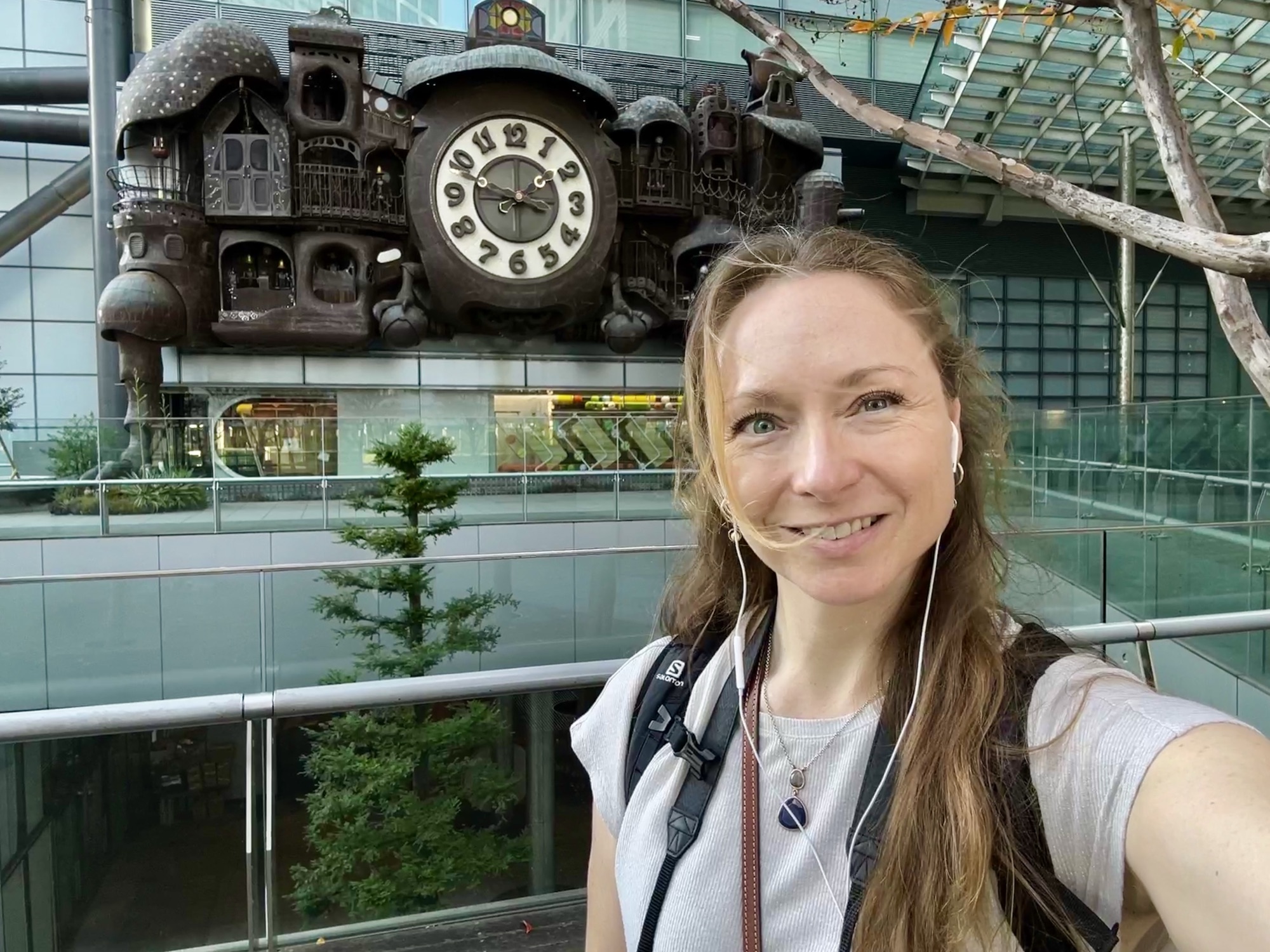
The Hayao Miyazaki-designed Ni-Tele Really Big Clock (Nittere Ōdokei) automaton clock outside the Nippon Television Tower. It performs a mechanical show four to five times a day.
Meals
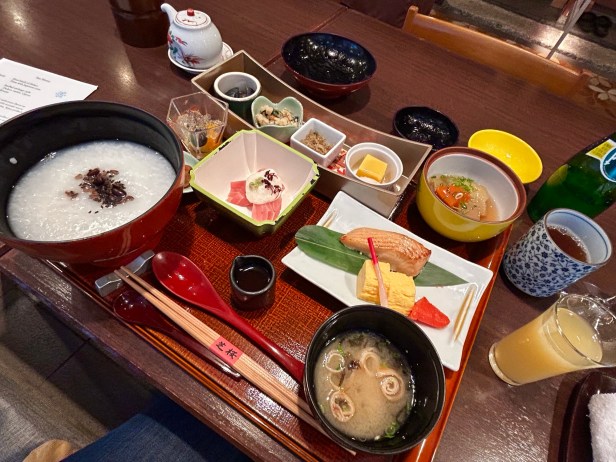
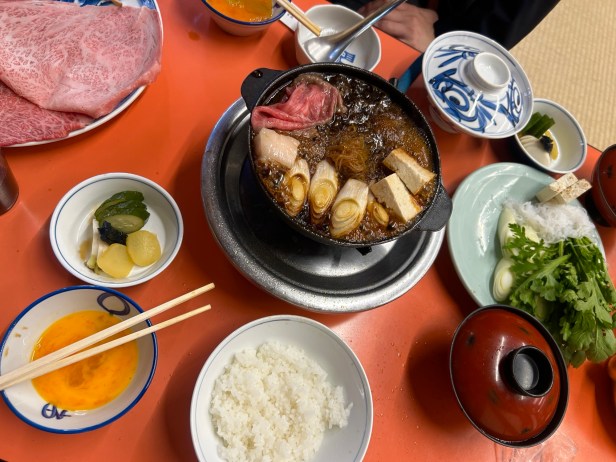
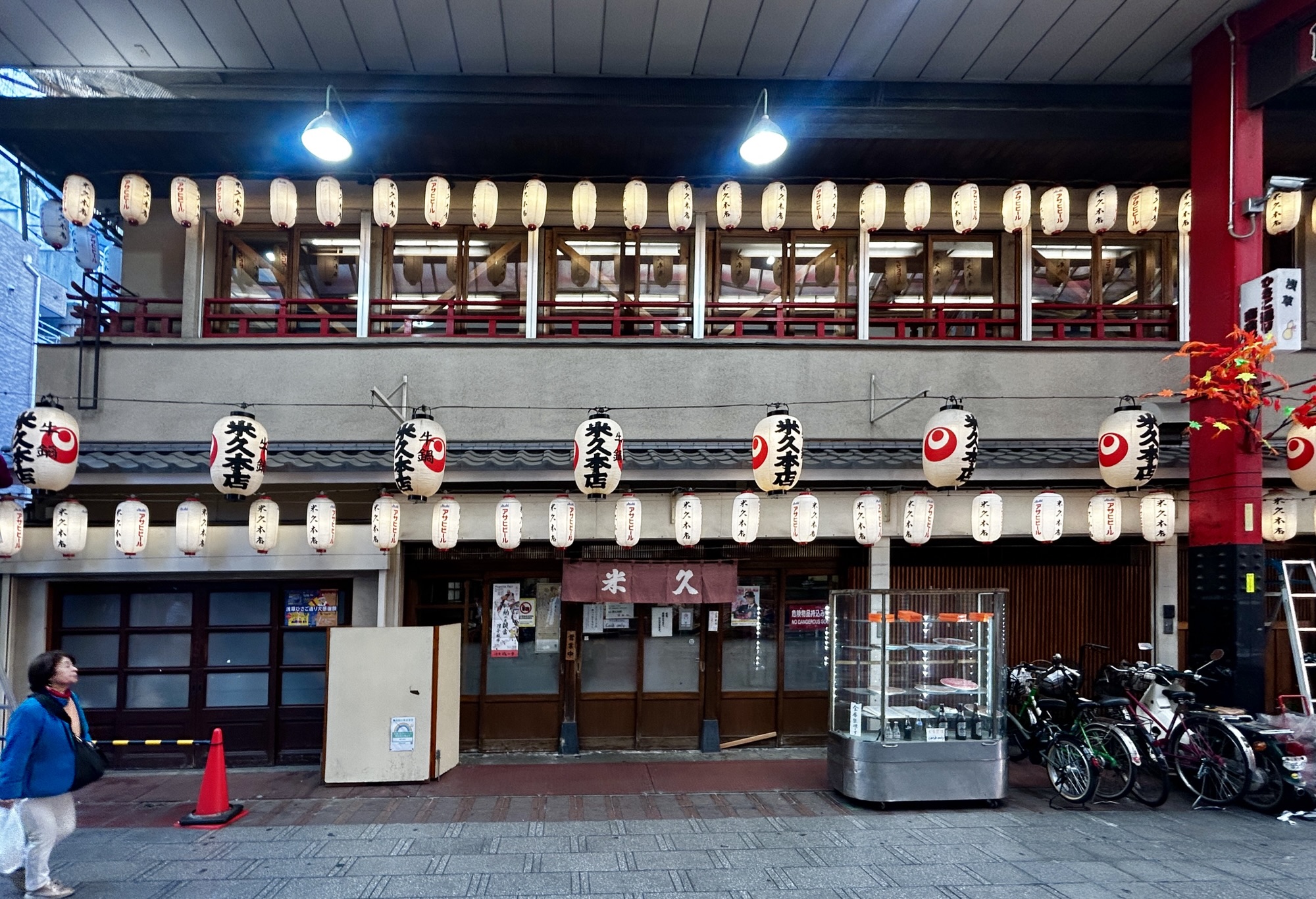
I had some wonderful meals – Japanese breakfast at the hotel was both amazing and gorgeous, and tried sukiyaki for my first time at Gyūnabe Yonekyū with a colleague. I could not get enough of it.
 thecloudsarelowerhere