
Learning about Josefov, the Jewish quarter in Prague
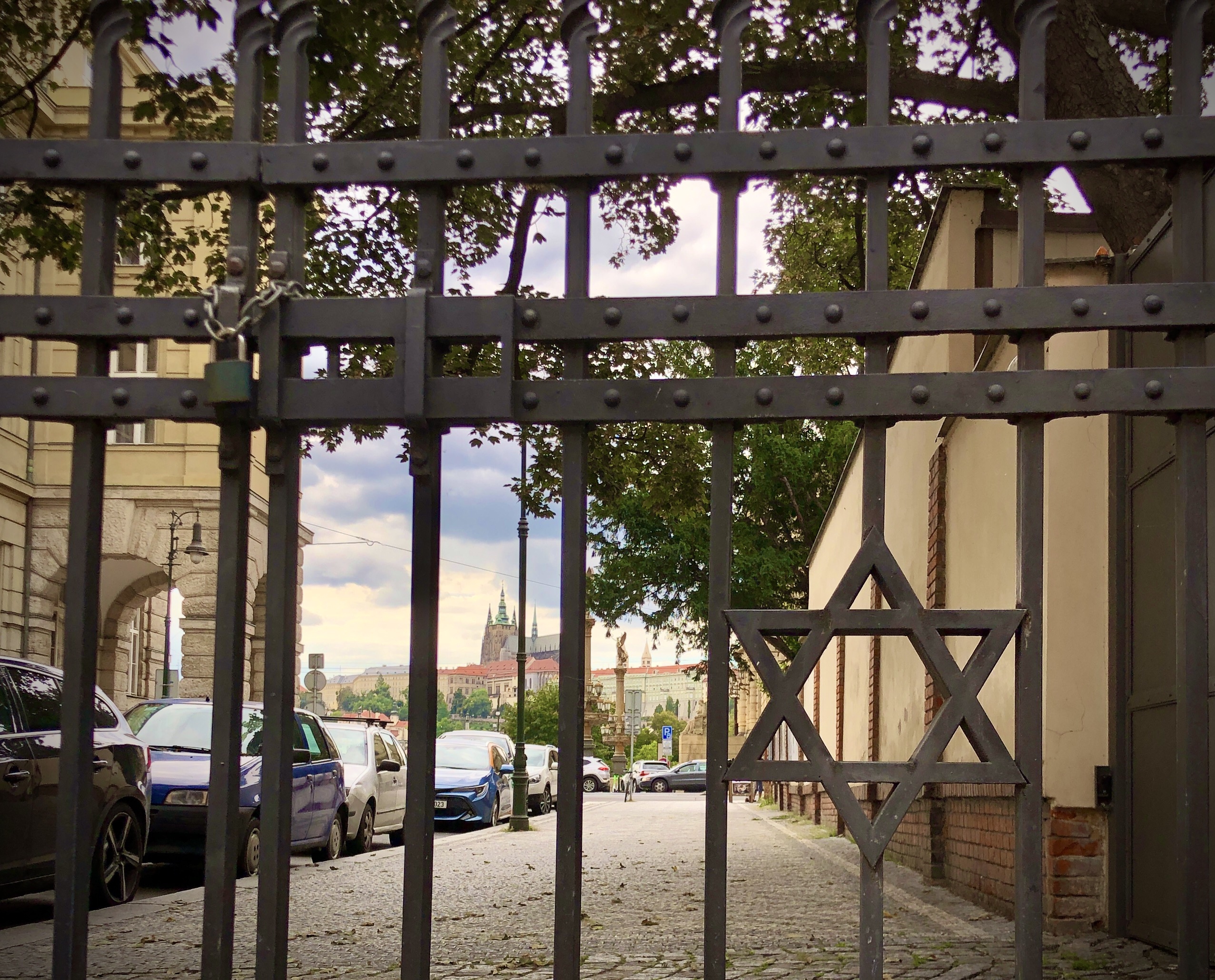
Prague contains one of the most important remaining Jewish Quarters in Europe. Whereas many Jewish Quarters were destroyed during WWII, Adolf Hitler intended to preserve Prague’s Jewish Quarter as a “Museum of an Extinct Race”. For this reason, the Nazis stole Jewish artefacts from other occupied territories and brought them to Prague. Luckily the Nazi’s plans did not come to pass, although only a small fraction of Jewish population that once lived in Prague remain. Yet Prague’s Jewish Quarter still stands, holding a rich cultural history for visitors to experience and learn about, as well as seeing the impact of the holocaust on the Jewish people of the region.
Prague’s Jewish Quarter was created in 1096, and it was once the largest Jewish ghetto in Europe. The second world war was of course not the start of Jewish persecution; in the 13th century, Jewish people were ordered to vacate their homes and settle in the Jewish Quarter. They were banned from living anywhere else in Prague, and new arrivals also came; populations who had been expelled from Moravia, Germany, Austria or Spain. Similarly, other European cities contain or used to contain Jewish Quarters, or ghettos, including Seville, Warsaw, Córdoba, Budapest, and Rome, to name a few. These neighborhoods could not grow out and so they grew up, taller and taller, in order to house growing populations, You can still see and learn about these communities, and often see the past represented in the restaurants, buildings, and remaining synagogues, but Josefov holds some of the most complete collections of Jewish historical artefacts.
Josefov became a UNESCO heritage site in 1992. Housed within the neighborhood are a number of important sites – the Pinkas, Old-New, Maisel, Klausen, and the Spanish Synagogues, and the Old Jewish Cemetery.
Maisel Synagogue, Maiselova synagoga
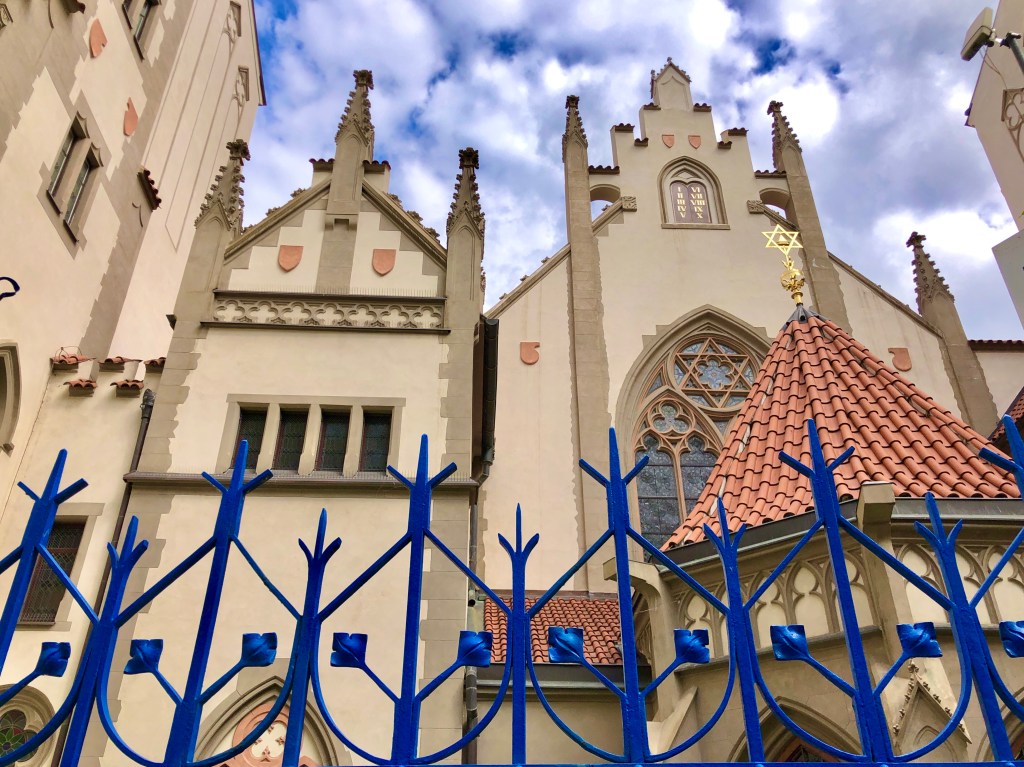

Built in 1592 and founded by Mordecai Maisel, Maisel Synagogue was originally a Renaissance temple. In 1689 the synagogue burnt down in a ghetto fire and was rebuilt many times.

Pinkas Synagogue

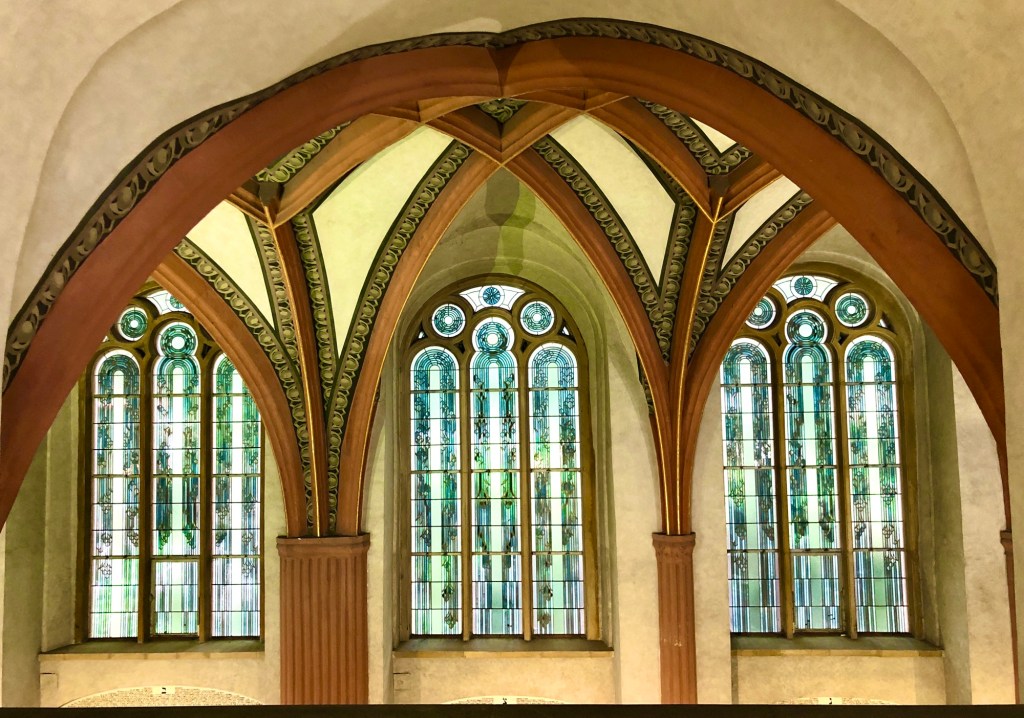
The second oldest preserved synagogue in Prague, Pinkas was built in 1535. In 1955-60 it was turned into a memorial; lining the walls are the names of the nearly 80,000 Jewish victims of the Shoah from the Czech lands. It is the work of two painters, Václav Boštík and Jiří John. The memorial was closed to the public for more than 20 years following the Soviet invasion of 1968, and the walls were destroyed from groundwater creep. After the Velvet Revolution and the fall of the Communist regime, the memorial could be reopened, but first it required restoration. This memorial is so beautiful, and sad – its very moving to see the laboriously hand painted script of names, seemingly endlessly lining the walls.
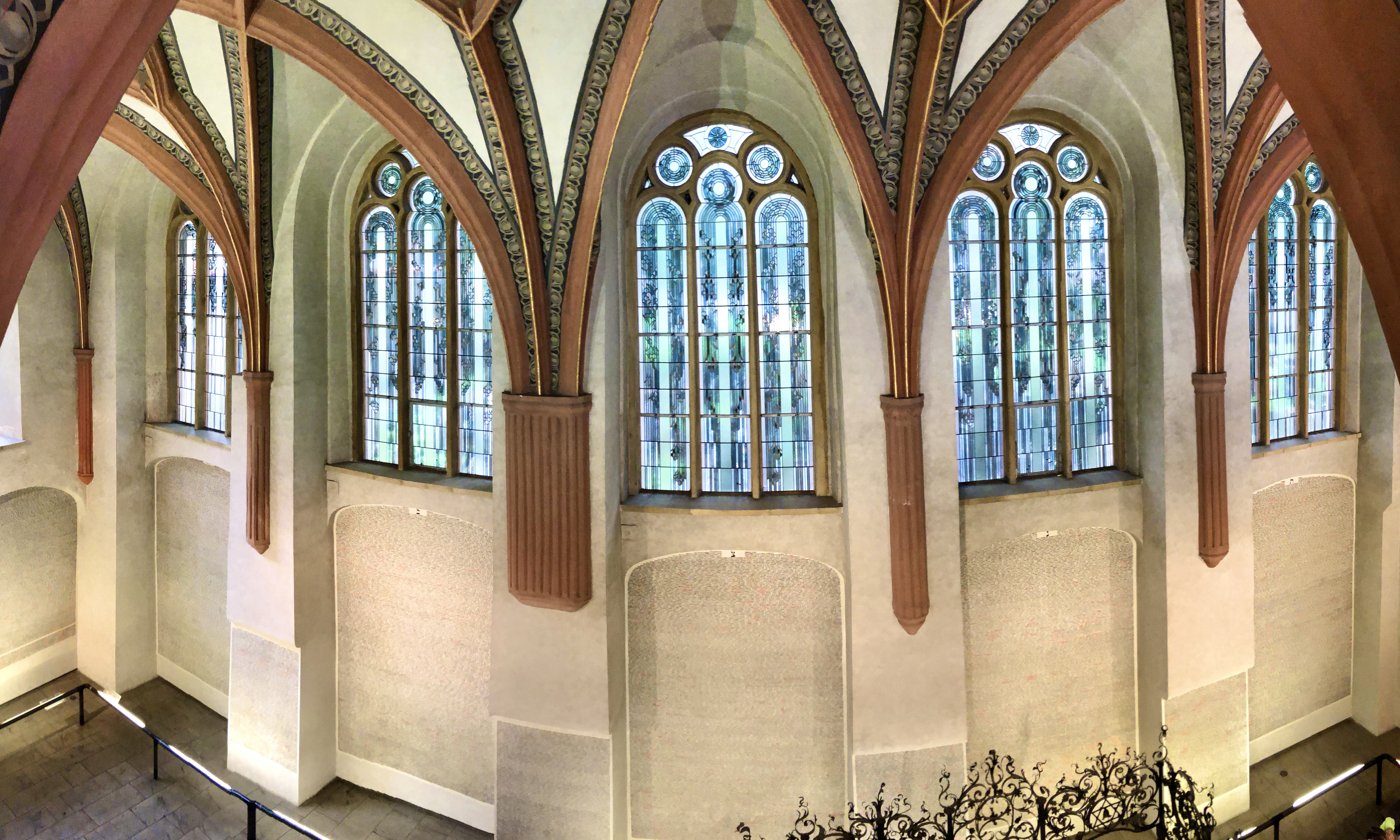
Now there’s also an exhibition of drawings by children incarcerated in the Terezín ghetto during WWII, documenting the transports to Terezín and daily life in the ghetto.

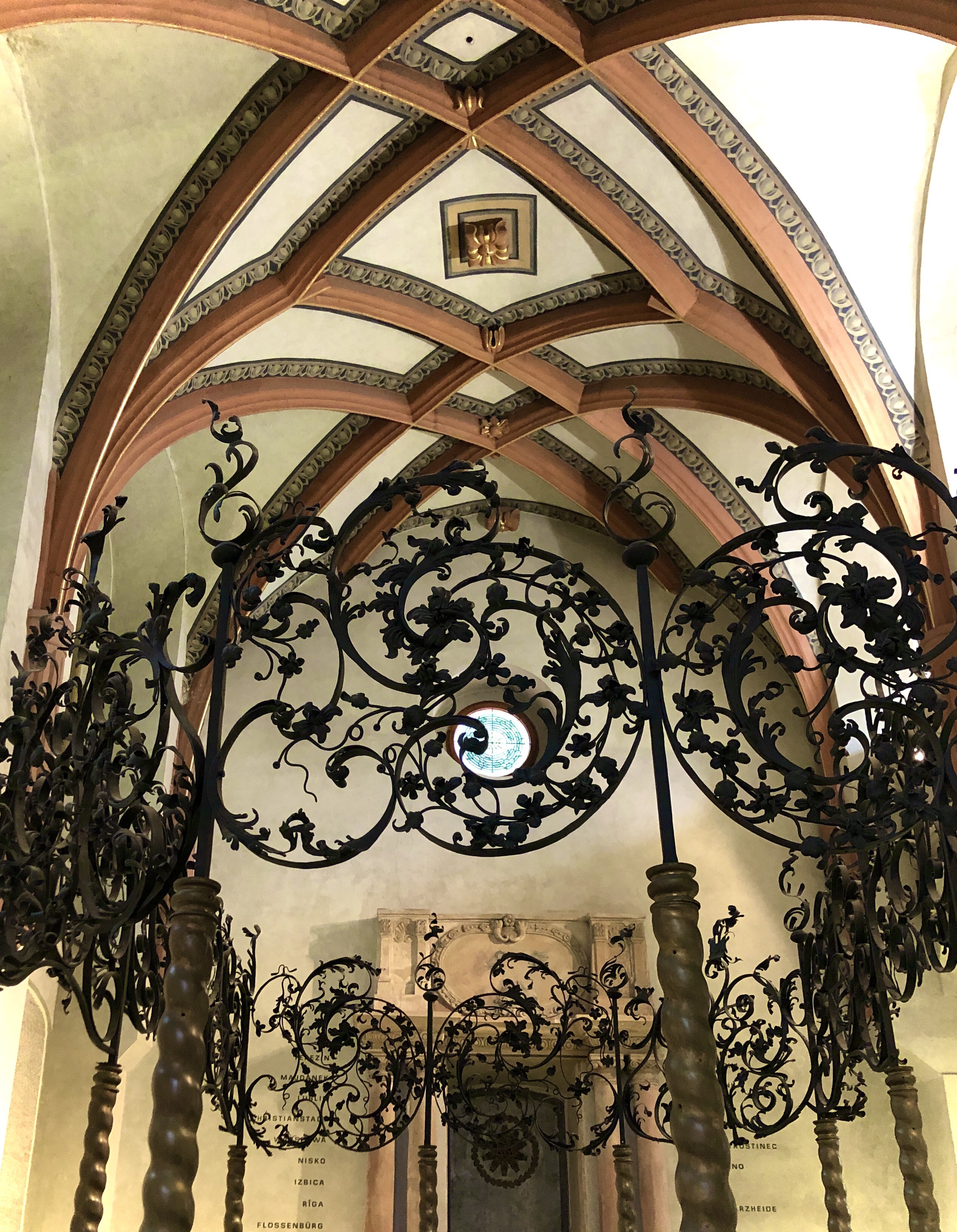
Old Jewish Cemetery
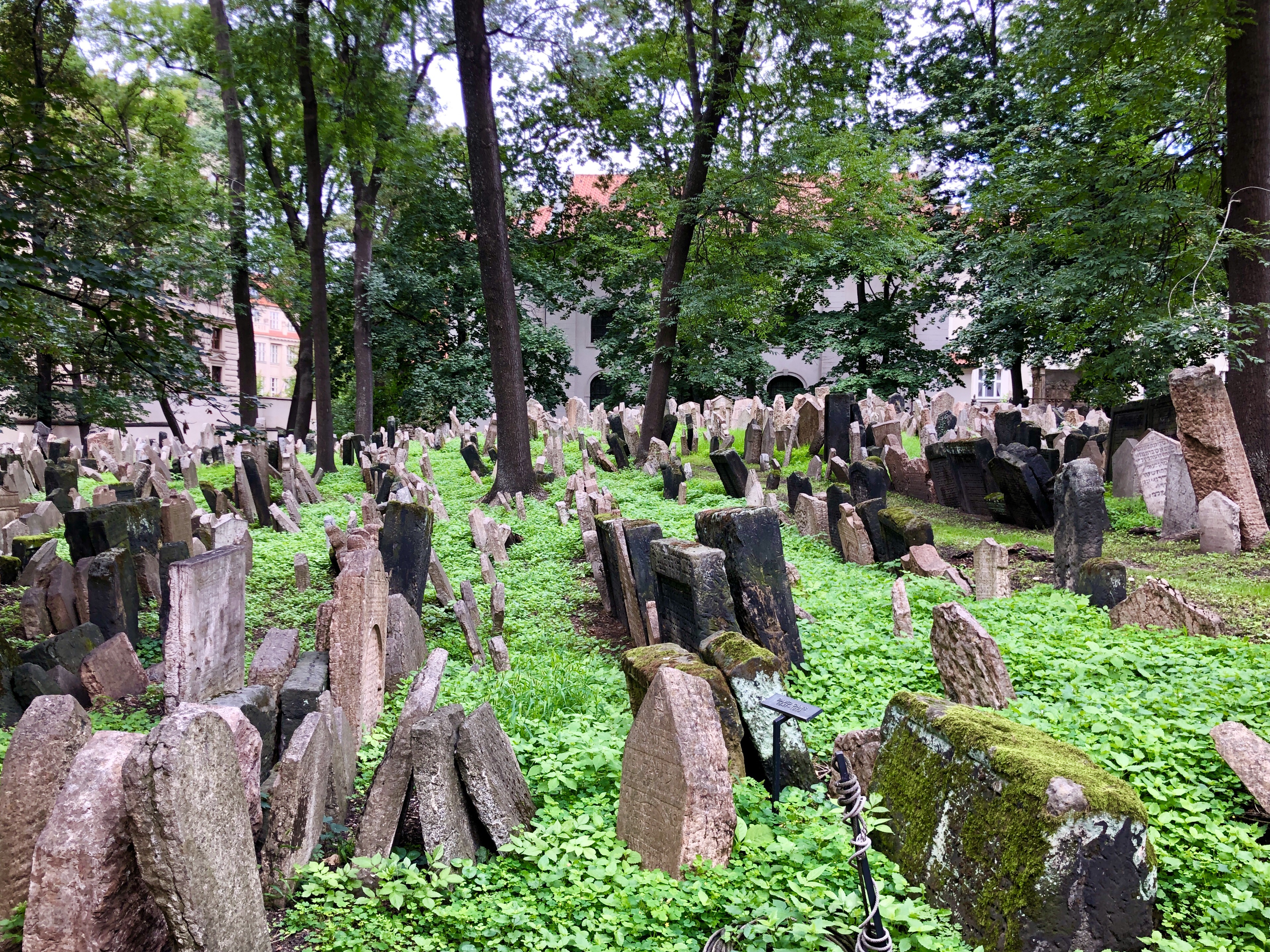
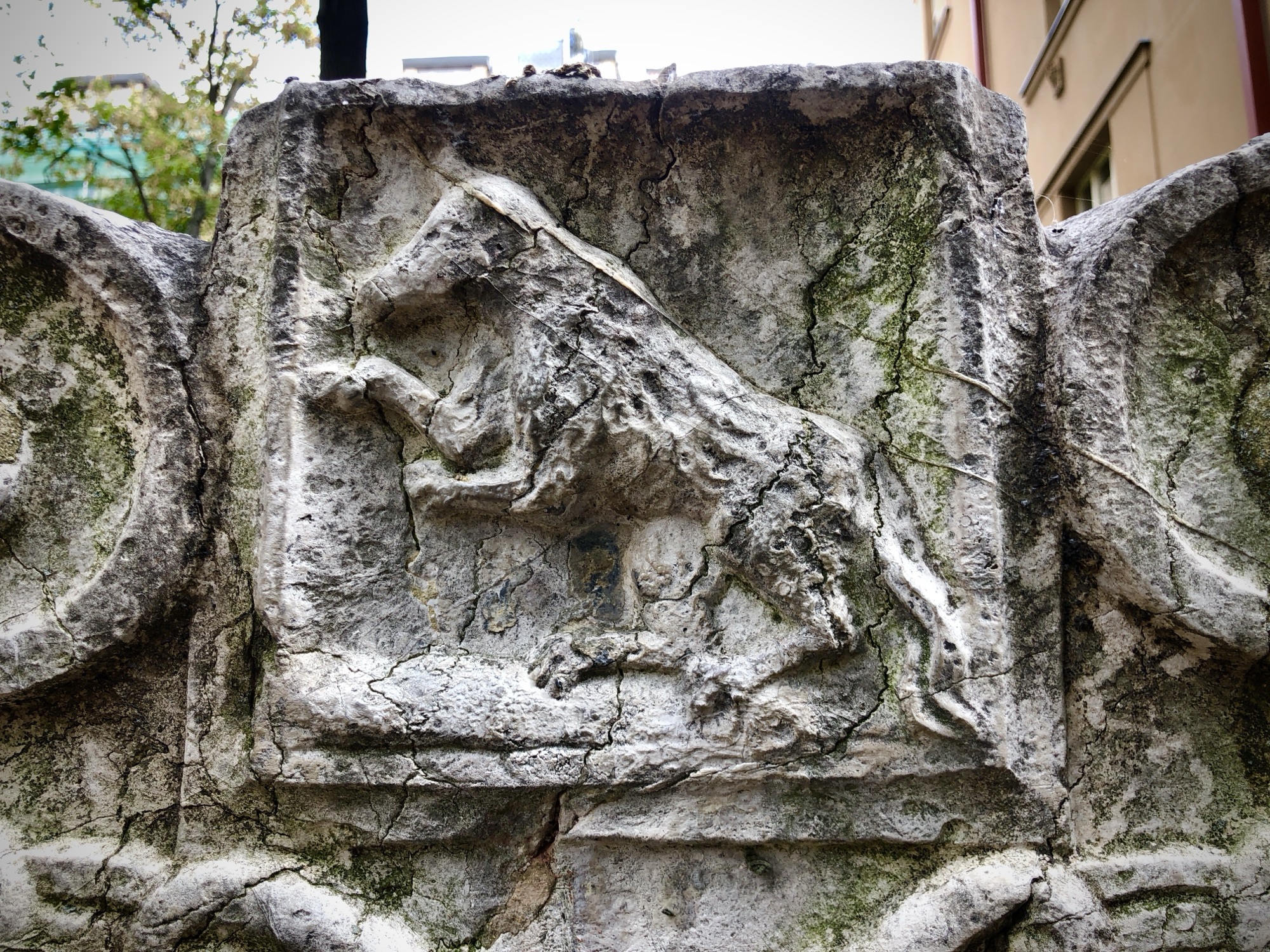
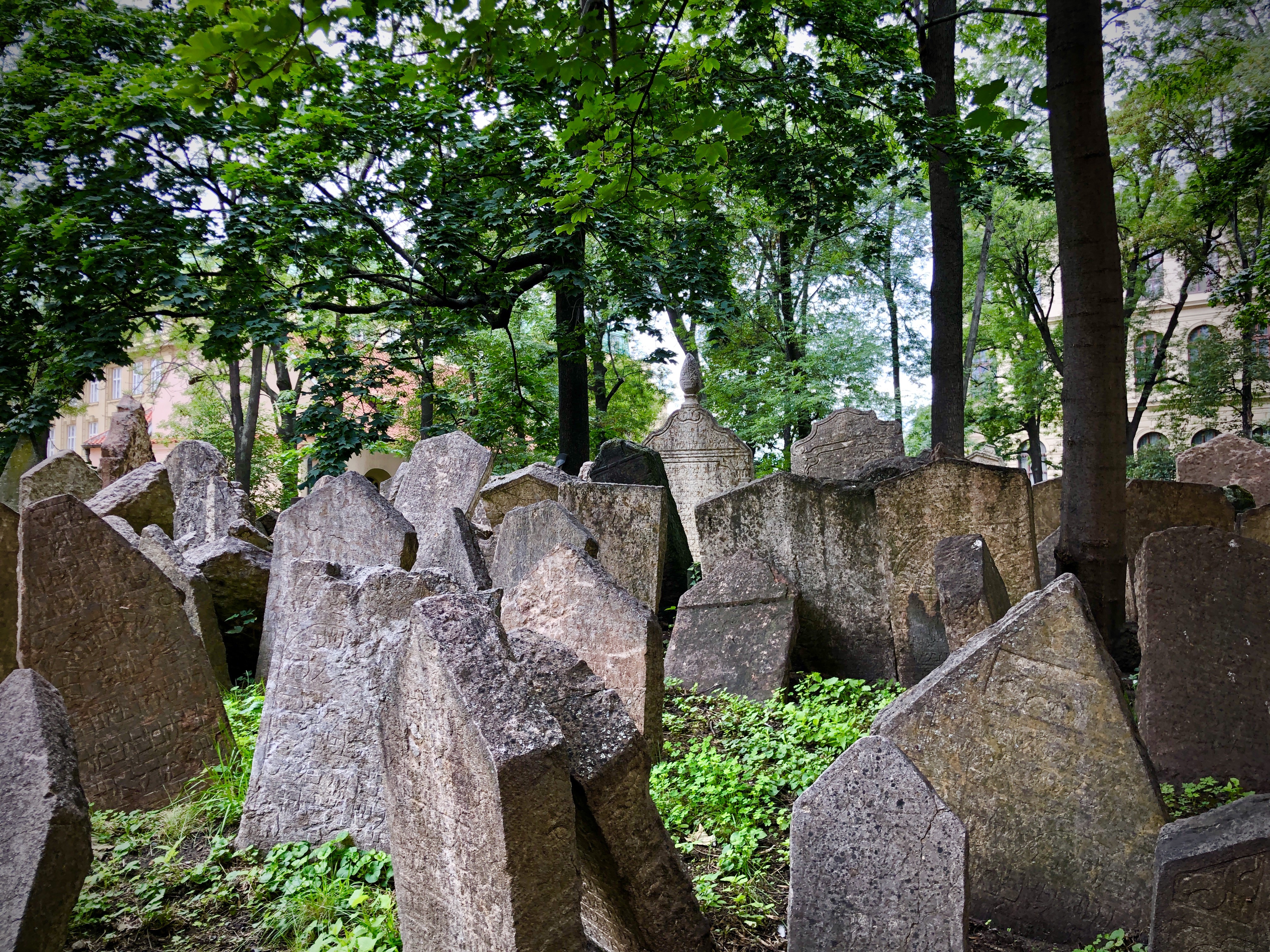
One of the oldest surviving Jewish burial grounds in the world, Prague’s Old Jewish Cemetery was founded in the first half of the 15th century. The earliest tombstone is from 1439; the last burial in 1787, and there are about 12,000 tombstones. The cemetery was expanded several times but wasn’t big enough, and bodies are buried on top of each other, with graves layered up to 10 deep.
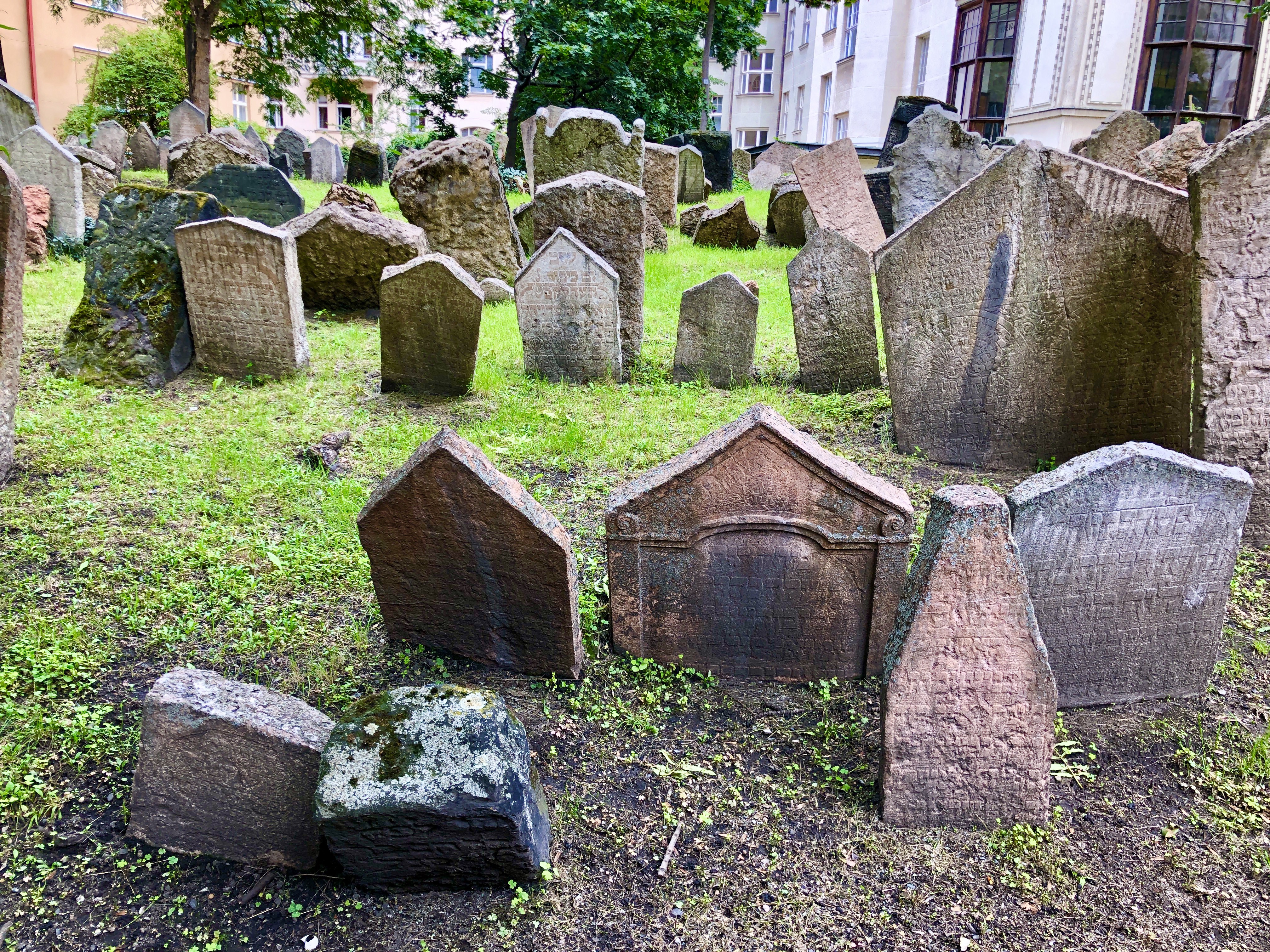
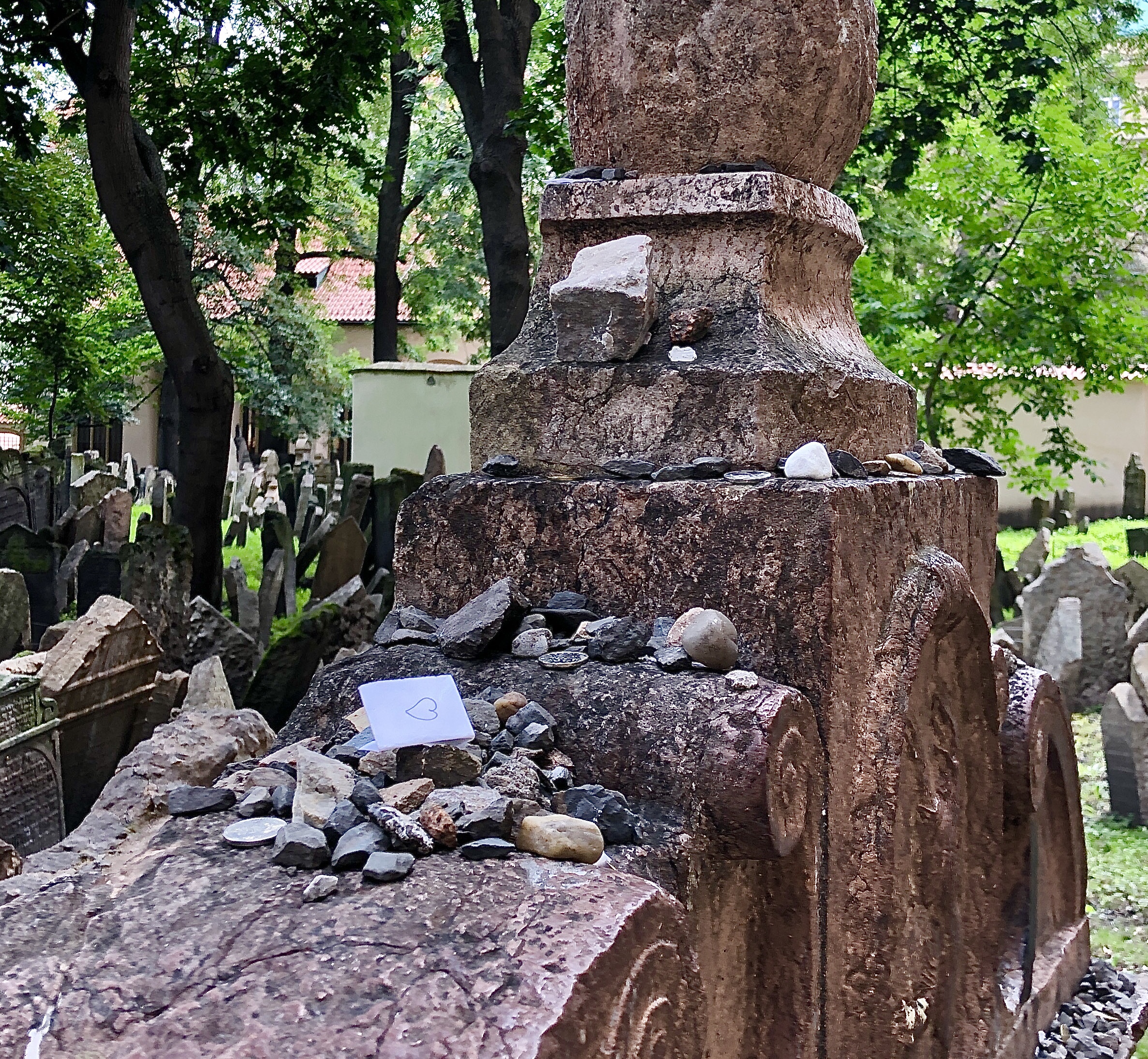
The cemetery is very beautiful, calm and moving to walk through. Little notes are left at some of the tombstones, as well as visitation stones, an act of remembrance and respect.



Spanish Synagogue
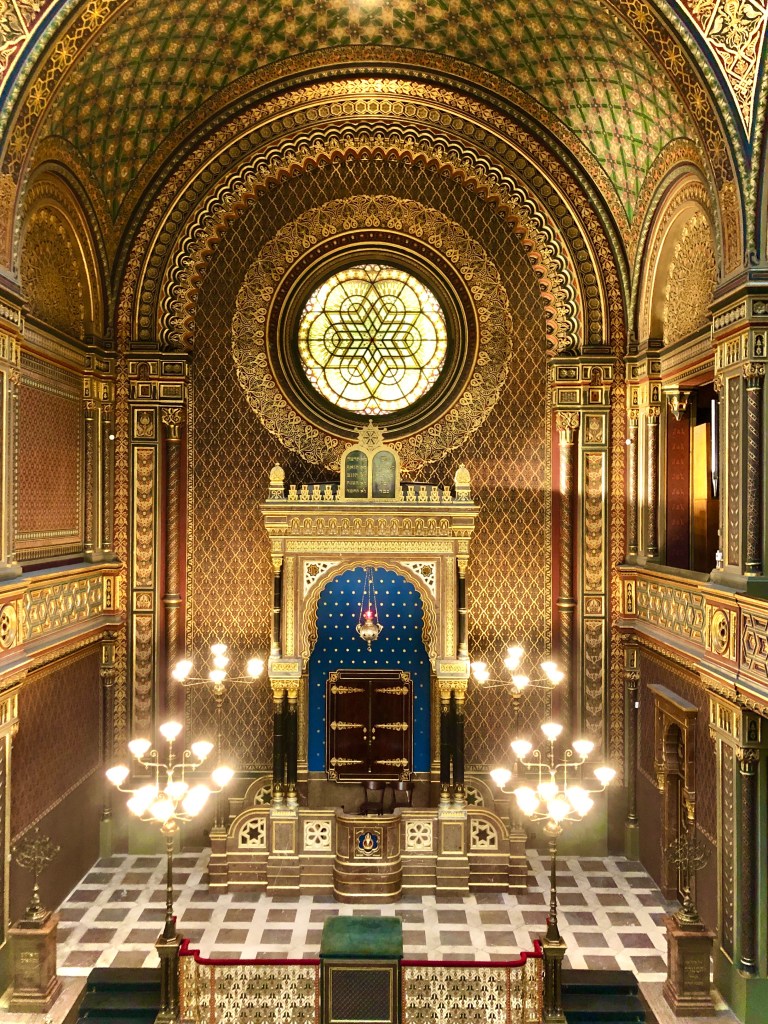
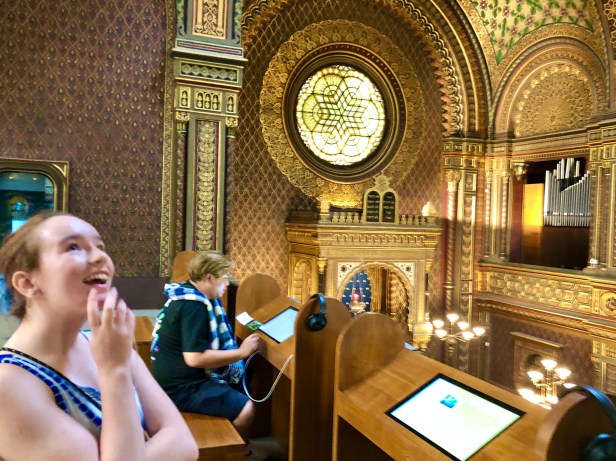
Built in 1868 on the site of a 12th-century Altschul, the Spanish Synagogue is named for the Moorish design, influenced by the Alhambra. This is certainly an eye-catching and impressive site, colorful and unendingly lovely.




Old-New Synagogue
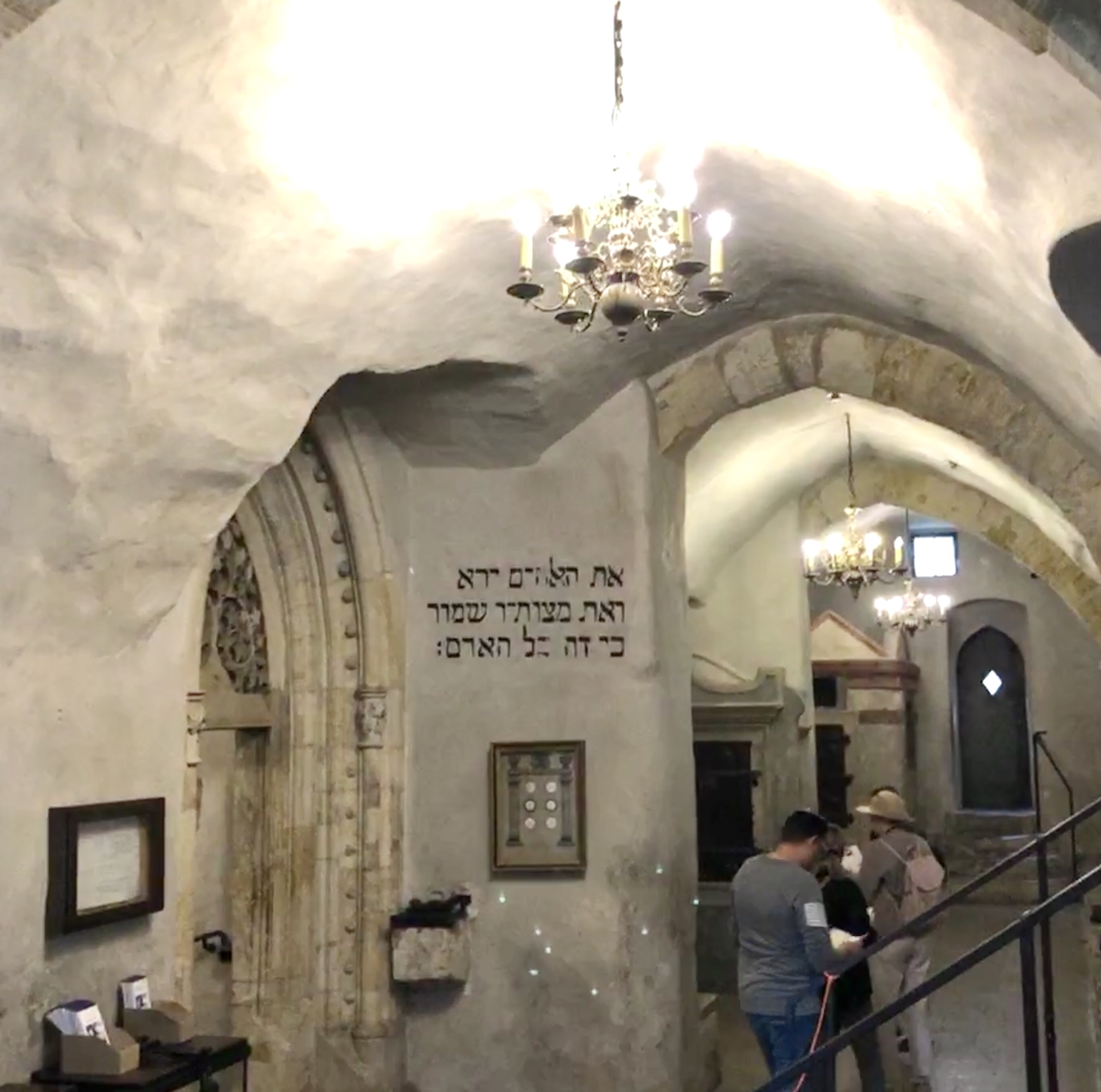
From the late 13th century and the oldest site of Prague’s Jewish Quarter, the Old-New Synagogue has been the primary synagogue of the Prague Jewish community for more than 700 years. Originally known as the New or Great Shul, as other synagogues were established, it became the Old-New.
The Old-New Synagogue has a lot of myths surrounding it – one legend said the synagogue was protected against fire in the ghetto by the wings of angels transformed into doves, while another claimed that attic of the synagogue is the home to the remains of the Golem, the artificial creature made of clay that was animated by the Rabbi Loew in order to protect the Prague Jewish community. Additionally, a legend said its foundation stones were brought by angels from the destroyed Temple of Jerusalem on condition of their return upon restoration of the Temple.


Overall, the time spent learning about Prague’s Jewish history is a story found in many European cities, one of persecution, but also of communities continuing to grow despite it. Being able to see these important sites, to learn about the history of the area, and to think about what it would have been like so many years ago is really thought-provoking.

 thecloudsarelowerhere