February, 2022
February in Copenhagen typically leaves us chasing the sun south, desperate for a couple extra hours of light and a few more degrees of heat. This past winter break we headed to Malta, small in size but big in culture, history, and new experiences.
Malta, 5th smallest country in Europe (if you’re curious, here are the others, smallest to largest: Vatican City, Monaco, San Marino, Liechtenstein…), is sandwiched in the Mediterranean Sea between Sicily and Tunisia. This prime location means a lot has happened on these small islands, so much so that you practically trip over historic sites – Roman, Moorish, French, and British. We skimmed the top only of a lot of this history, but, let’s face it, you’d need a Malta intensive history 101 to adequately learn it all.
So then, jumping in…
Ancient Malta
There are so many ancient sites in Malta (for a comprehensive summary, click here), we did not see them all. But we made a satisfactory effort and we were not disappointed. We made it to the Tarxien Temples, Ghar Dalam caves, Ħagar Qim, Mnajdra Temples, and Ħal Saflieni Hypogeum (where you are not allowed to take photos). My favorites were the Tarxien Temples and Hagar Qim, although the Hypogeum was really a good exhibit.
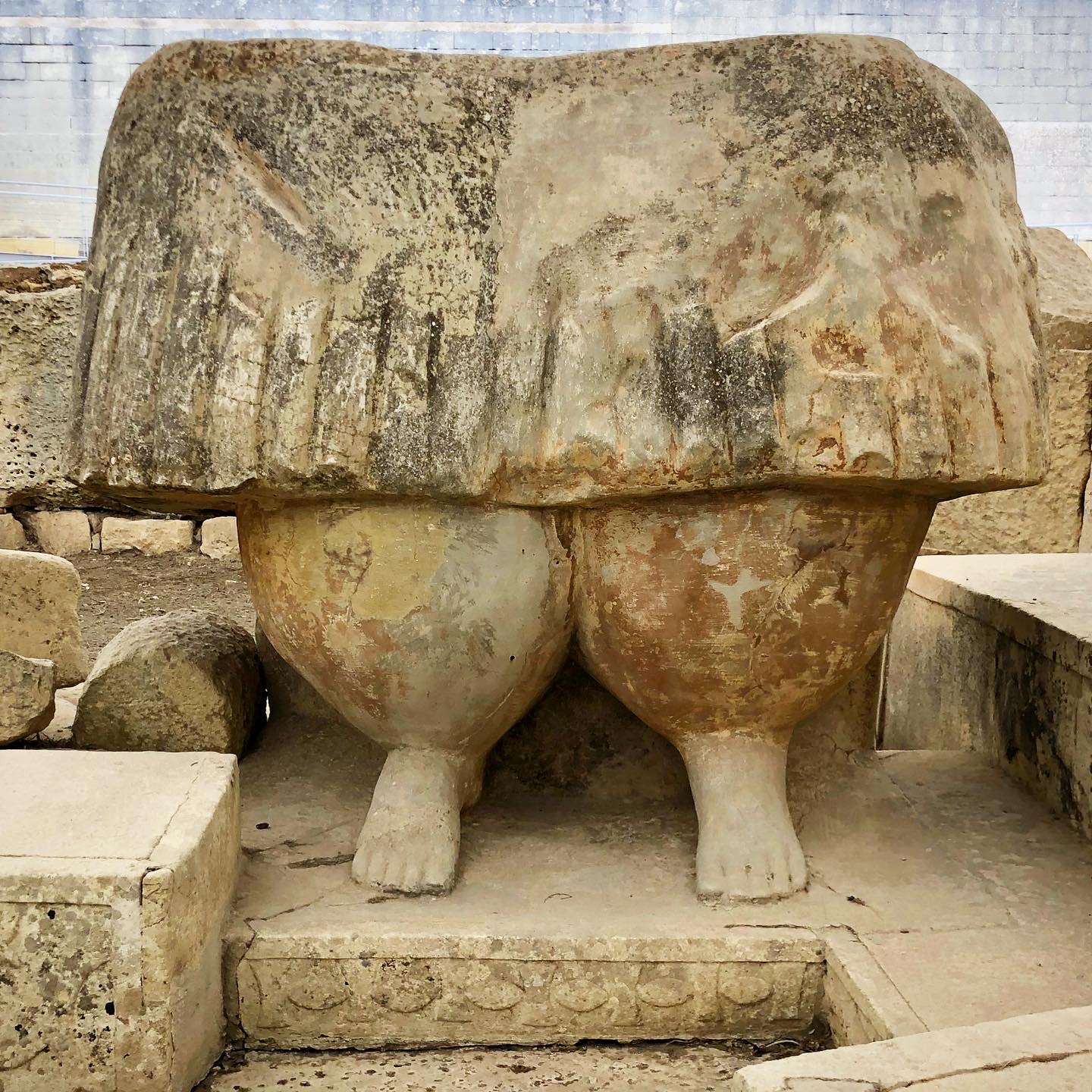
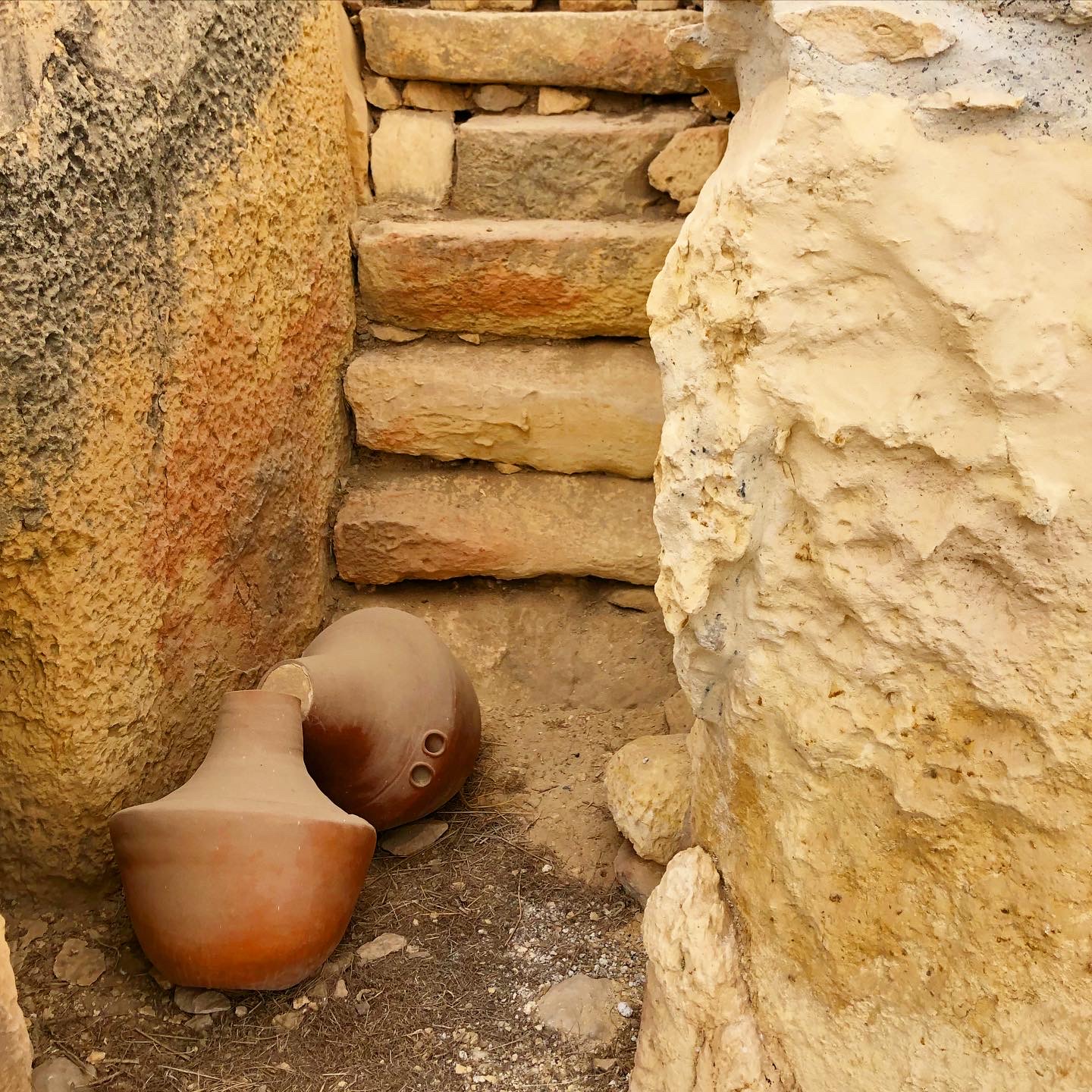
Tarxien Temples: My personal favorite of the sites visited, Tarxien is pretty big and full of interesting finds, including pottery jars, decorative carvings, and the fantastic half statue of the lady below.
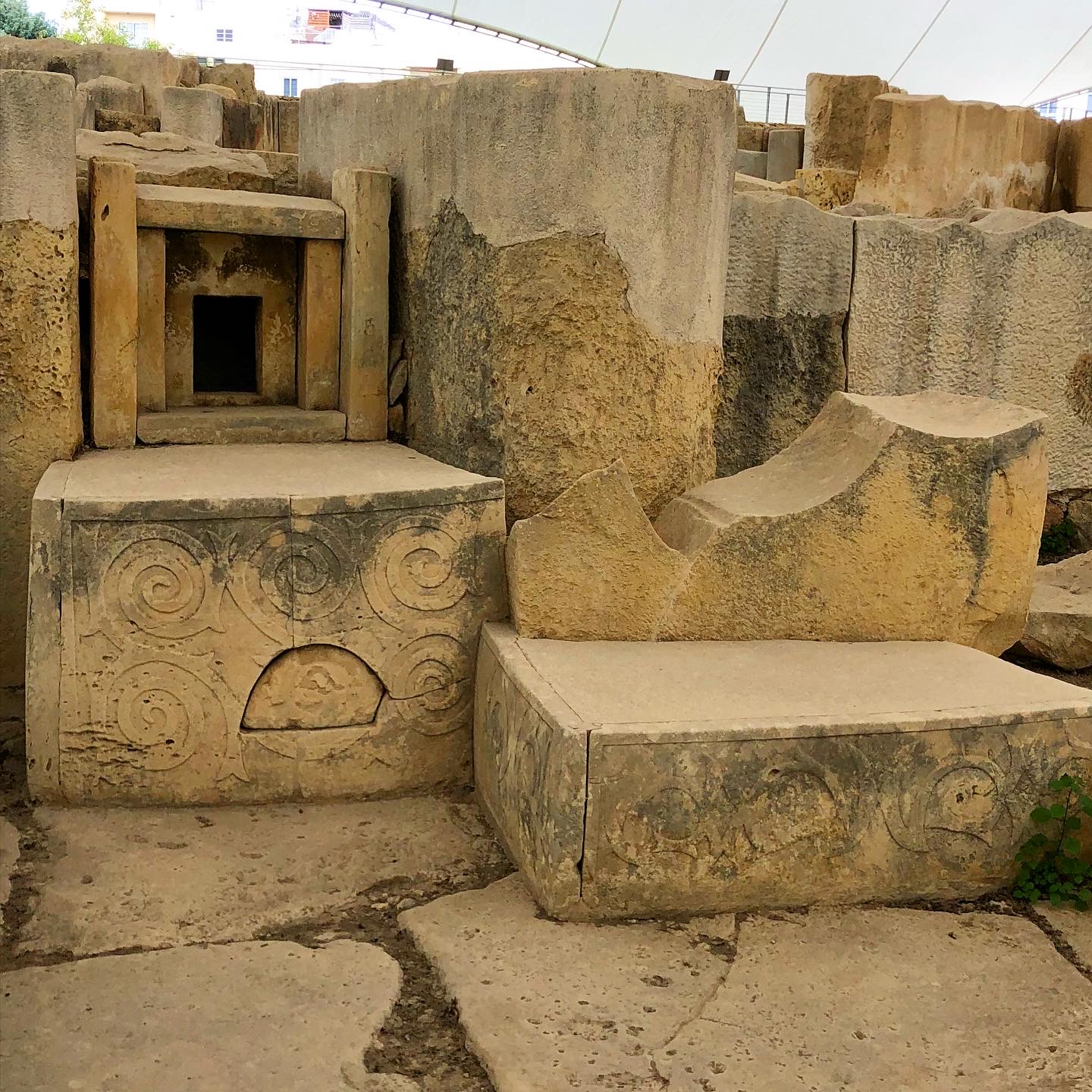

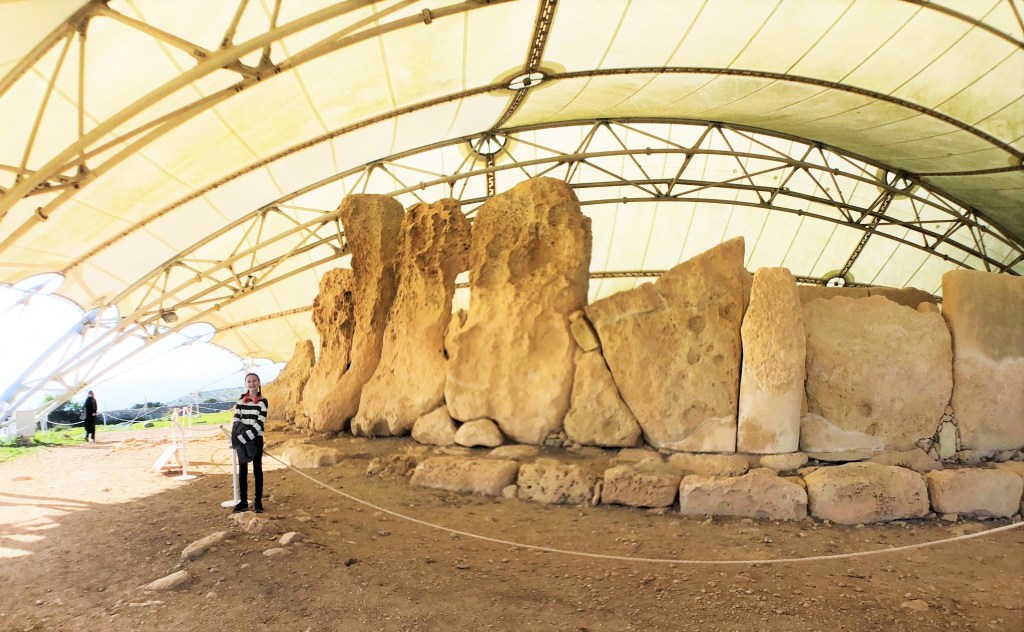
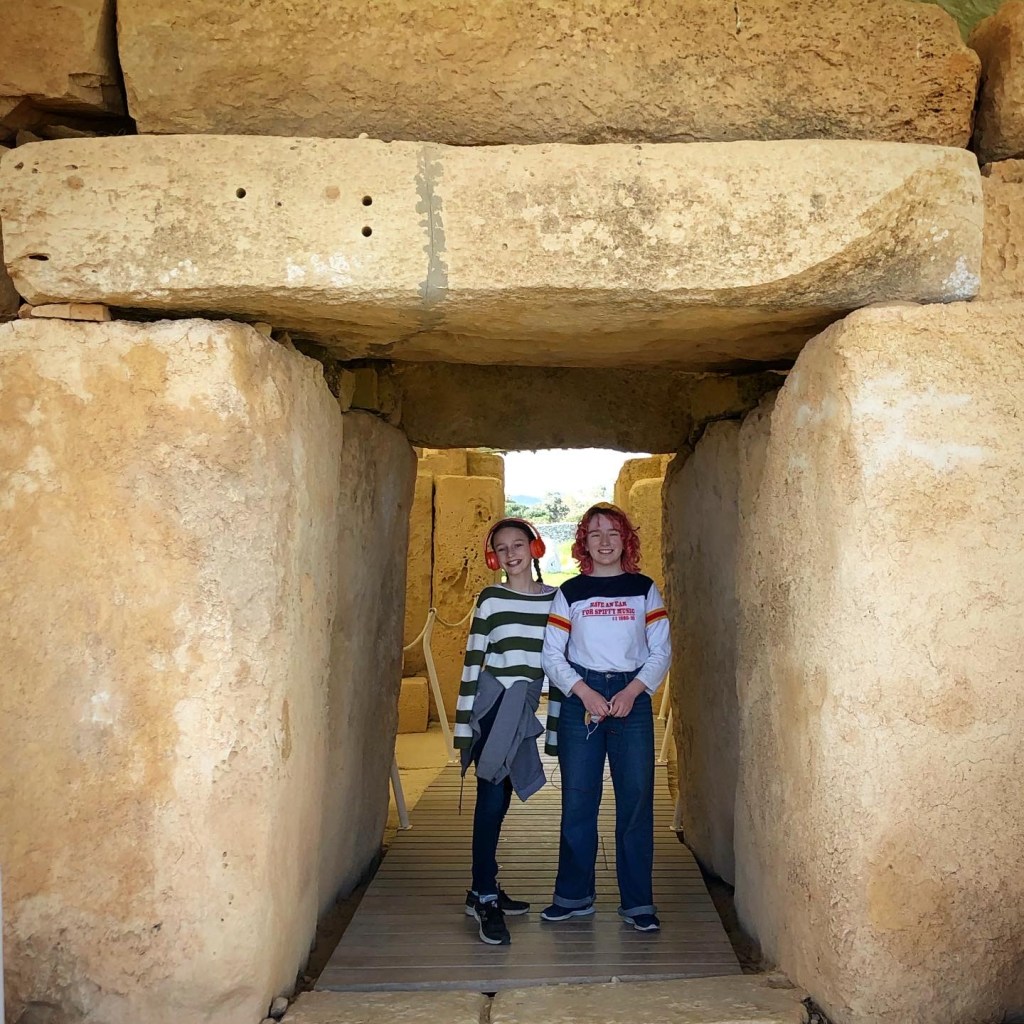
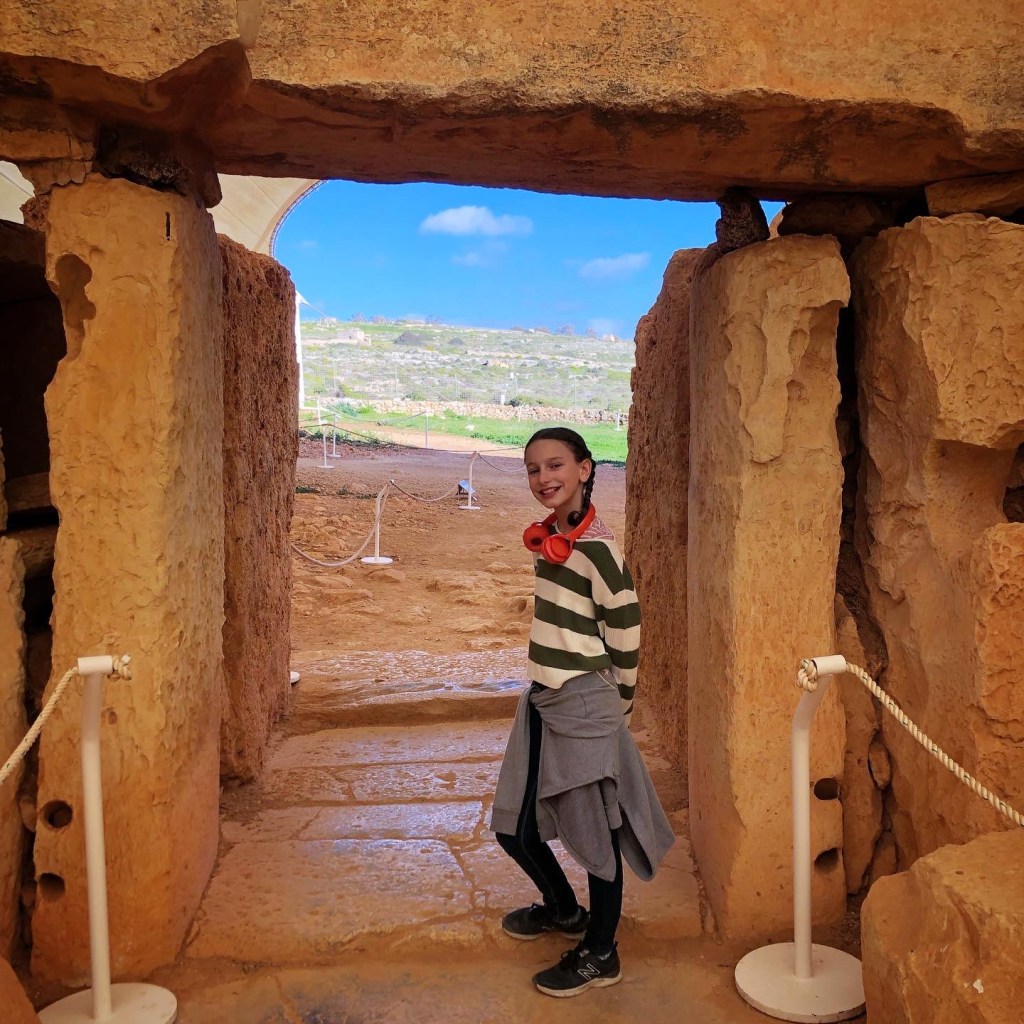
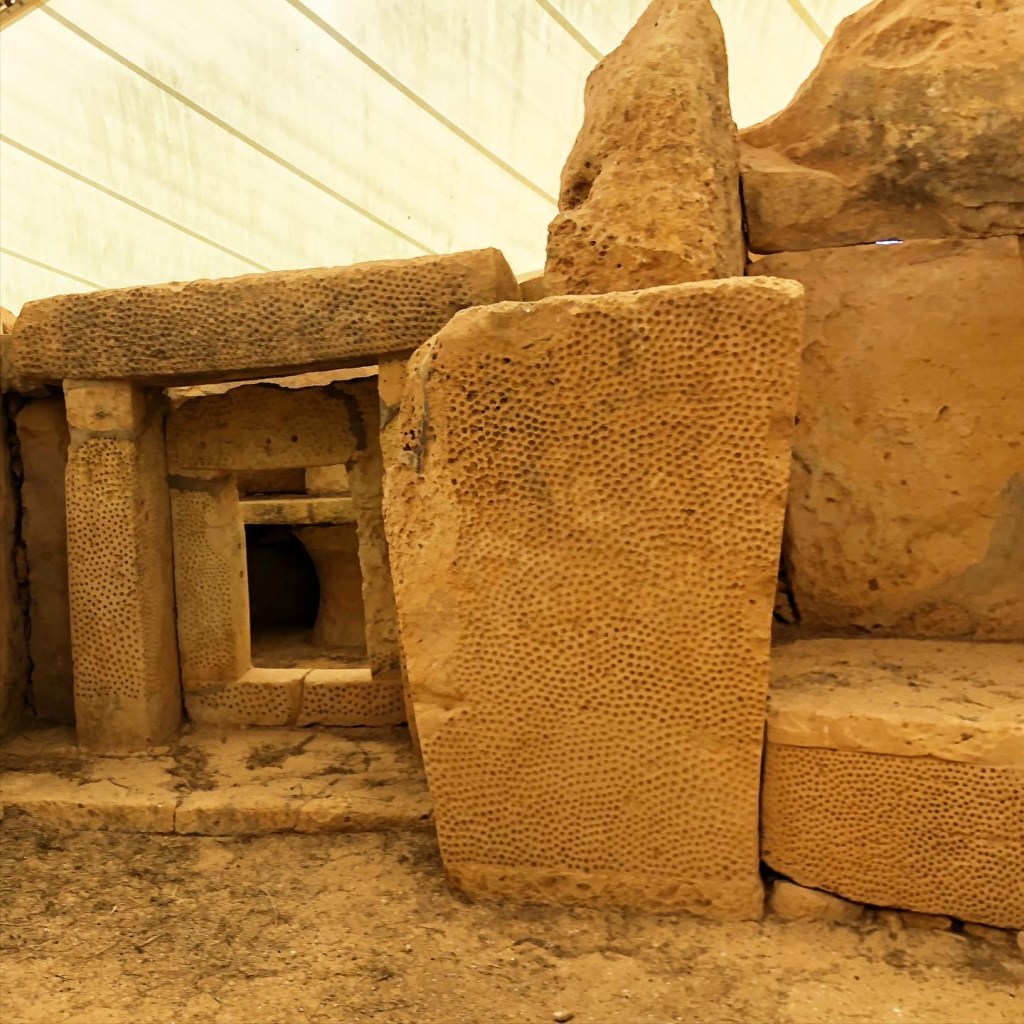
Ħagar Qim and Mnajdra Temples are megalithic temple complexes with a selection of prehistoric chambers, Ħagar Qim is believed to be a prehistoric observatory, while archaeologists suggest that Mnajdra was once used for religious ceremonies and sacrificial rites. Mnajdra is constructed of coralline limestone and decorated with spiral carvings, and both temples are semi-enclosed with large tents to protect them.
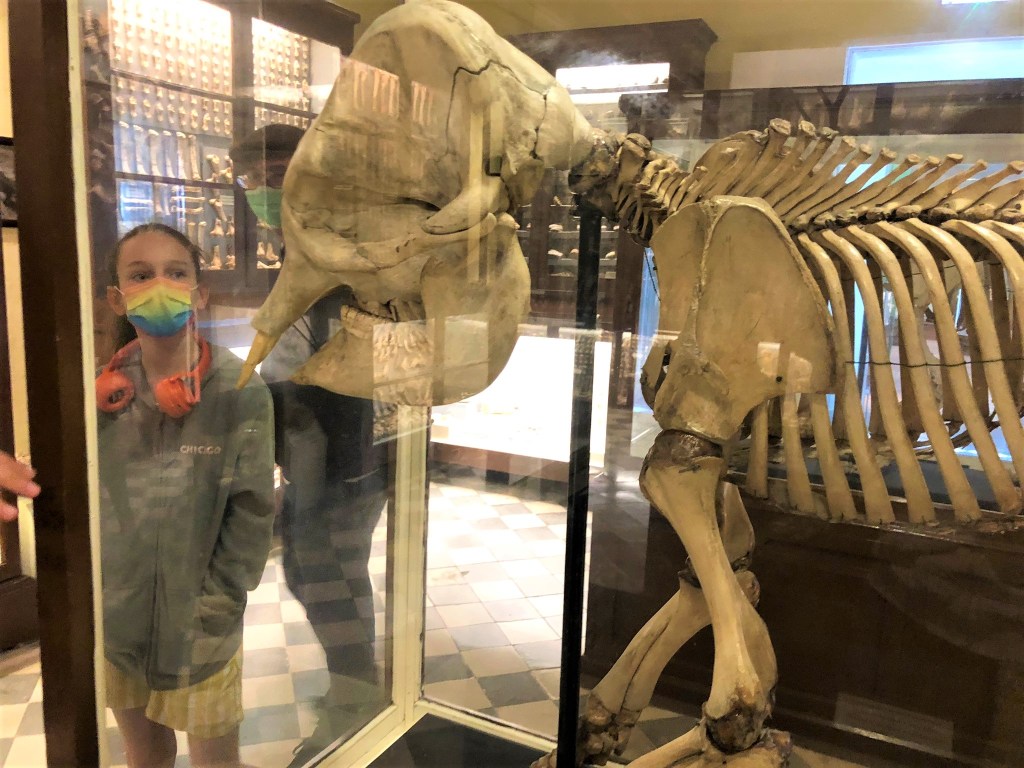
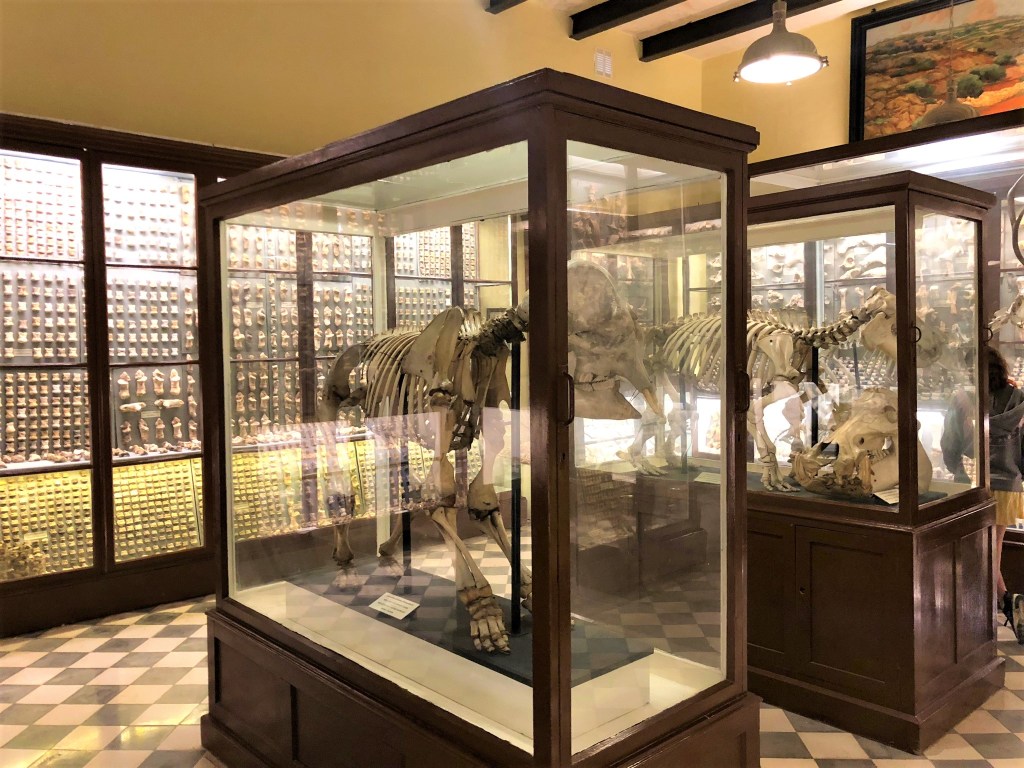
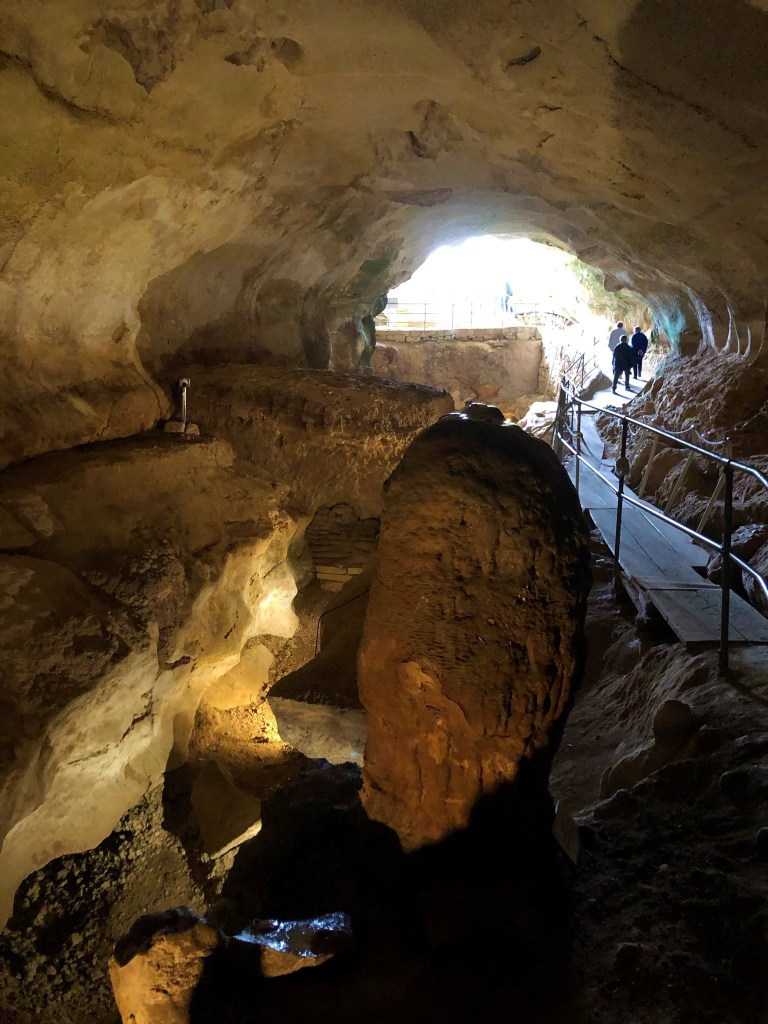
Ghar Dalam caves is Malta’s oldest prehistoric site, where the deepest cave layers are over 500,000 years old, here you find Ice Age animal fossils, including dwarf elephants and mini hippos, as well as human remains. There’s also creatures living in the cave now, including bats and a bug, the Armadillidium ghardalamensis, that is found nowhere else on Earth.
Valletta & Around
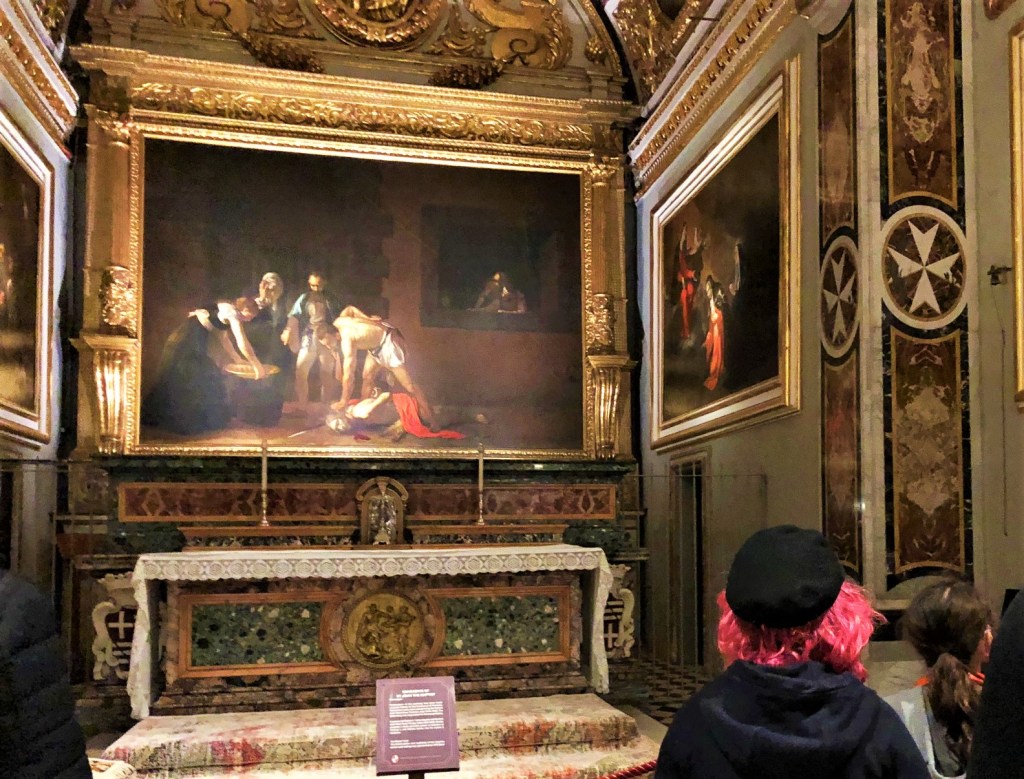
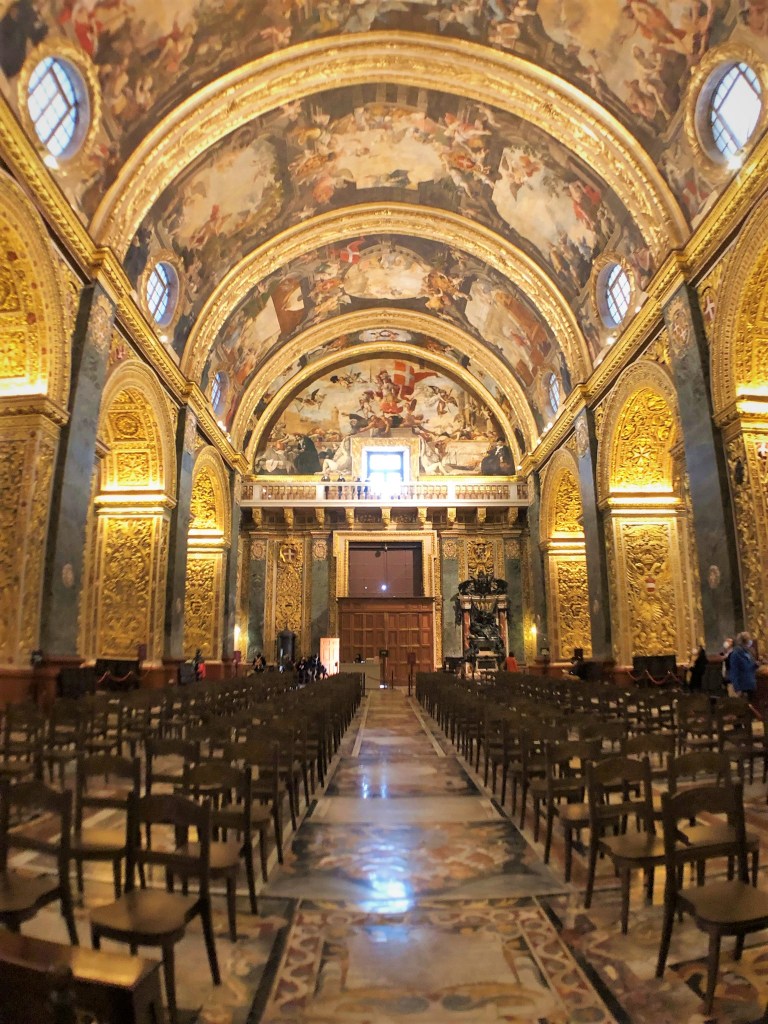
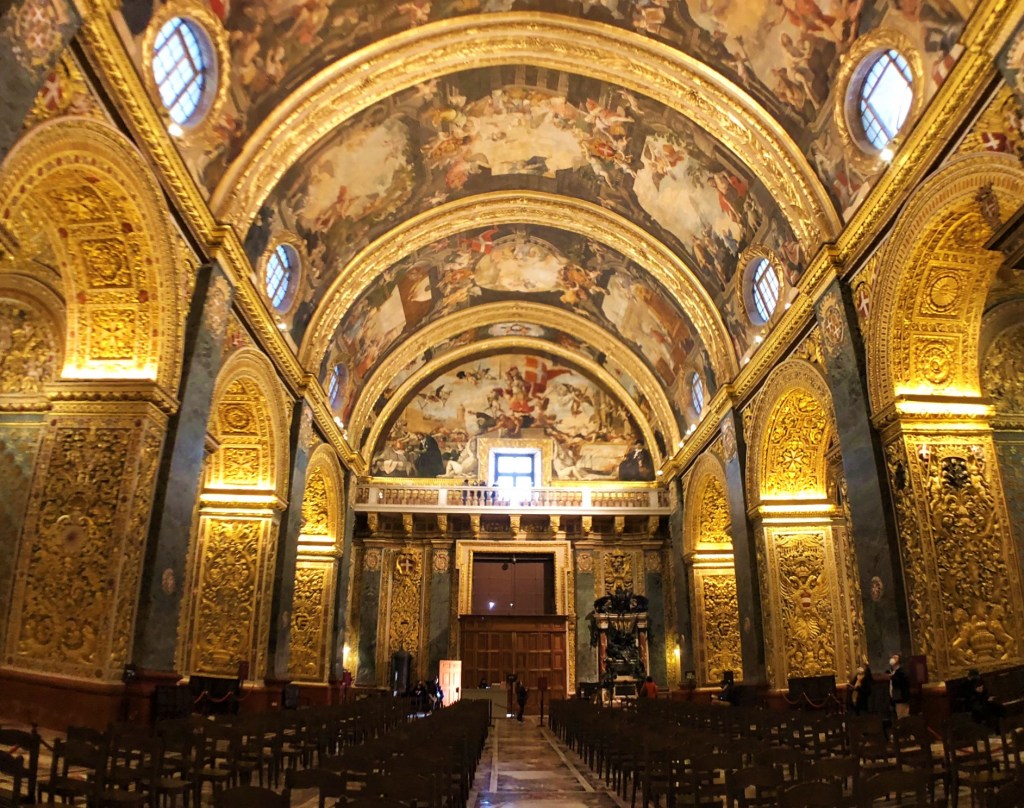
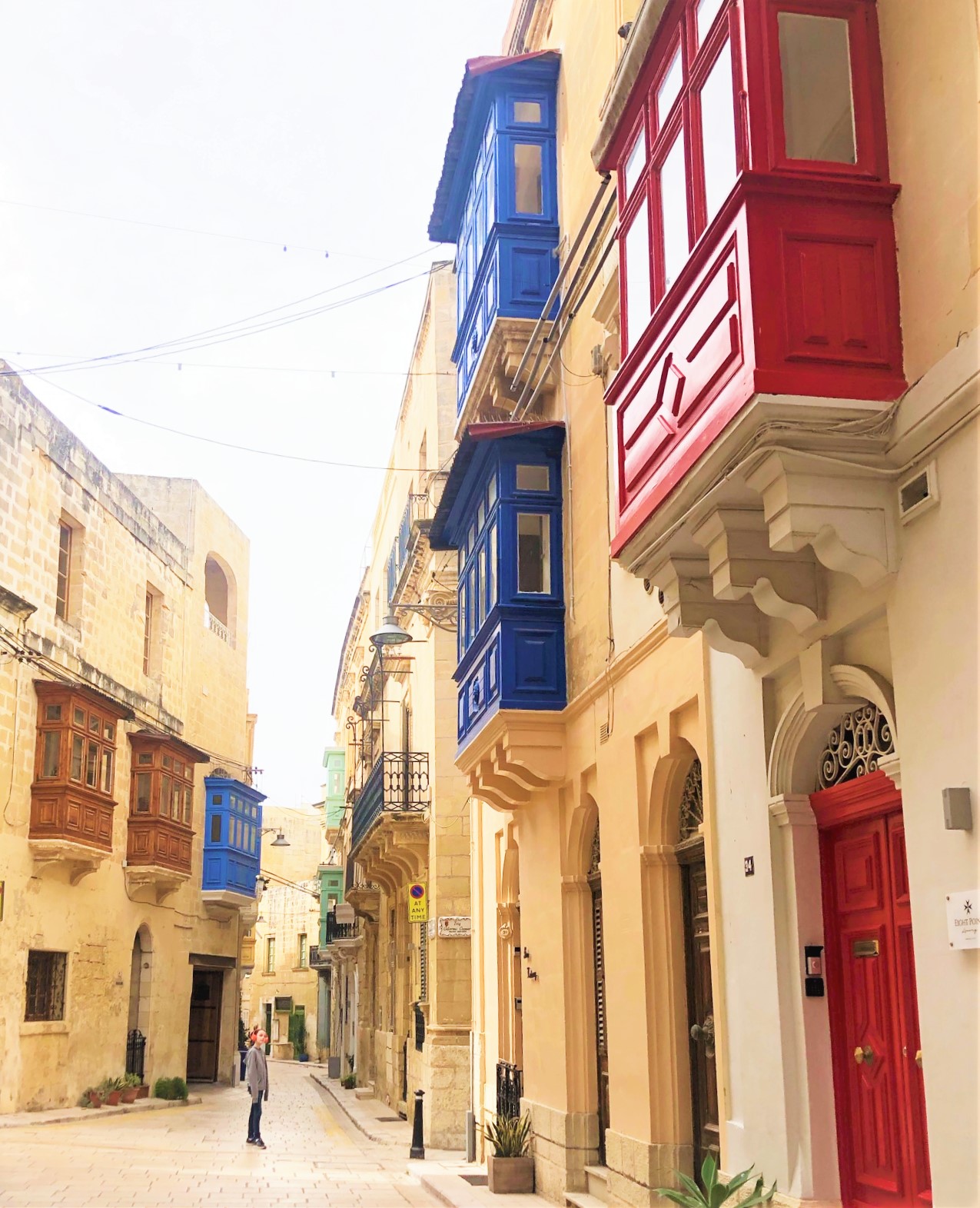
Established in the 1500s by the Knights of St. John, the capital of Malta is known for museums, palaces and churches. Inside the flamboyant St. John’s Co-Cathedral, you can see the Caravaggio masterpiece “The Beheading of Saint John”, and the streets of Valletta are most famous for the colorfully abundant gallariji, enclosed balconies thought to be derived from the Islamic muxrabija.
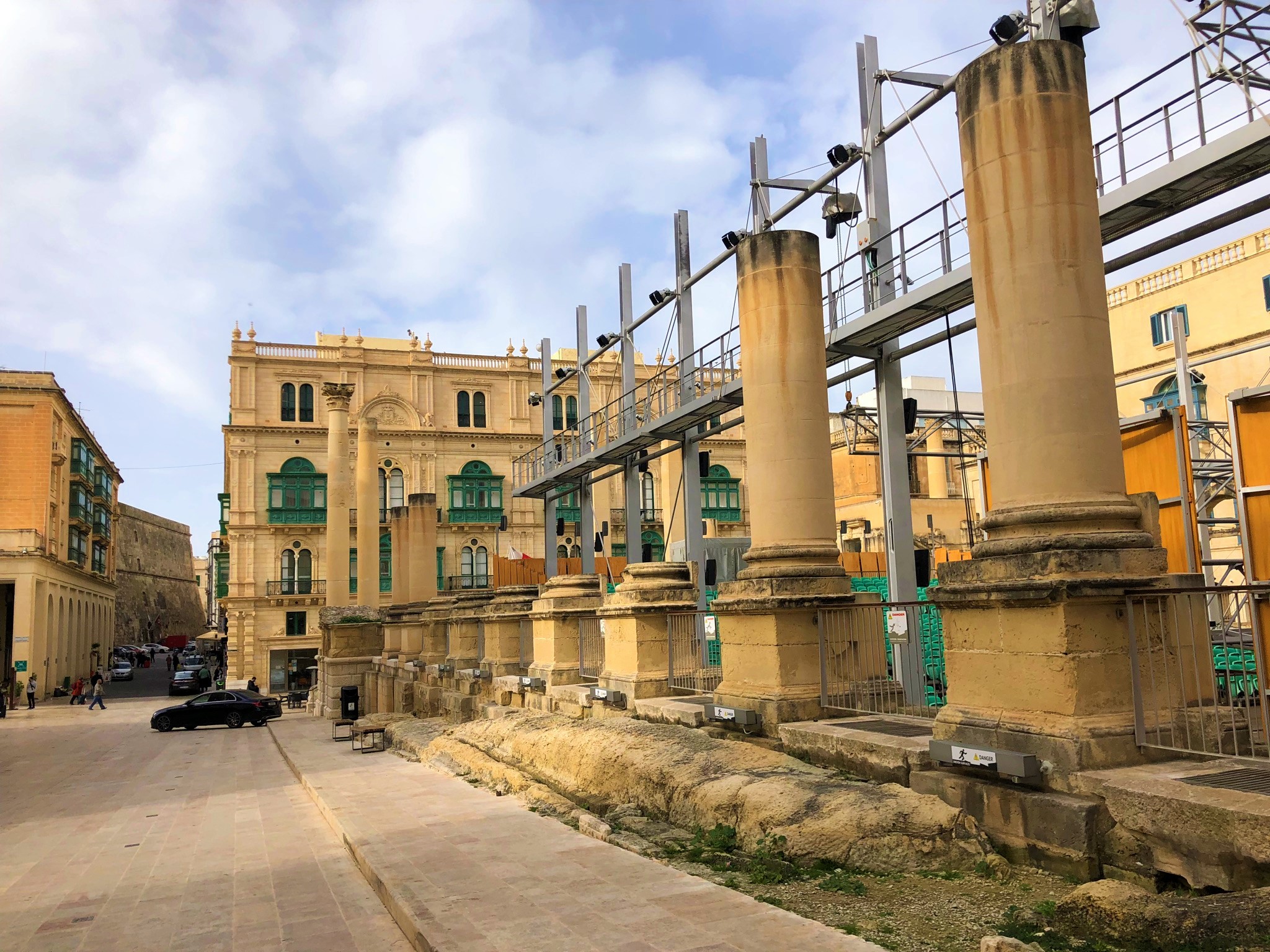
Walking around there are so many sites to see, most of them very old, and tons of history about knights orders and wars, if that’s your thing. The Upper Barrakka Gardens are definitely worth a walk through, as is the Pjazza Teatru Rjal – the Royal Opera House, erected in 1866, damaged by a fire in 1873, restored by 1877, then bombed in WWII, and consequently re-restored into an “open air” theater, as it stands today.

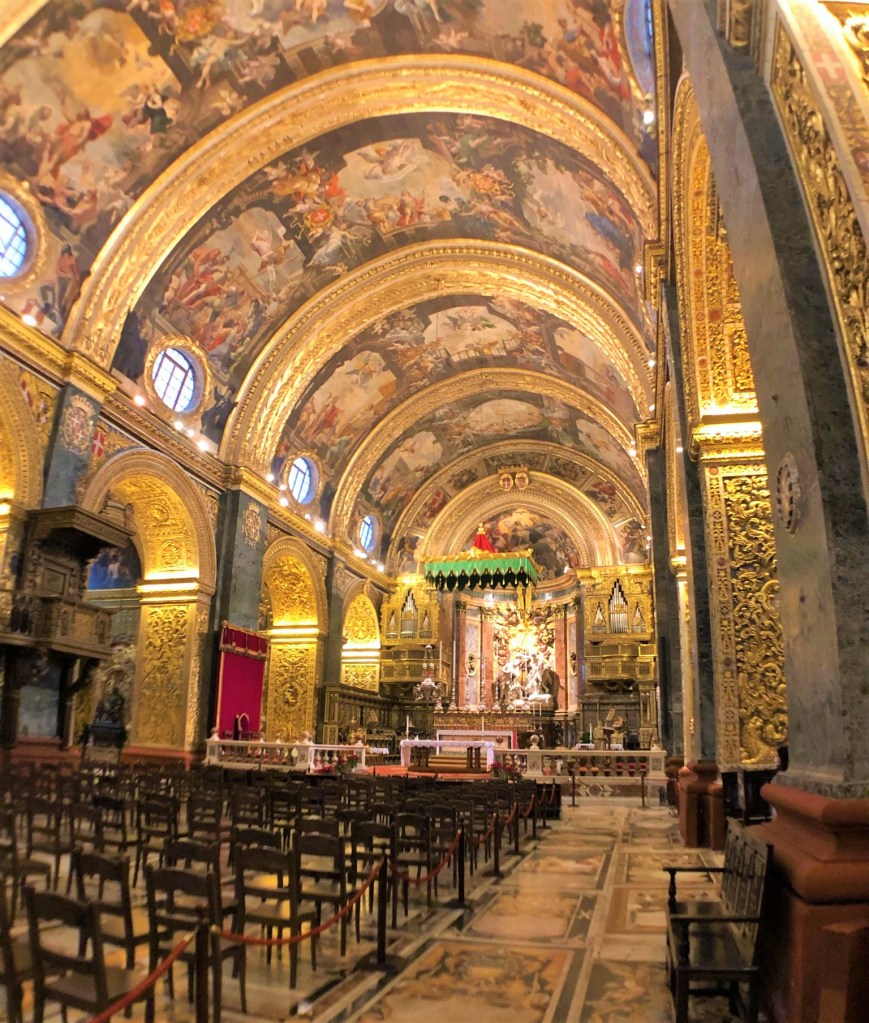
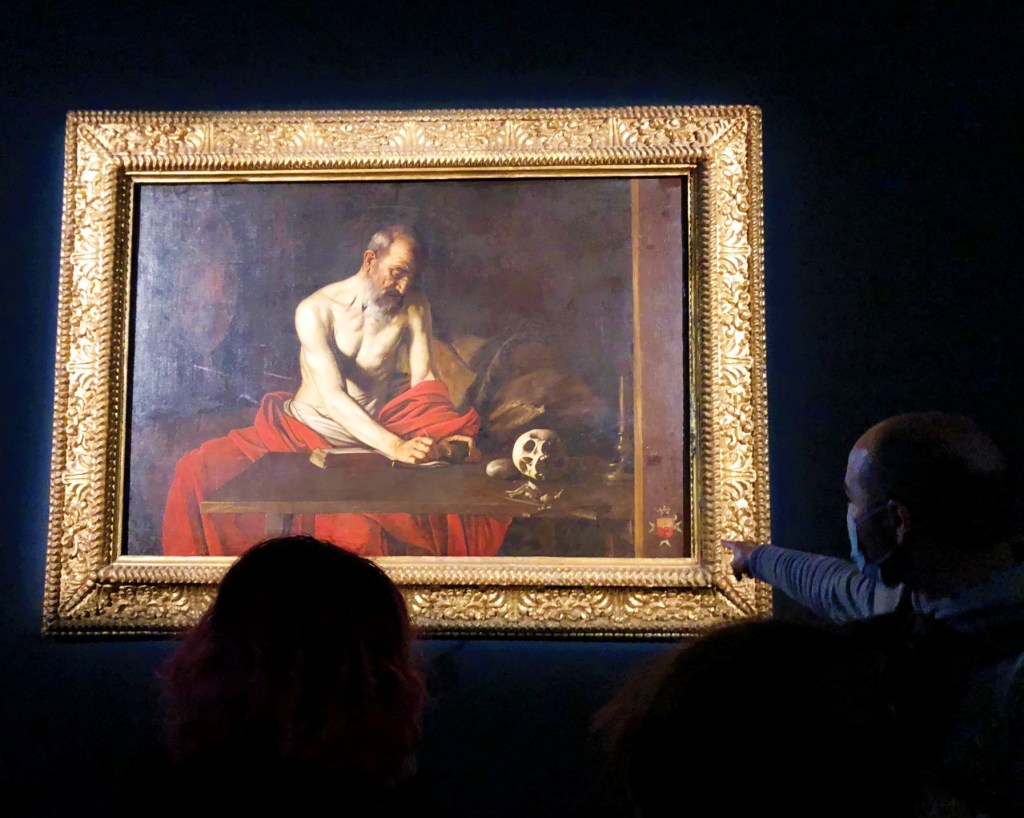
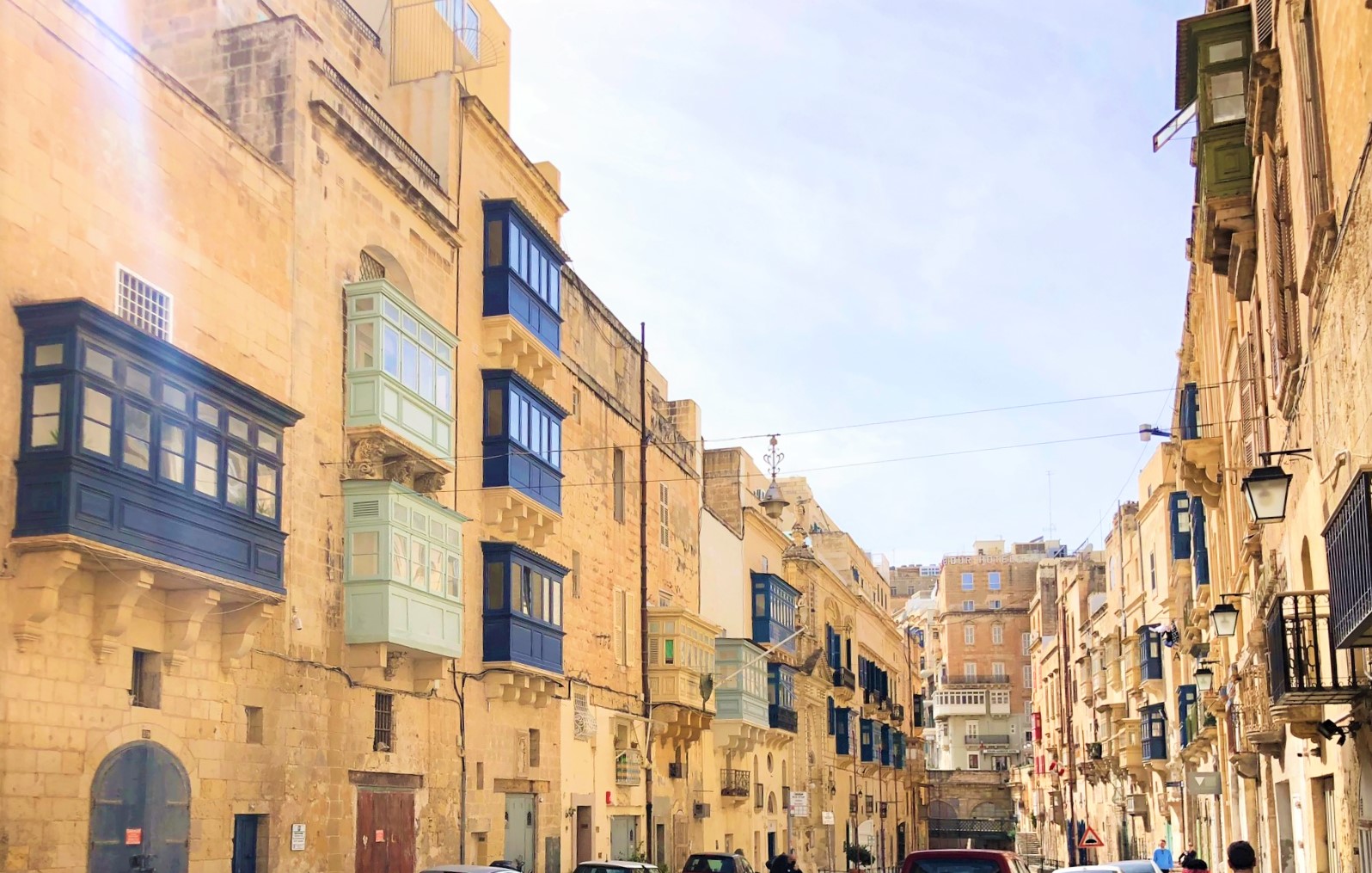
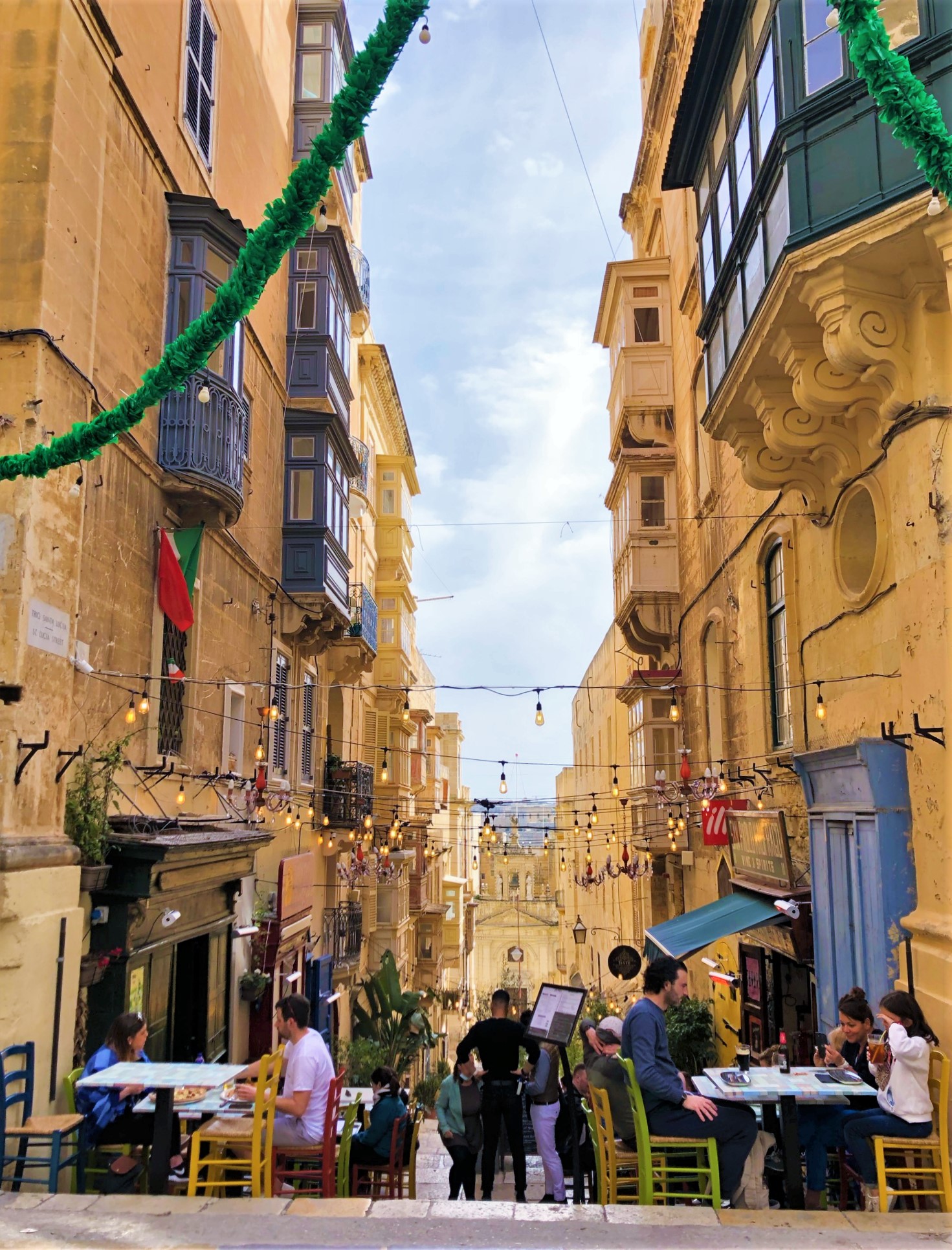
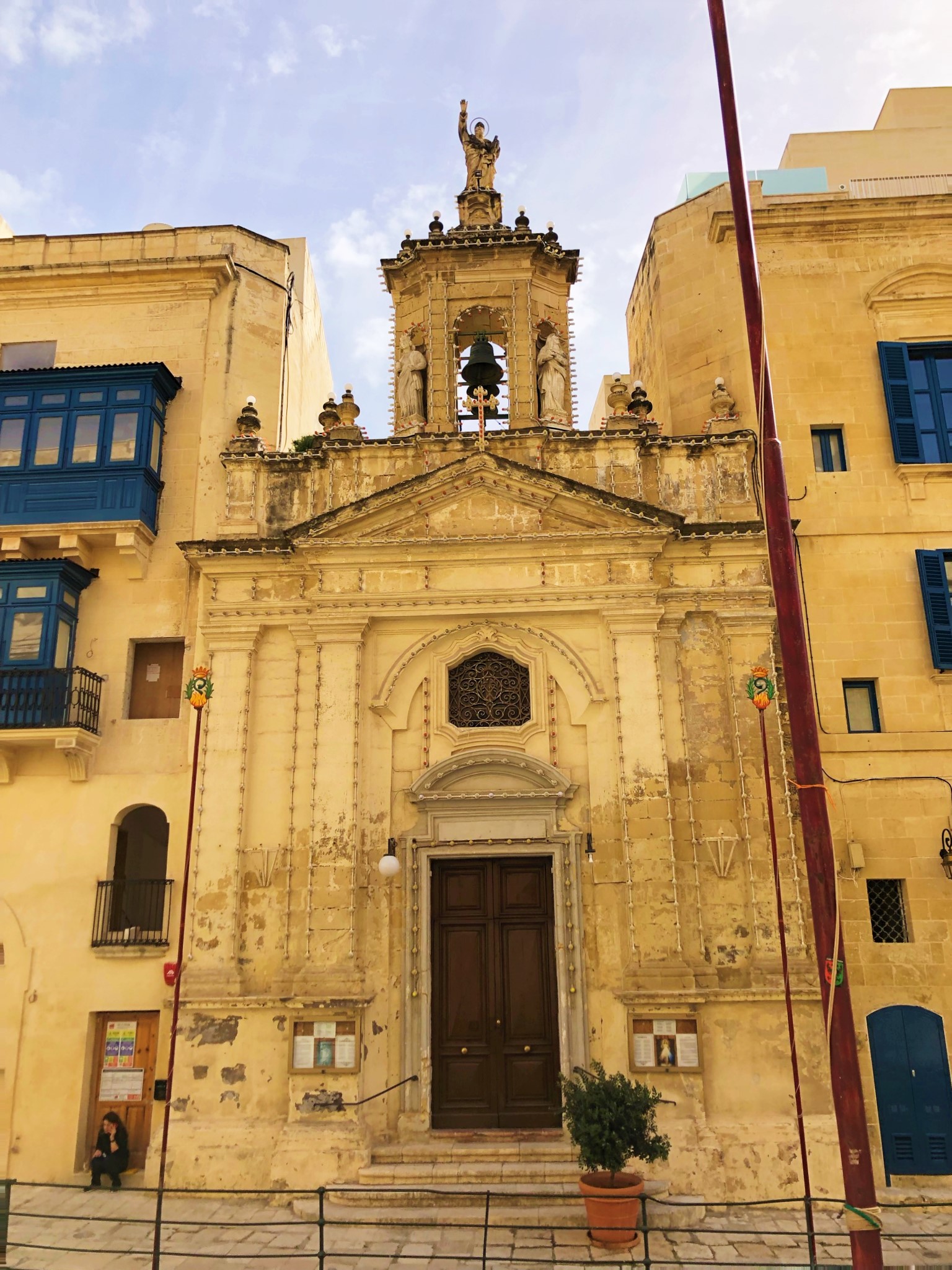
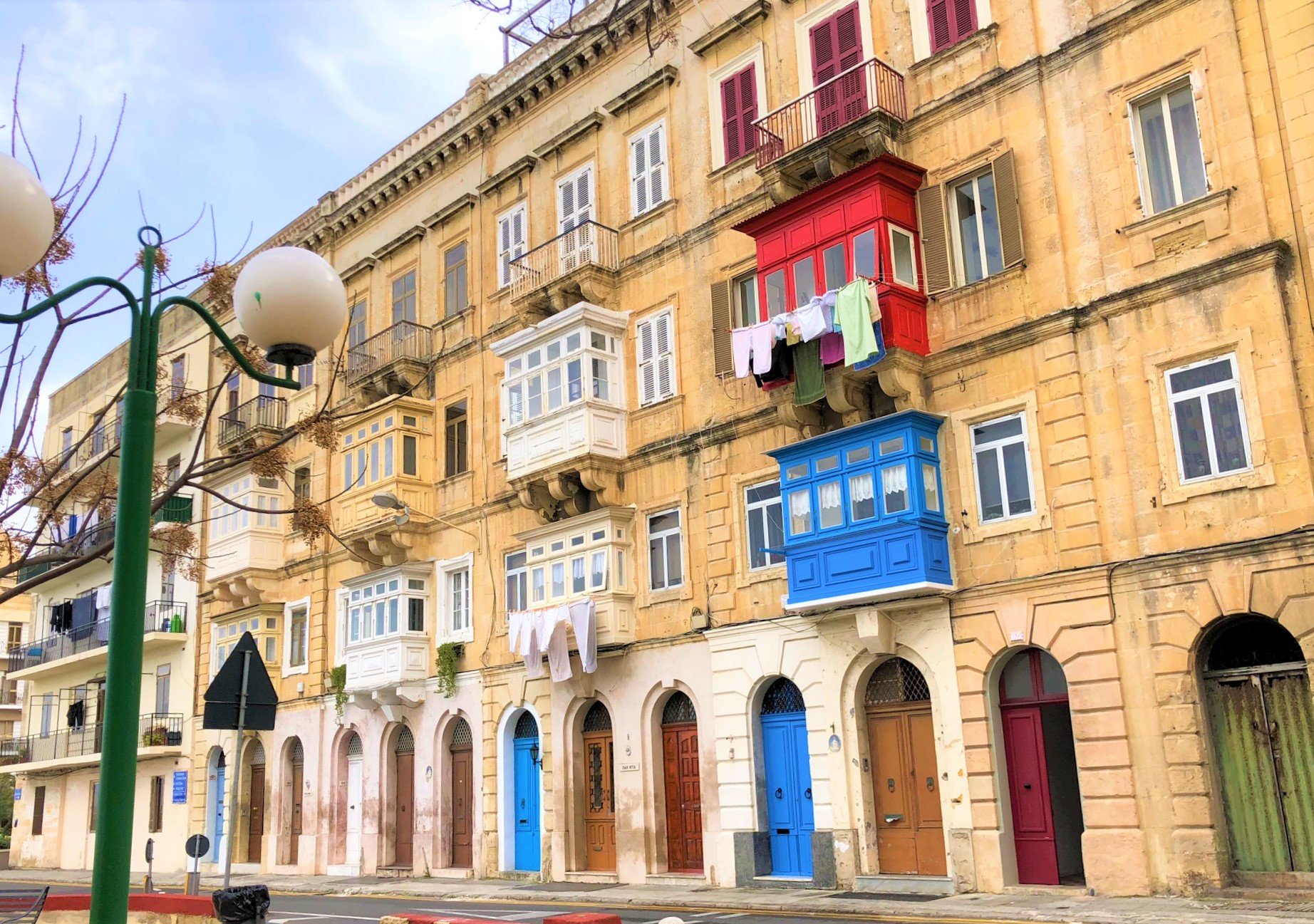
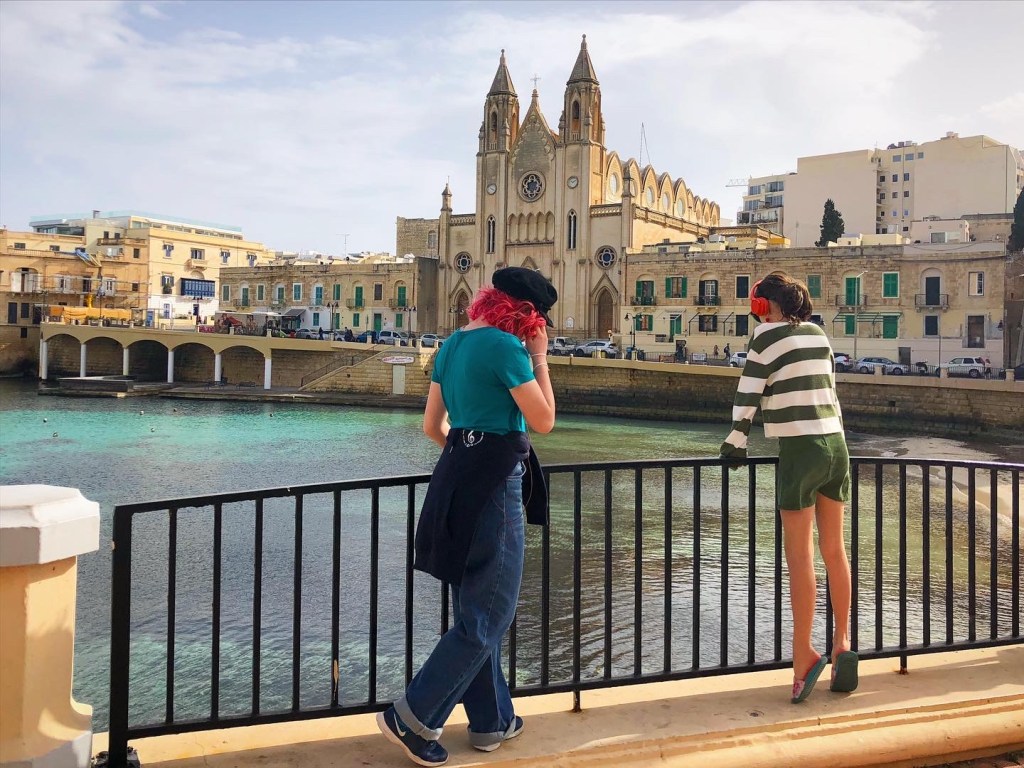
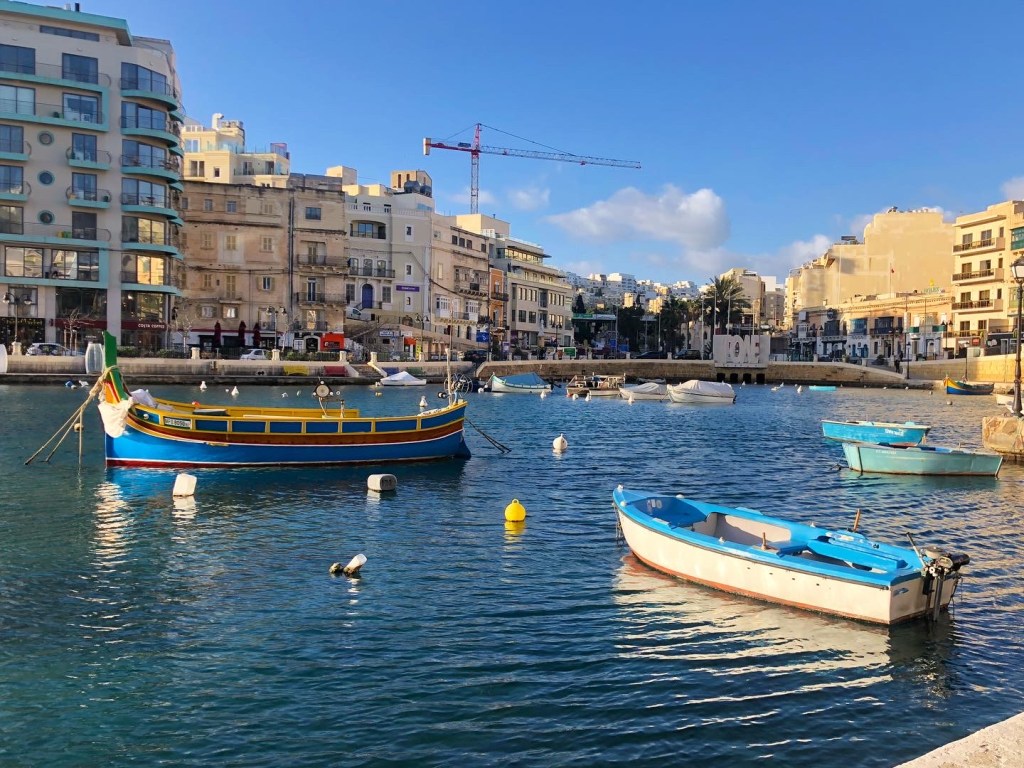
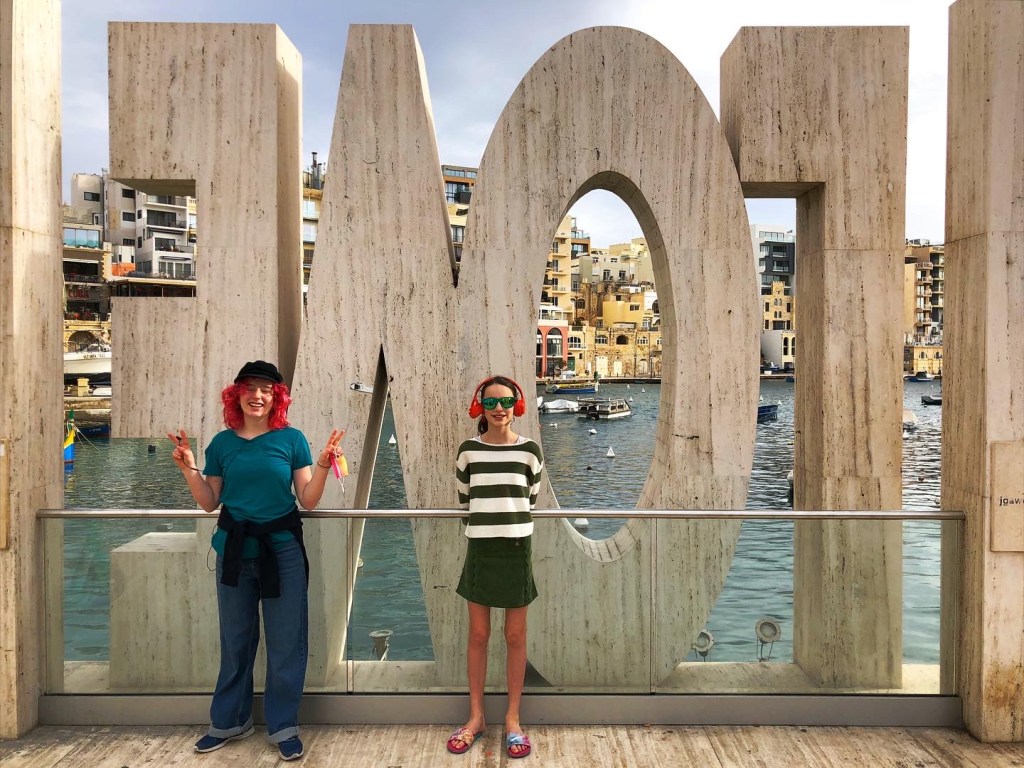
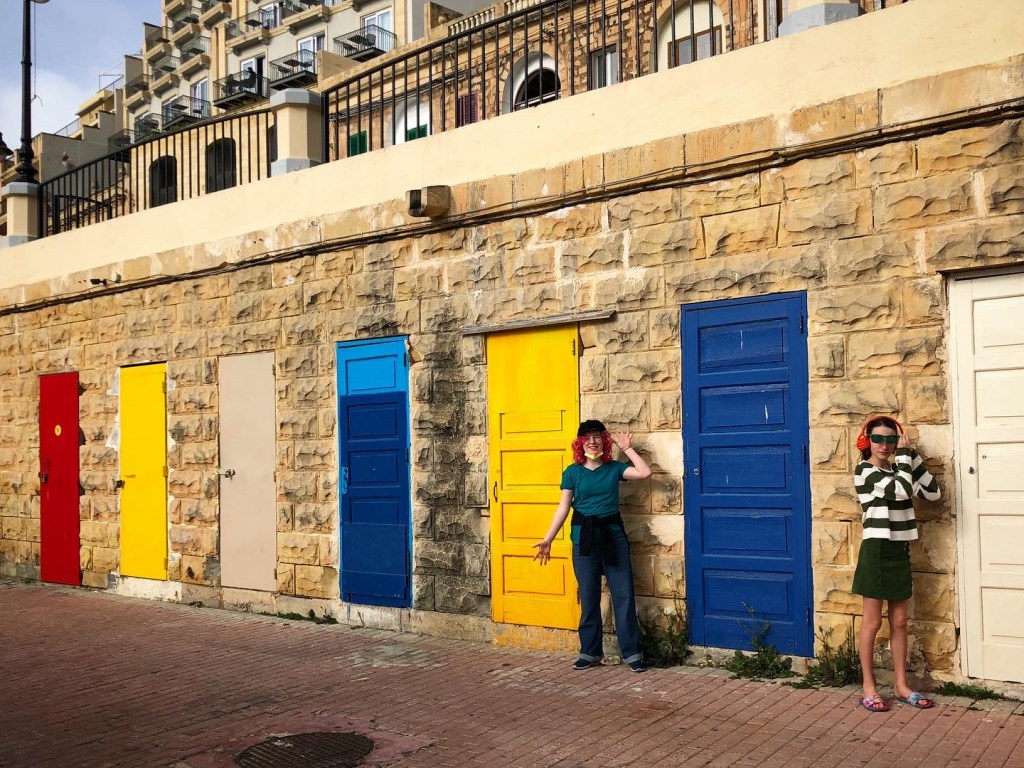
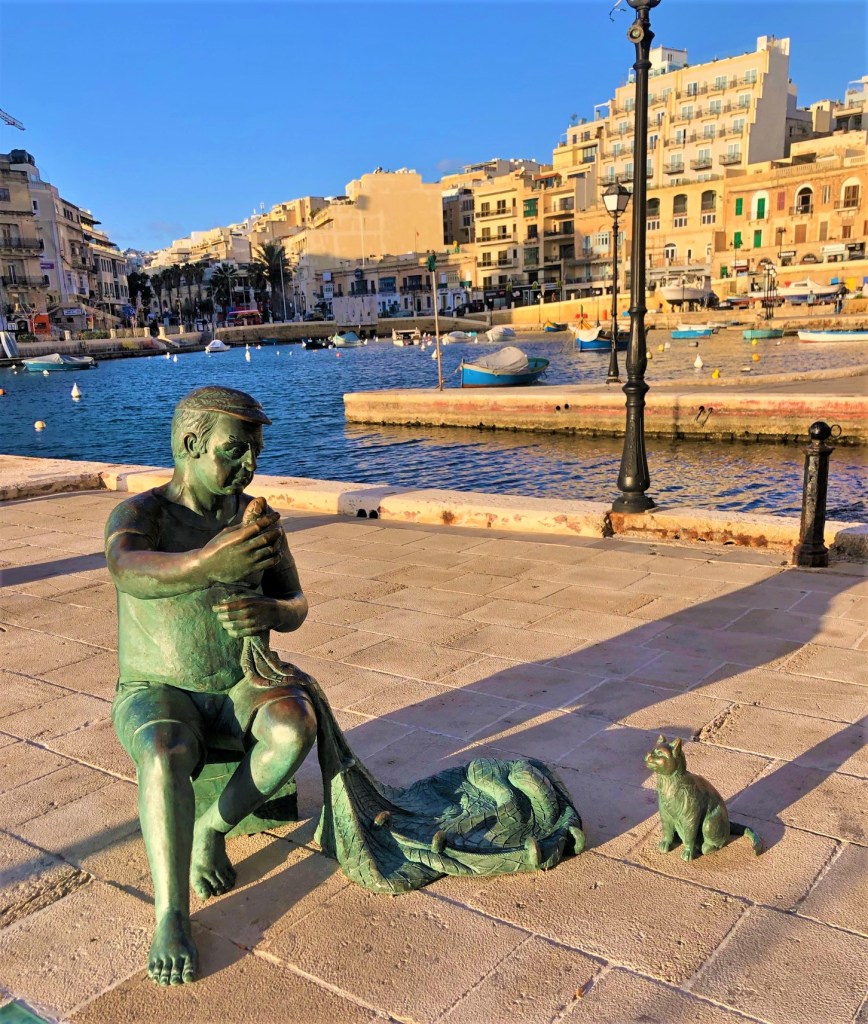
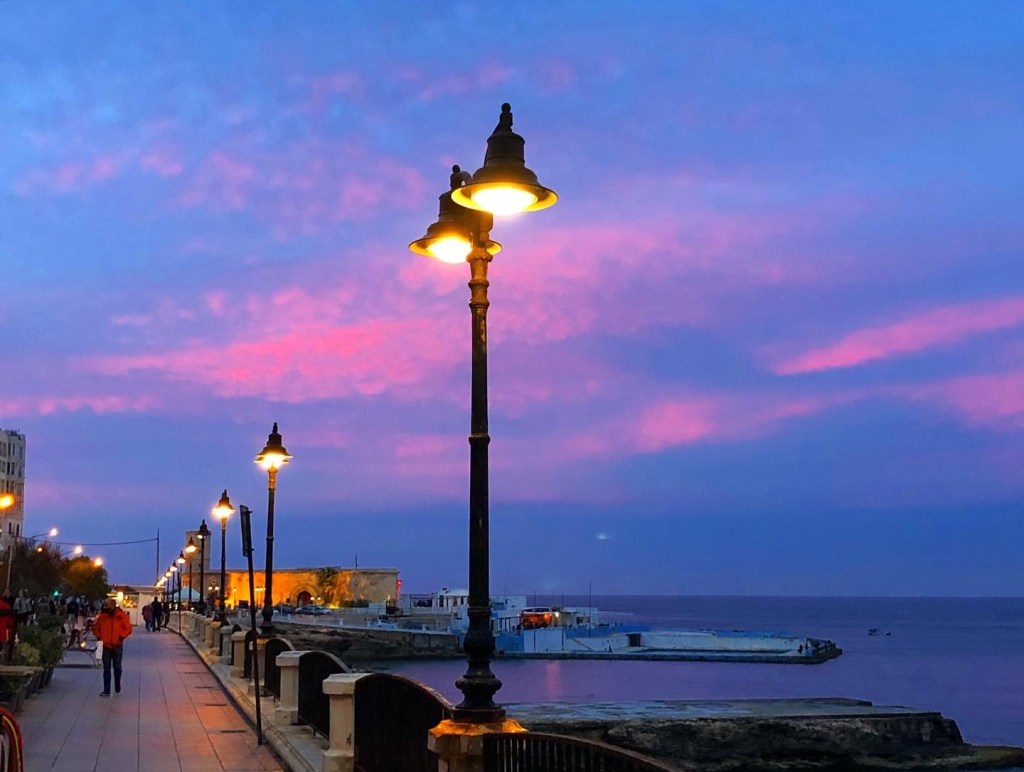
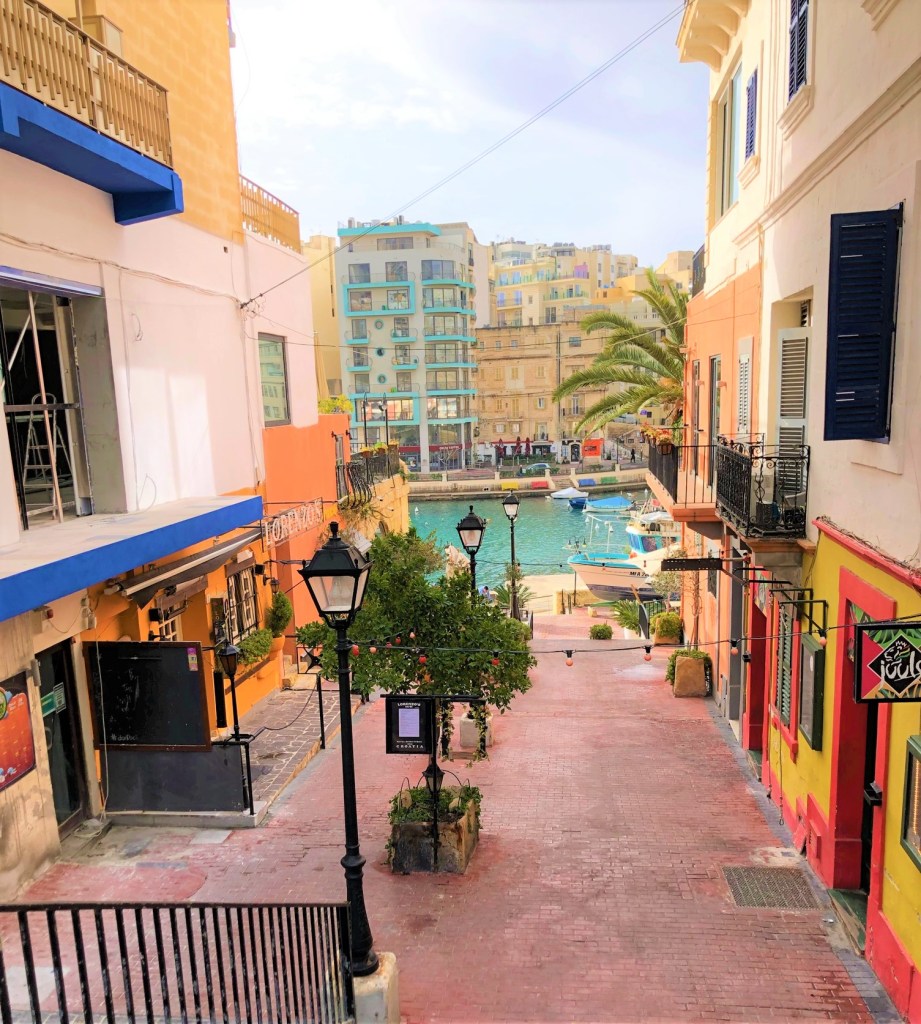
We stayed in Paceville, not Valletta, but getting between the towns was quite simple via bus. You can also drive, but the driving and parking is so hectic in Malta that I recommend only driving when you must, which is necessary to reach the ancient sites, beaches, or the ferry to Gozo. We opted to walk, actually, along the coast from St. Julian’s and then to Sliema, and then hop on a water taxi to Valletta.
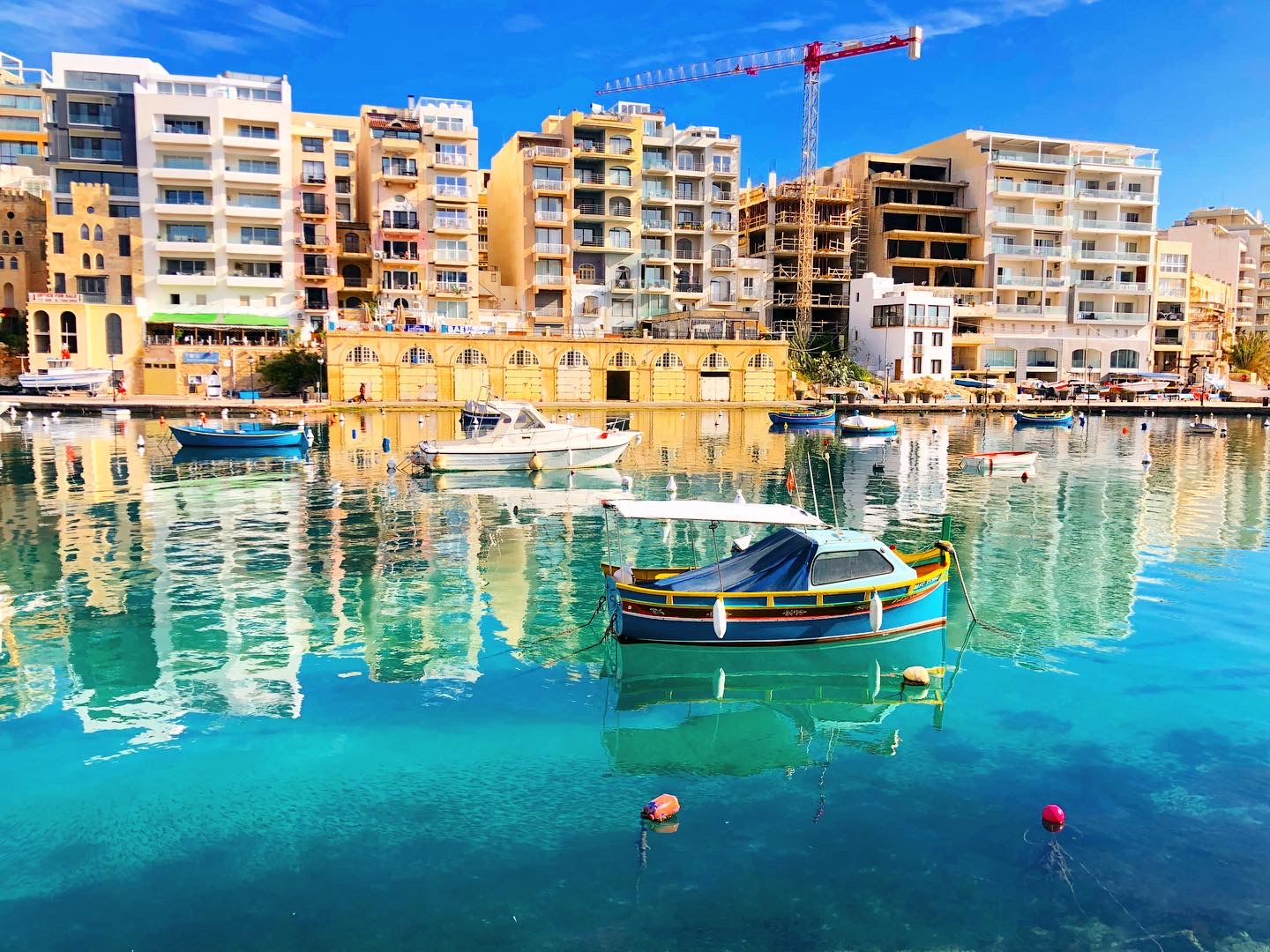
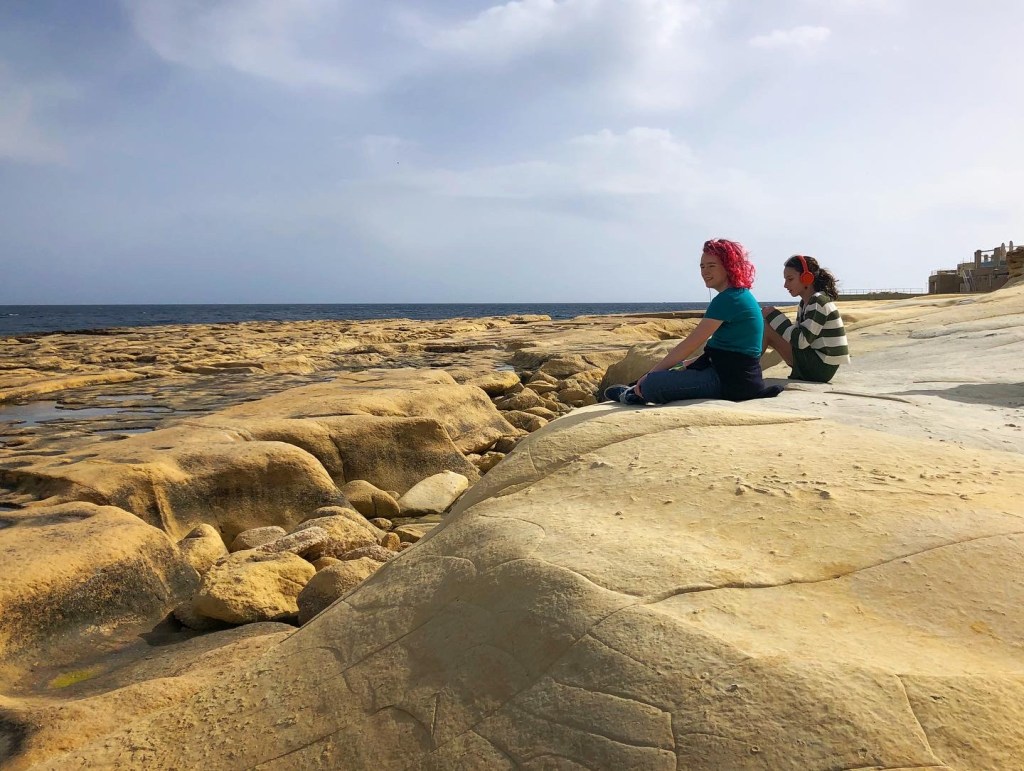
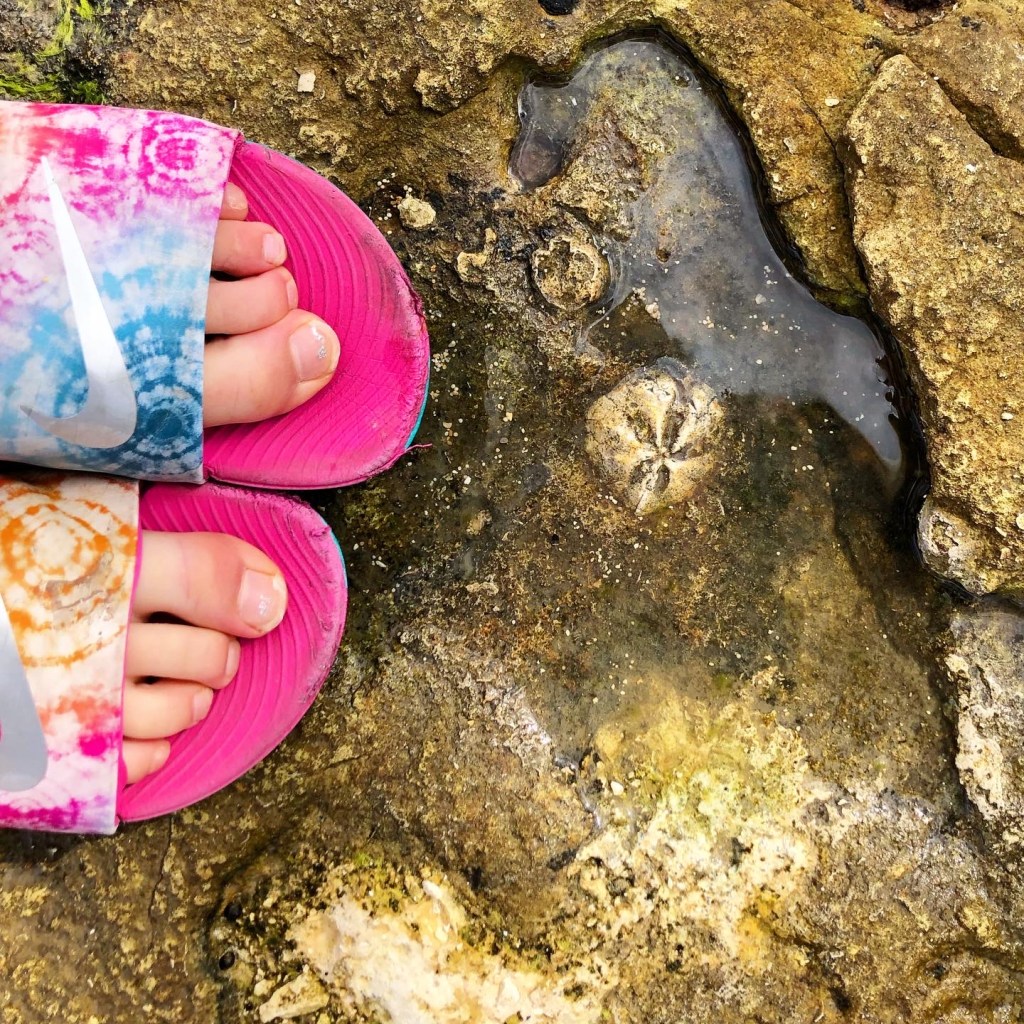
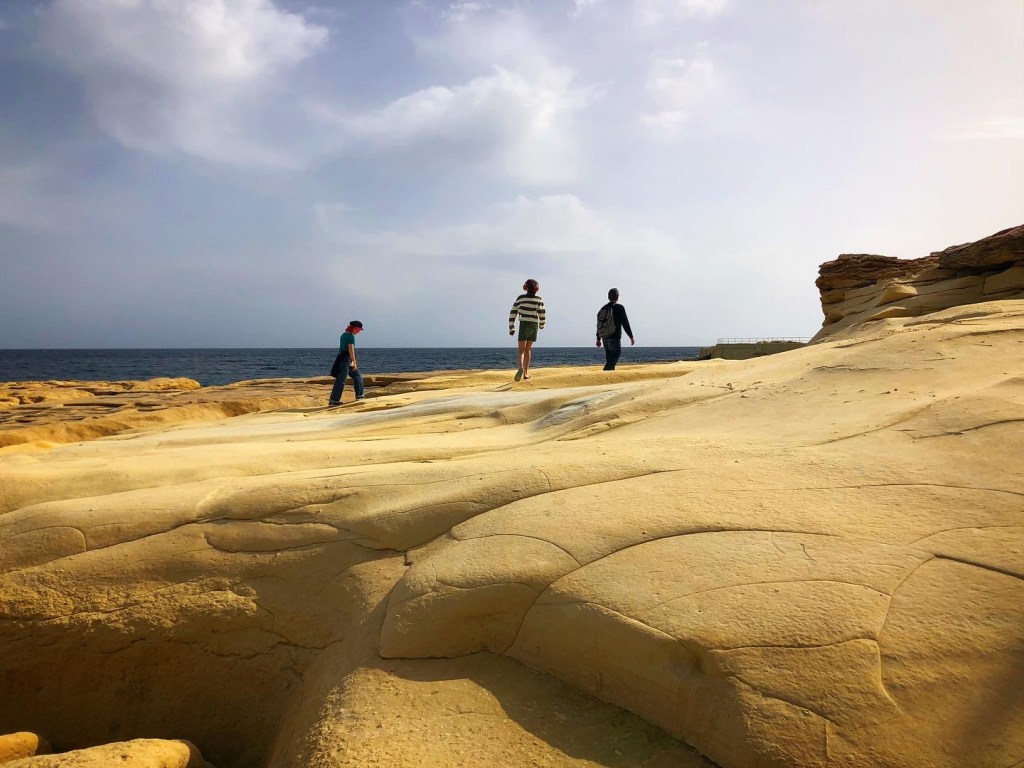
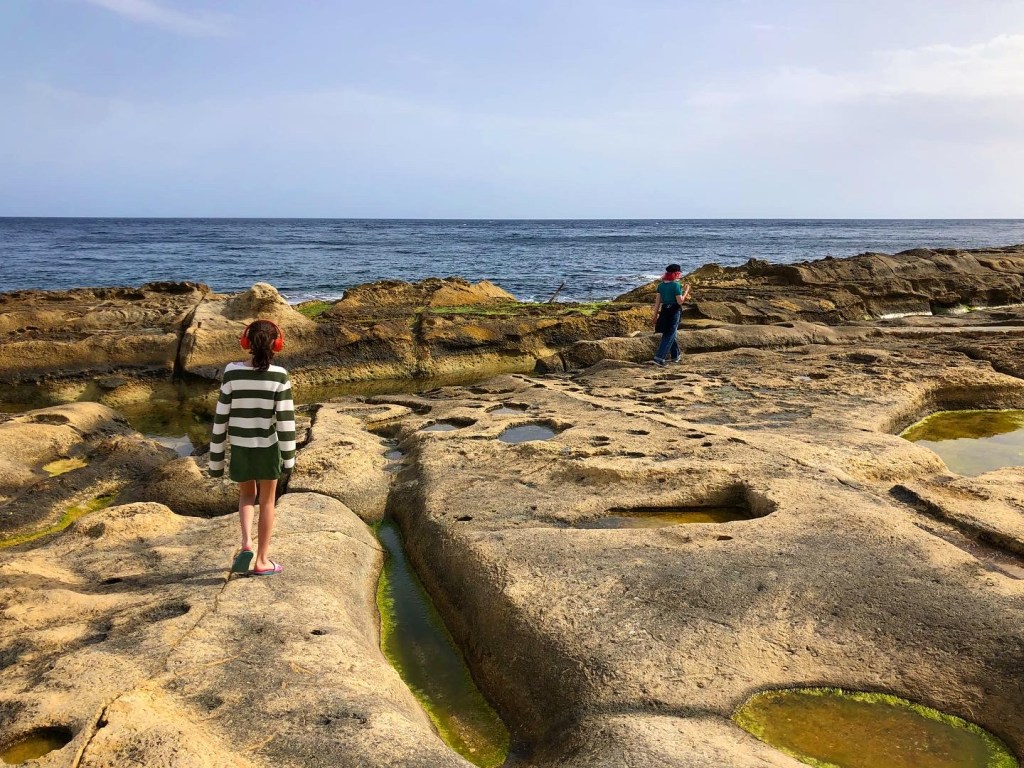
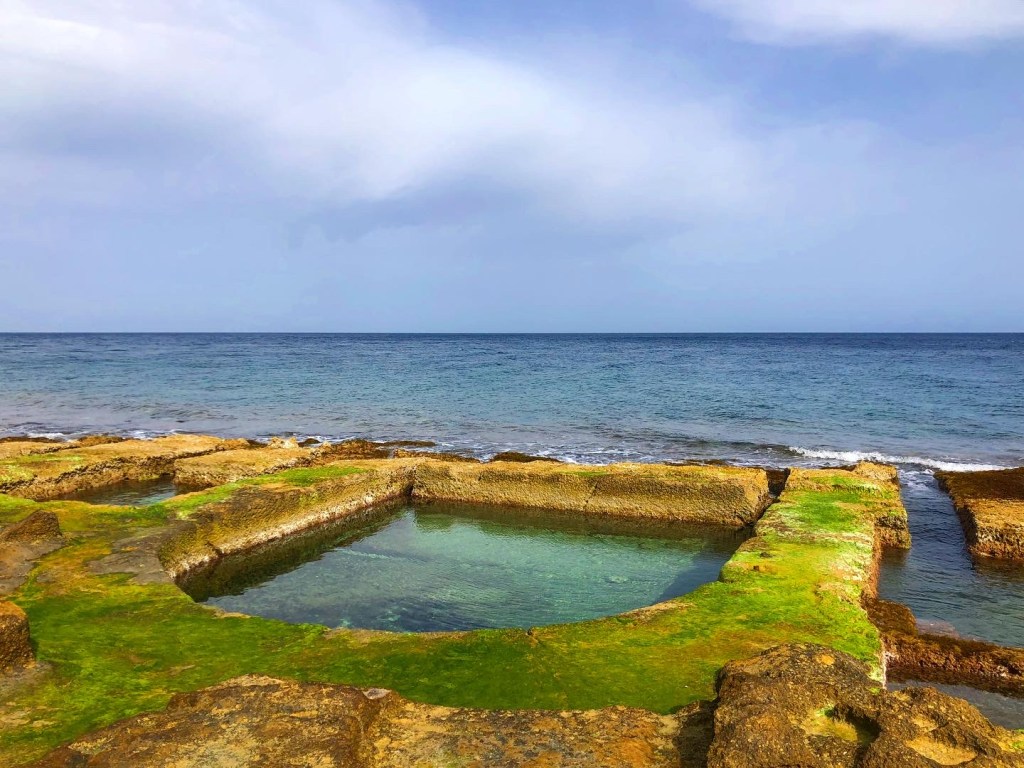
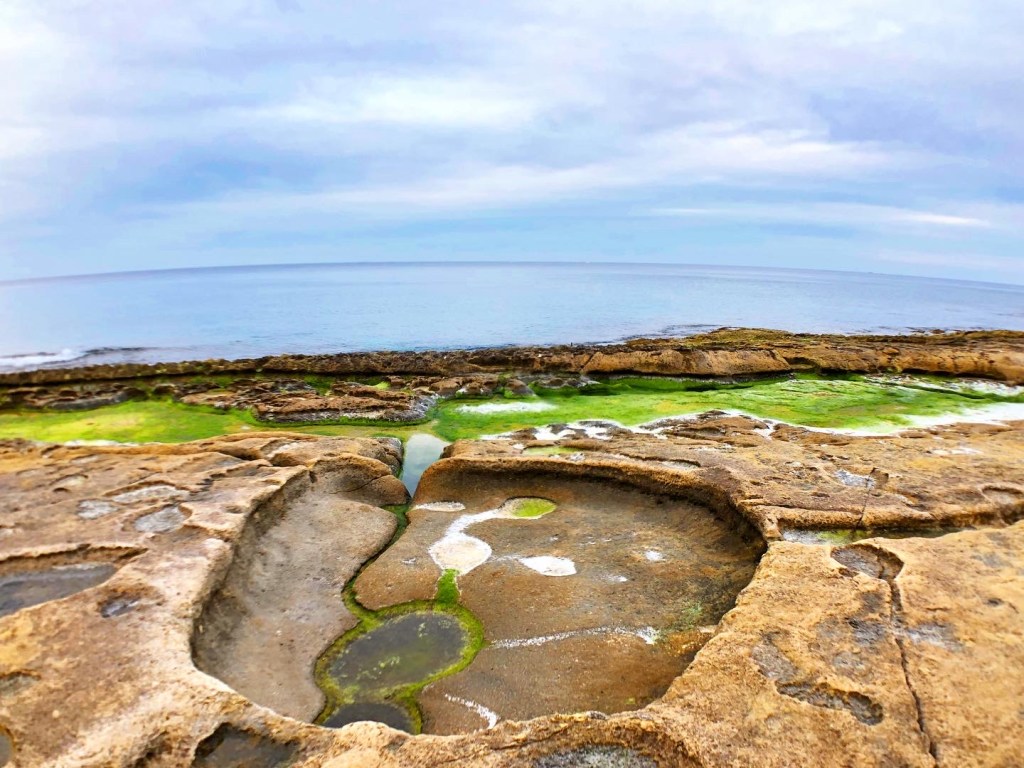
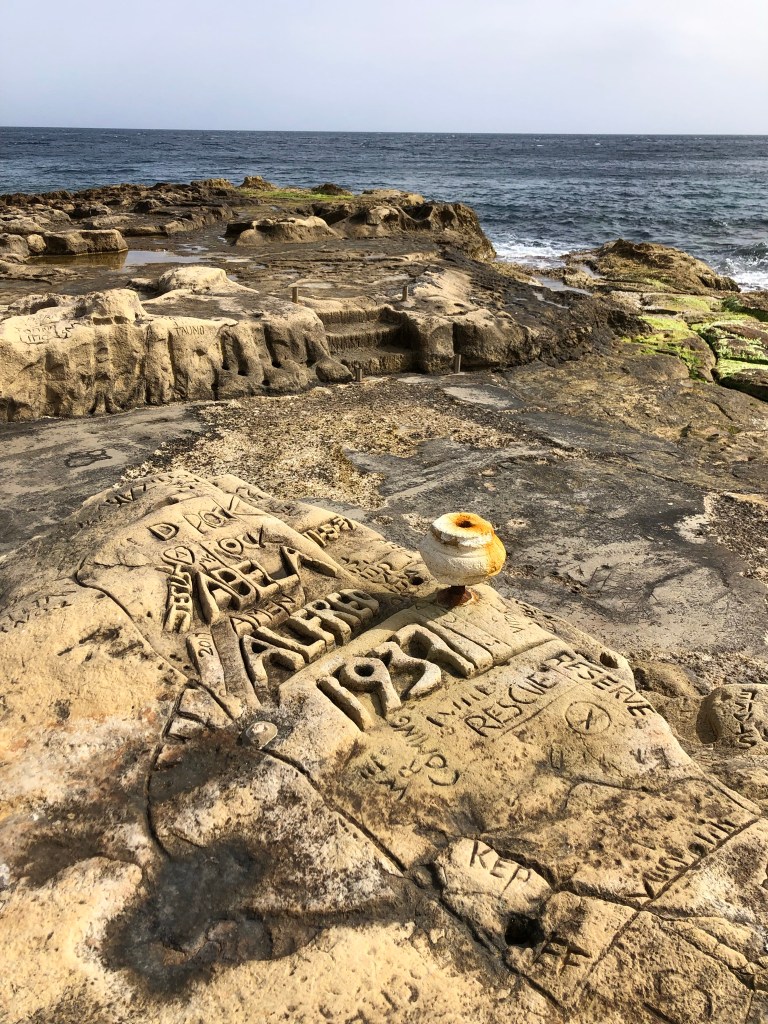
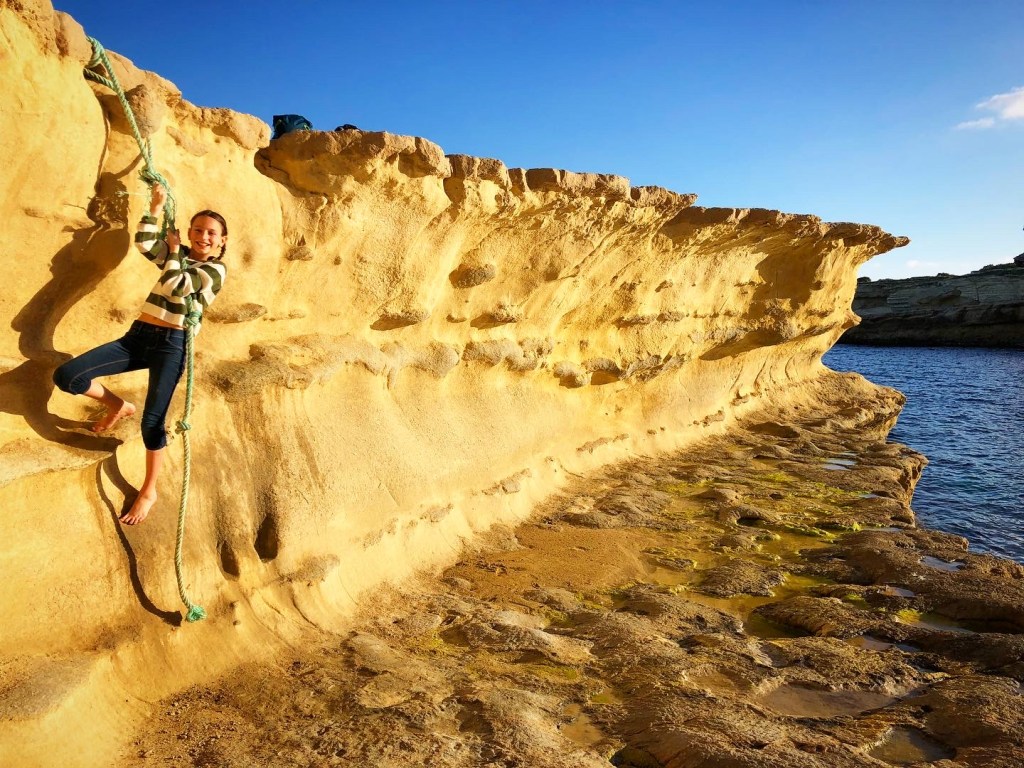
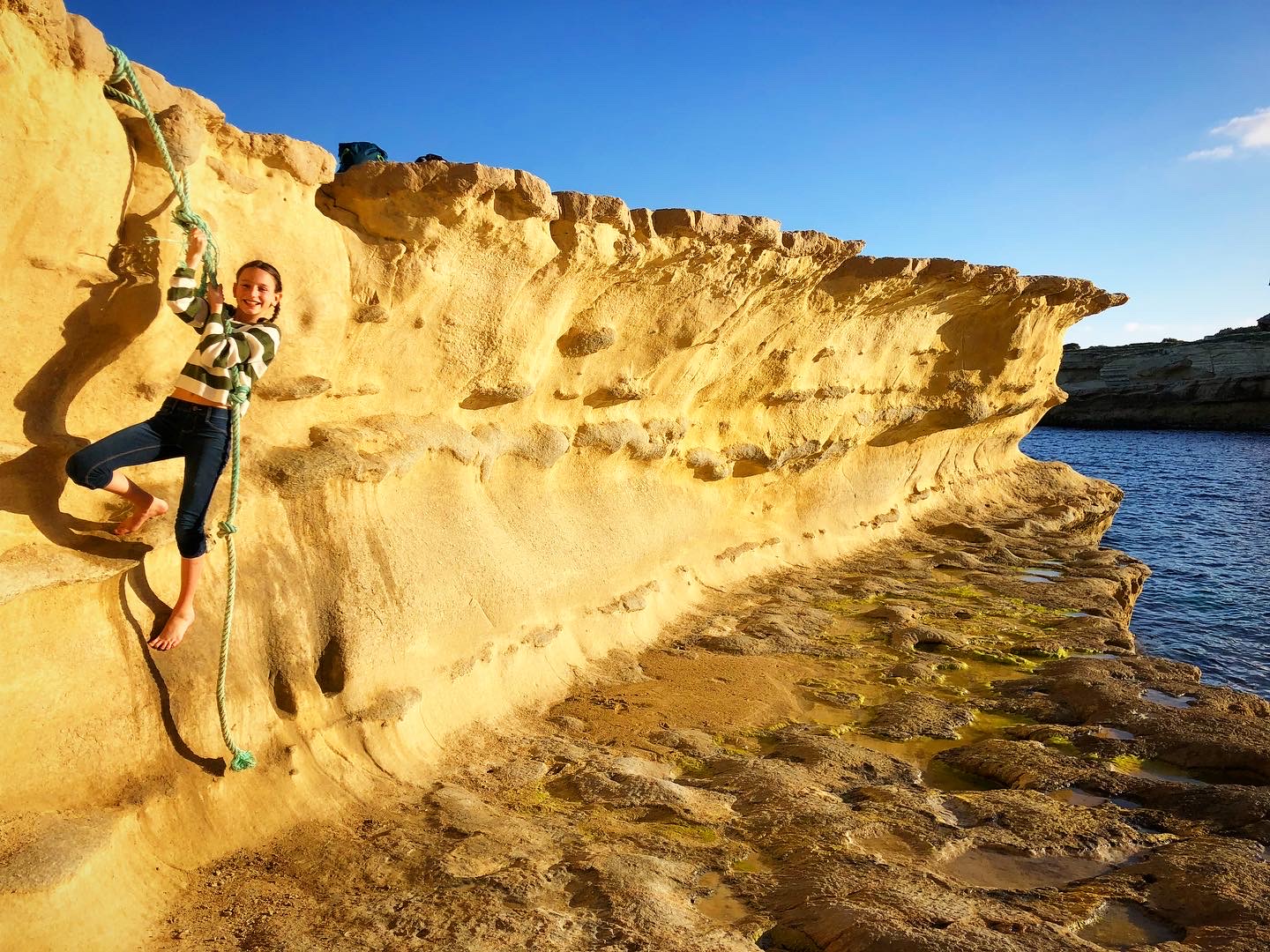
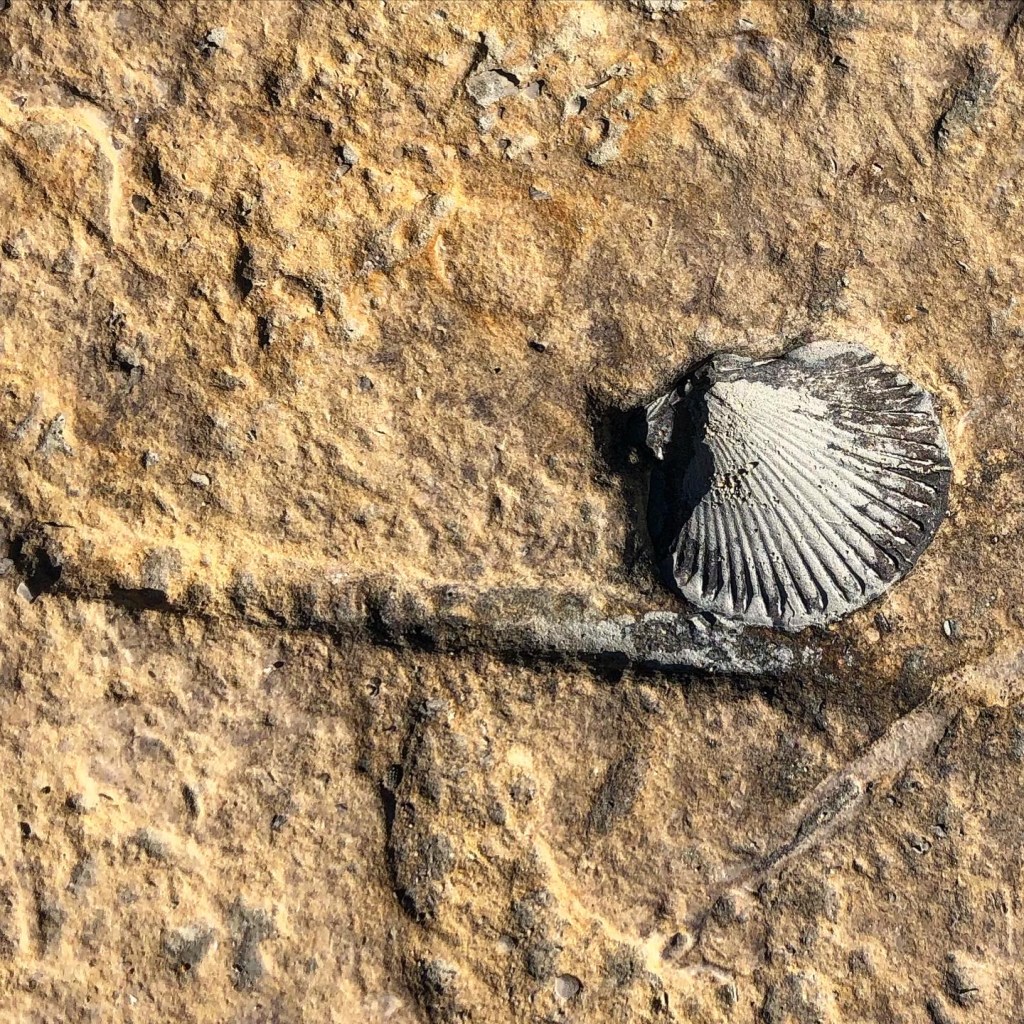
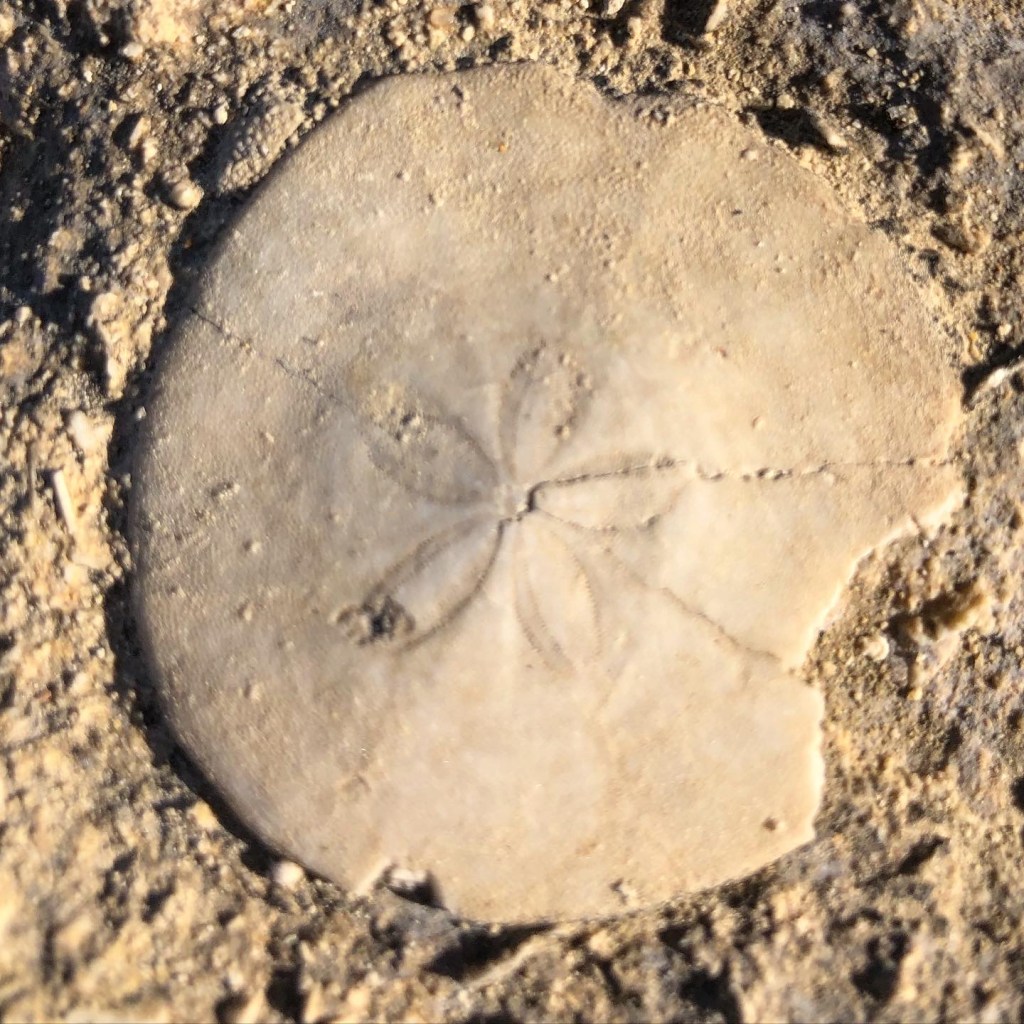
The cliffs and coast from St. Julian’s to Sliema are an adventure in their own right and this trek became a favorite for us. We pointed out all the fish we saw in the aquamarine water, discovered sooo many fossils in the golden limestone, and just generally climbed around. Along the cliffside in Sliema you’ll come across ancient Roman baths carved directly into the limestone, with the sea water filling them up like pools.
Mdina
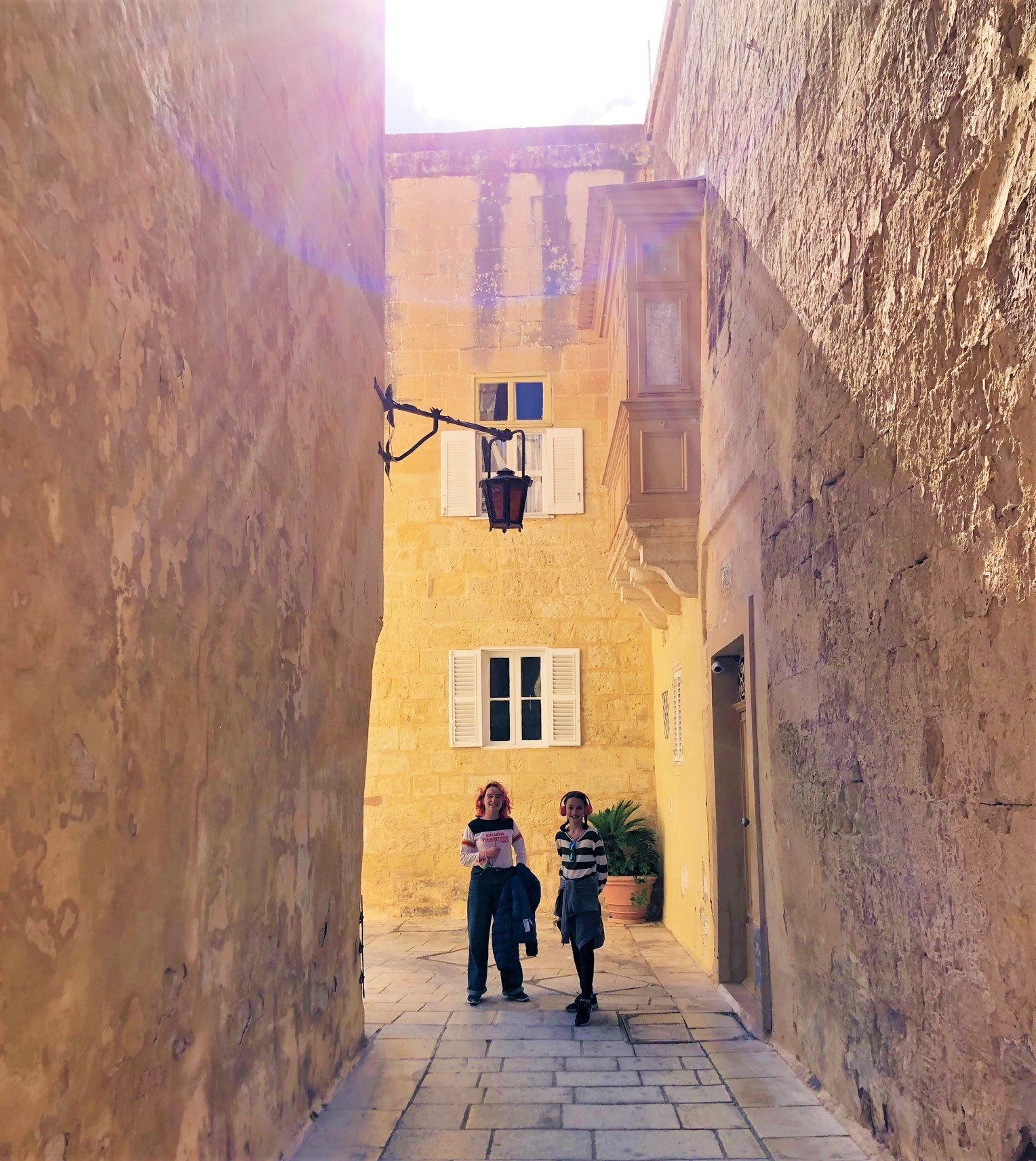
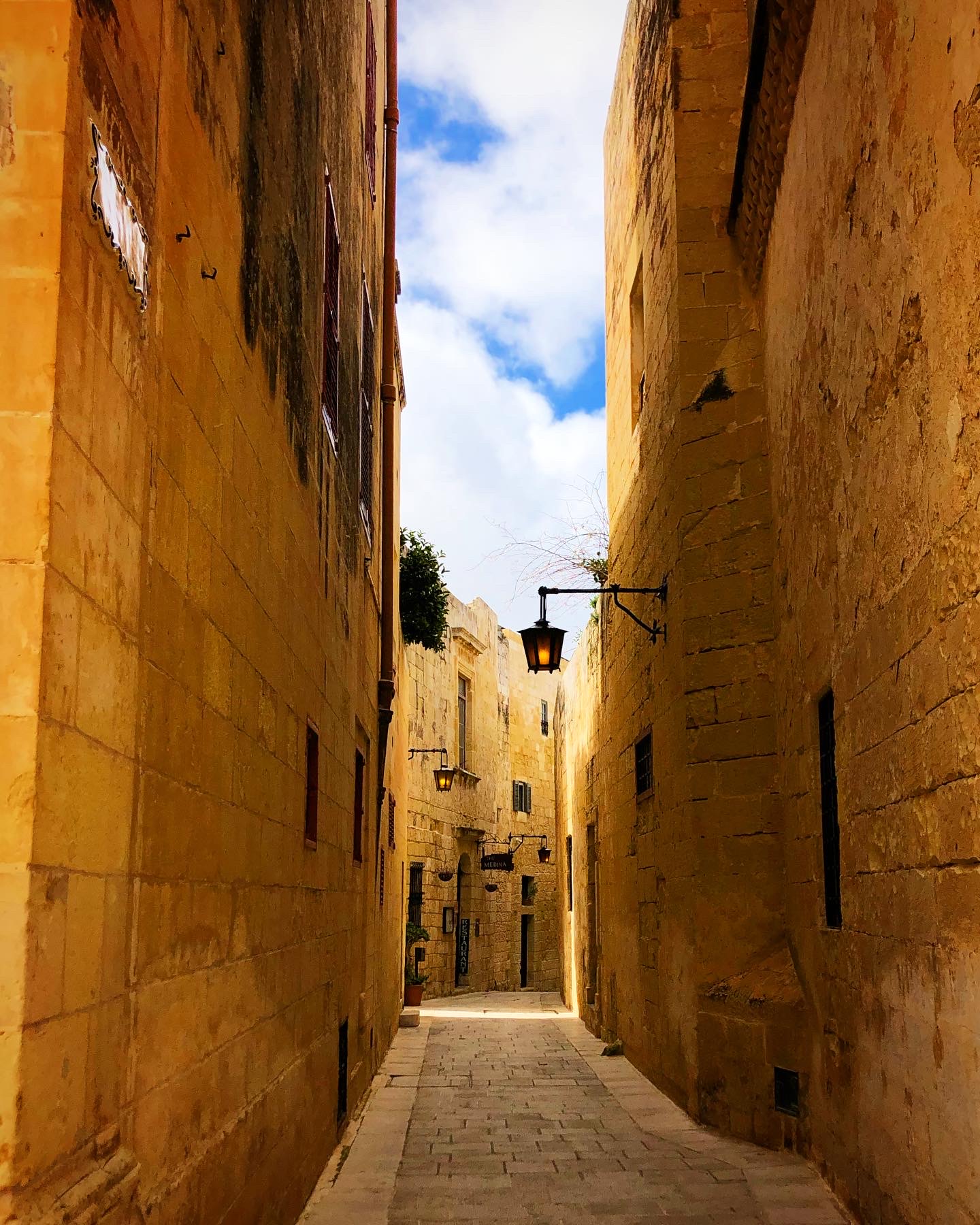
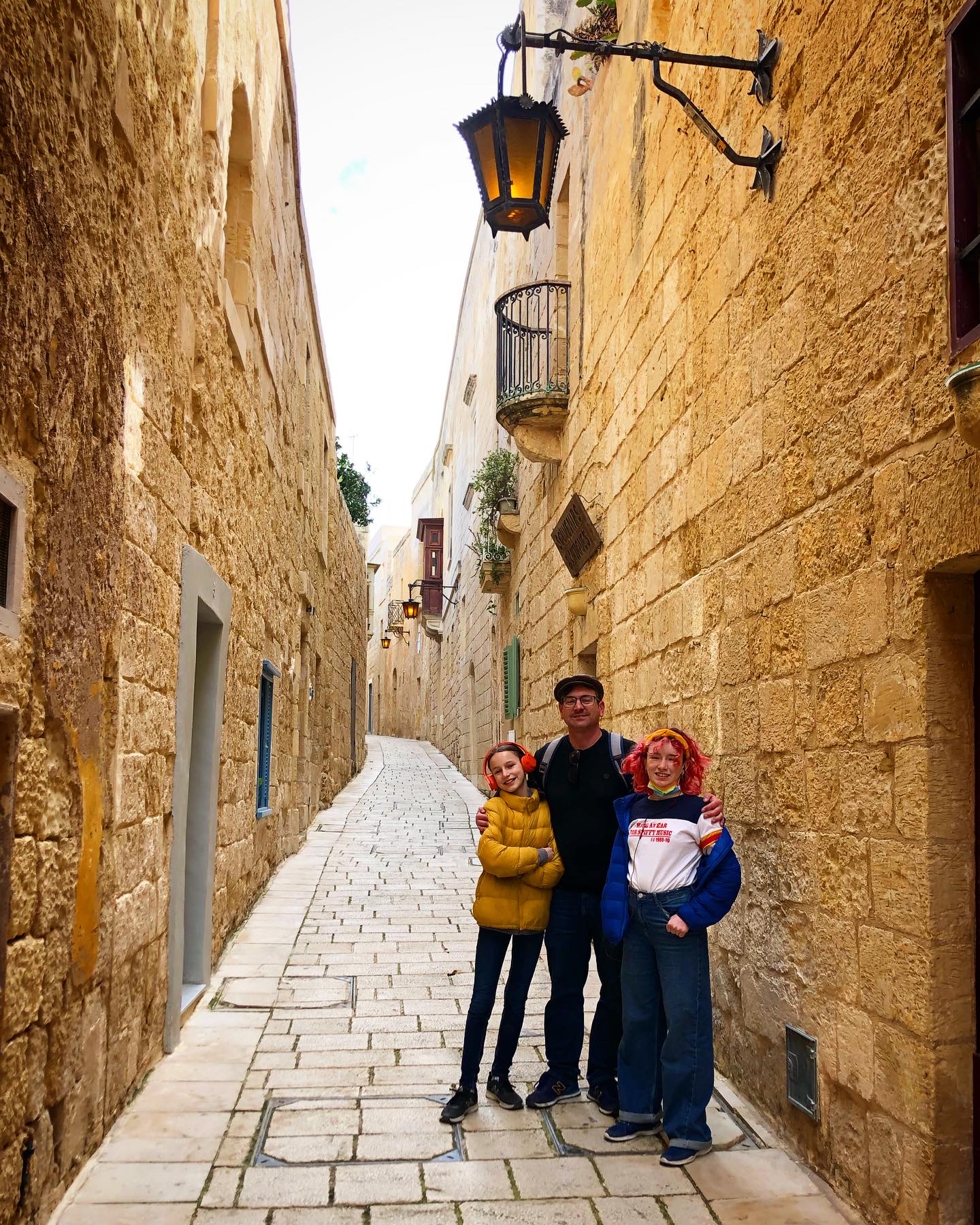
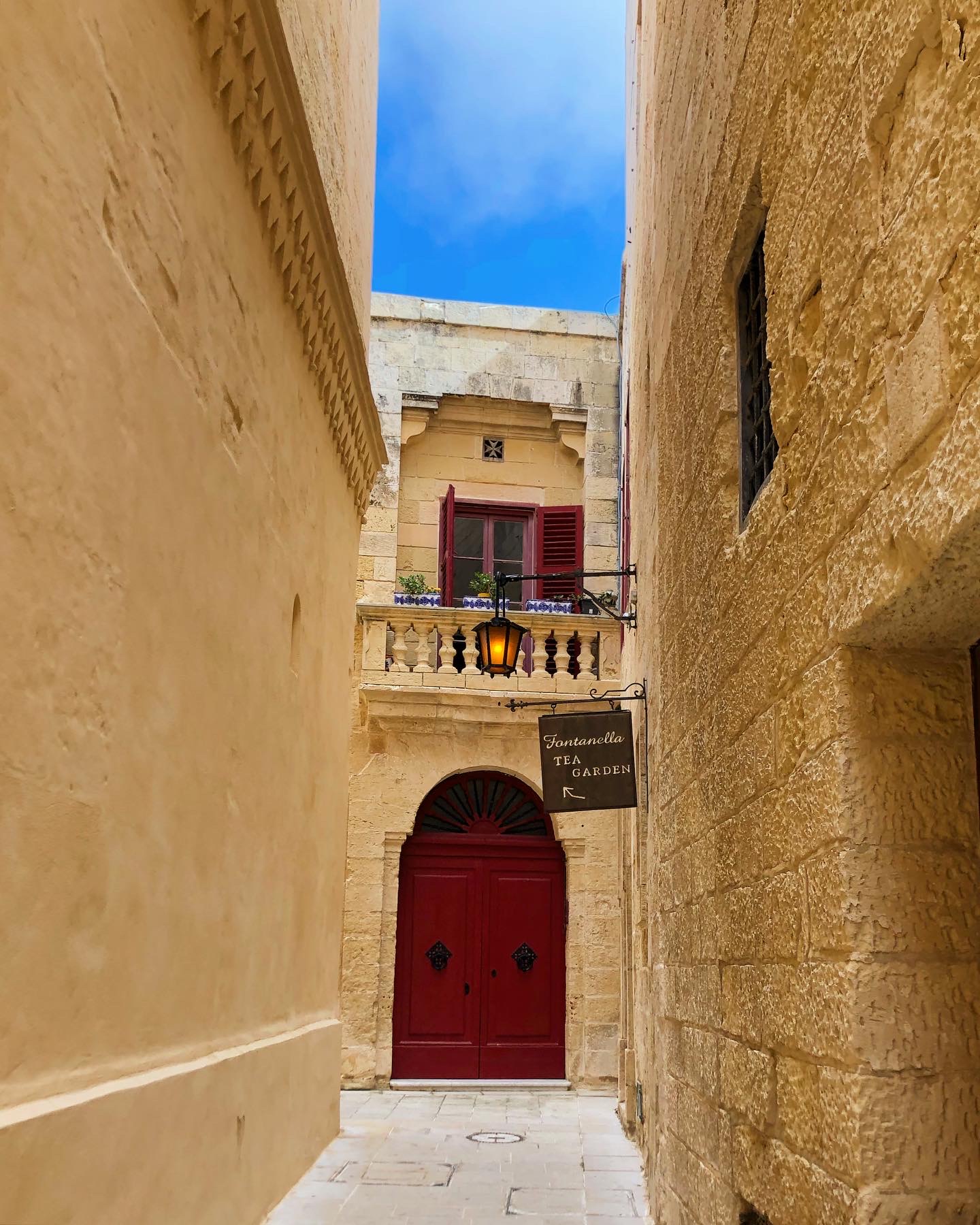
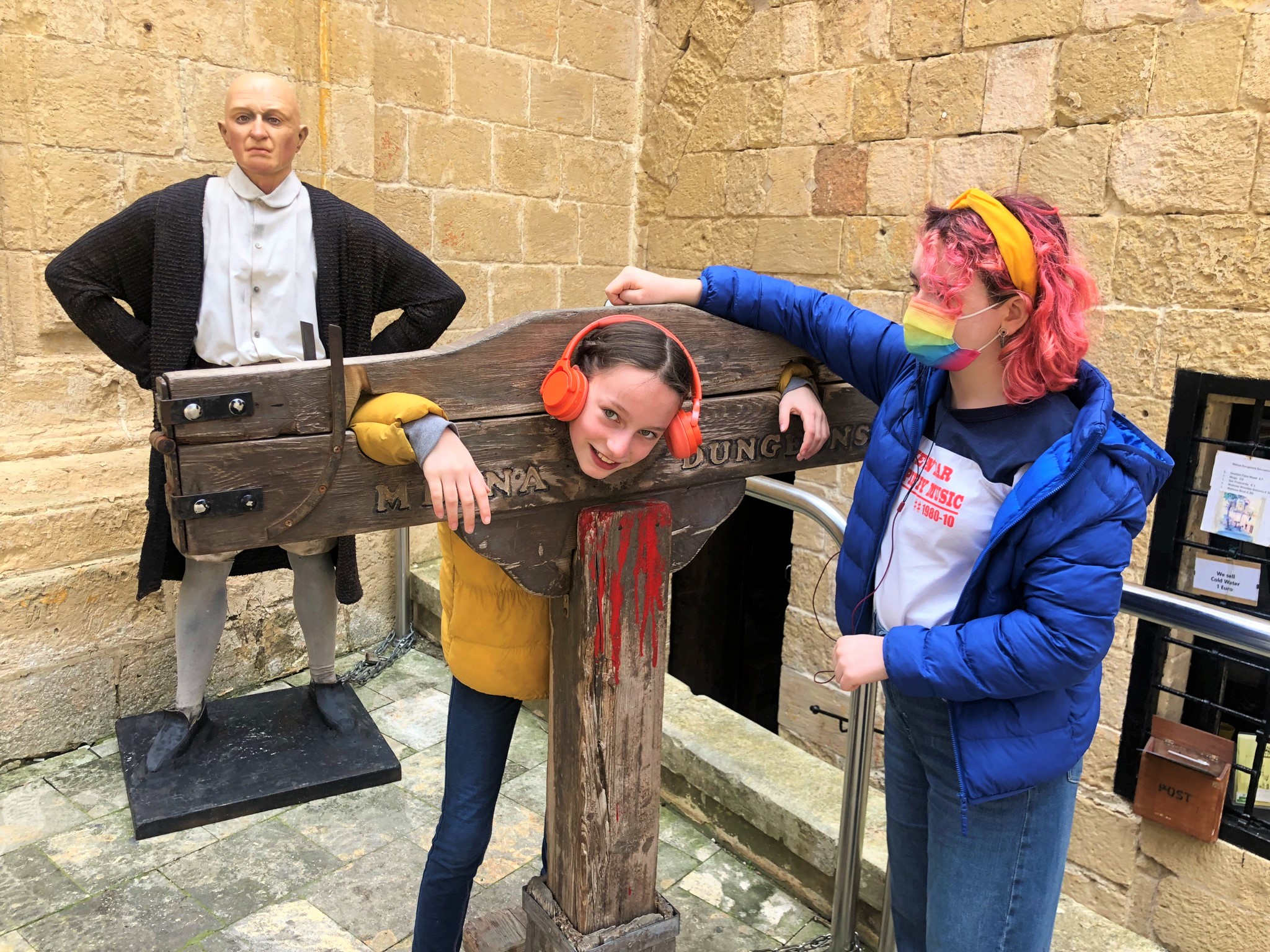
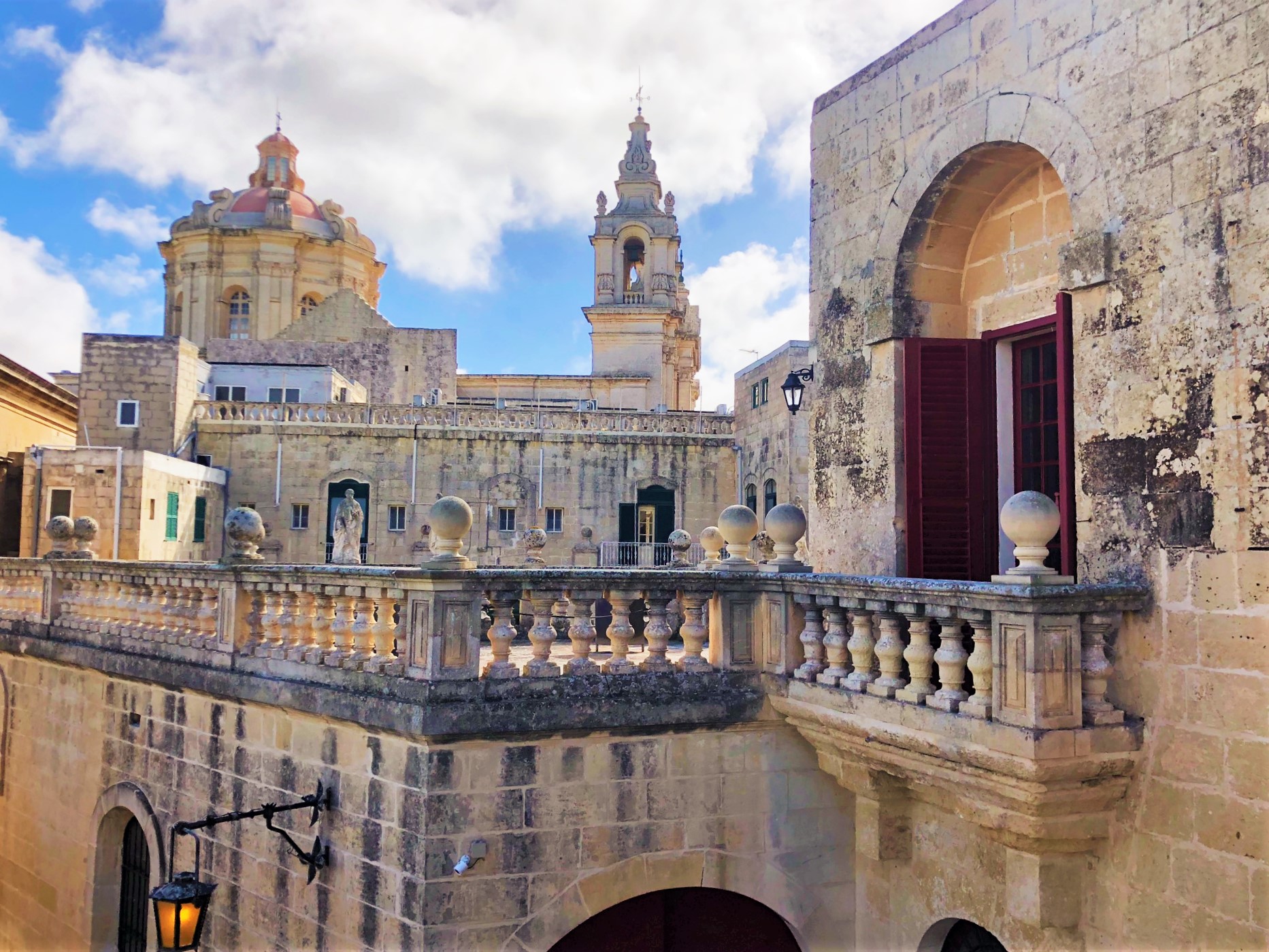
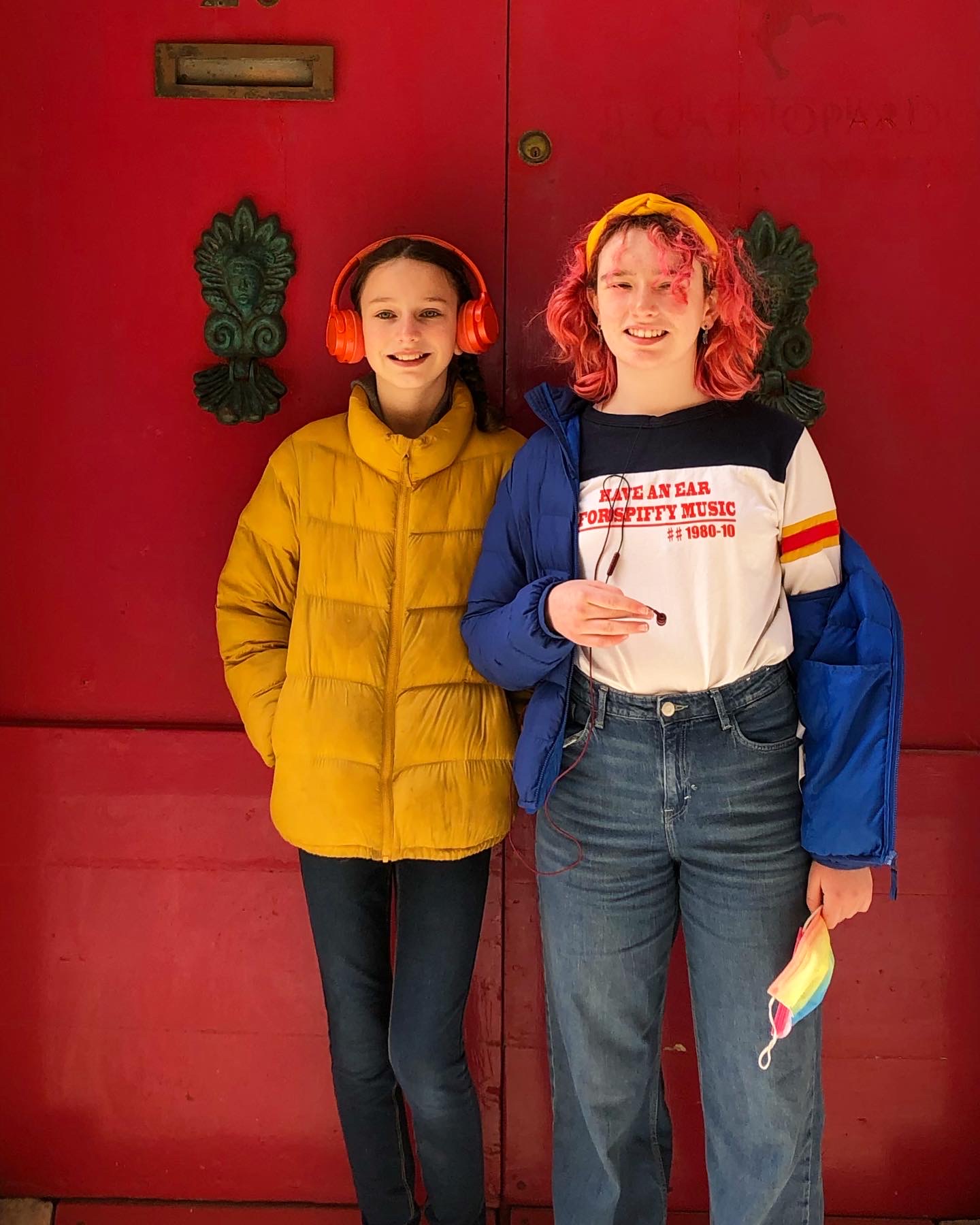
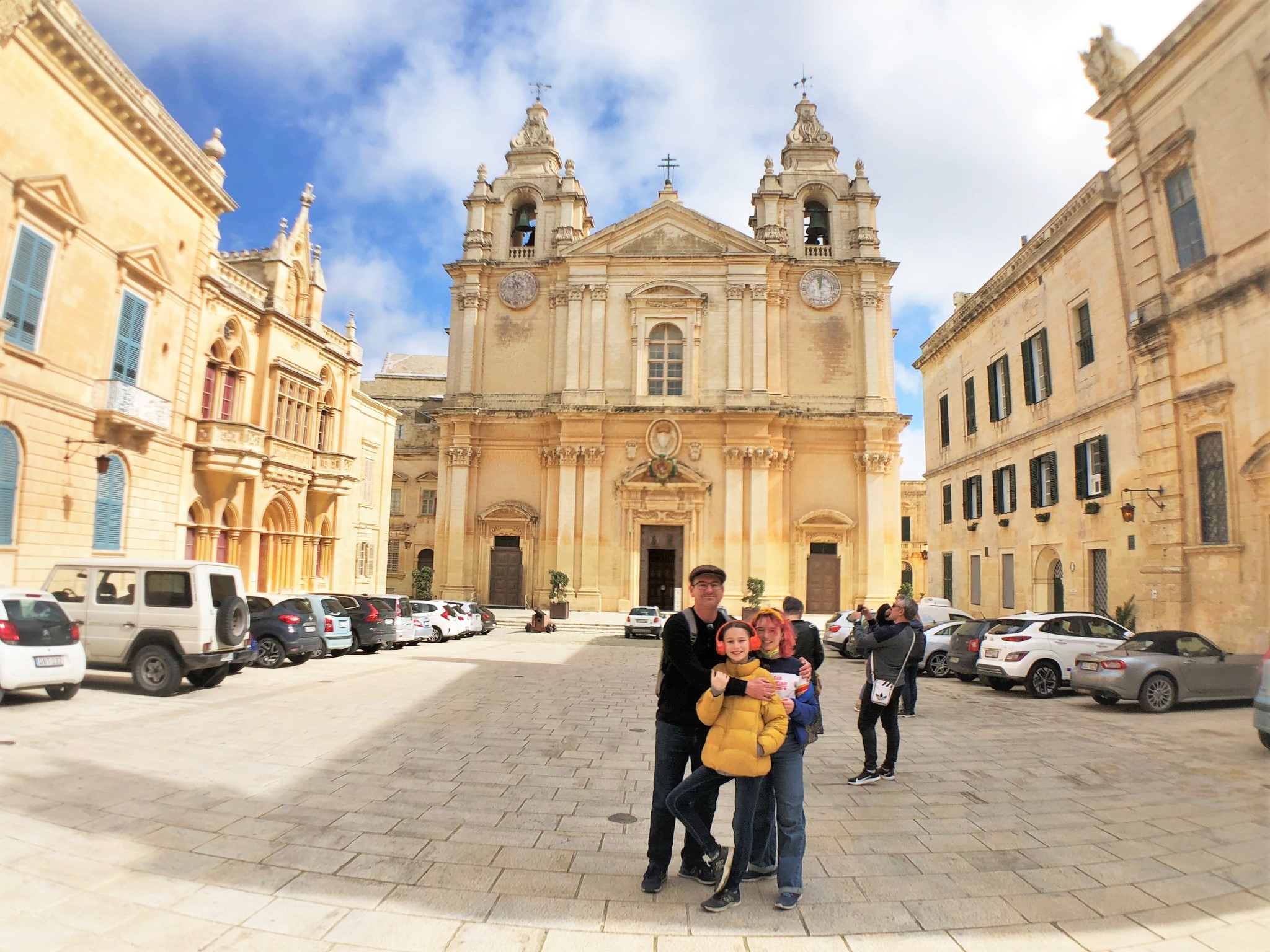
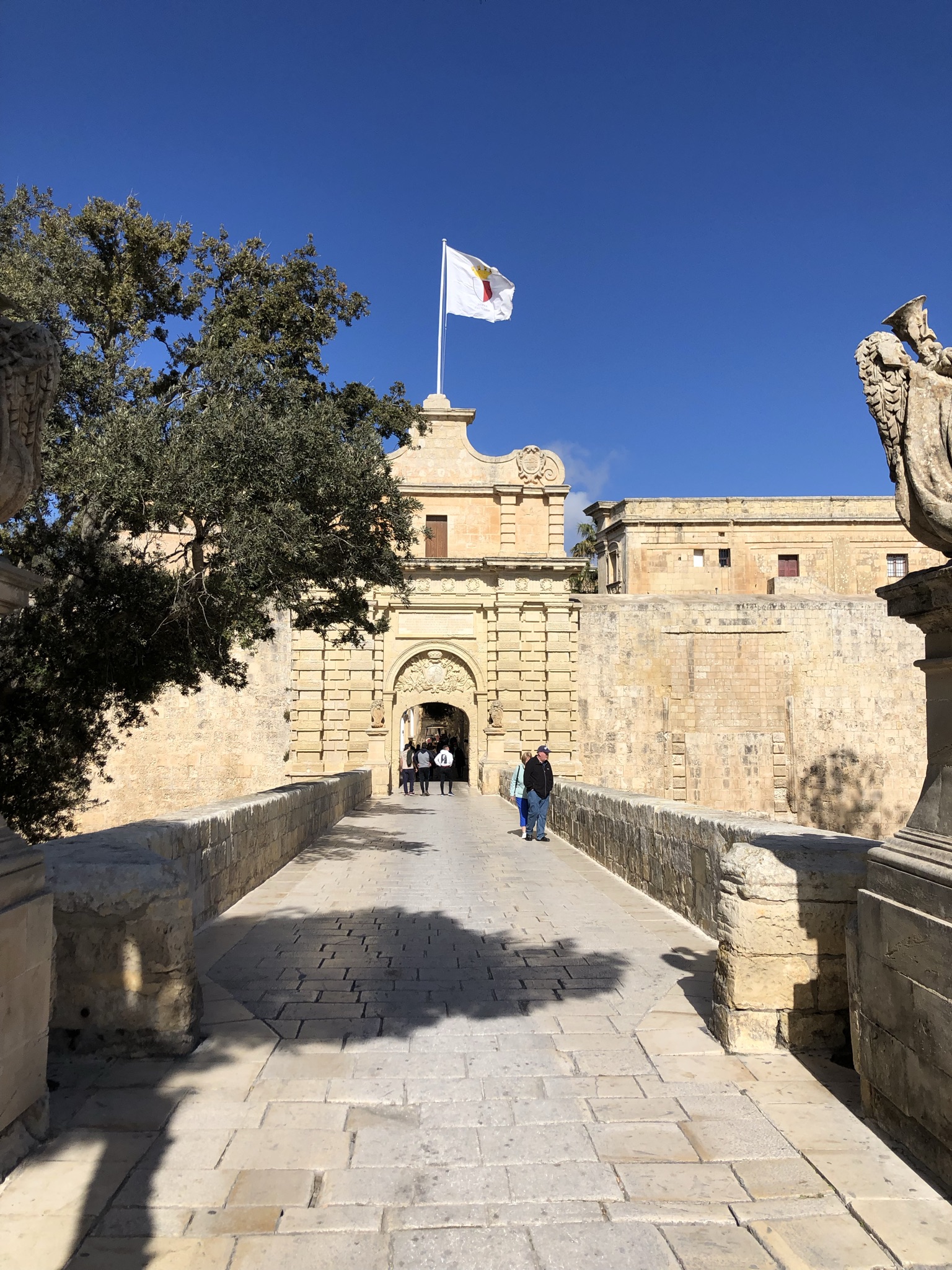
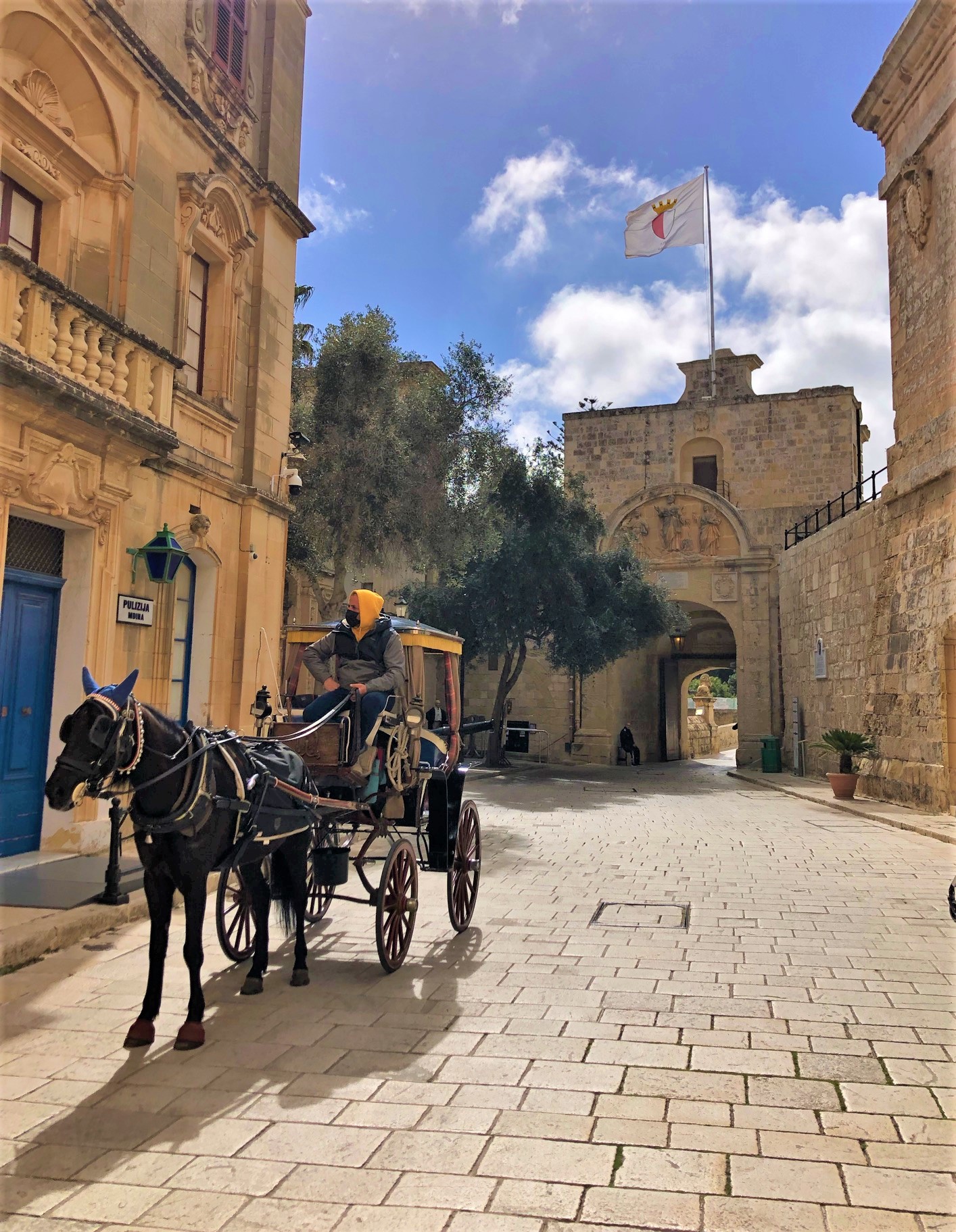
An afternoon winding ourselves around the medieval streets of Mdina was next level storybook, for sure. Once the capital, this walled city feels like a true step backwards in time. Every corner turned elicited another “oooh, look!” and another photo op. And if you’re hungry then there’s Fontanella Tea Garden, what can only be called an institution in Malta. The sites from the patio along were worth the trip, but the food was simple, comforting, and thoroughly enjoyable.
Birgu
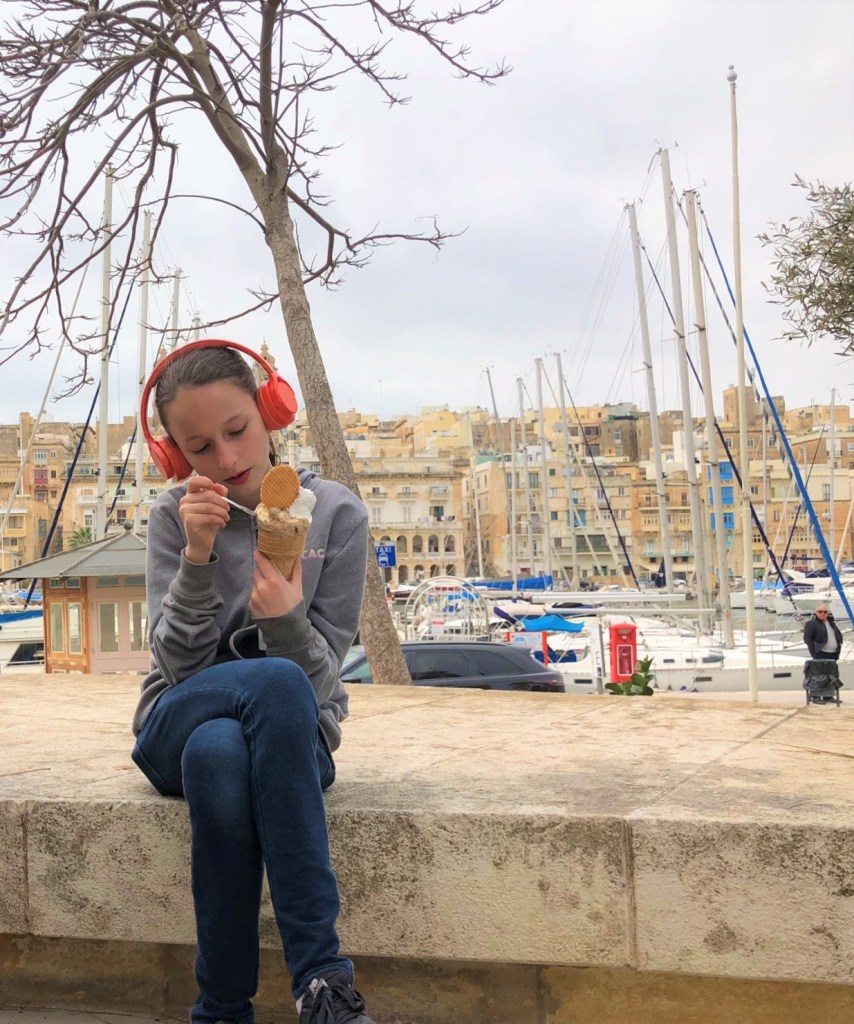
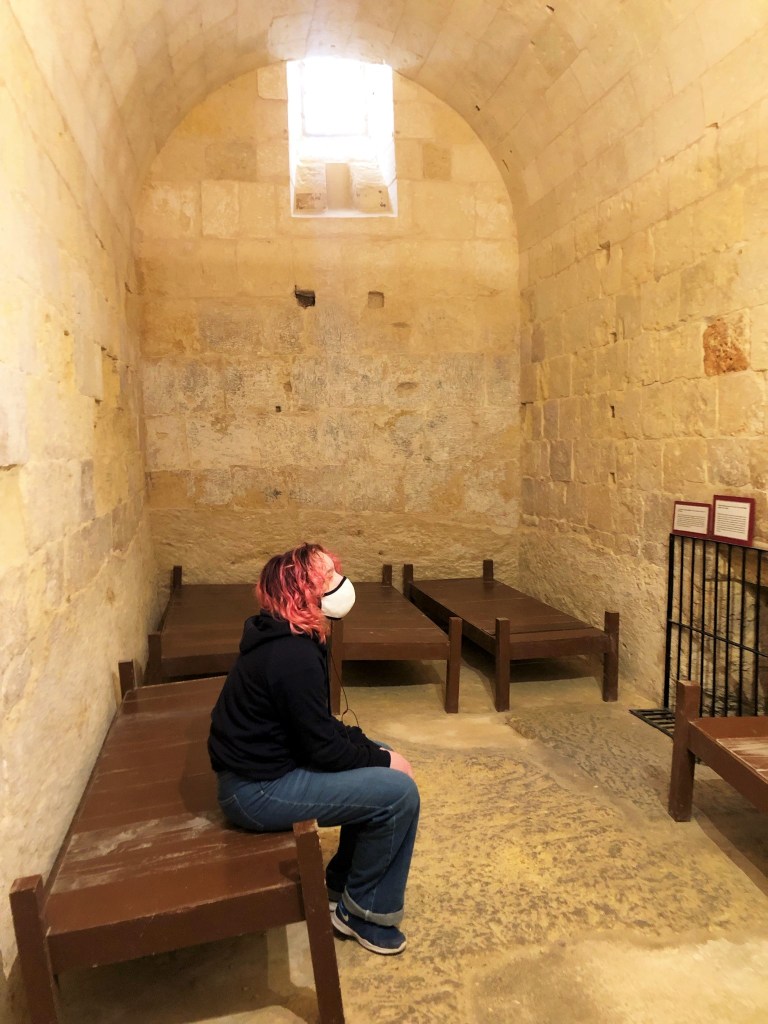
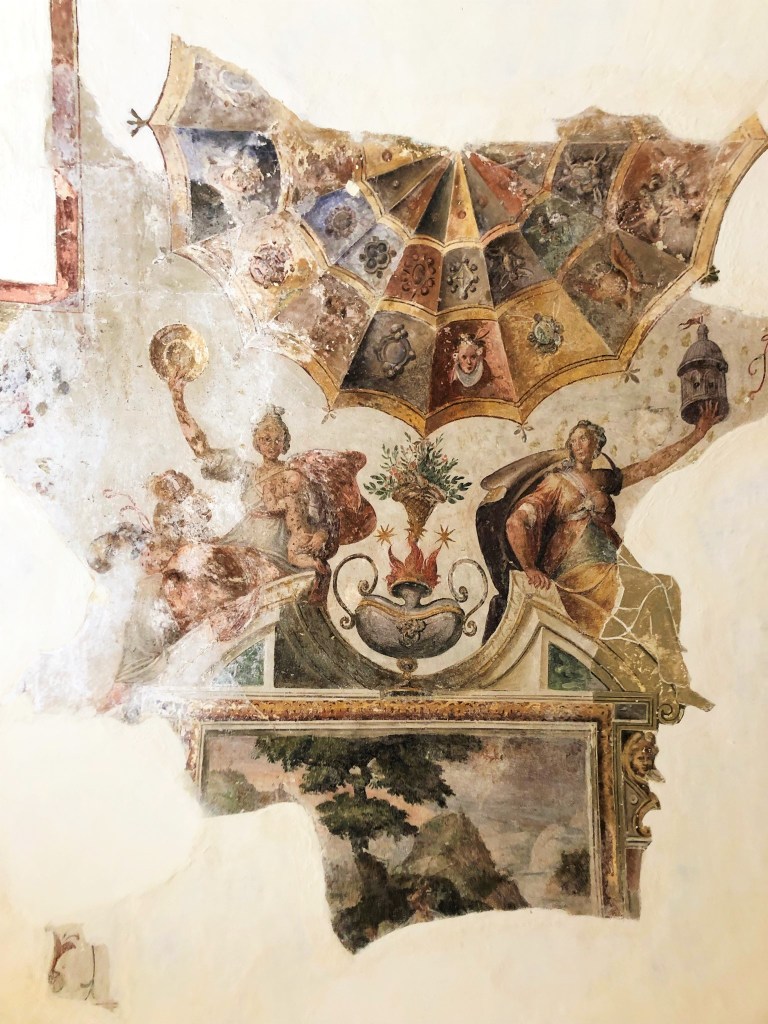
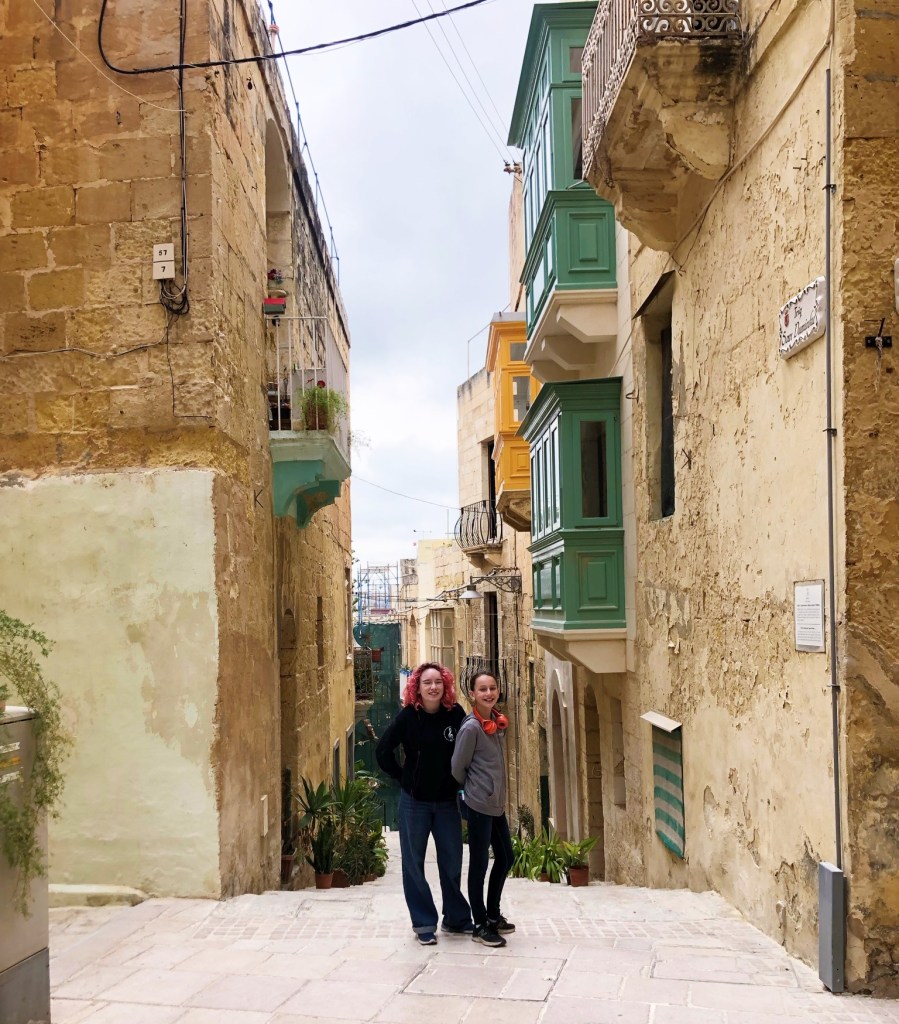
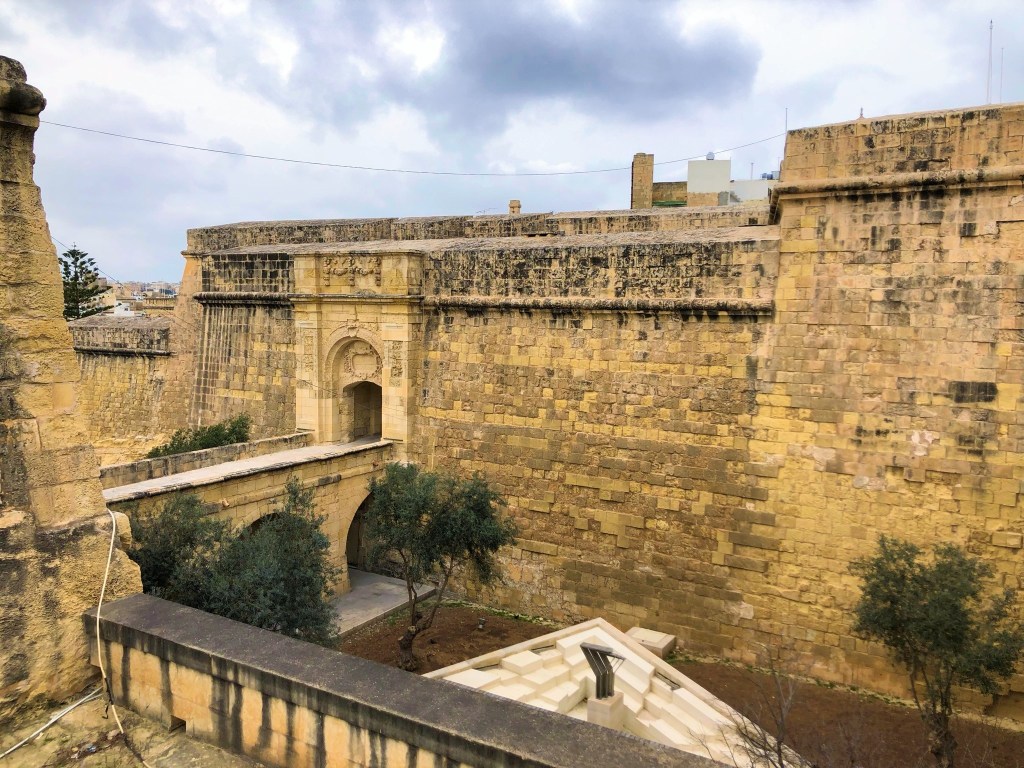
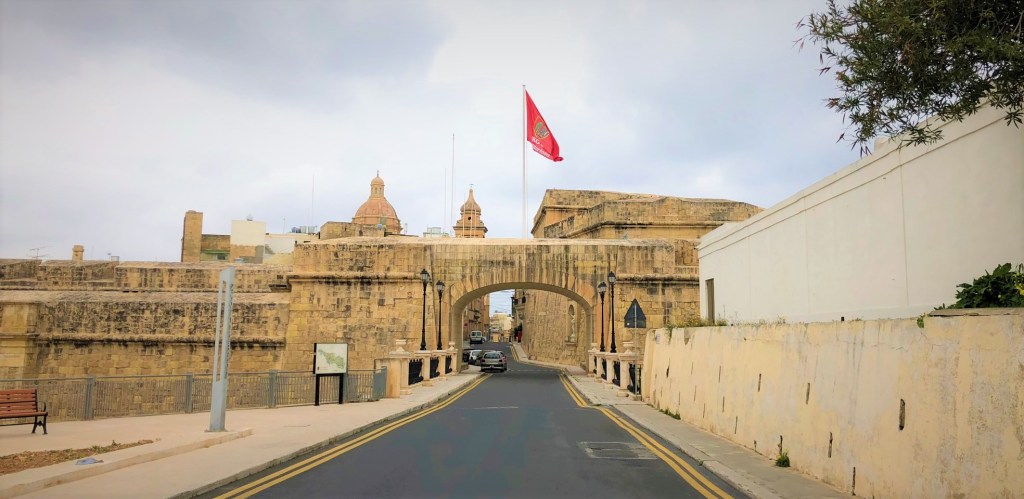
Across the harbour to the southeast of Valletta is Birgu, an old fortified city that’s one of the oldest cities on the island. I fell in love with Birgu, and would strongly recommend staying there (it’s where I’ll stay if I go back), it’s just soooo appealing. Blocks and blocks of gallariji, a seaside harbor brimming with sailboats, a very interesting visit through the Inquisitor’s Palace, and some excellent gelato from Sottozero made for a great afternoon.
Marsaxlokk, St. Peter’s Pool, & the Southeast Coast
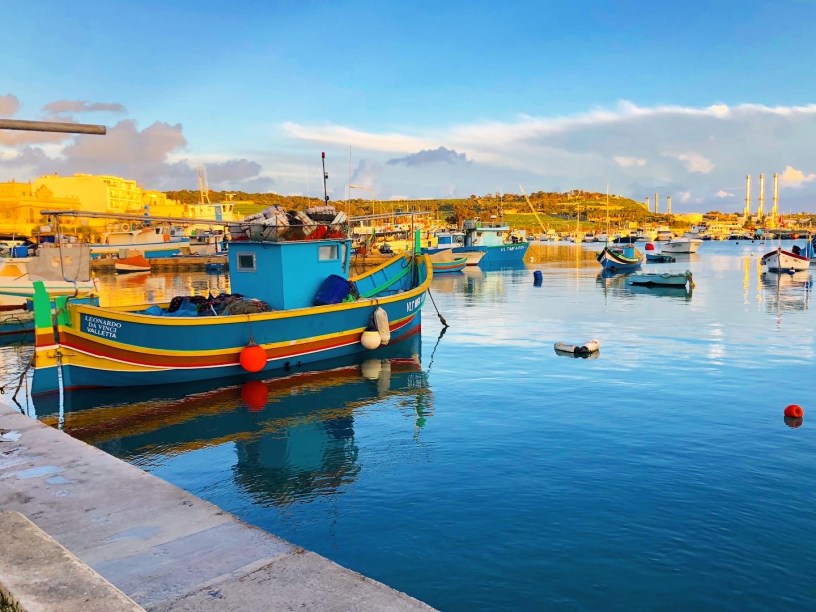
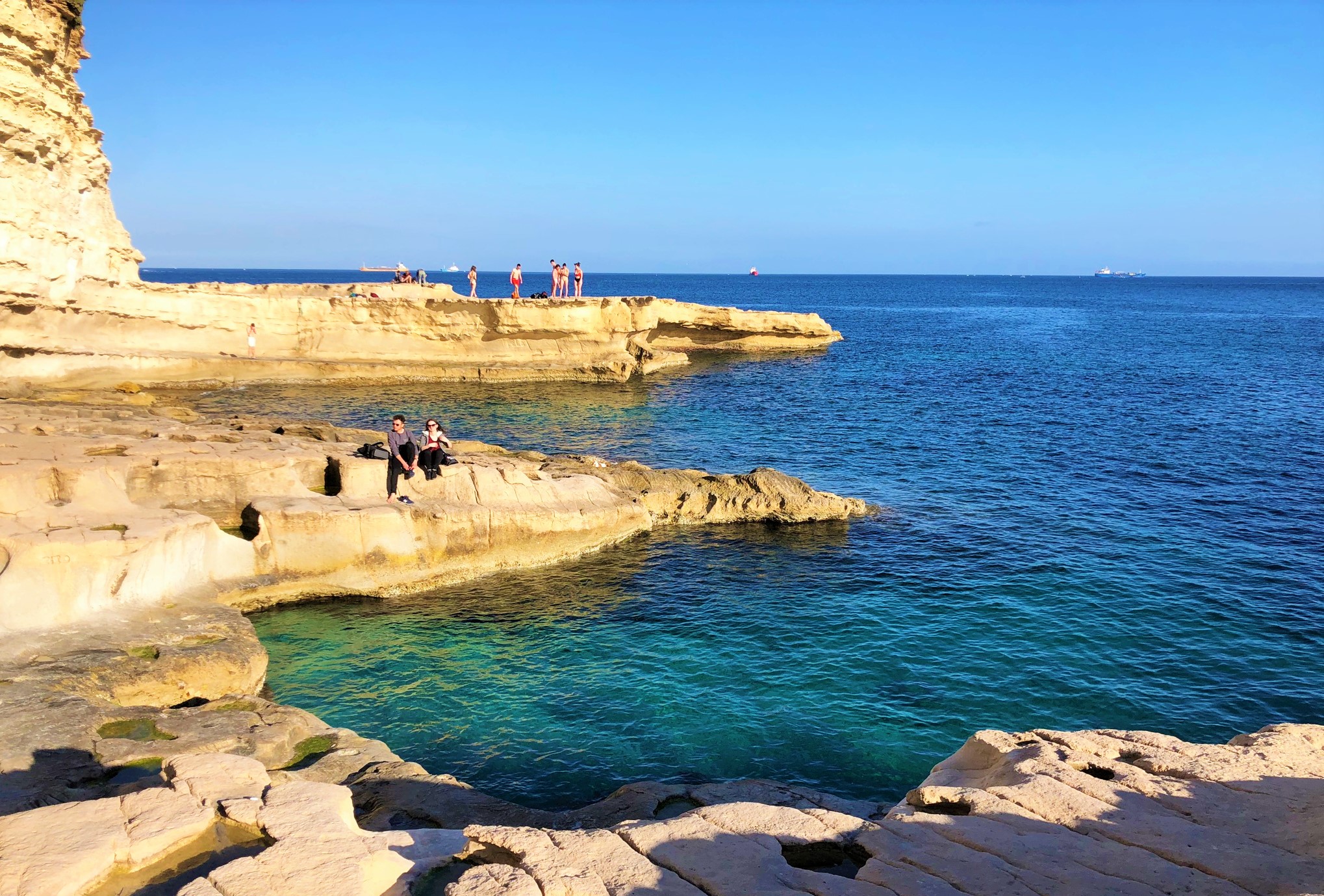
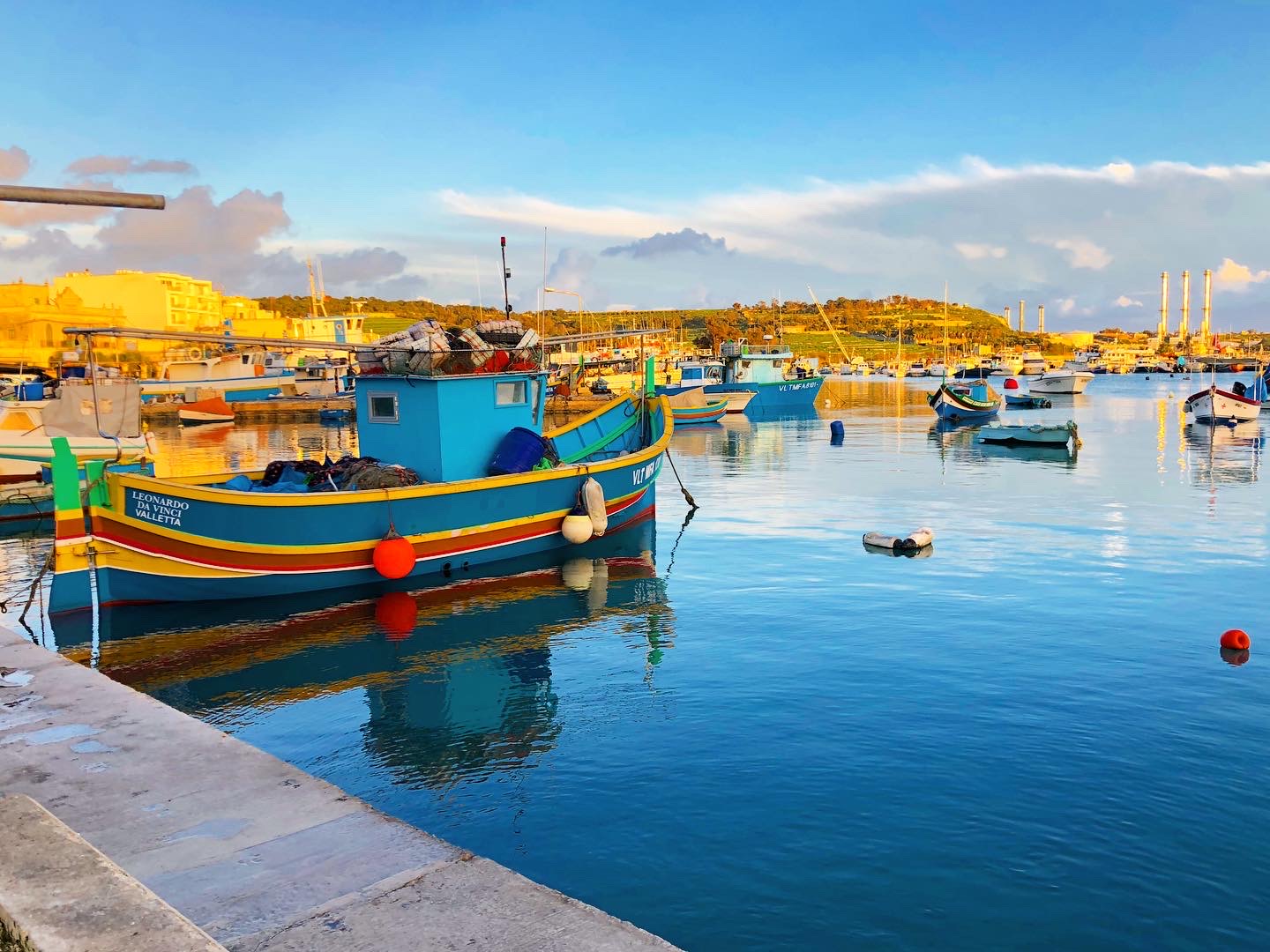
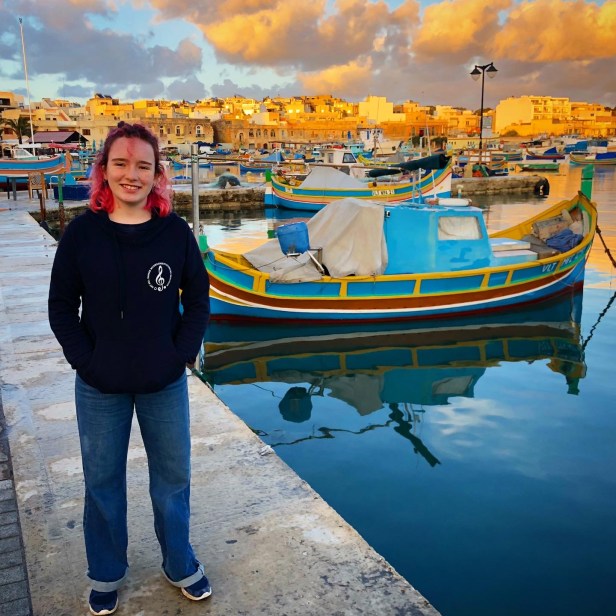
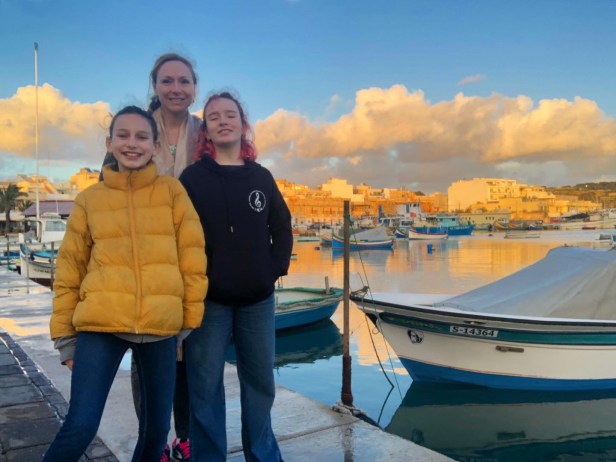
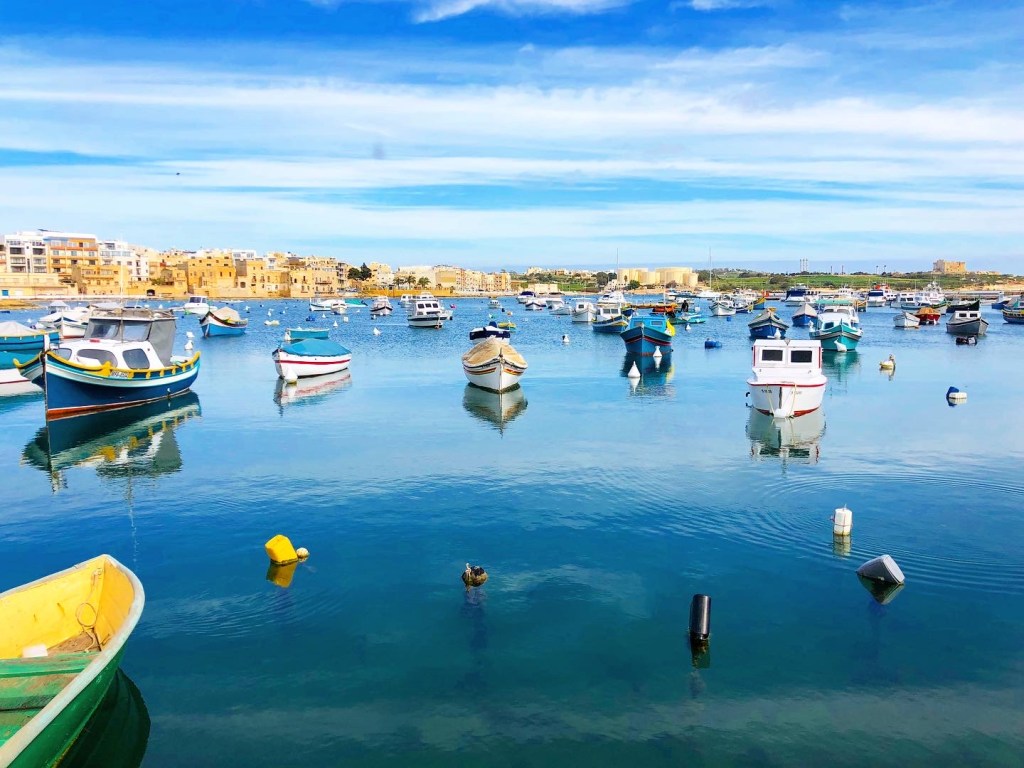
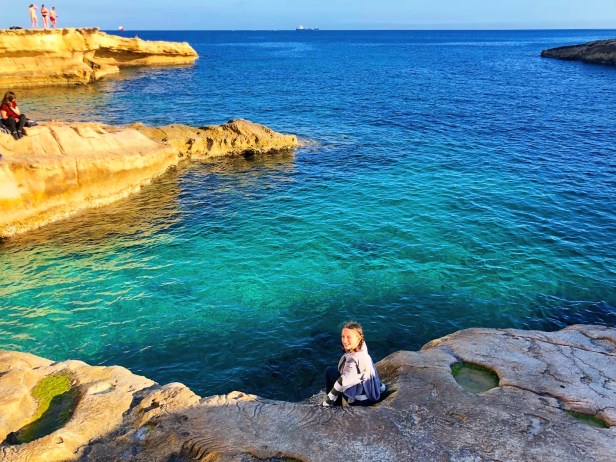
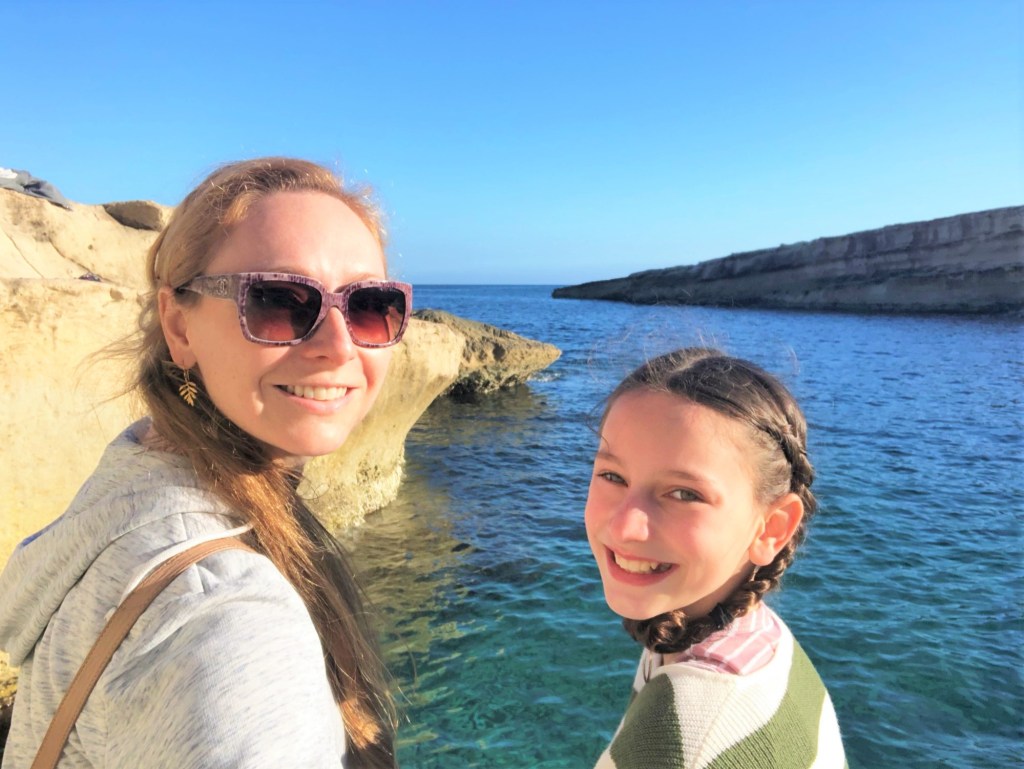
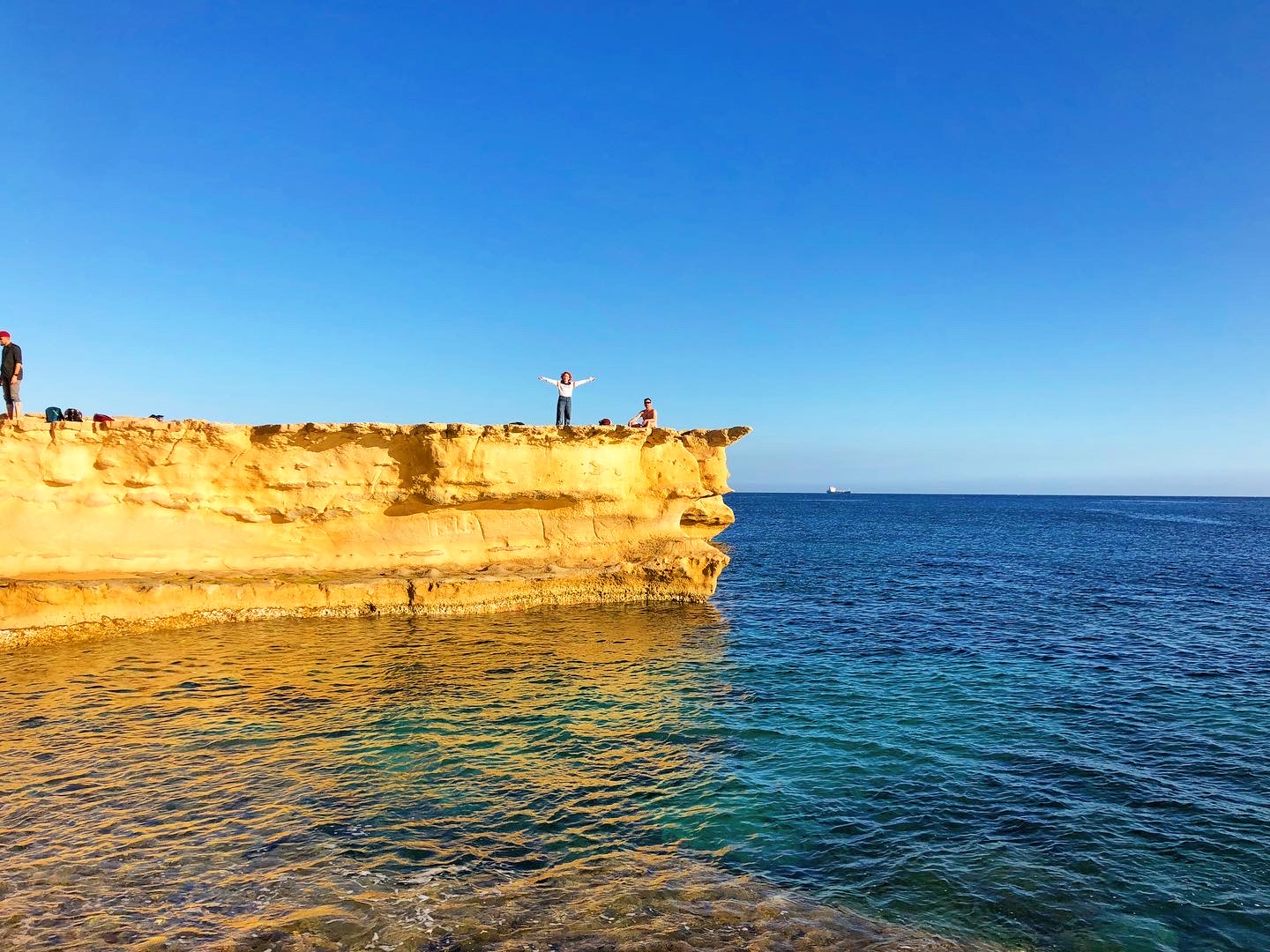
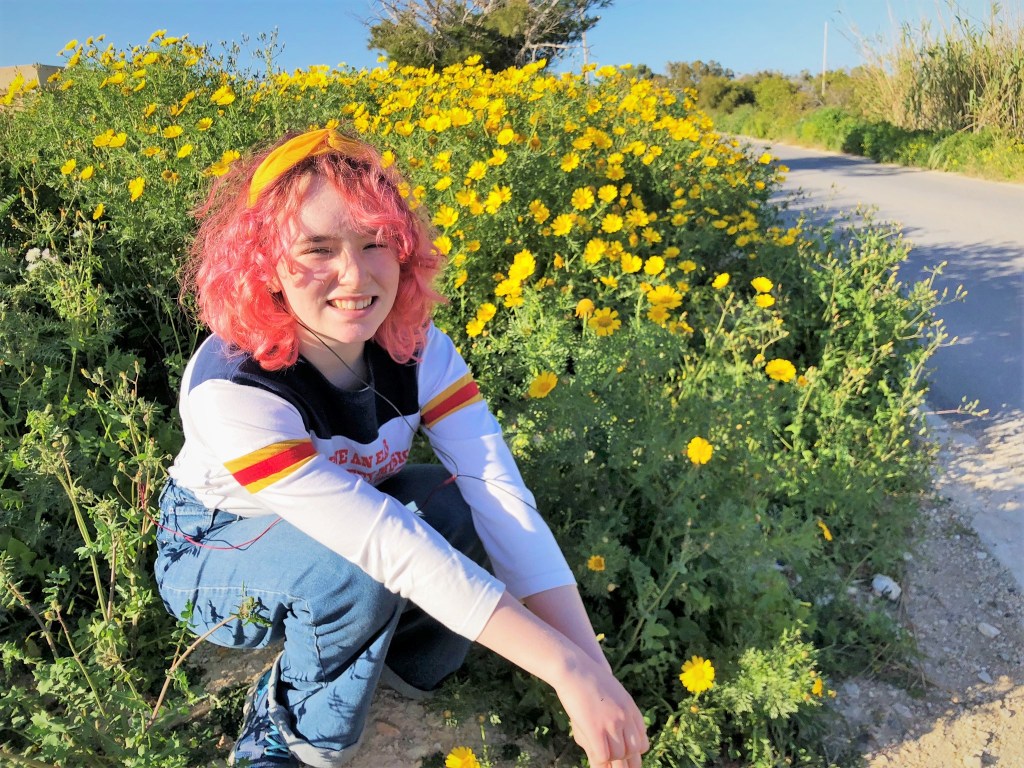
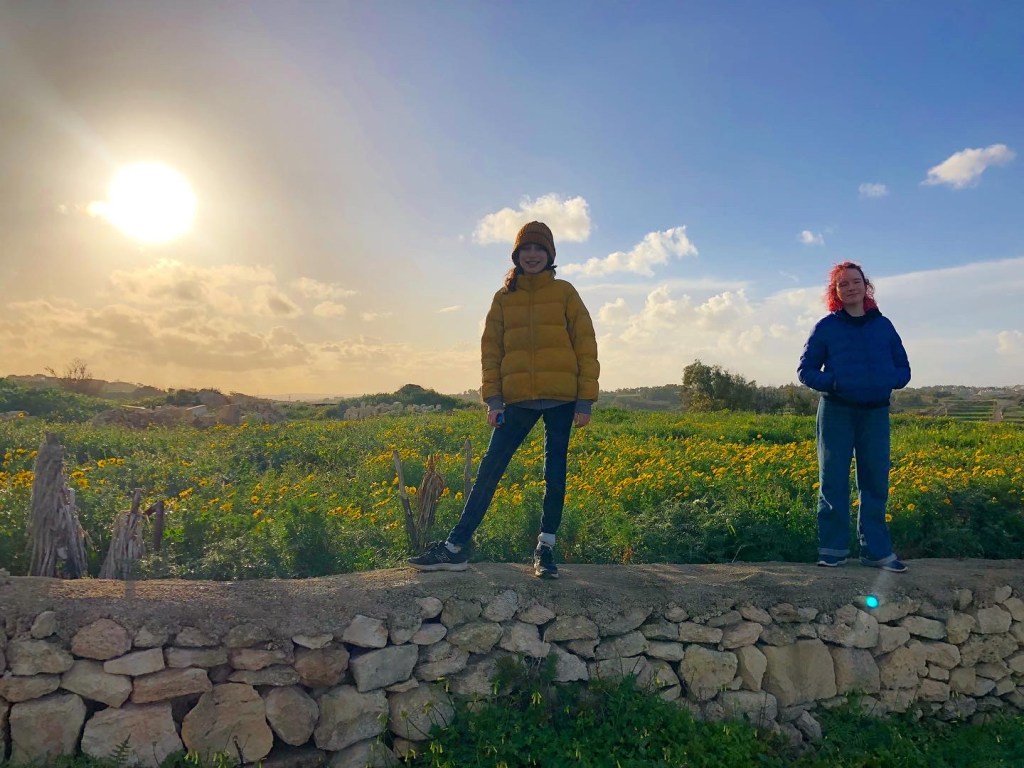
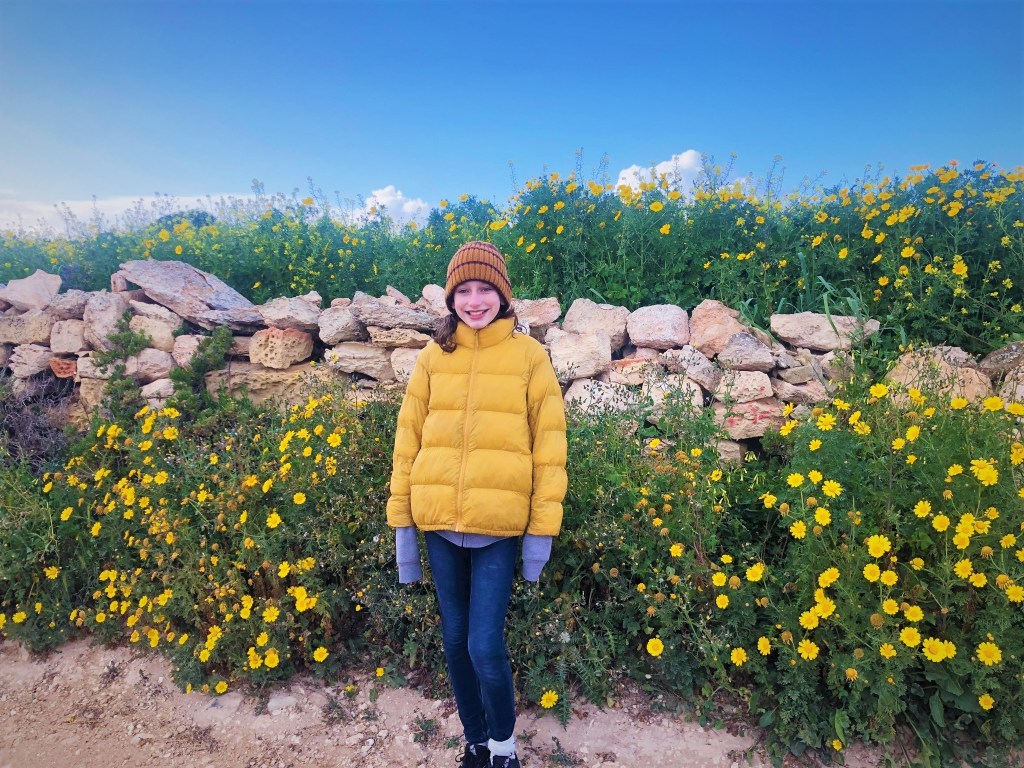
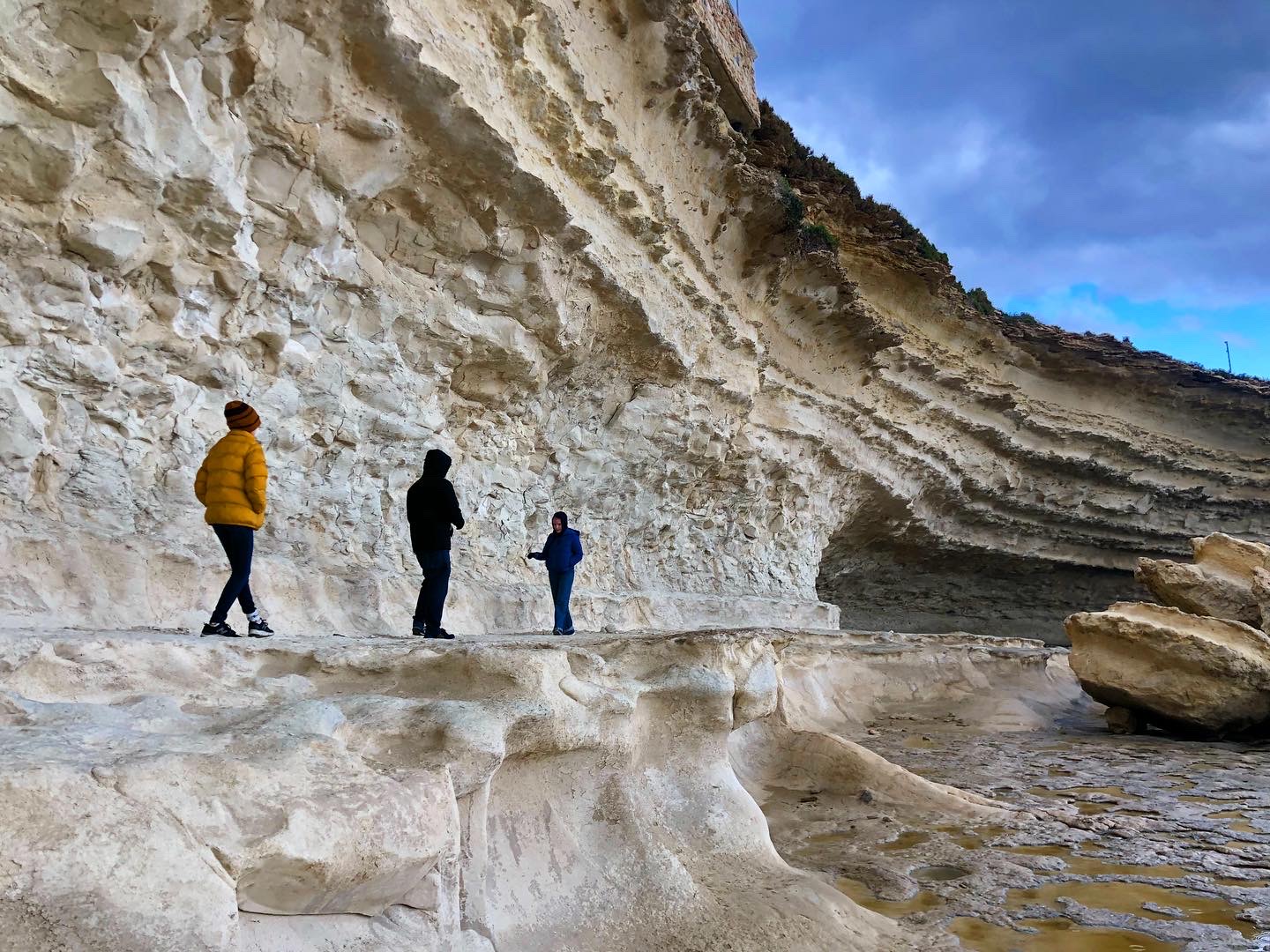
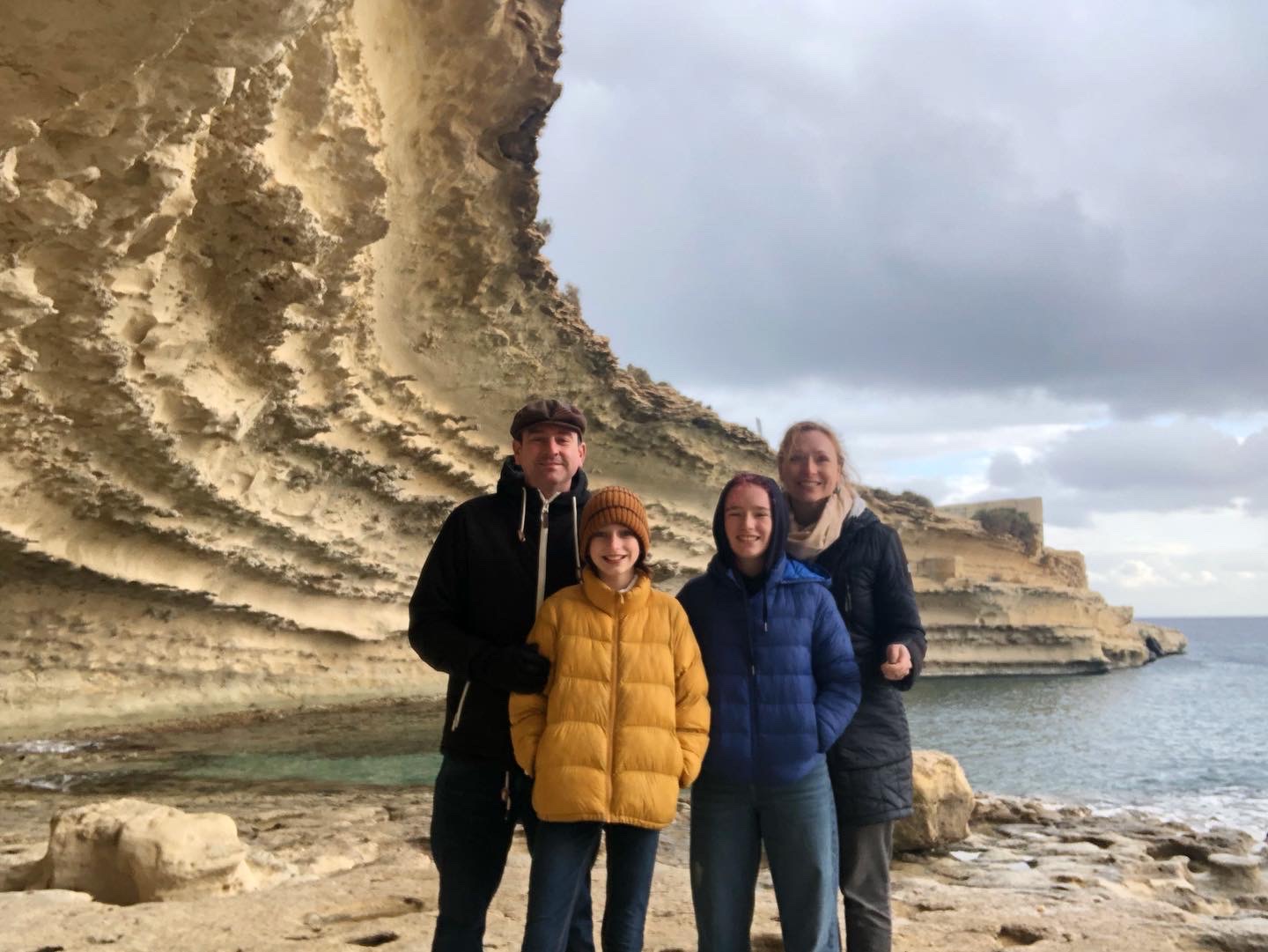
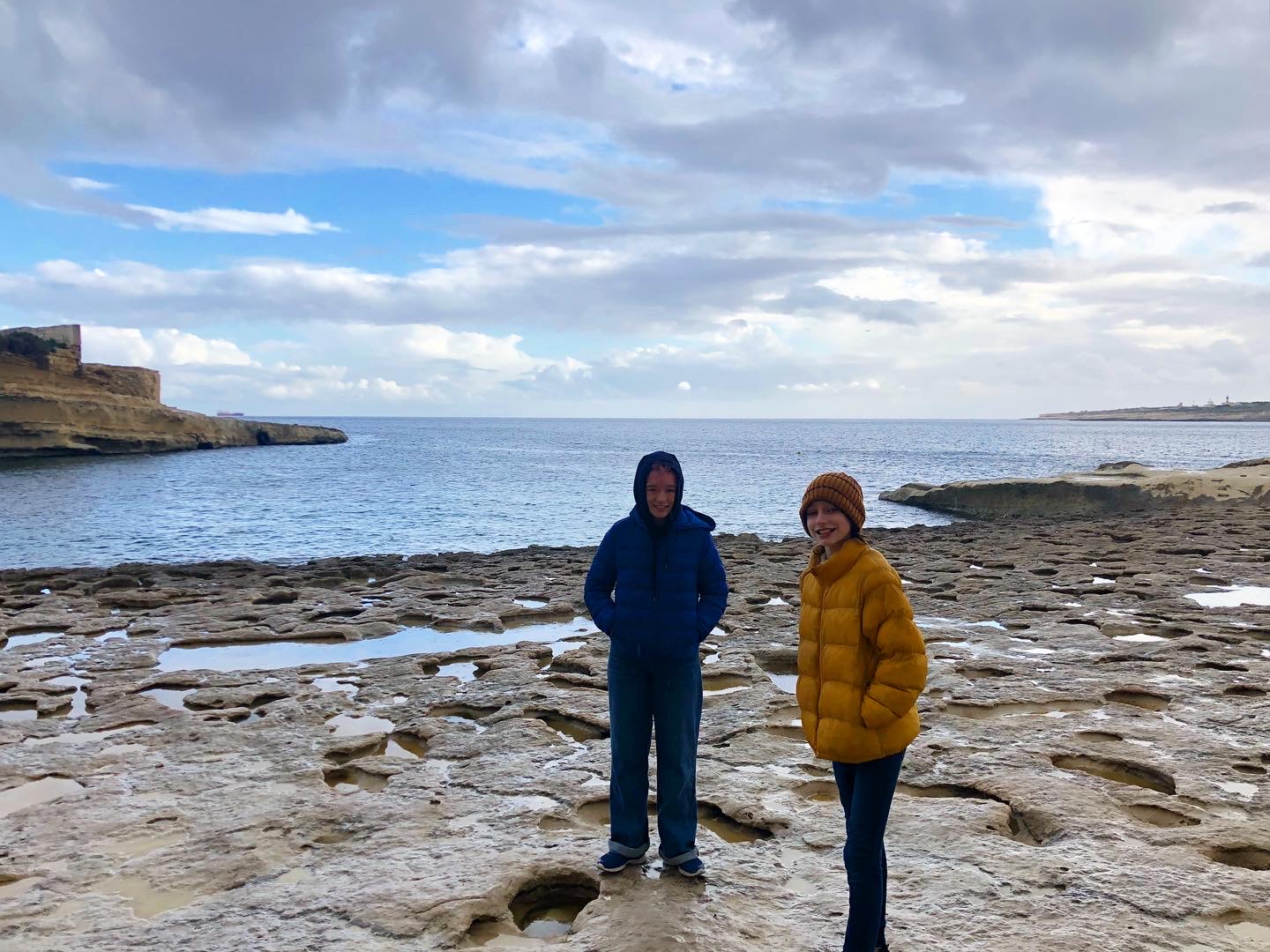
Marsaxlokk is famous as a spot for the freshest seafood and a laid back atmosphere. Nearby St. Peter’s Pool is a dream for sunbathers and swimmers (but it was a bit chilly for swimming in February), and a short distance away at Xrobb Il-Ghagin you can find incredible views along the eroding cliffs dappled in wildflowers.
Gozo
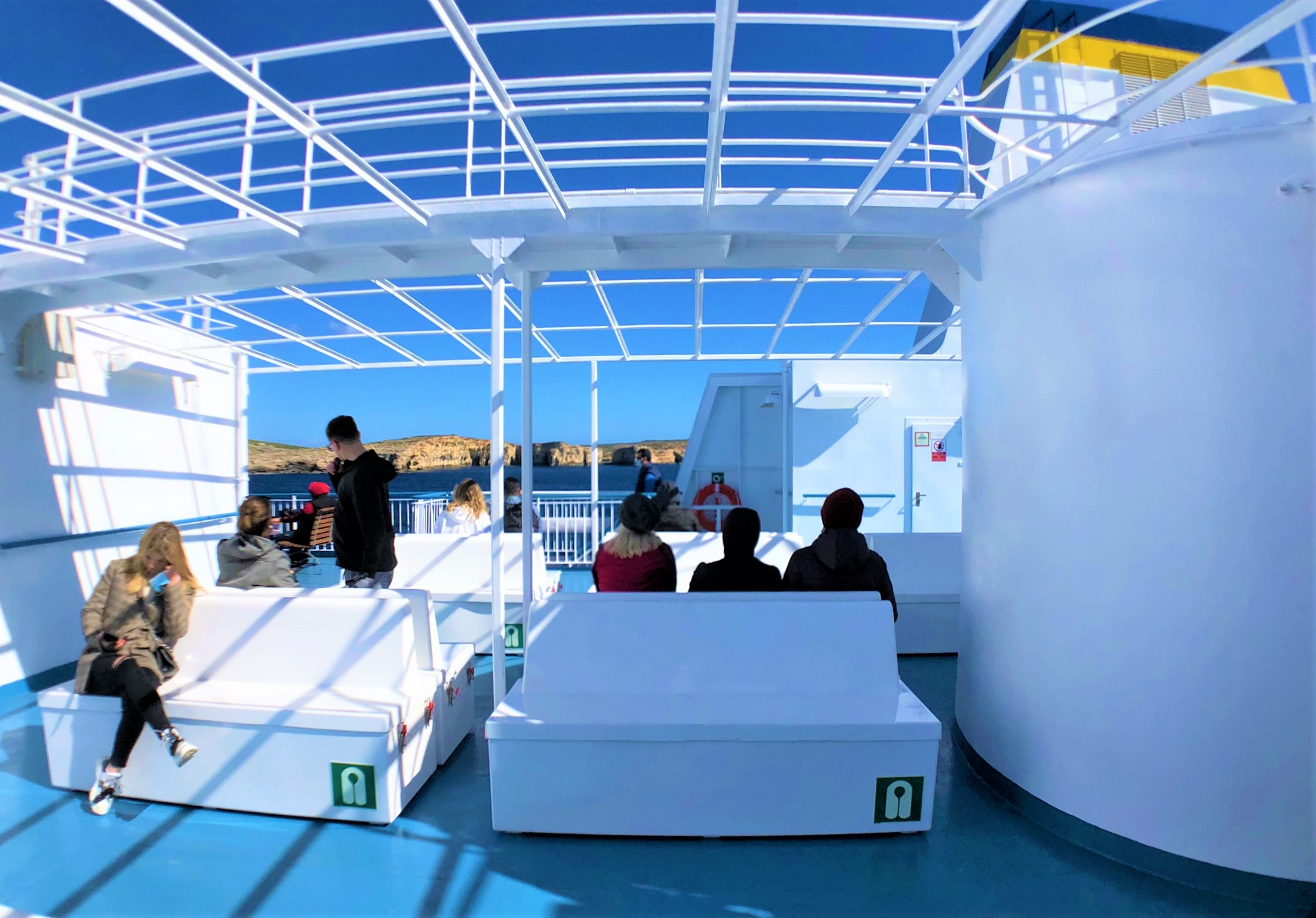
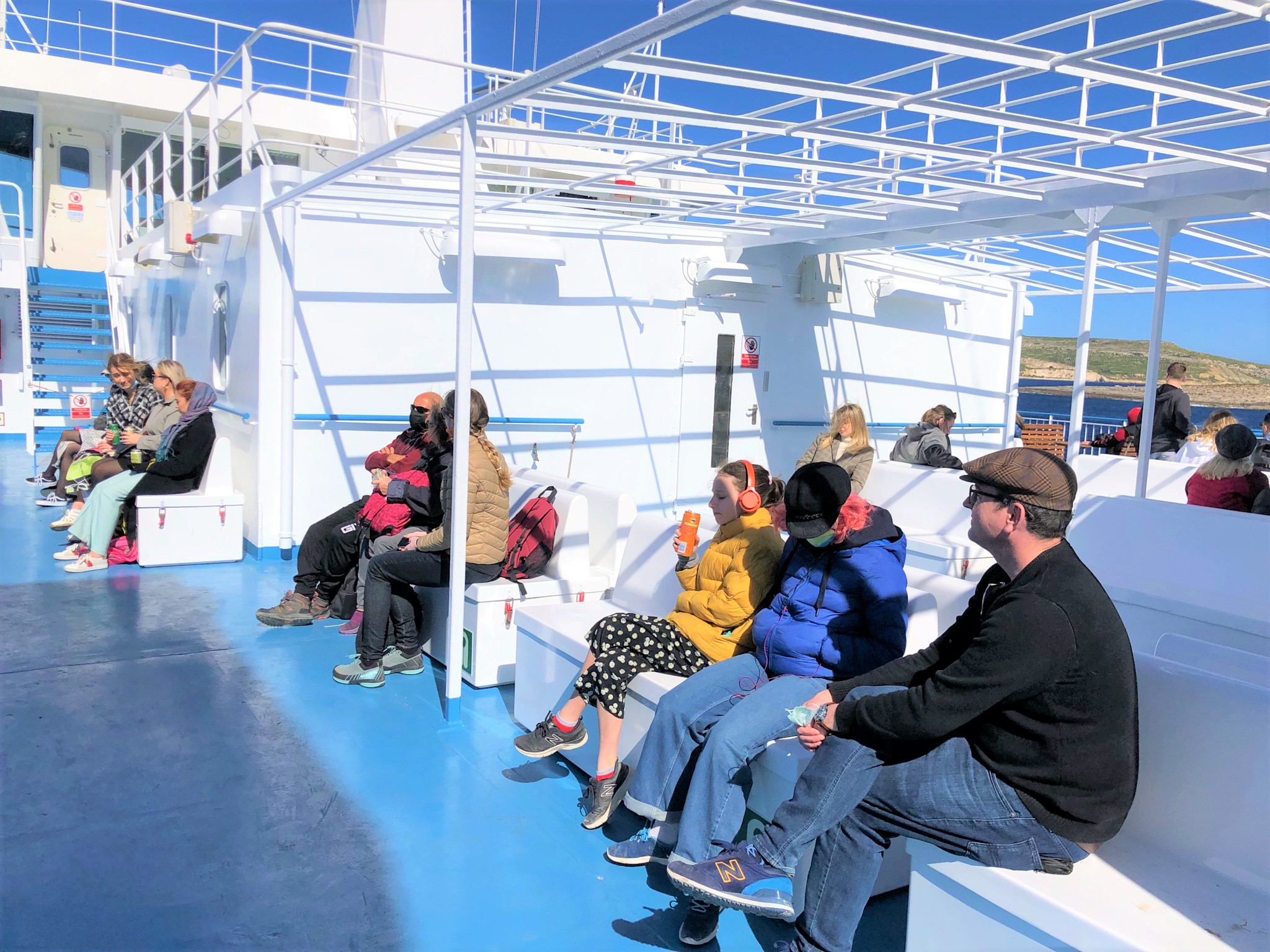
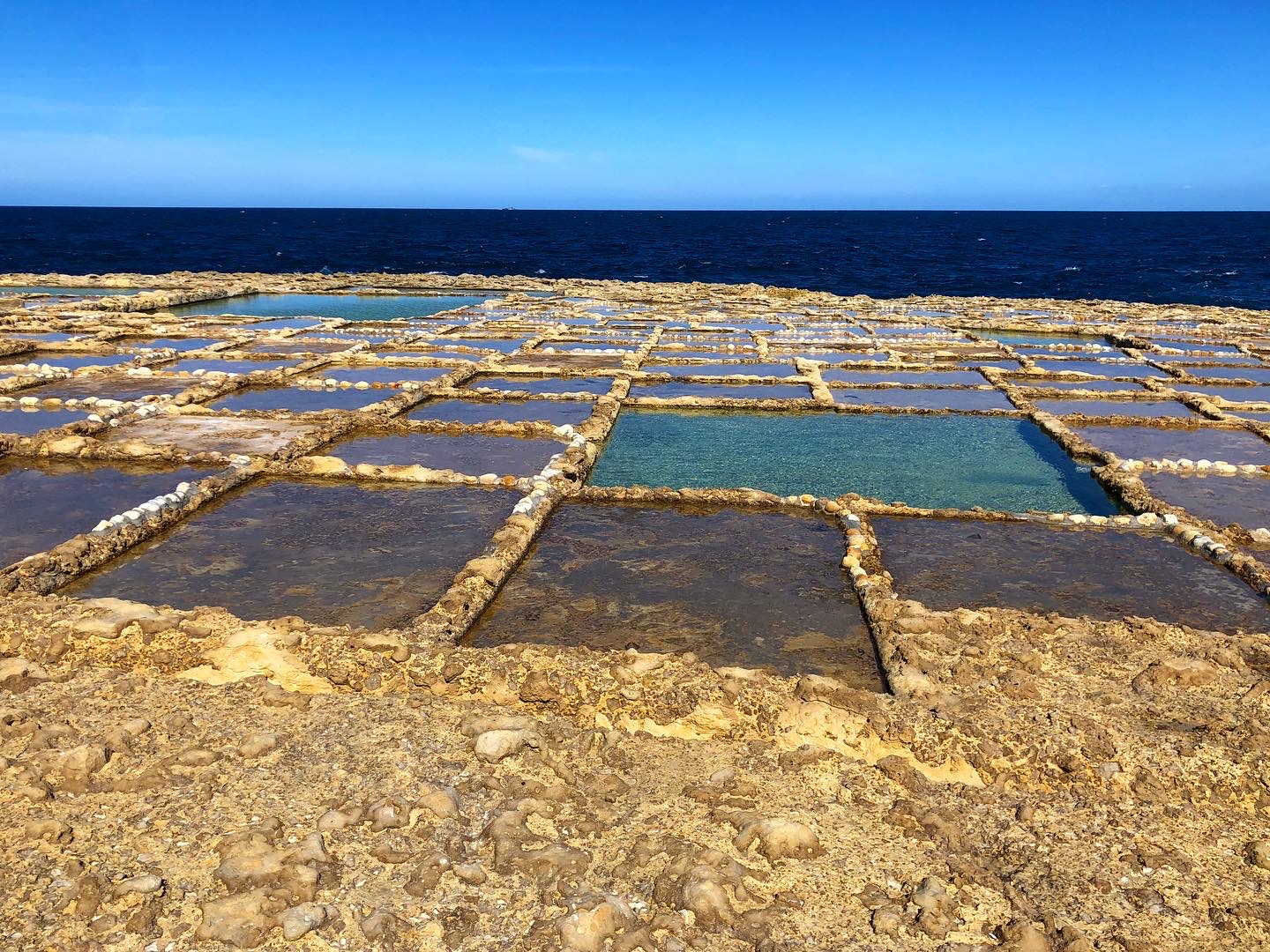
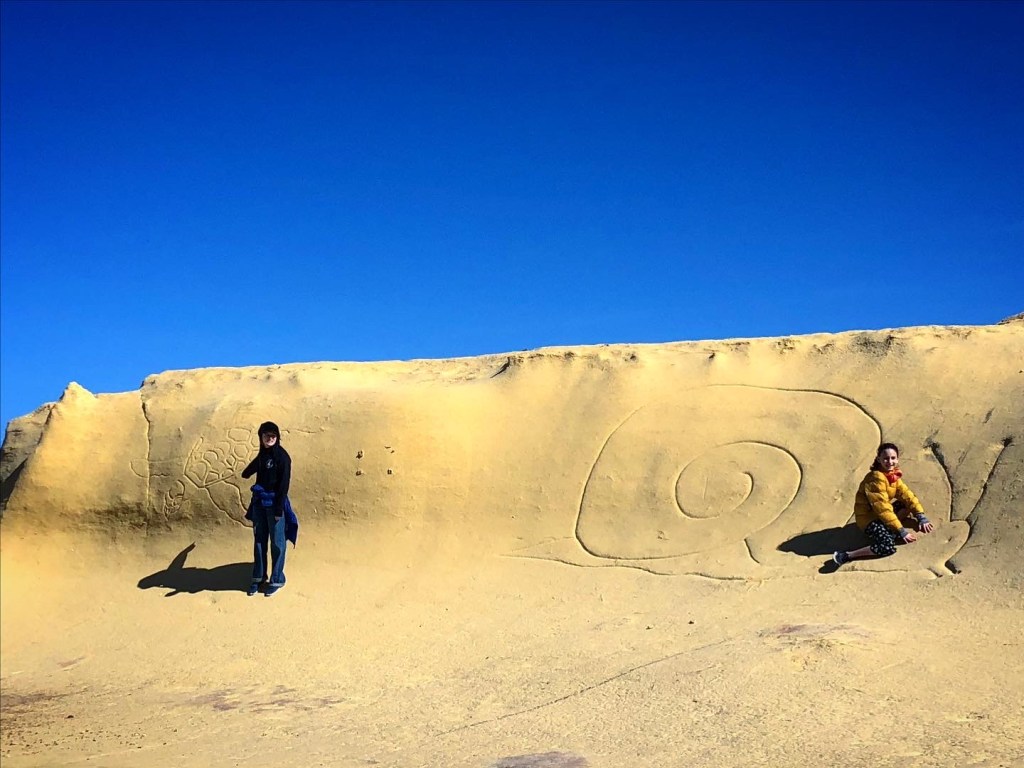
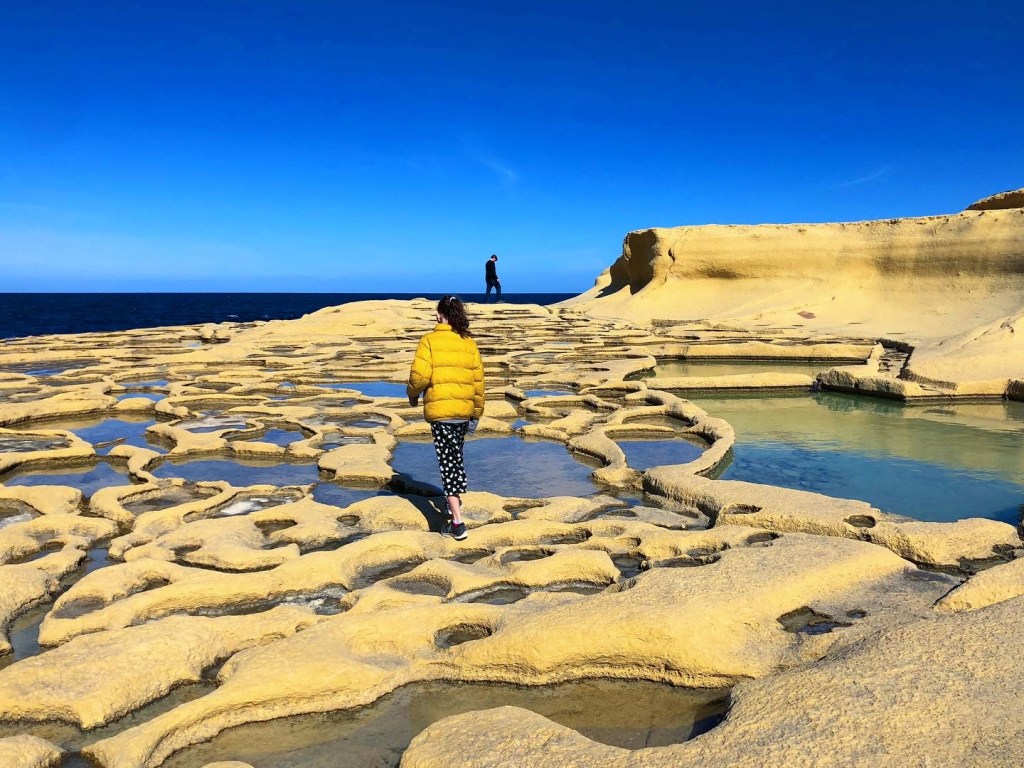
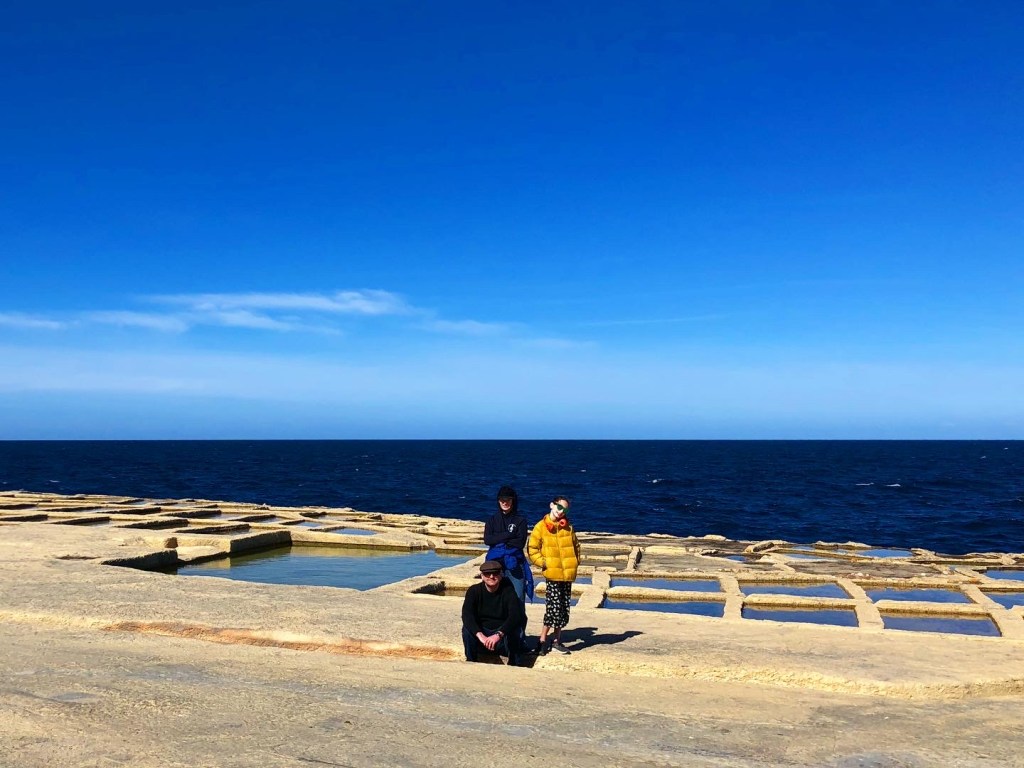
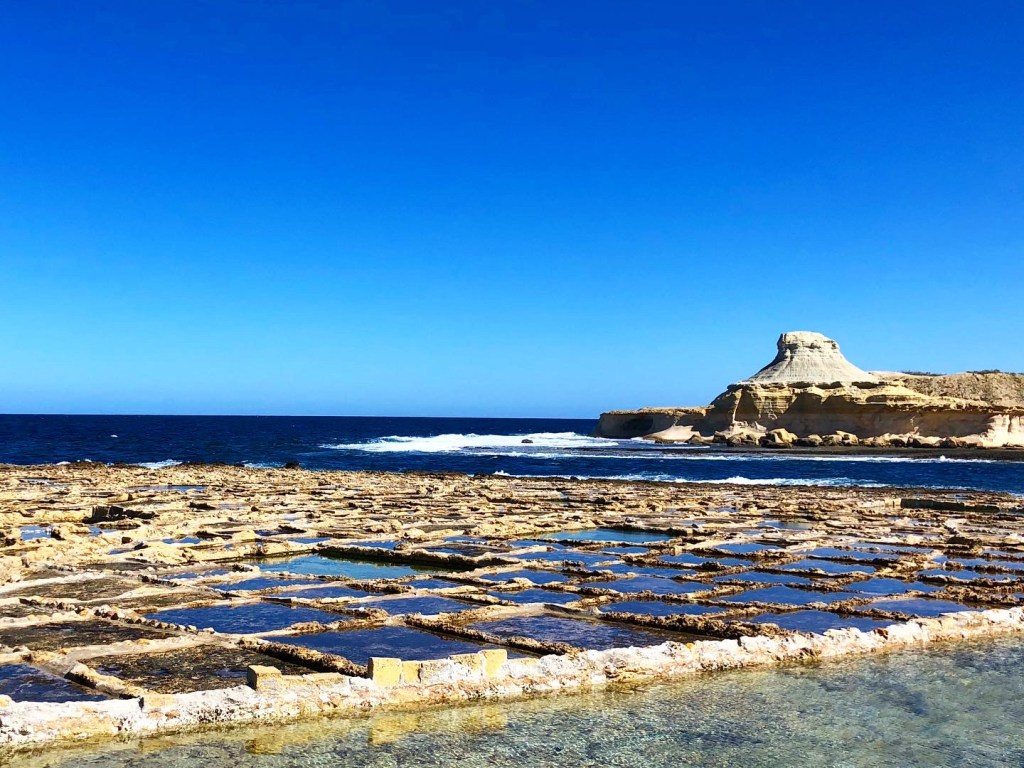
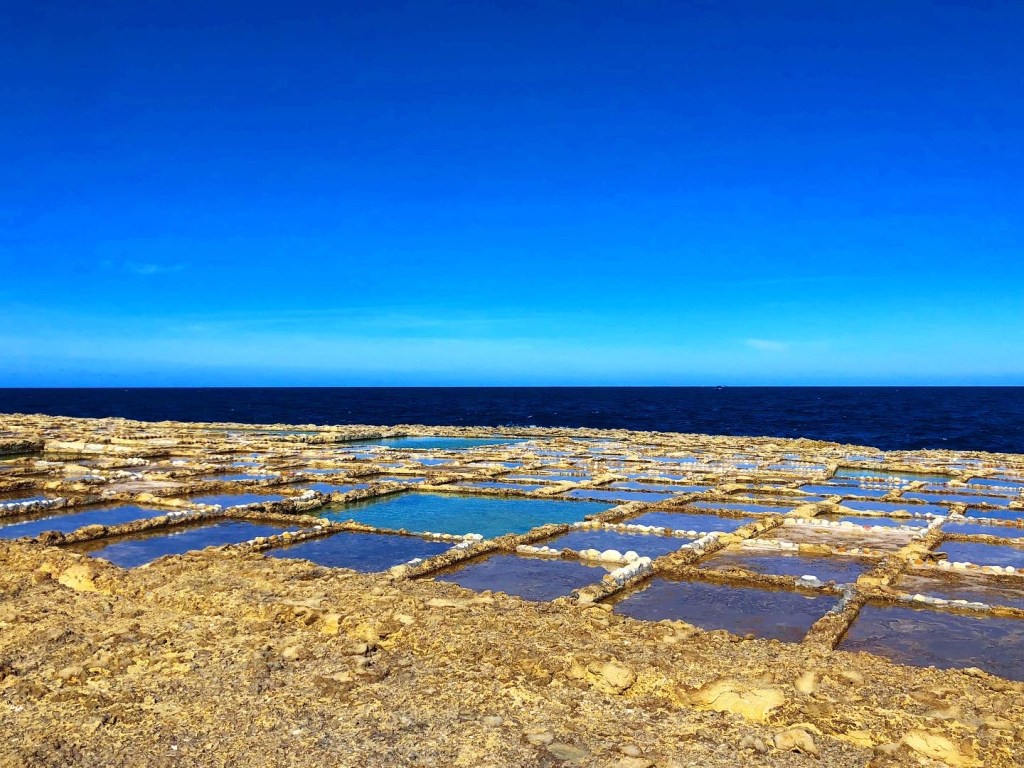
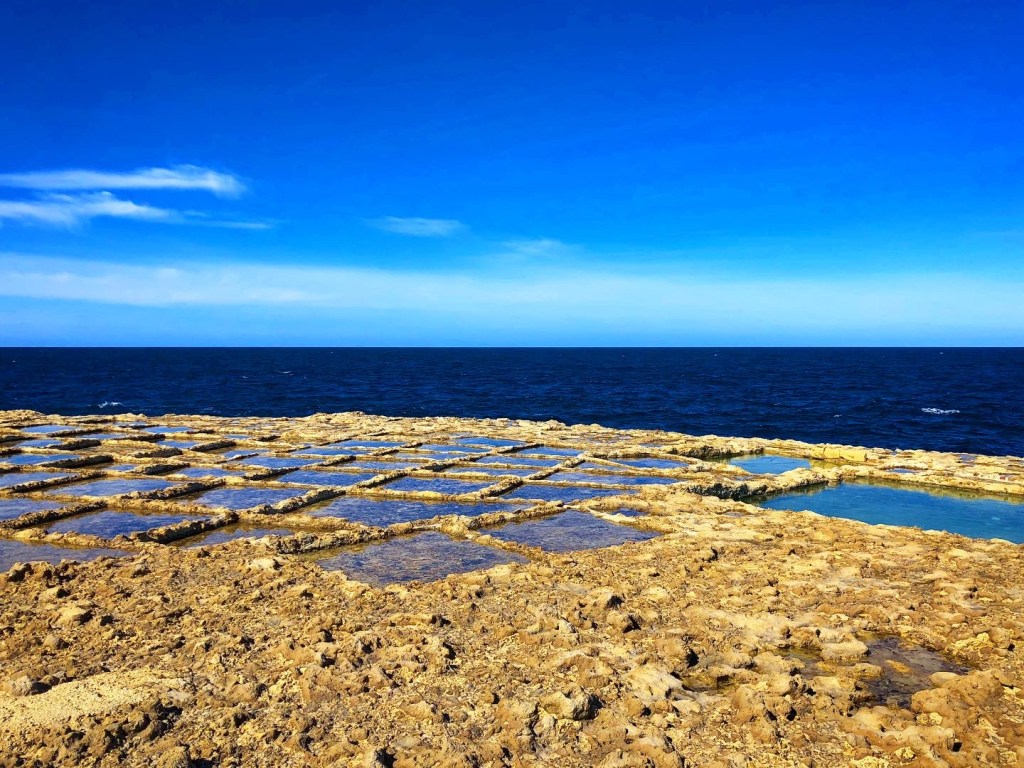
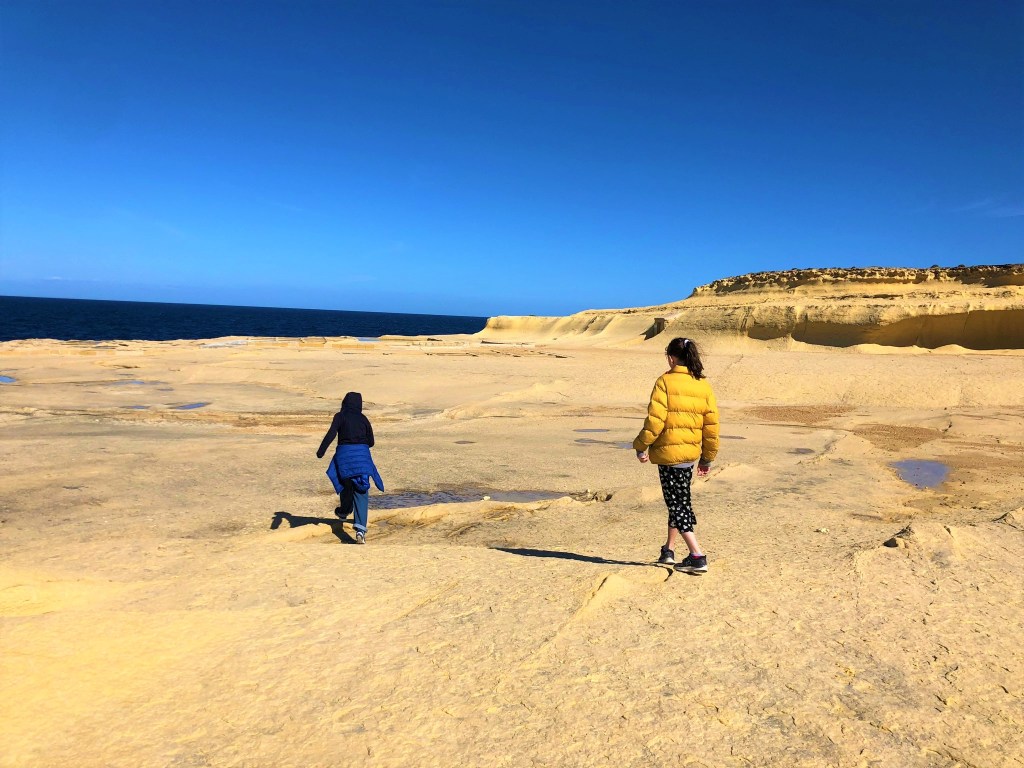
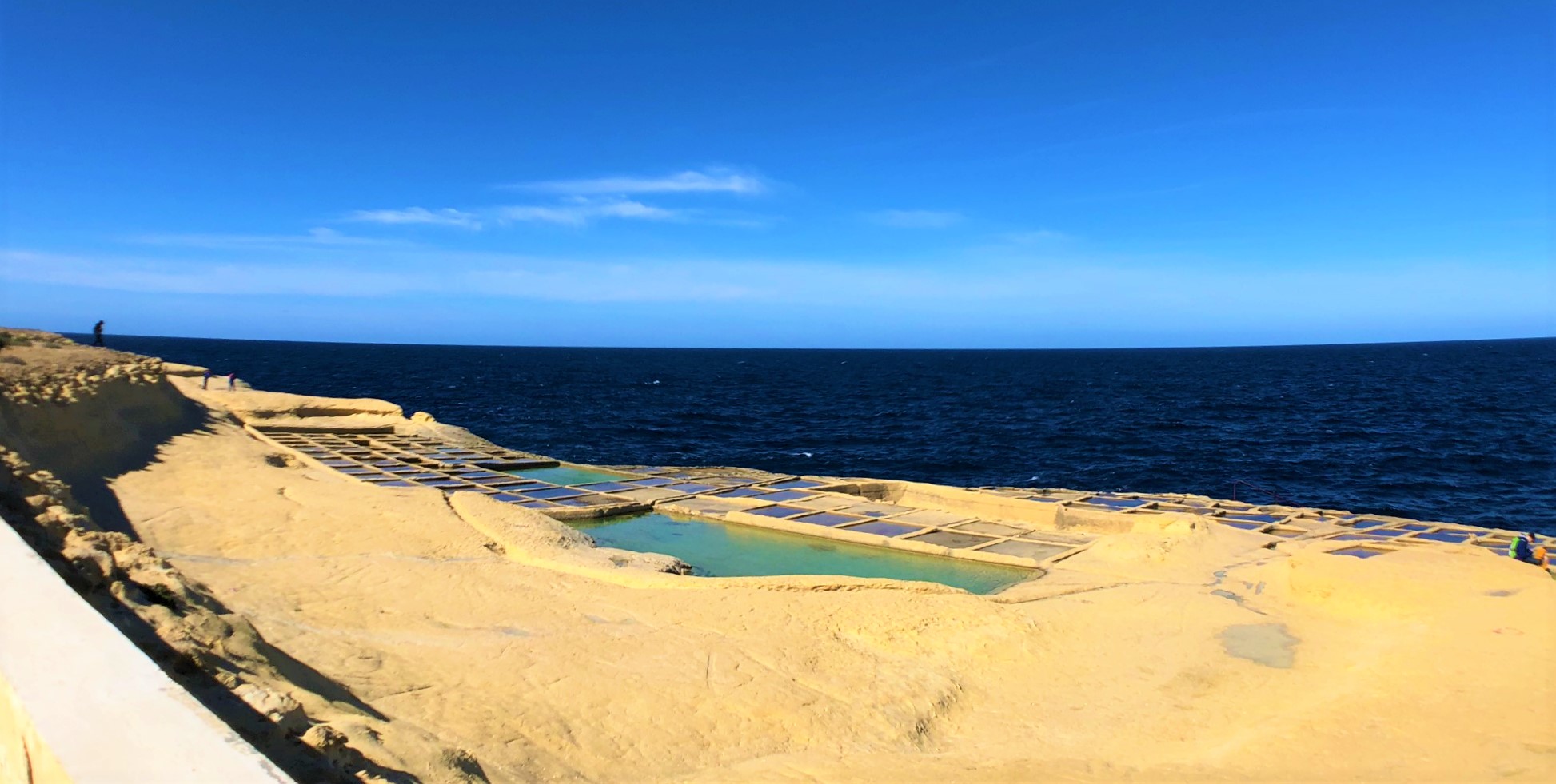
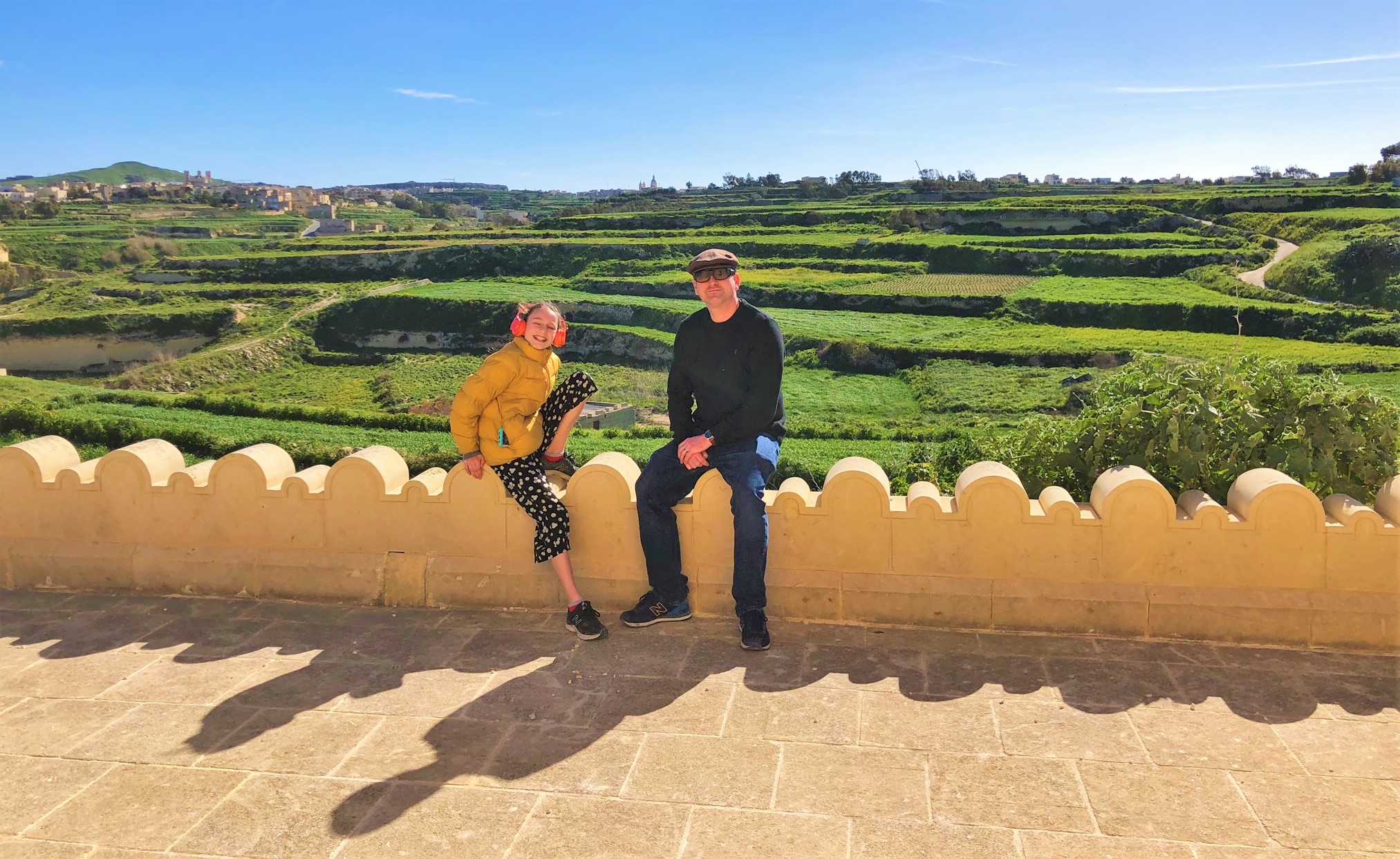
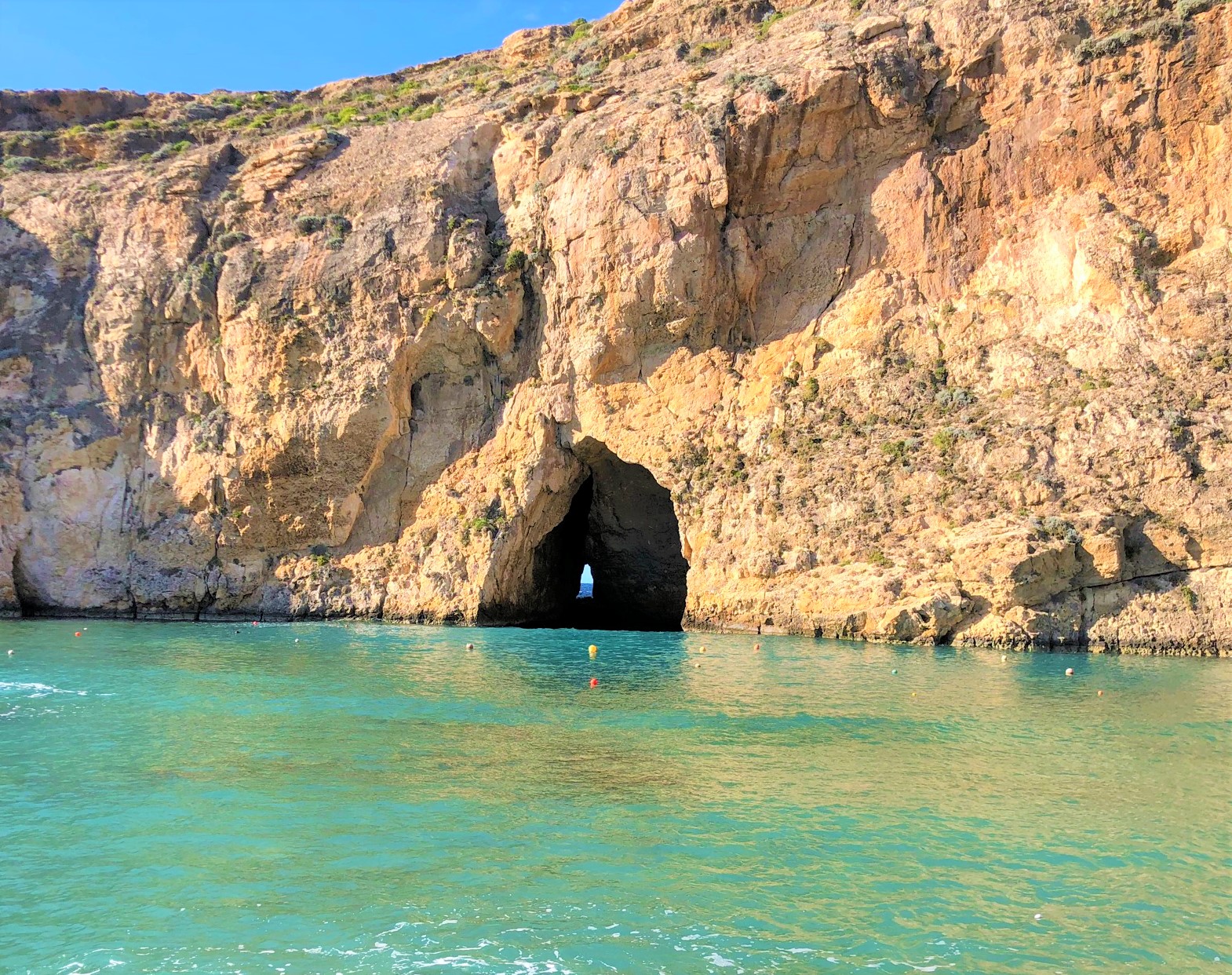
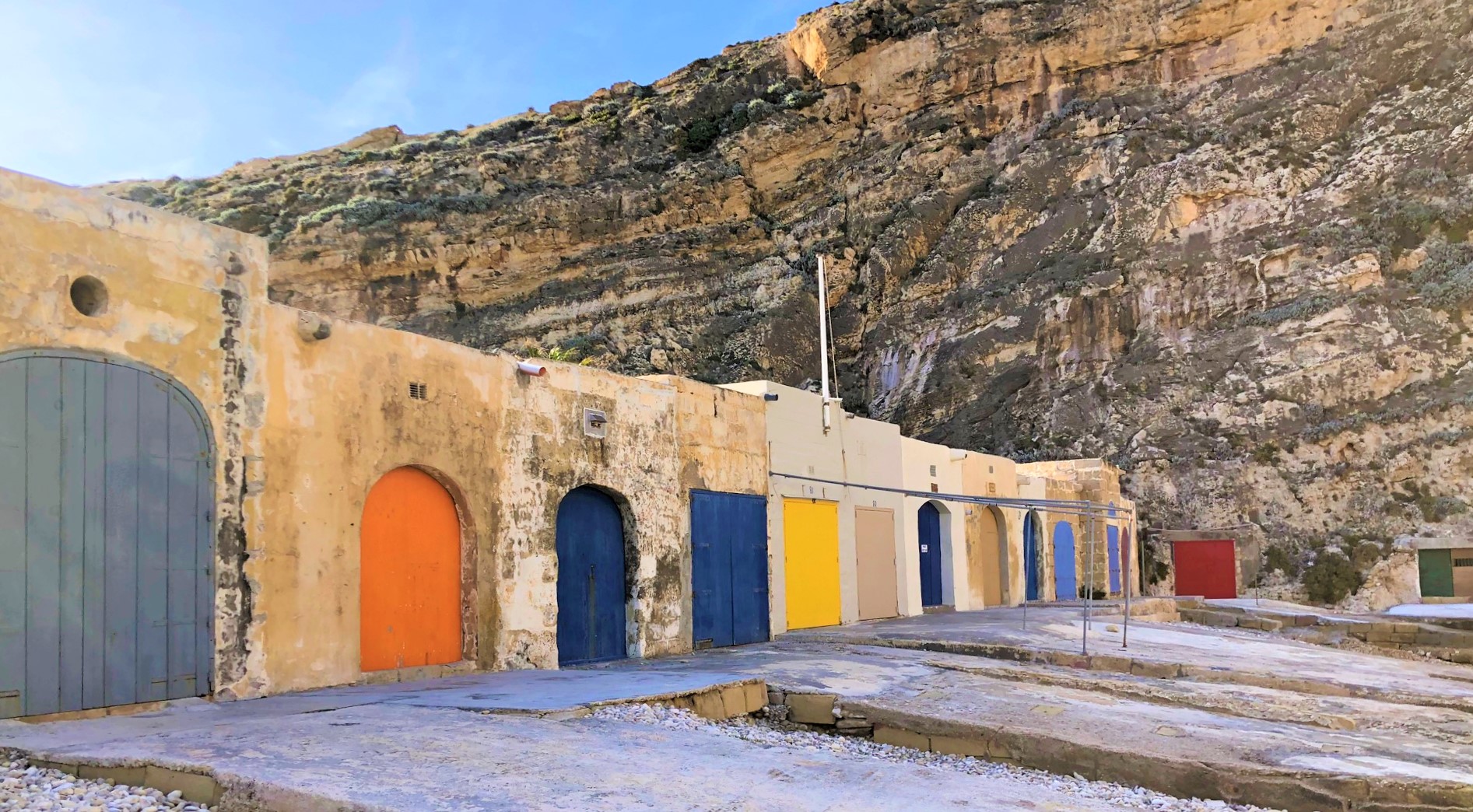
Perhaps the untamed little brother to Malta, Gozo is smaller and overall more rural than Malta, with plenty to explore and enjoy, as long as you have a car (or REALLY like hiking). Our Gozo day started with a beautiful and sunny ferry ride from Ċirkewwa to Mġarr, about half an hour ride. We spent just one day on Gozo, and therefore only quickly checked out Victoria, the capital of Gozo Island. Instead we opted to explore the seaside cliffs and Marsalforn salt pans that were built into the limestone cliffs of the island in the 1860s, and are still run by the same family, the Cinis. We actually met Josephine, who currently runs the family operation, and spoke with her about her family’s business and salt in Malta vs. Læso salt from Denmark.
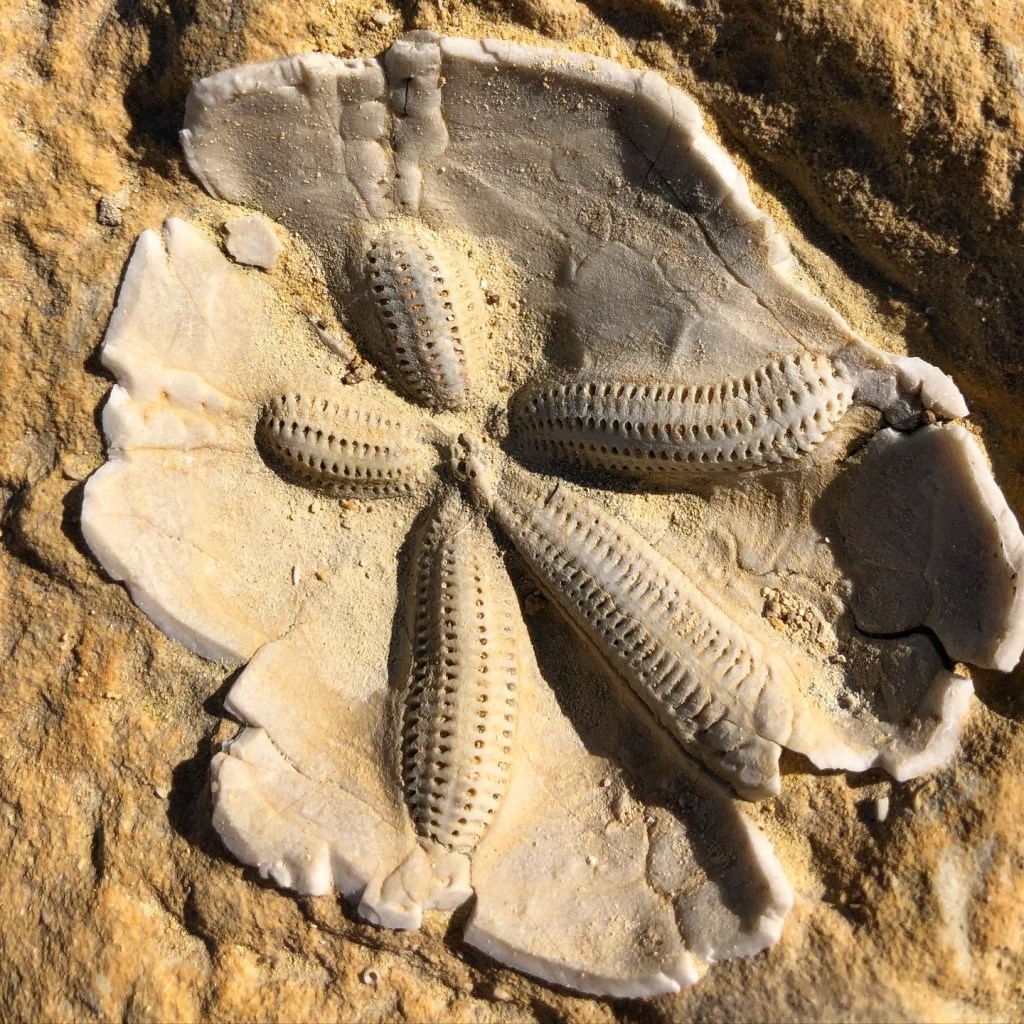
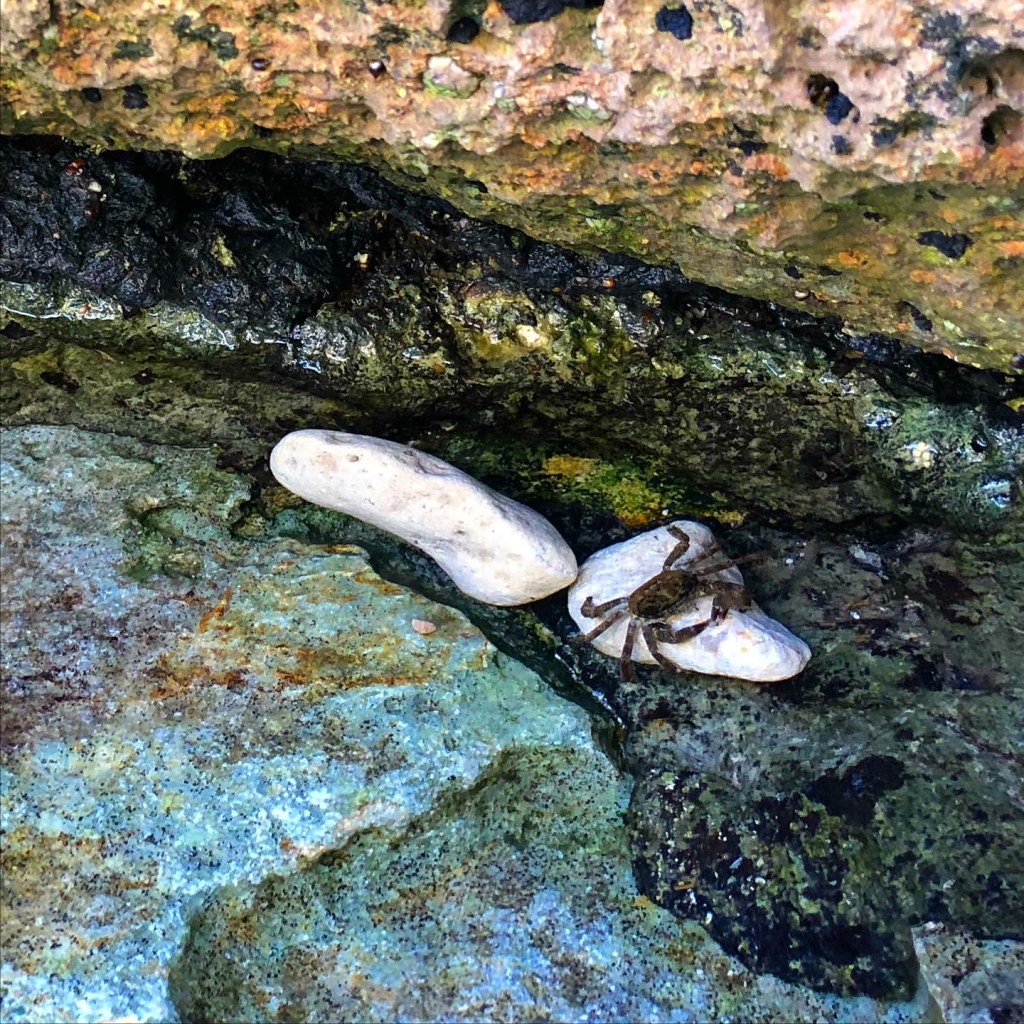
I don’t know if I can adequately express how interesting walking around a bunch of 150 year old salt pans was, but it was! There are so many fossils embedded in the limestone, and the cliffs feel like you’re walking on another planet.
Victoria & Around
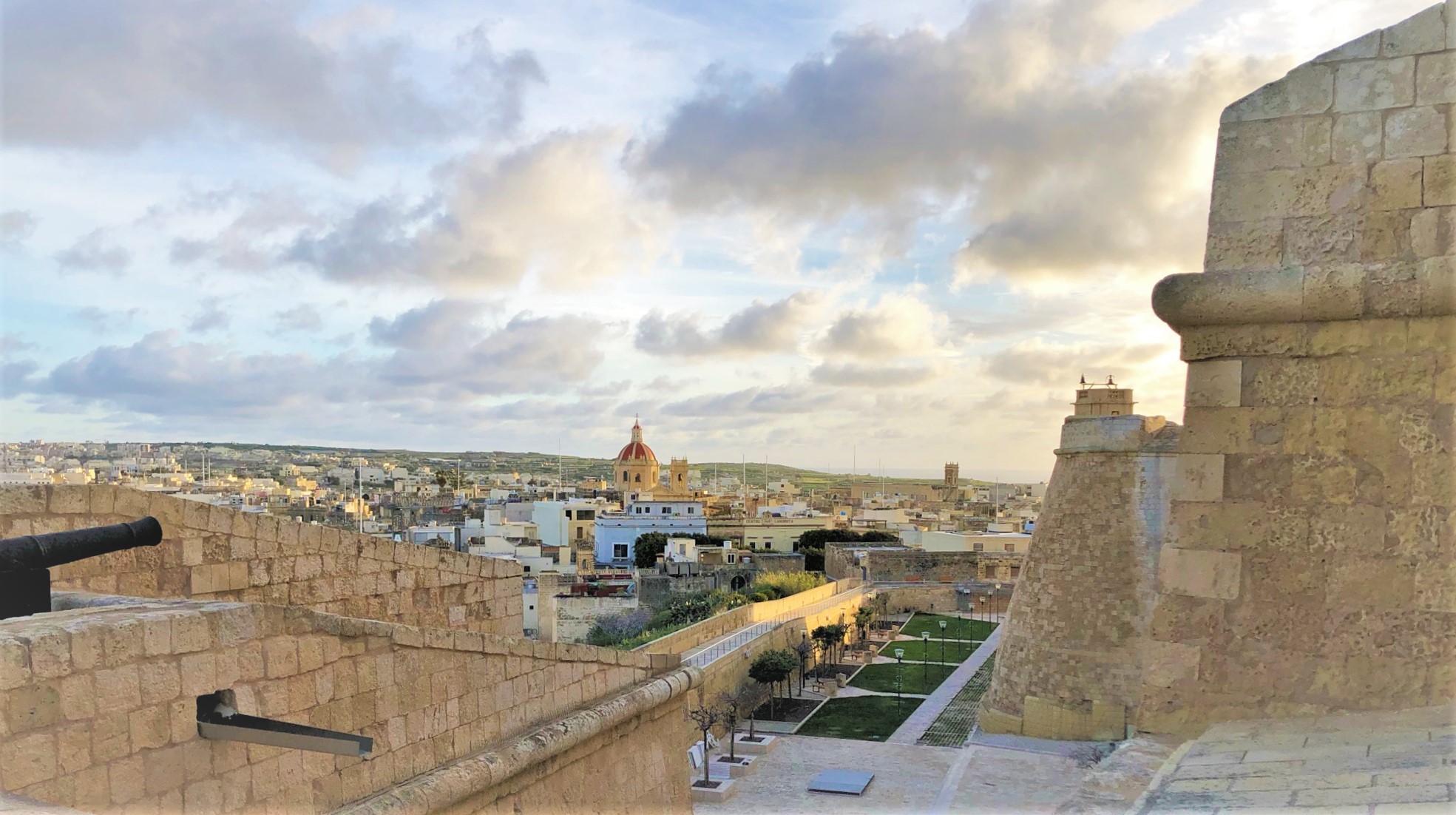
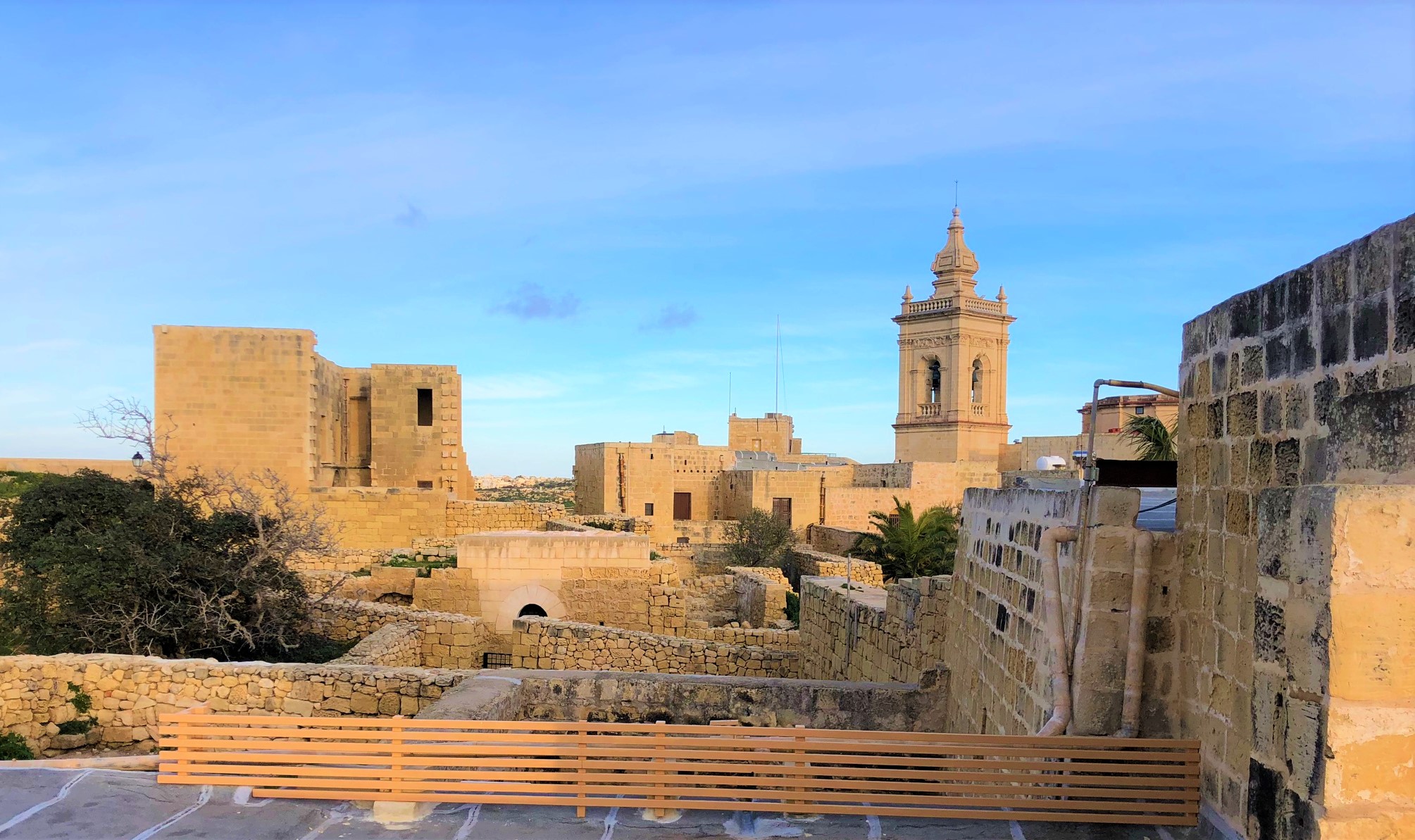
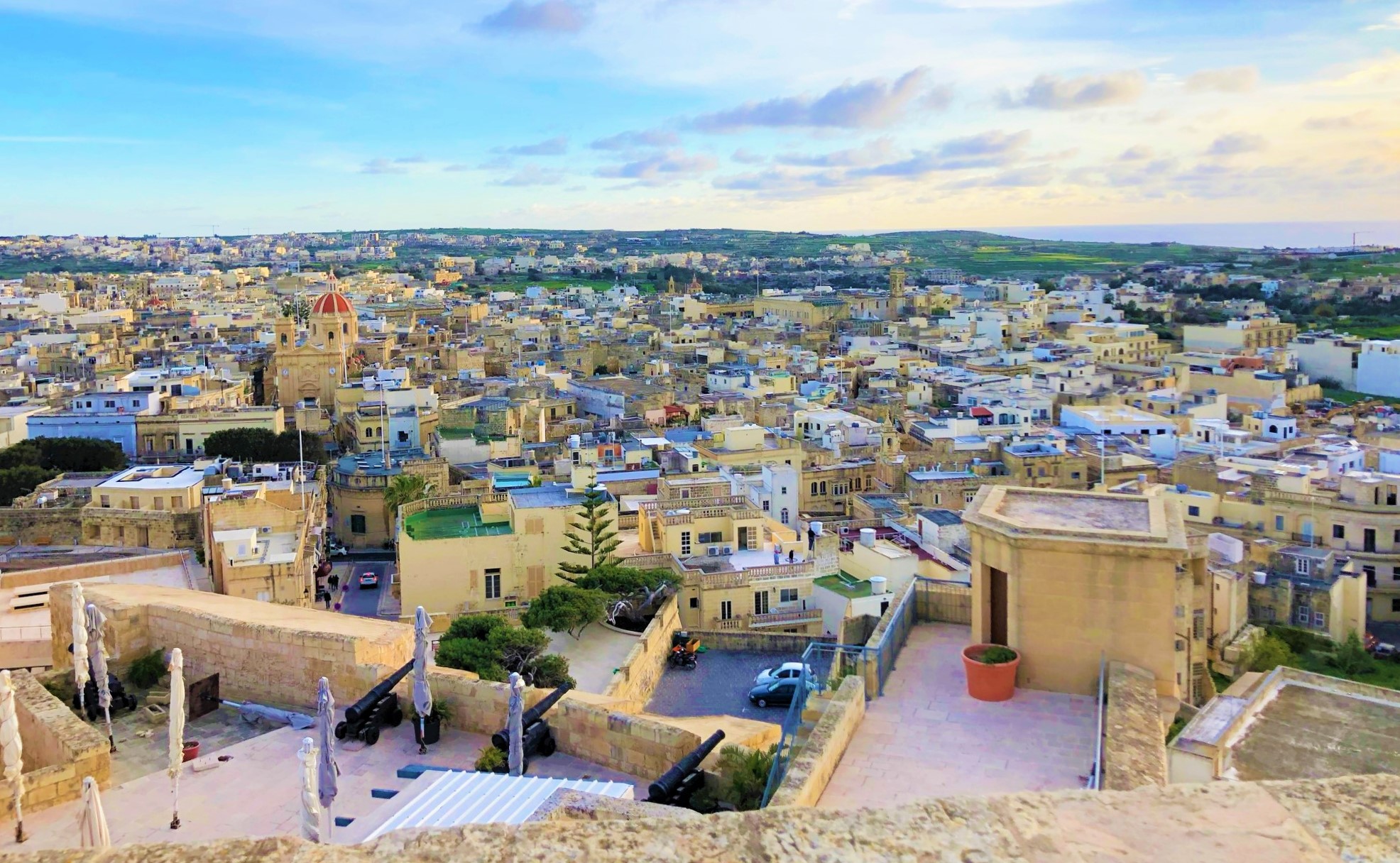
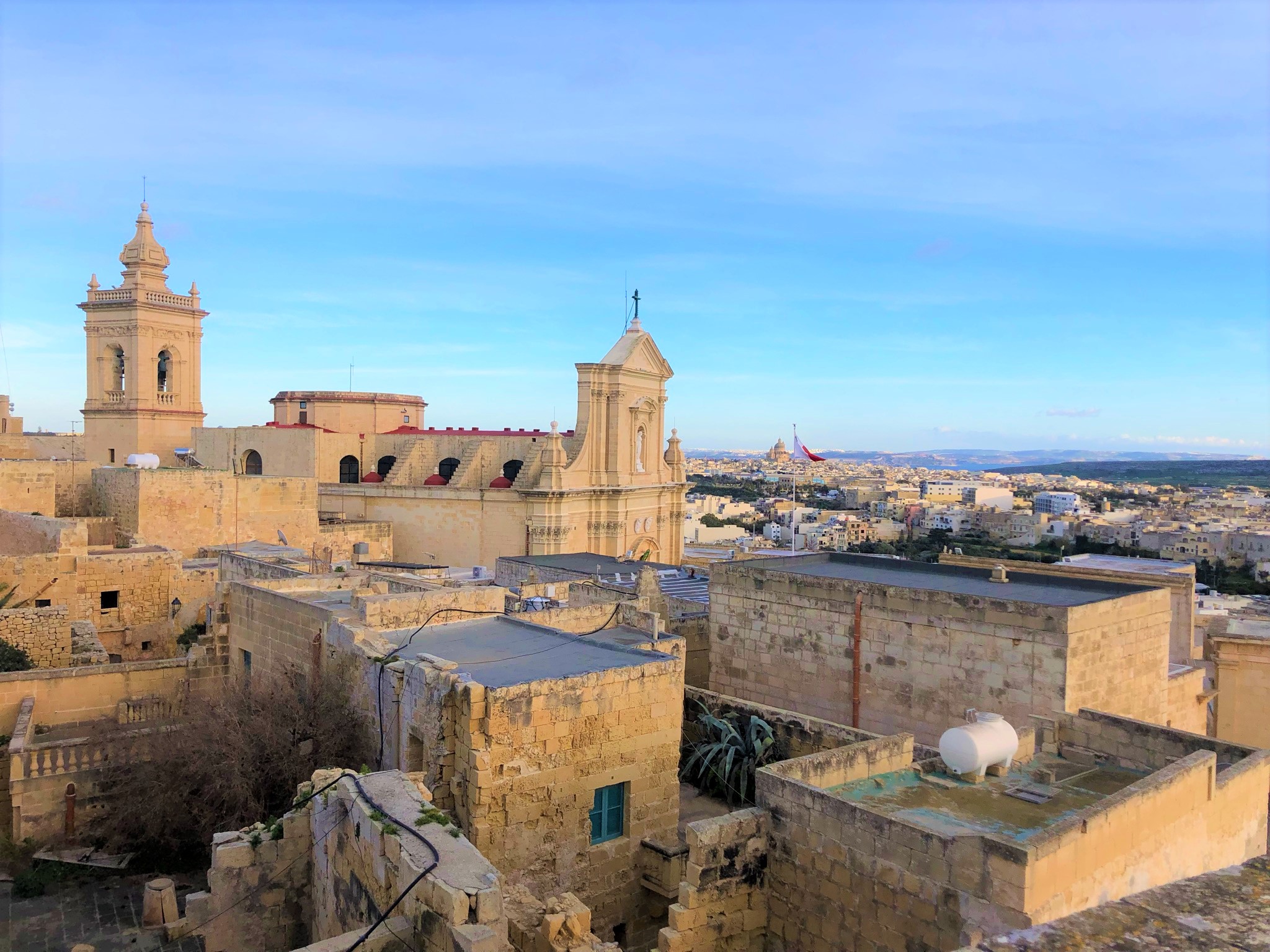
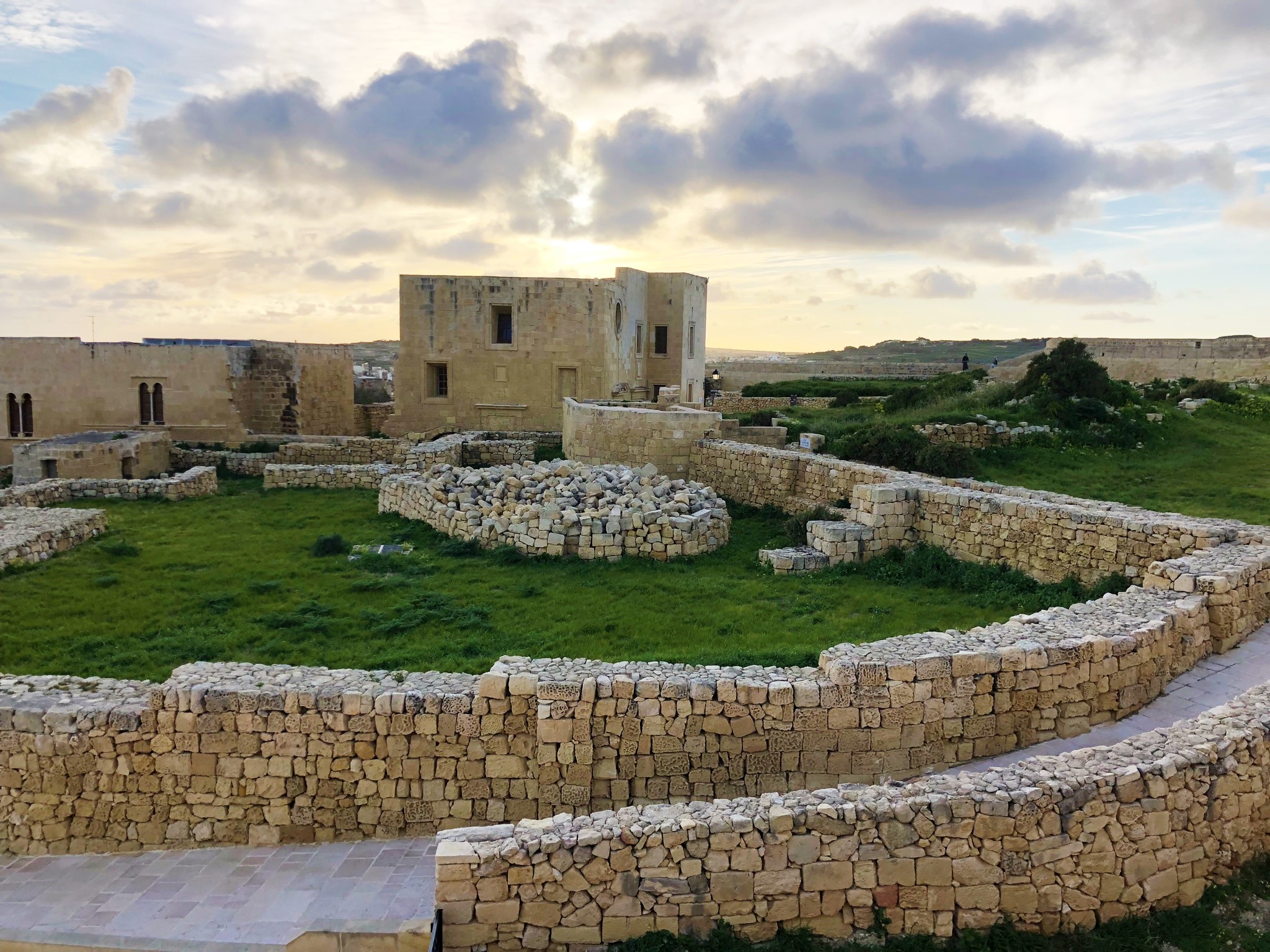
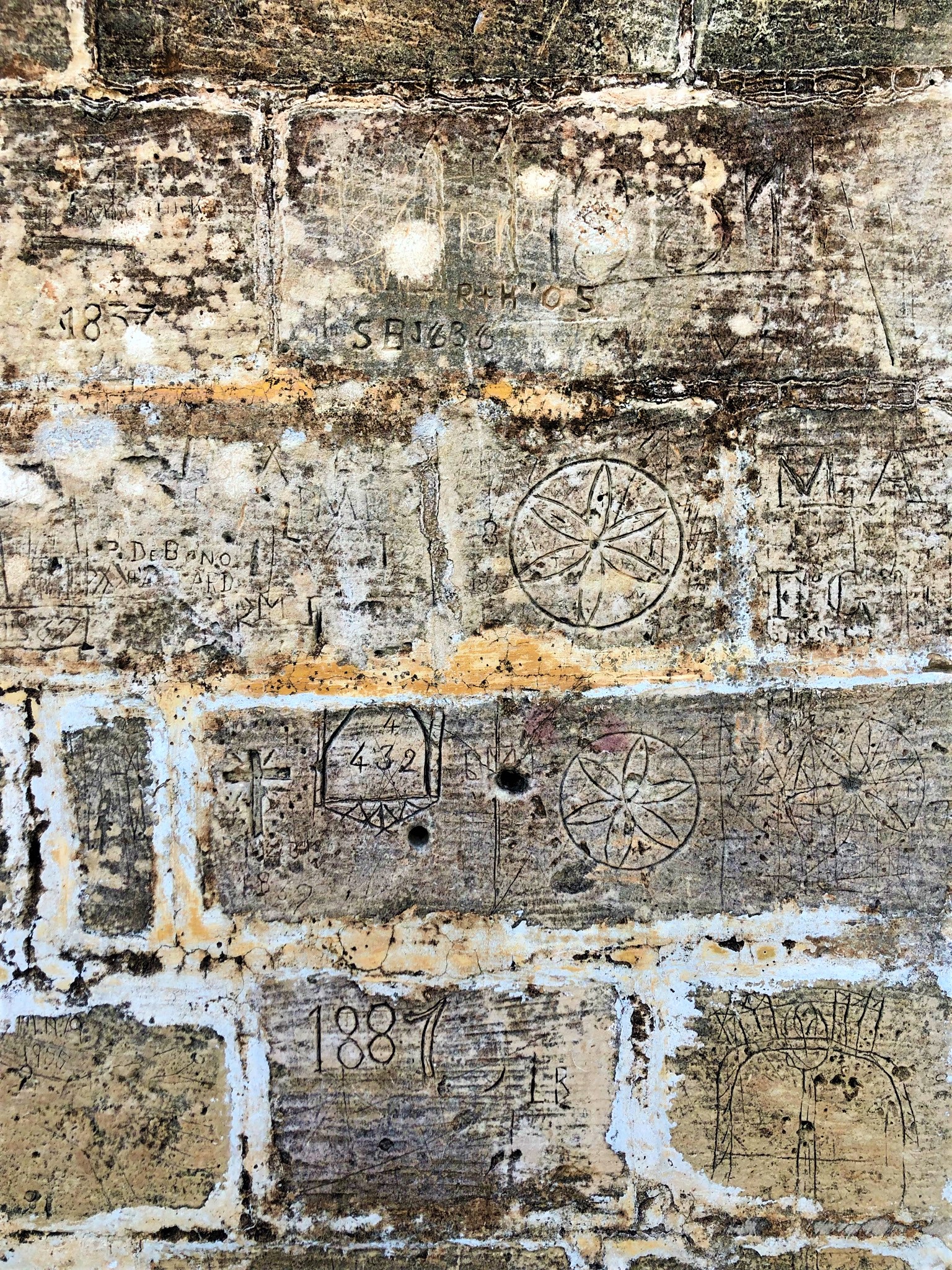
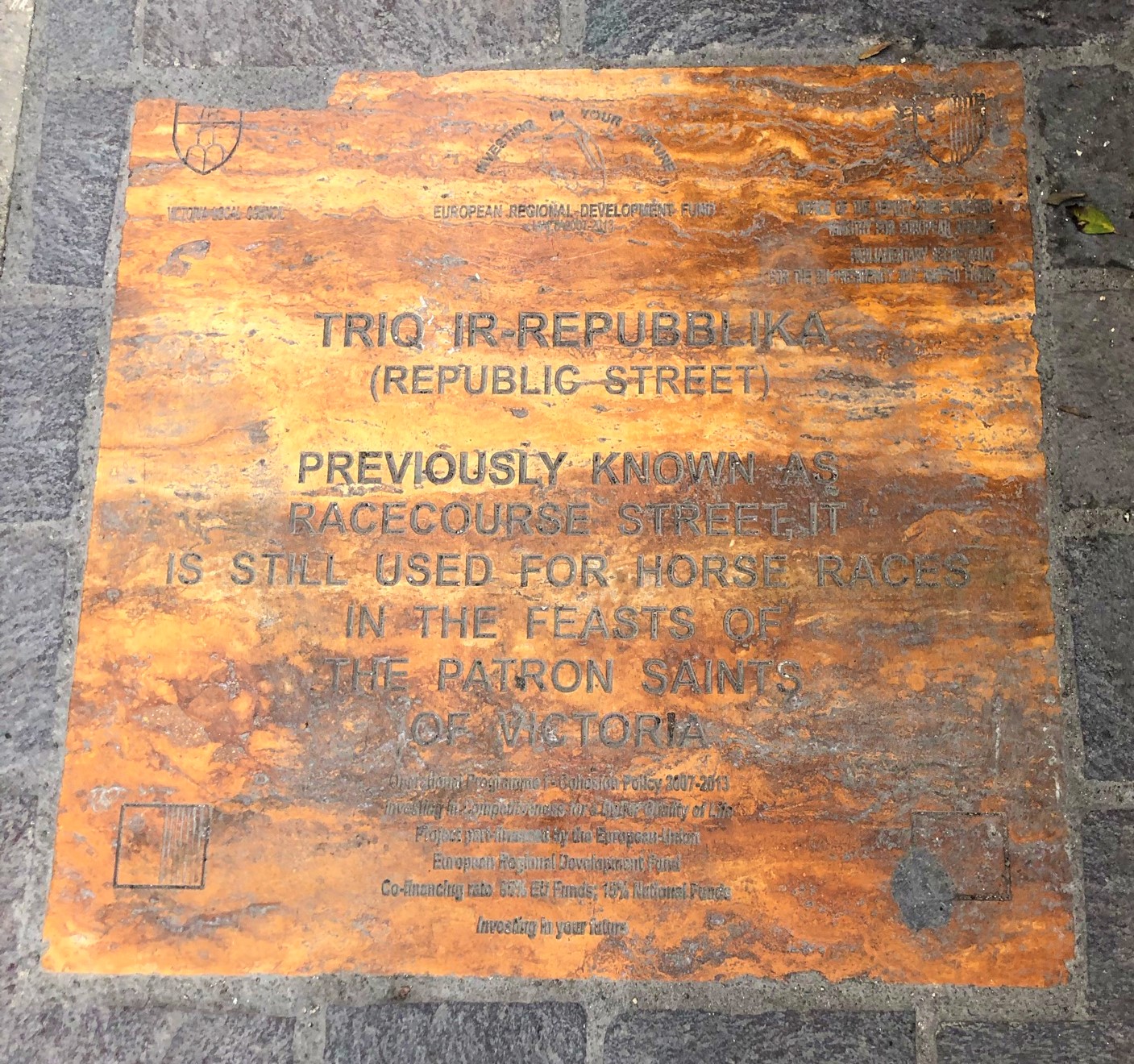
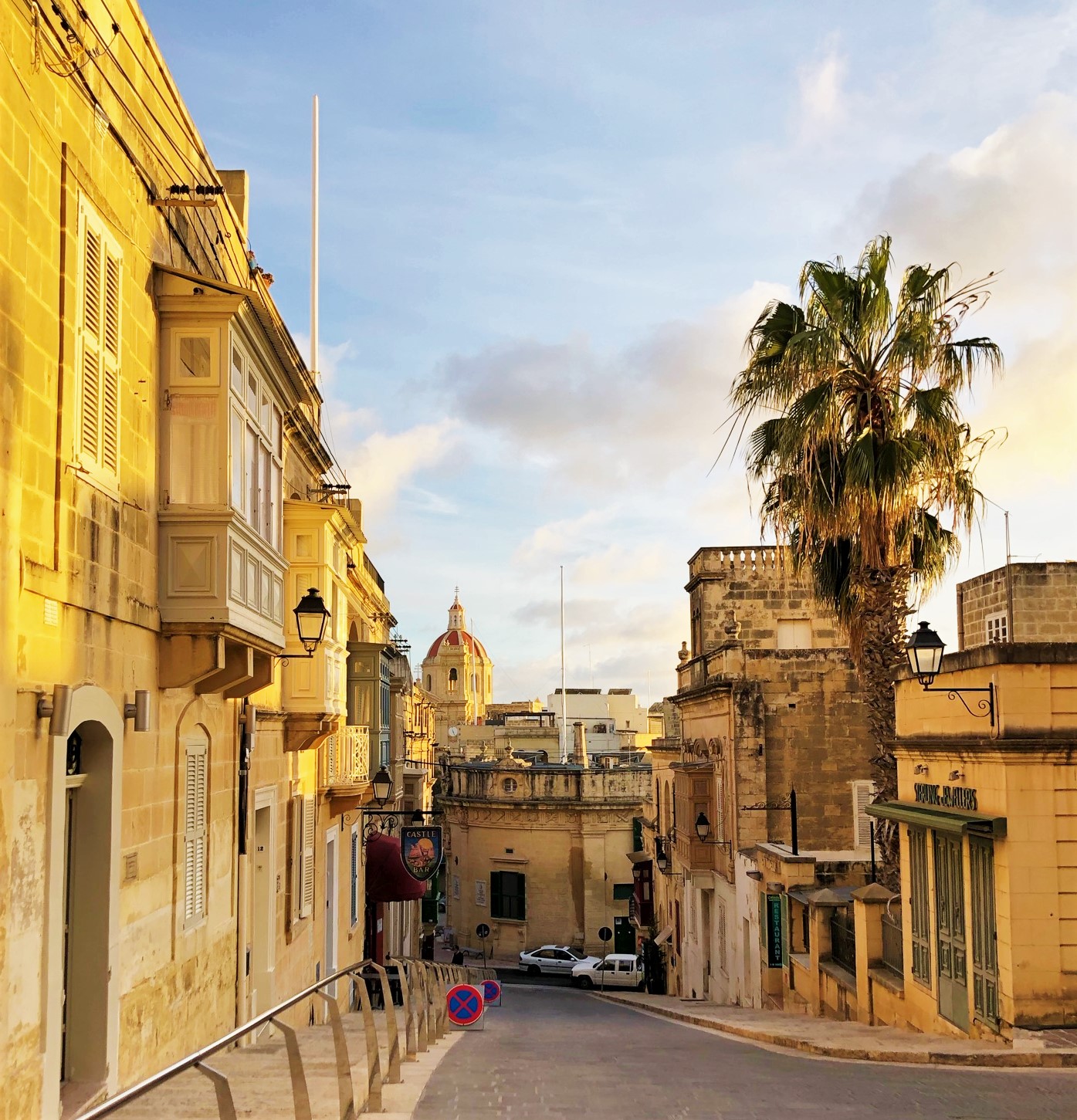
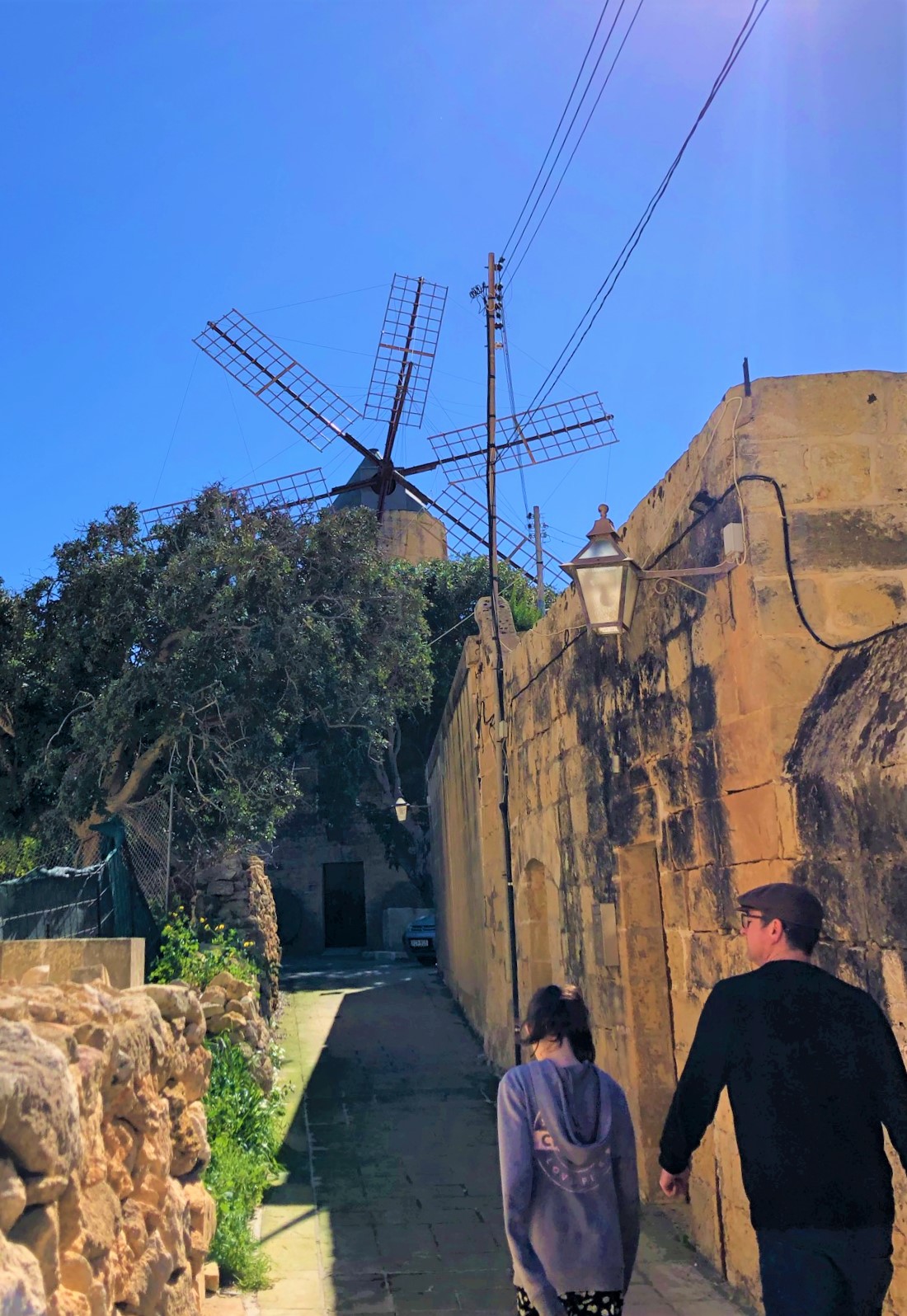
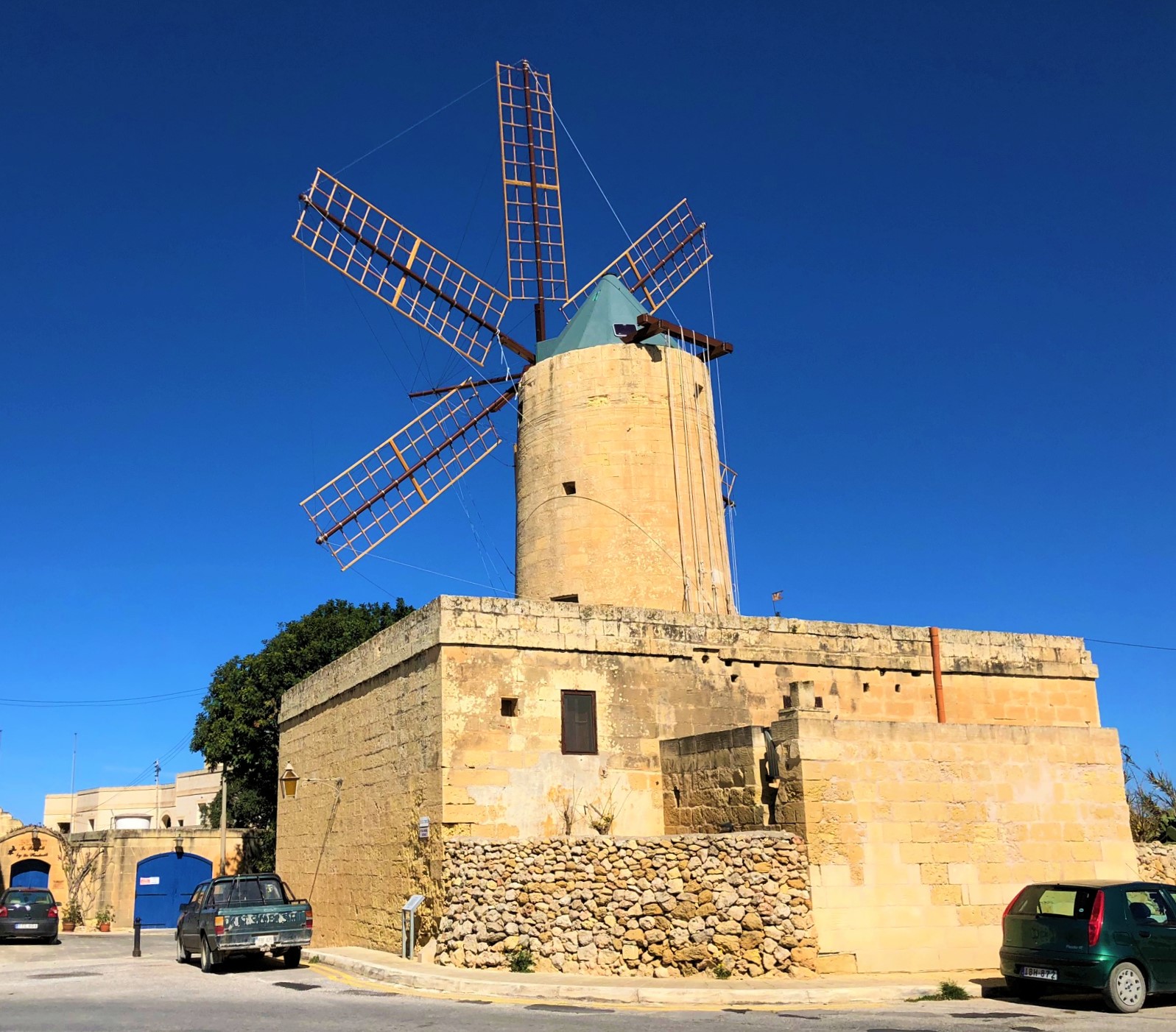
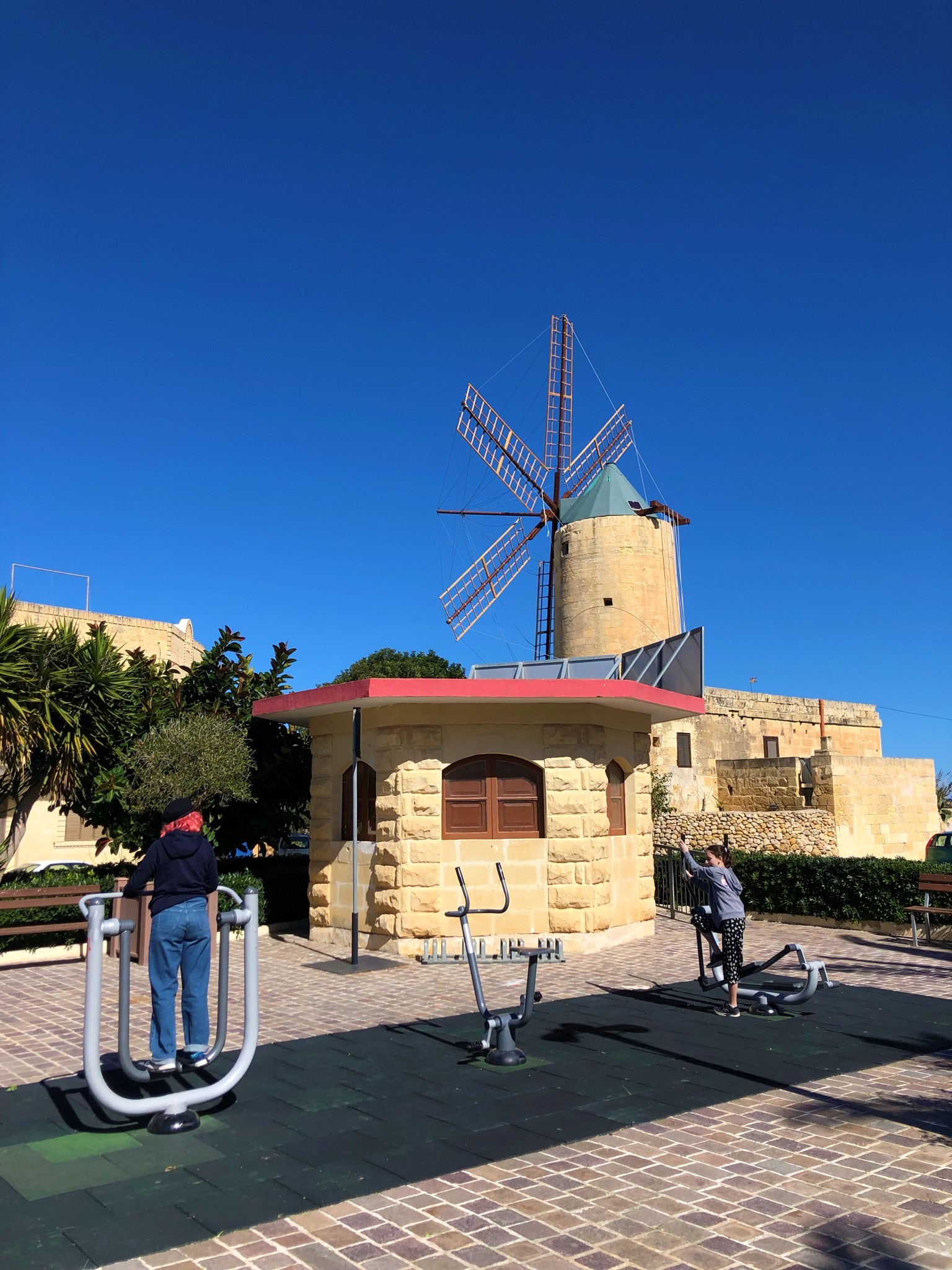
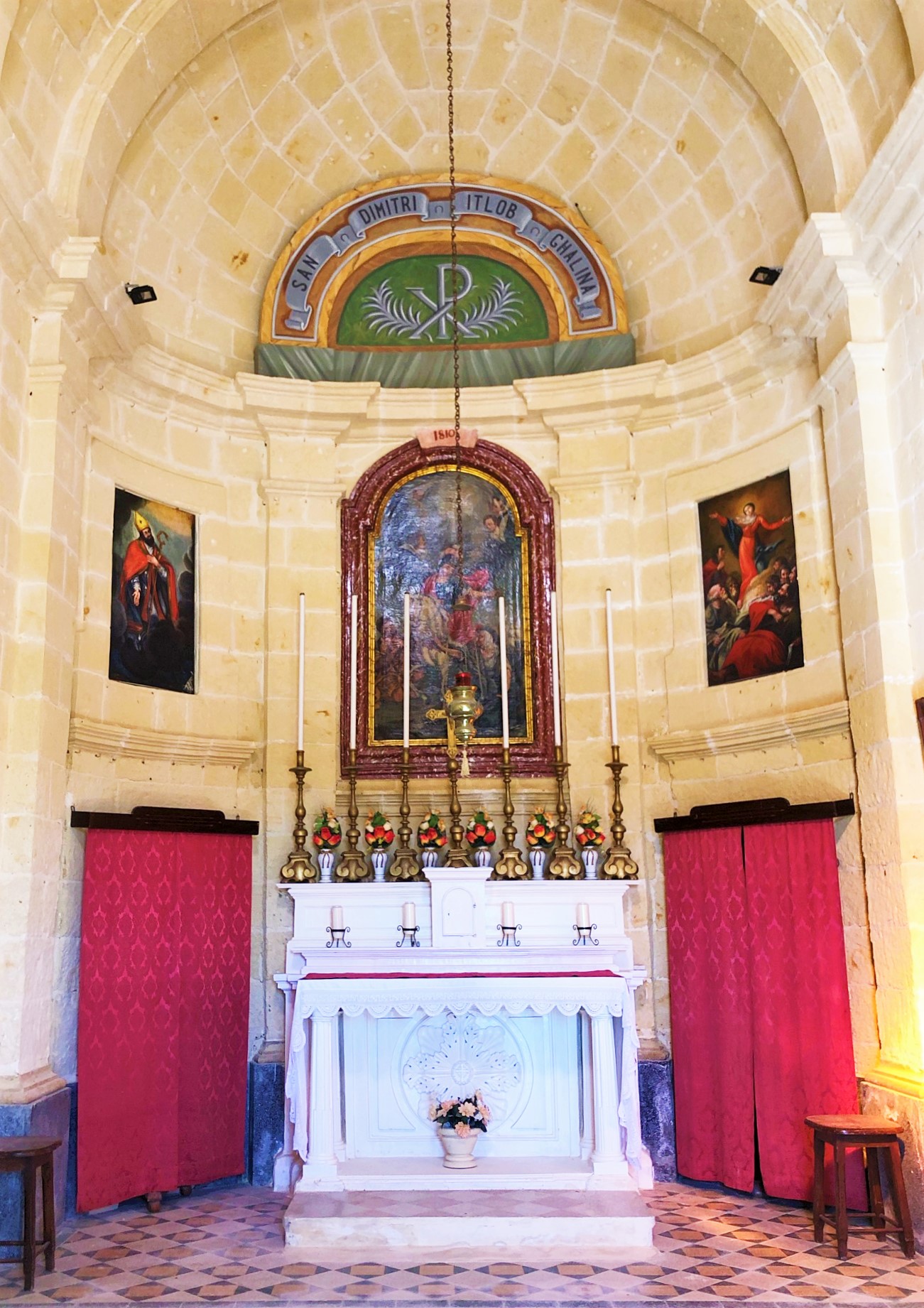
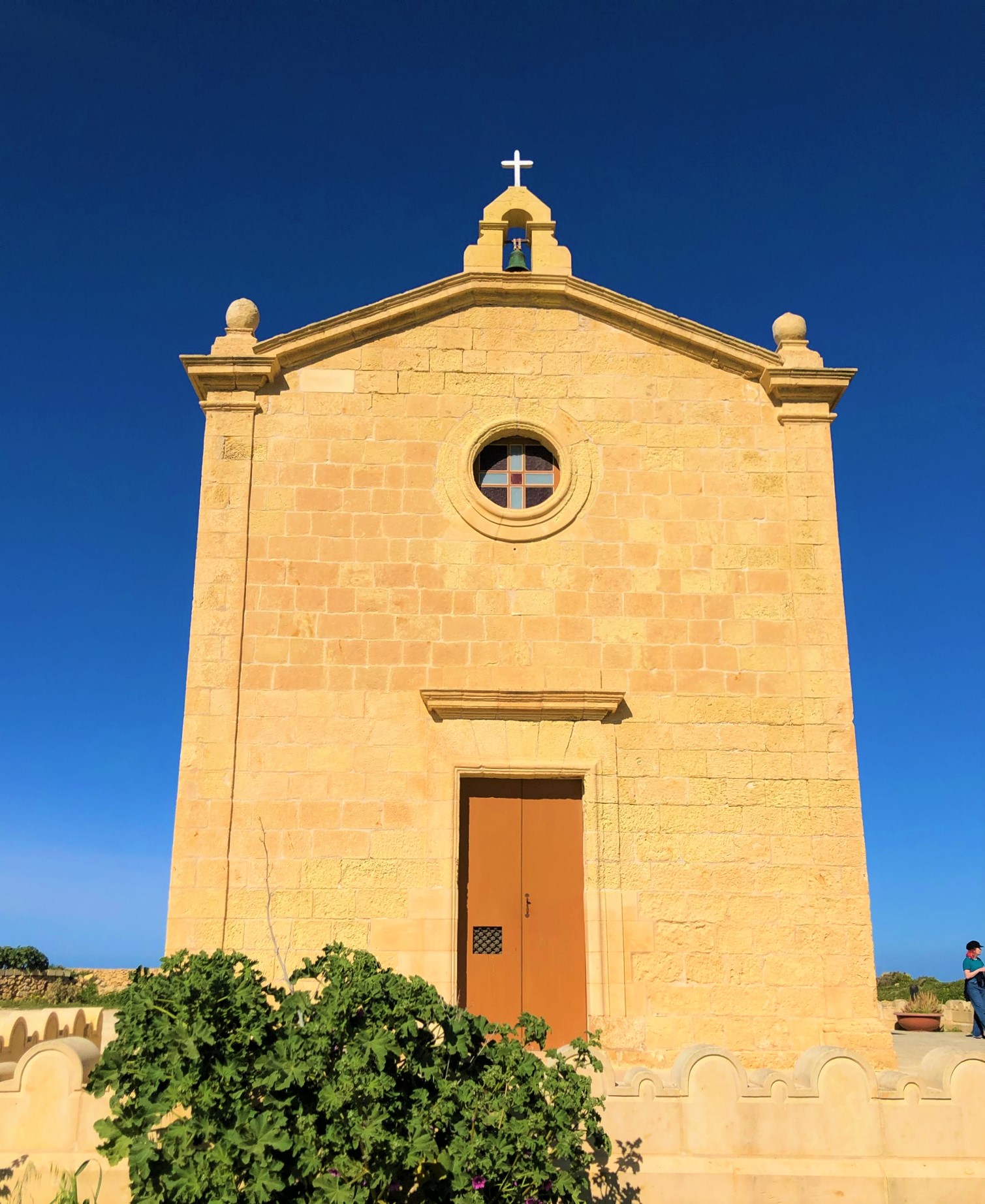
In Victoria, we mostly just explored the views from the Cittadella. We drove to nearby Xaghra to see the Ta’ Kola Windmill (it was closed, so we couldn’t go inside, but, tbh, we’ve seen a LOT of windmills so it was no problem), made our way to Dwerja to explore, and trekked to a very out of the way little chapel called St. Dmitri.
Eating & Drinking
Here’s a not very comprehensive list of great spots we ate and drank:
Gelato:
- Sottozero, Birgu
Lunch / Dinner:
- Is-Suq: large food court with lots of good options, we ate here for lunch
- Ta’ Kris: we actually ate here twice because it was so good and also an affordable choice for authentic Maltese cuisine. Highly recommend
- Azure Window, on Gozo in Dwerja: this place was really delicious also. Thought it might be very touristy and thus not so tasty, but it was really nice
- Bocconcino Cafe, St. Julian’s: good breakfast spot with good coffee
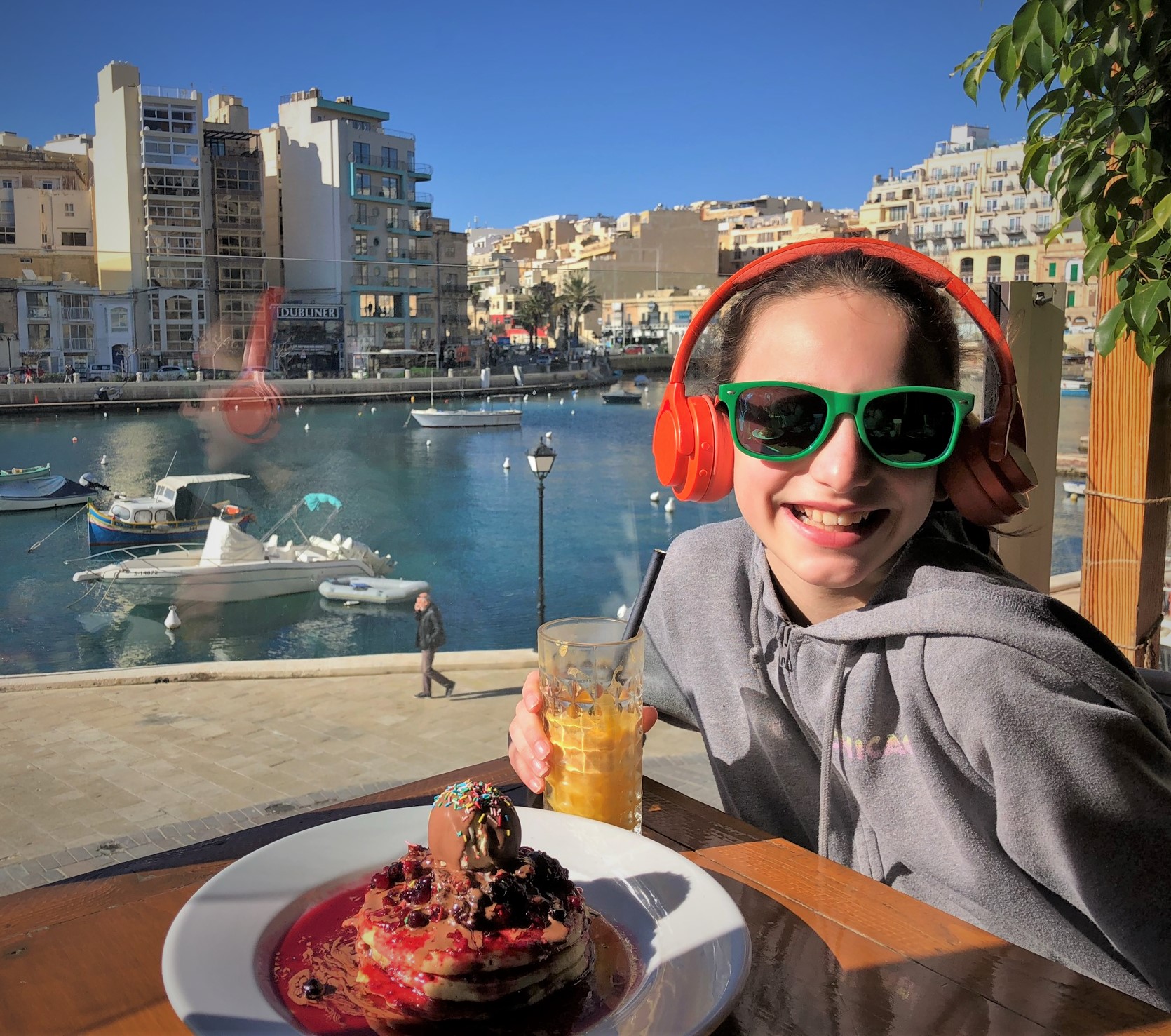
- Two Buoys: another spot where we had breakfast – my daughter’s waffles had an entire ice cream sundae on it; she was thrilled
- Fontanella Tea Garden, sandwiches and cake and a gorgeous view
- La Nostra Padrona, Marsaxlokk: Italian and specializing in seafood. Delicious homemade gnocchi
What to try in Malta:
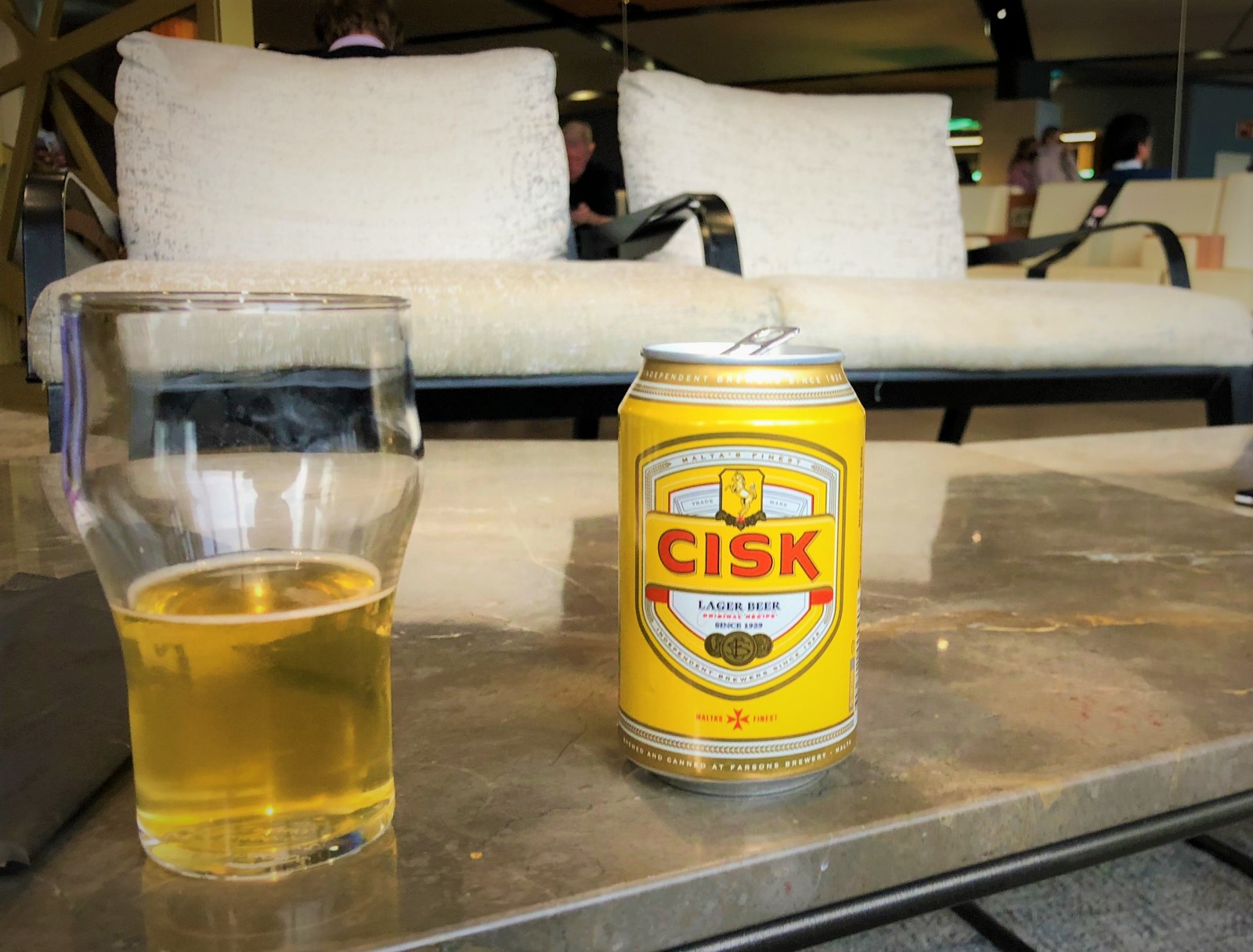
- Cisk beer
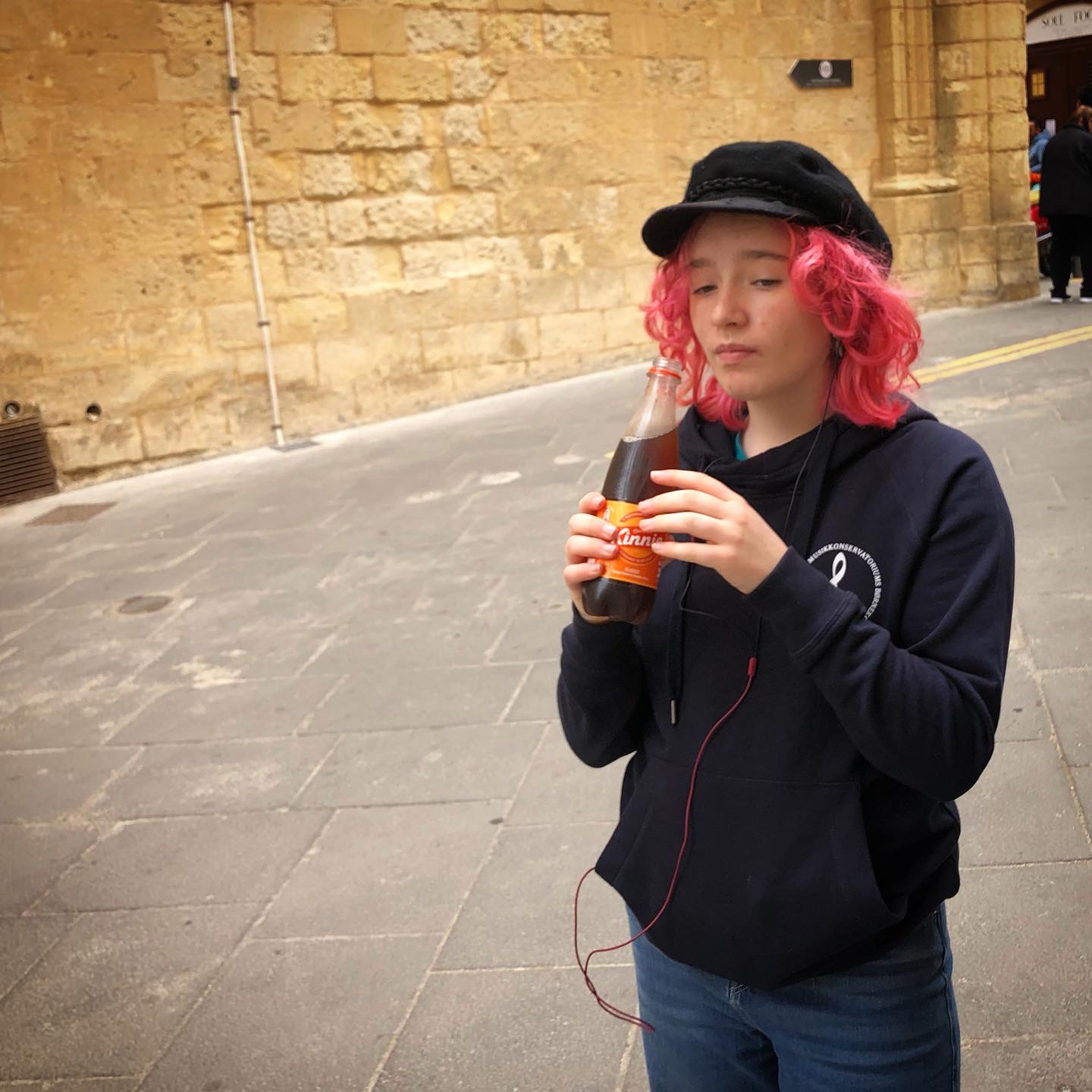
- Kinnie soda; tastes sort of like a non-alcoholic Aperol. Kids didn’t like it
- Rabbit is a national dish, worth a try if you eat meat
 thecloudsarelowerhere