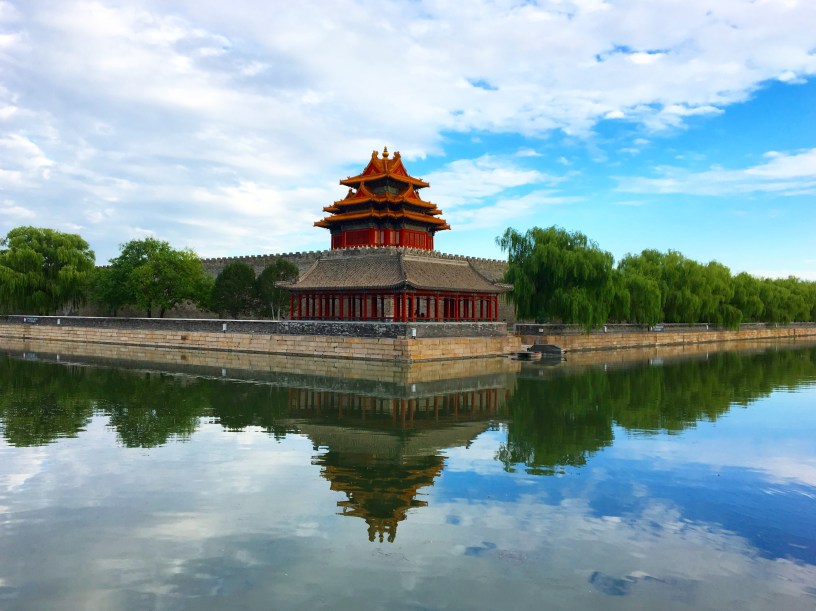
In August, a few colleagues and I headed to China for a week of meetings. While there, we were fortunate enough to have a day and a half to tour Beijing, and an afternoon with customers sailing in a boat in Jilin, northeast China. Throughout it all eating lots and lots and lots (and lots) of food. So much great eating. Oh, and sightseeing. And work. Great, great work.
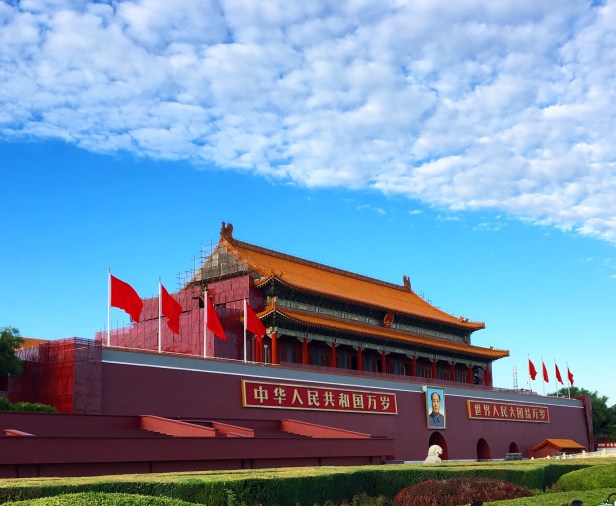
Jilin
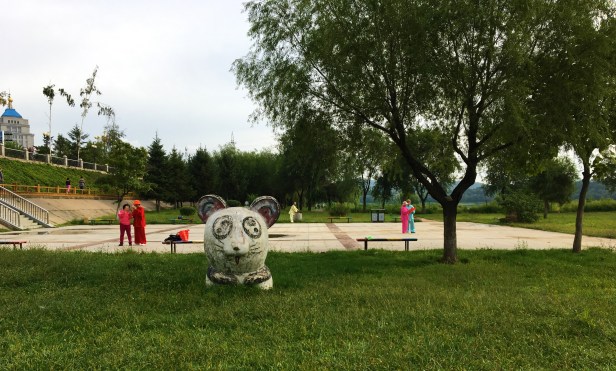
Jilin province is located in northeast China, bordering North Korea and Russia. We stayed in Jilin for numerous meetings, and in the mornings while there I went running; a great way to see the local culture, watching people do tai chi in the parks, taking walks, and just enjoying the day.
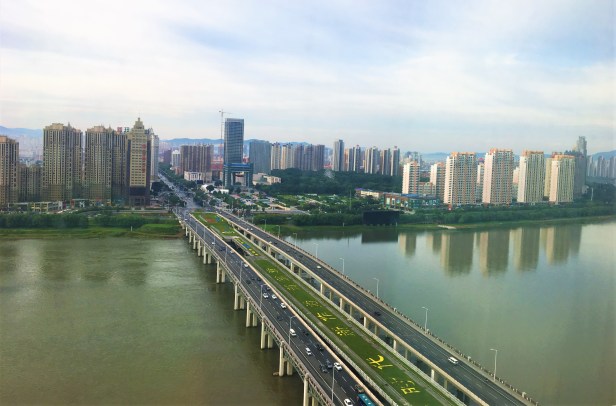


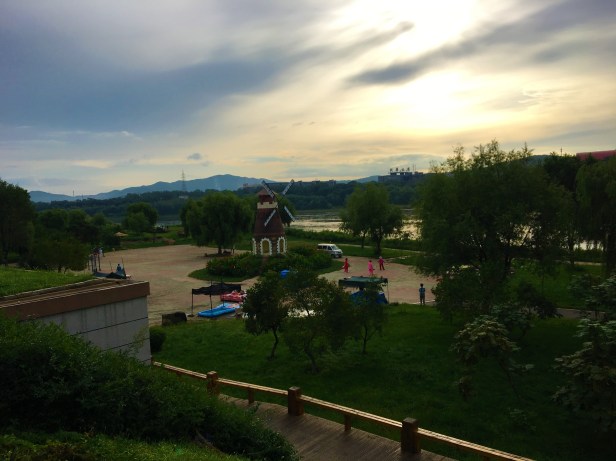
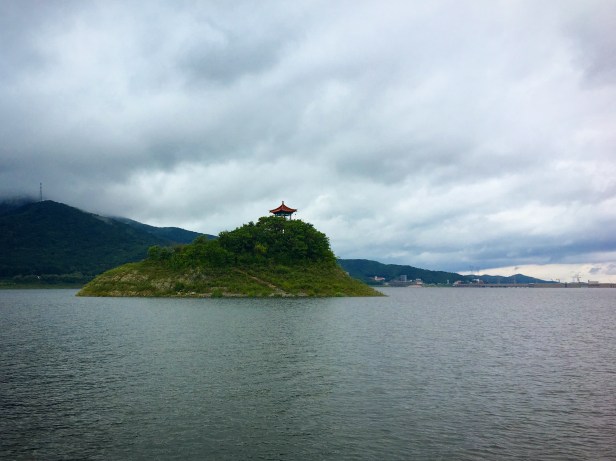
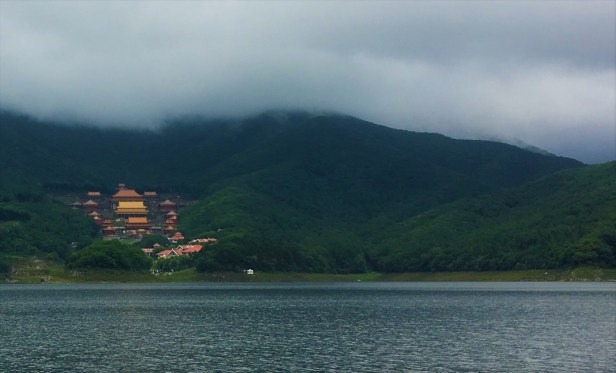
Nearby Jilin, Songhua Lake offers boat rides to view this scenic area (it is listed as a national scenic spot) and for travel to various islands, such as Five Tiger Island. We spent a day on the lake and stopped at an island-bound amusement park. It was the off-season, so not crowded, and just a nice walk around to see the rides and exhibits.




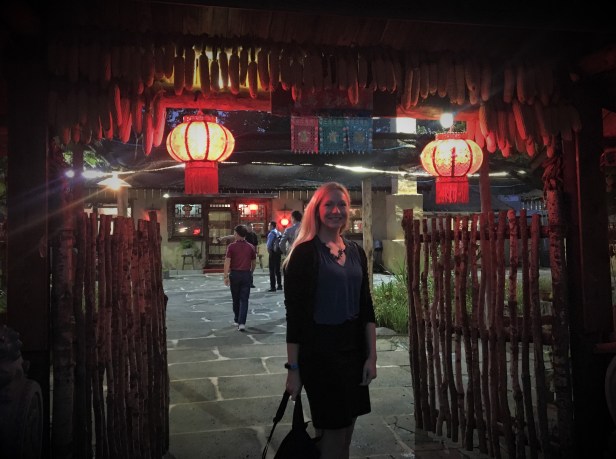
The most memorable dinner we had in Jilin was at a former farmhouse in a small town. A lamb was cooked on a spit outside, and you wrapped pieces up in lettuce leaves, with other vegetables and spices. Following that we tried multiple fish and vegetable dishes.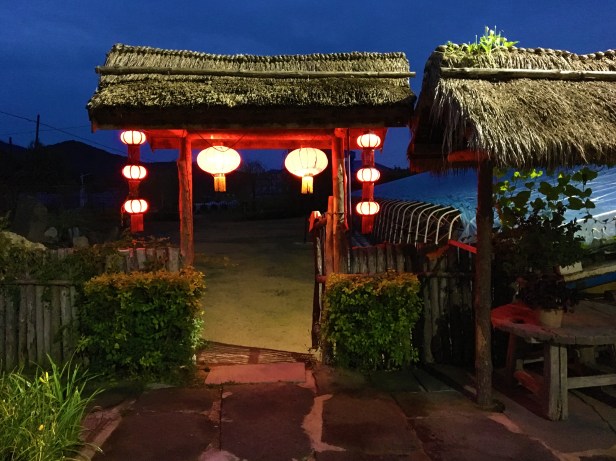


During our time in the north, we also saw the Baishan Dam. The dam is in the process of being redone, and the sheer size of it was incredible.


Beijing
Temple of Heaven
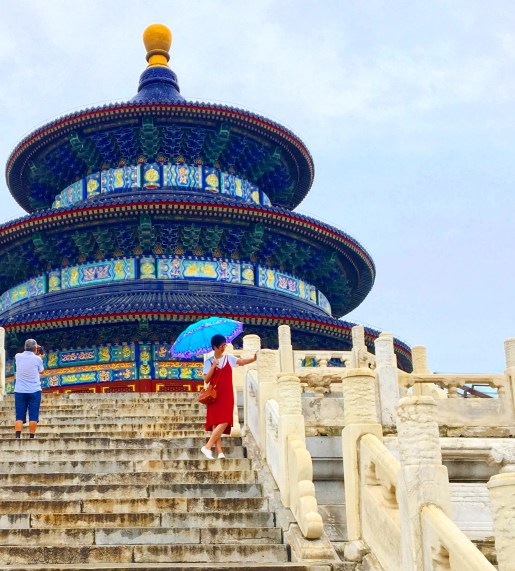
In Beijing we spent a day out as a team, touring some historic spots. First, we visited the Temple of Heaven. It was first built in the 1400s, and originated from the Ming and Qing Dynasties. The site is where the Heaven Worship Ceremony was held, where emperors of these dynasties offered sacrifices to heaven and prayed for good harvests.


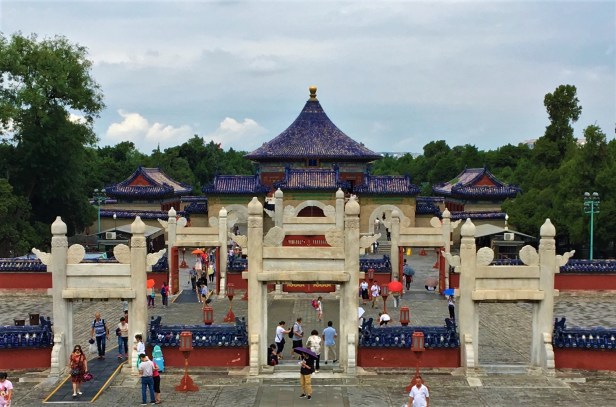


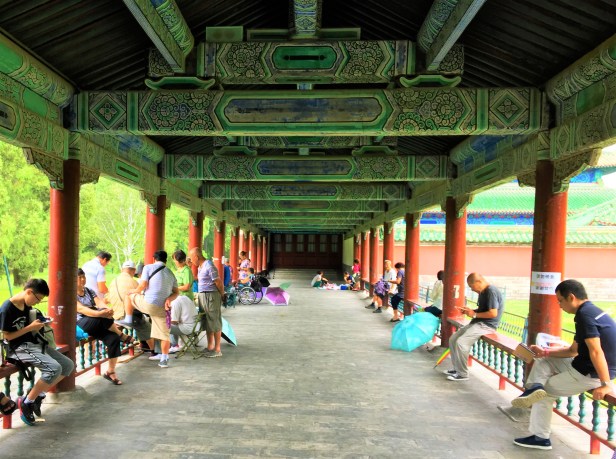
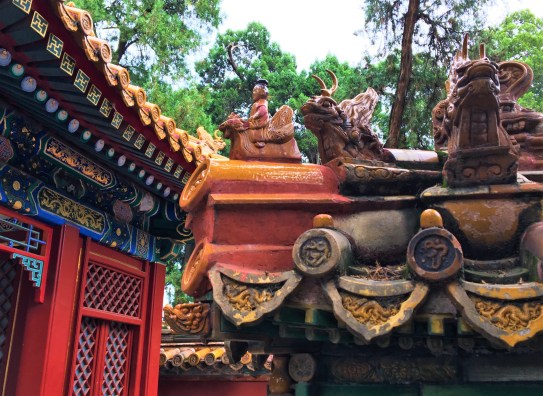
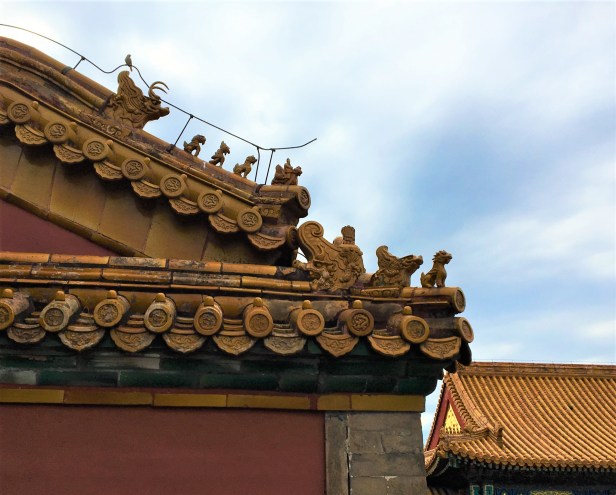
The decorations inside the various buildings were spectacular; brightly colored with lots of reds and golds. Little creatures adorned the roofs and outer walls.




It was a rainy day, and the colorful umbrellas paired with the buildings really brightened up the grey skies.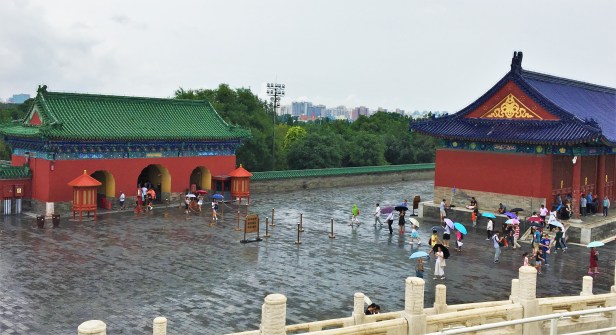


Forbidden City
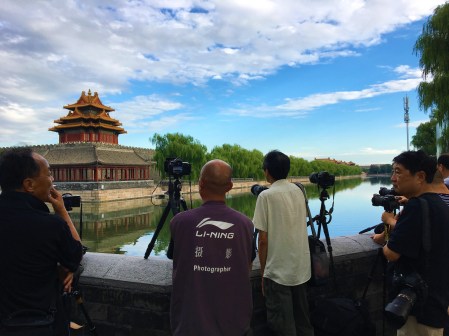
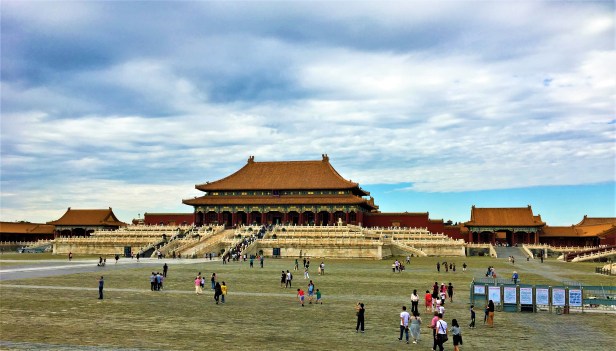
The Forbidden City was our next stop. The Forbidden City, an imperial palace and grounds, was commissioned during the Ming dynasty in the 1400s. It was called the Forbidden City because most inhabitants of the region were not allowed in, and even those who were only gained access to limited areas; including the imperial family. Only the emperor was allowed to enter any section of the complex at any time.
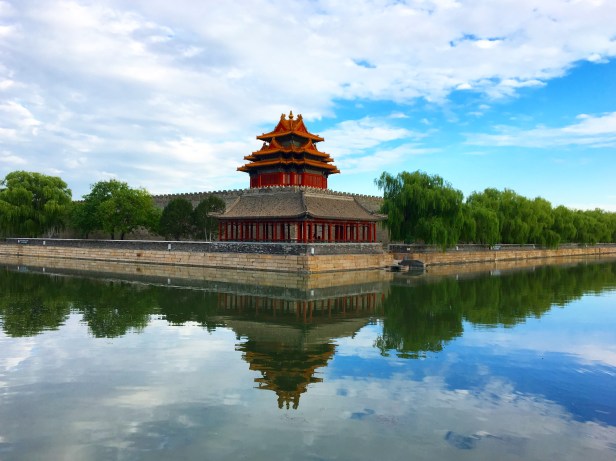
The architecture and sculptures throughout the Forbidden City are stunning. The entire area is very large, and I was exhausted by the end of the day. If you plan to see both the Forbidden City and Temple of Heaven in one day, wear comfortable shoes and bring along some serious caffeine. And snacks.
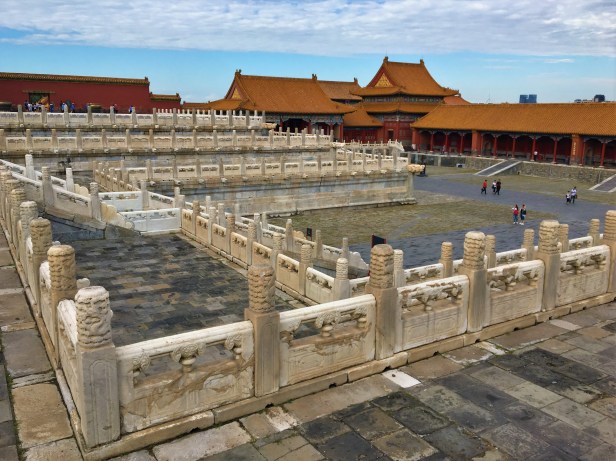


My very favorite part of the Forbidden City was, as my english audio guide termed them, the “little beasties”. These are all the gargoyles seated atop the roofs. I learned (again from the audio guide) that the number of little beasts lined up on the roof denotes the importance of the building itself- the more little beasties, the more important the temple.


 A Few Morning Runs
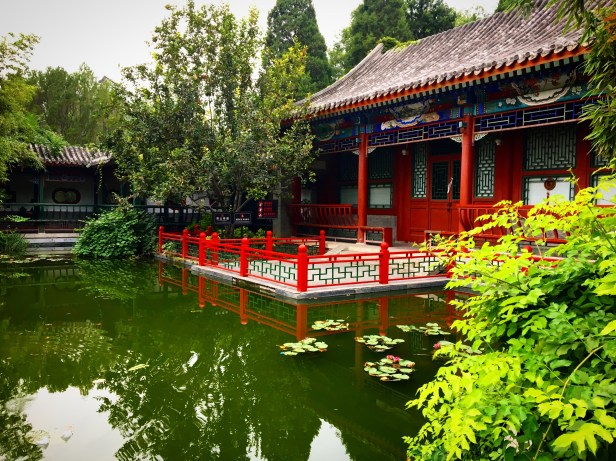
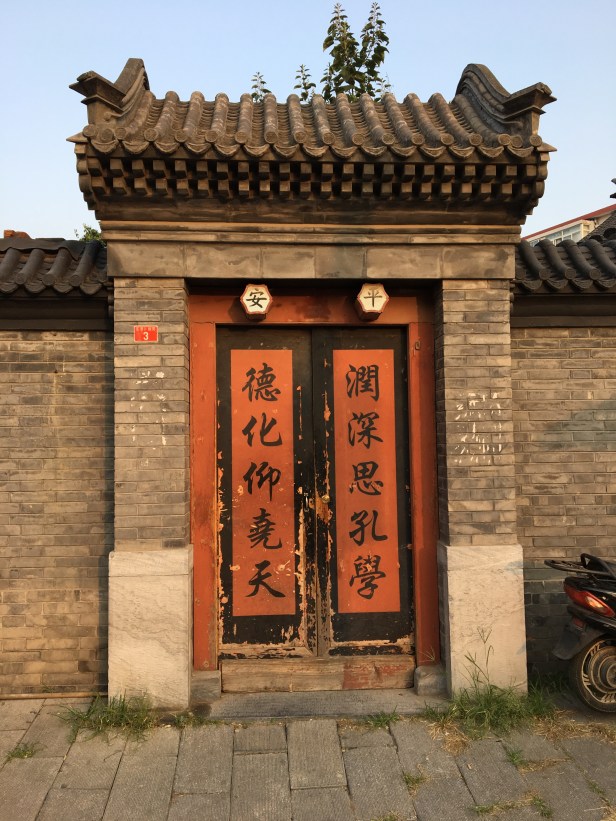
I had some lovely morning runs in Beijing, and it was fantastic to see all the other morning runners, walkers, and tai chi-ers. I also ran through some of the old remaining hutongs. Hutongs are very old, narrow, snaking alleys, with high walls and doors opening to courtyards and homes of locals. There used to be hundreds surrounding the Forbidden City, but now only a handful remain.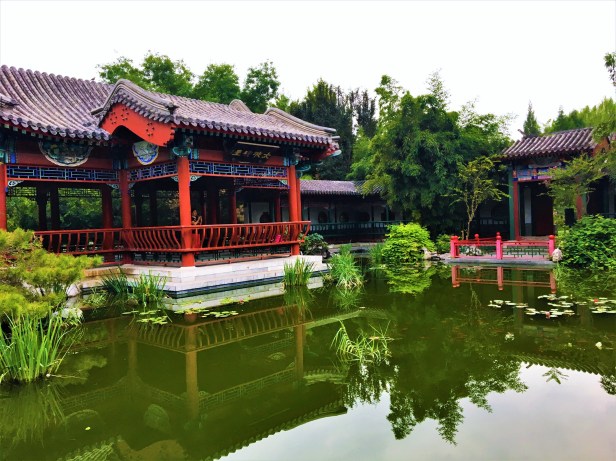




Summer Palace
Unexpectedly, we ended up with one extra free morning, due to a cancelled meeting. Hello, Summer Palace. I think the Summer Palace was my favorite of the three. The Summer Palace consists of the court area, Longevity Hill, and Kunming Lake.
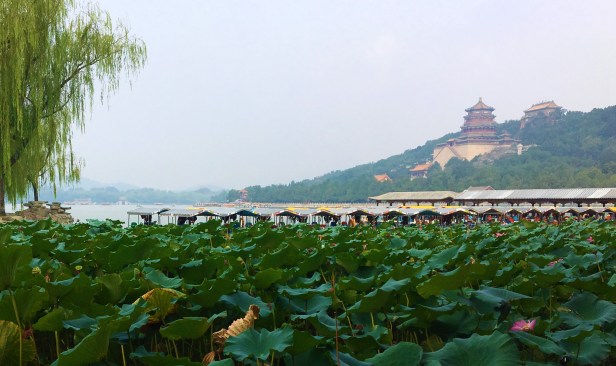


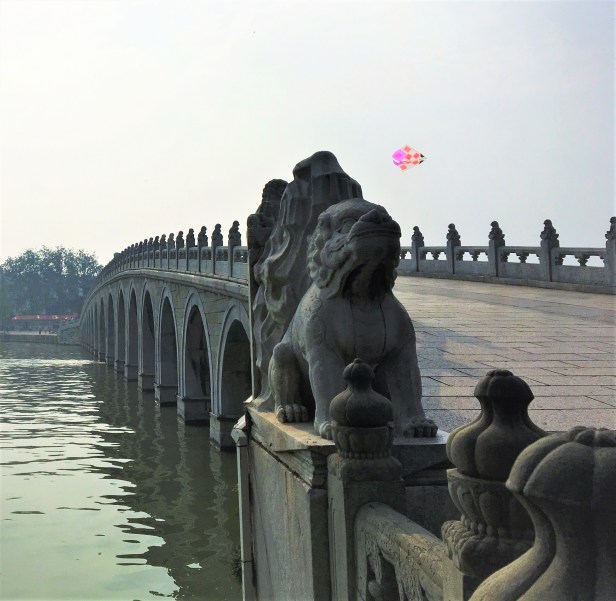
Above Kunming Lake, the Seventeen Arch Bridge is so spectacular, and tourists can also ride on the boats in the lake to see the palace from another vantage point.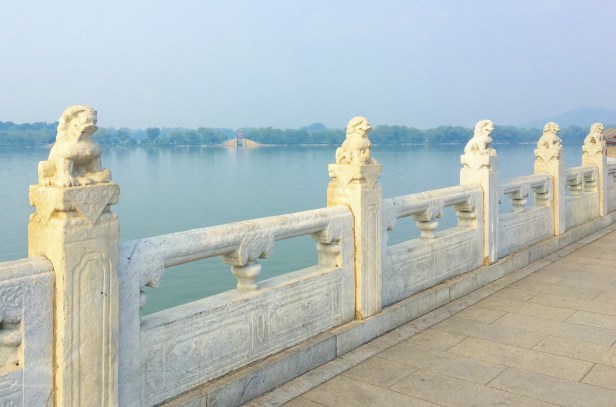




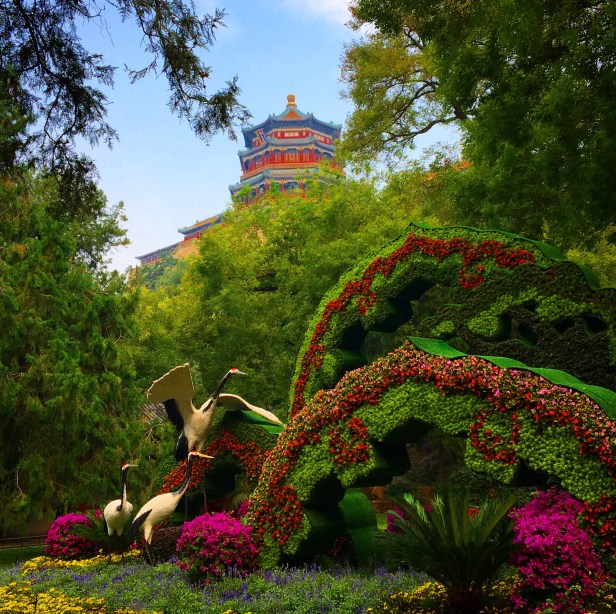


Heading up Longevity Hill is, I would say, a long way. But worth the trek. Once you’ve reached the top, there is a lovely temple and a view of the lake and the boats.
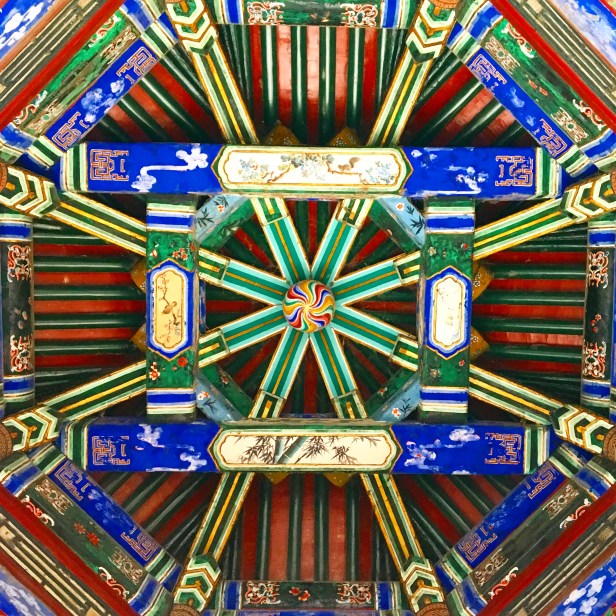


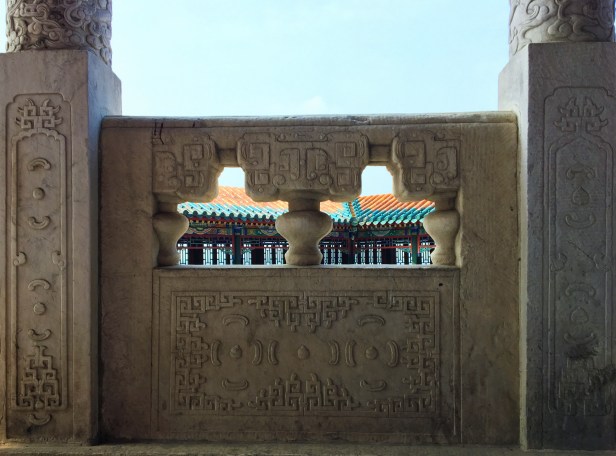


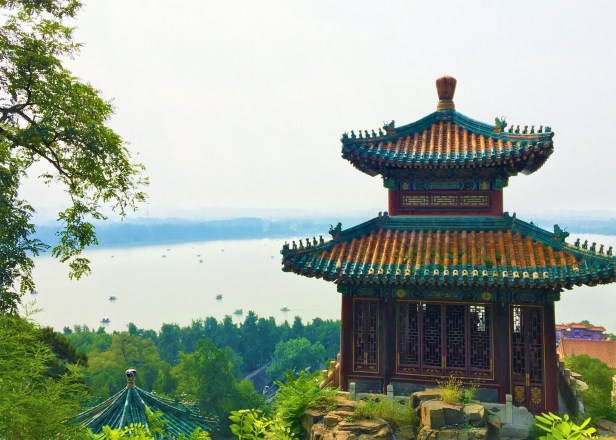
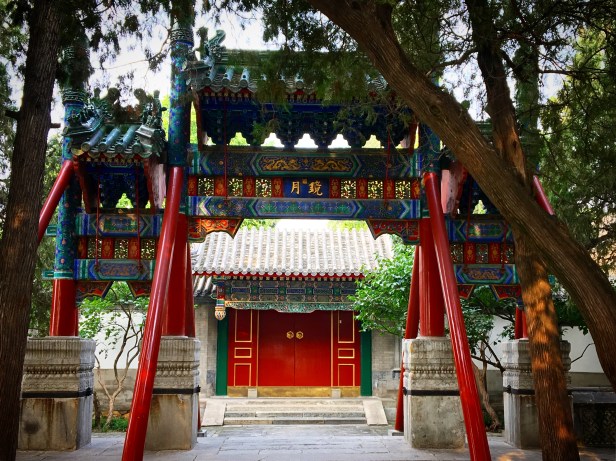
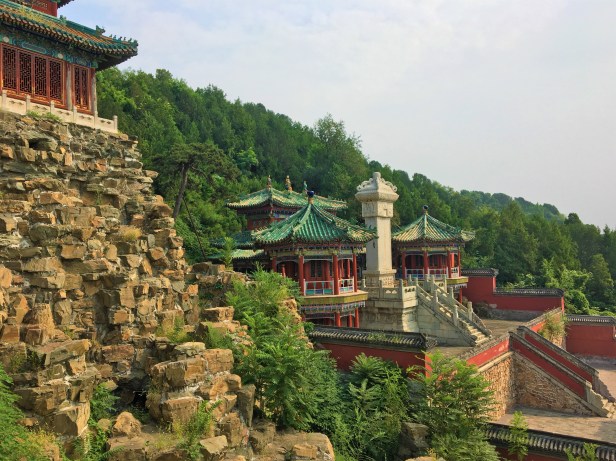
One of my very favorite parts of exploring these Chinese sites is learning the names of the various temples and buildings. They are so poetic, when you read them you are practically transported to another time and place. Here are some examples: the Gate that Dispels the Clouds, the Hall of Moral Glory, the Tower of the Fragrance of the Buddha, and the Sea of Wisdom Temple. Below is a photo of two of my favorites, the Tower of Moonlit Ripples and the Chamber of Heartfelt Contentment.


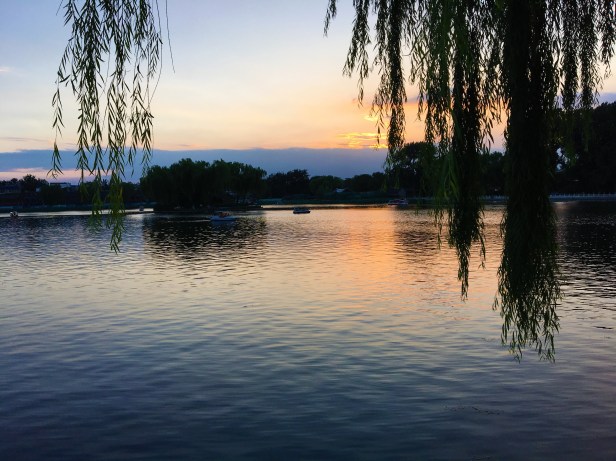
 Our last evening, we toured Di’anmen, and saw the restaurant and shopping district, and a lovely sunset. Lots of people enjoying the night, shopping, and eating treats. We went through a “cat neighborhood” where there was a cat cafe, and we saw lots of couples dancing to music in the squares.




 thecloudsarelowerhere